REVIEW · HIROSHIMA
Hiroshima Historical Walking Tour – Why A-Bomb was Dropped
Book on GetYourGuide →Operated by Localized Walking & Food Tours · Bookable on GetYourGuide
Atomic history starts at a shrine. This Hiroshima Historical Walking Tour turns hard facts into a clear, human path through the city, with Peace Memorial Park as the emotional anchor. I love how the route gives you WWII context before you hit the memorials, and I also love the guide-led pace that keeps questions welcome, even when the topic is heavy. The main drawback is simple: the subject matter is confronting, so come mentally ready.
You’ll meet in front of the Hiroshima Gokoku-jinja Torii Gate near the main hall, then spend about 150 minutes walking through Hiroshima’s layered story—from wartime symbolism to the aftermath that still shapes daily life. The tour moves from major landmarks like Hiroshima Castle, the Atomic Bomb Dome, and Hiroshima Peace Memorial Park, and it finishes at the Hiroshima Peace Memorial Museum so you can keep learning right after the walk.
This is an English live guided experience (and it’s listed as wheelchair accessible). If you get a guide like Chihiro, Thomas, or Emi, you’ll likely get more than dates and names: you’ll get a strong sense of how Hiroshima thinks about memory, responsibility, and peace, plus plenty of time for side questions along the way.
In This Review
- Key highlights that make this tour worth your time
- Starting at Gokoku Shrine: why the tour begins with wartime memory
- Hiroshima Castle: a photo stop that also teaches the WWII context
- The quick mid-route stop: time to ask questions without losing momentum
- Hiroshima Gate Park: where the walking story gains meaning
- Atomic Bomb Dome: what to notice when the story gets real
- Hiroshima Peace Memorial Park: remembrance, reflection, and the call for peace
- Finishing at Hiroshima Peace Memorial Museum: turn emotion into understanding
- Price and time: is $35 value for 150 minutes with a guide?
- Who this tour suits best (and who might want a different plan)
- Small-group energy and guide impact: why some tours feel life-changing
- Should you book the Hiroshima Why the A-bomb Was Dropped walking tour?
- FAQ
- Where is the meeting point for the Hiroshima tour?
- How long is the walking tour?
- What does the tour cost?
- Is the tour guided in English?
- What’s included in the price?
- Can I reserve now and pay later?
- What is the cancellation policy?
Key highlights that make this tour worth your time
- Gokoku Shrine as your starting point, framing the wartime human cost before you reach the memorial zone
- Hiroshima Castle stop with a guided visit, plus a photo window that helps you understand what the city looked like in the story
- Hiroshima Gate Park and mid-route context, where the tour slows down just enough to connect themes
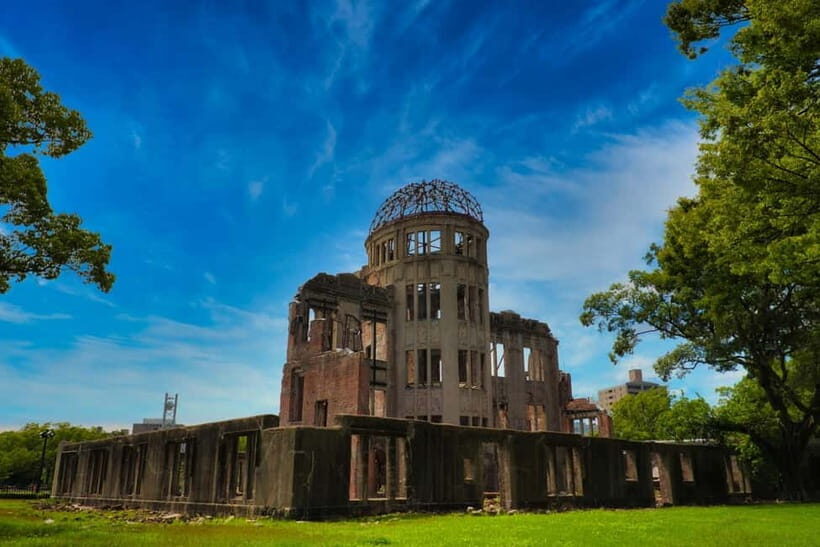
- Atomic Bomb Dome viewing with guided interpretation, so you know what you’re looking at beyond the postcard version
- Peace Memorial Park focus, built around remembrance and an ongoing call for peace
- Finish at the Peace Memorial Museum, letting you continue immediately with less scrambling afterward
Starting at Gokoku Shrine: why the tour begins with wartime memory
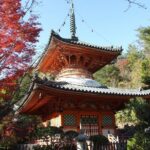
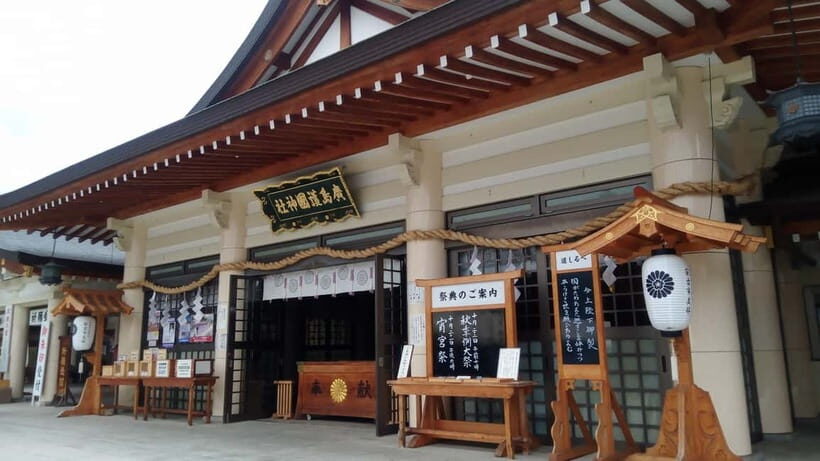
The tour kicks off at Hiroshima Gokoku-jinja, right at the Torii Gate near the main hall. That opening matters. Instead of dropping you straight into the atomic bomb aftermath, you start where Hiroshima holds its remembrance for fallen soldiers, and it sets the tone for how the city talks about war, duty, and loss.
What I like about starting here is that it gives you framing. You’re not just collecting shock-value images; you’re building a timeline in your head—how a city becomes a war target and how people think about sacrifice before everything collapses.
The practical upside: this first stop helps you get your bearings fast. Once you’ve met your guide and walked a few minutes, the rest of the route feels connected rather than a list of memorials.
You can also read our reviews of more walking tours in Hiroshima
Hiroshima Castle: a photo stop that also teaches the WWII context
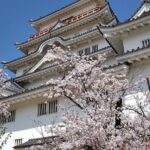
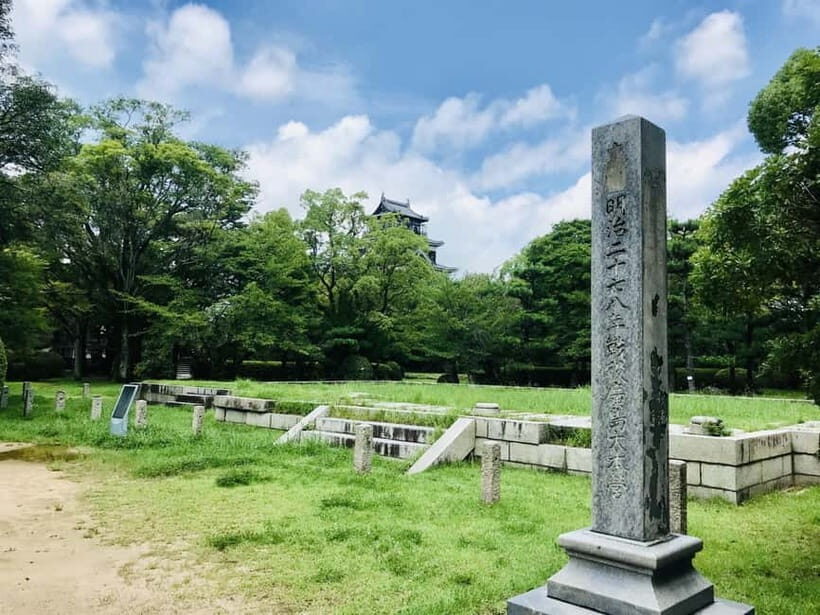
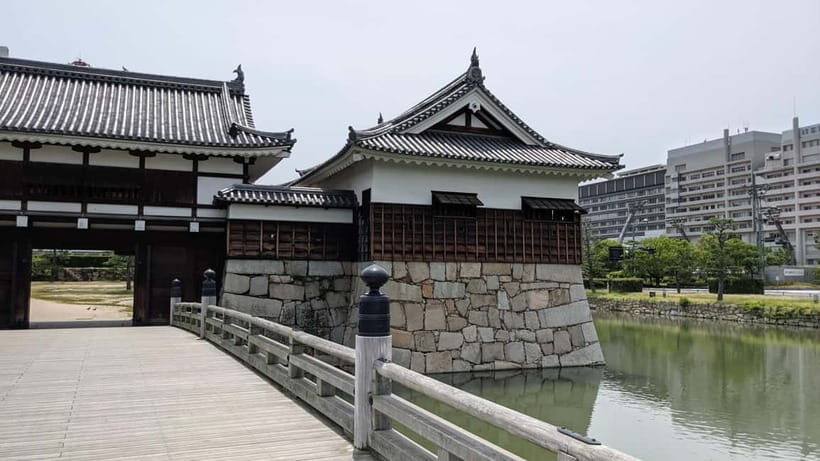
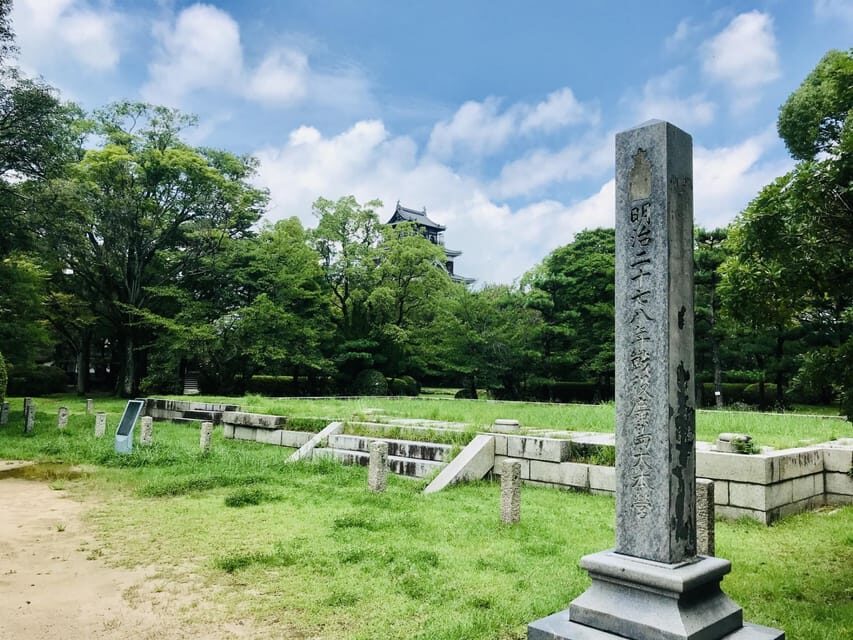
Next comes Hiroshima Castle. You get a photo stop, then a guided visit that clocks around 20 minutes. Even if the castle area isn’t your first choice on a history trip, it’s a smart move for this specific theme, because it anchors the story in Hiroshima’s wartime identity.
Here’s the value: you’re learning why Hiroshima mattered during World War II before you reach the parts of the city that speak about what happened. The guided explanations also tend to answer the “so why here” questions that people usually carry into Peace Memorial Park.
One caution: if you’re expecting a casual sightseeing stroll, Hiroshima Castle will feel more like a classroom stop than a leisurely viewpoint. That’s not a bad thing. It just sets your mindset for the rest of the walk.
The quick mid-route stop: time to ask questions without losing momentum
At about the one-hour mark, the route includes another short guided visit (around 10 minutes). The location can vary by day and pacing, but the purpose is consistent: it’s a bridge between the castle-era context and the memorial-zone landmarks ahead.
I like these shorter interludes. They give you a breather without letting the story drift. And they’re perfect for questions. If you’re the kind of person who keeps hearing, Wait, but why did they pick this city, this is where you can get those answers while the tour is still fresh.
Hiroshima Gate Park: where the walking story gains meaning
Then you reach Hiroshima Gate Park for a longer guided visit (about 30 minutes). This part works as a “turn the key” moment in the tour. You’re not yet staring at the most famous reminders, but the mood shifts. The guide uses the space to connect themes: why Hiroshima became a military target and what that choice meant for the people who lived there.
This stop also gives you time to look around at the city itself. You get a sense of how modern Hiroshima occupies the same ground as the past—without pretending those two realities can be separated cleanly.
Photo-wise, this is one of the spots where having a guide helps. Instead of guessing what to frame, you learn what details to watch for, and you spend your time looking at the right things.
Atomic Bomb Dome: what to notice when the story gets real
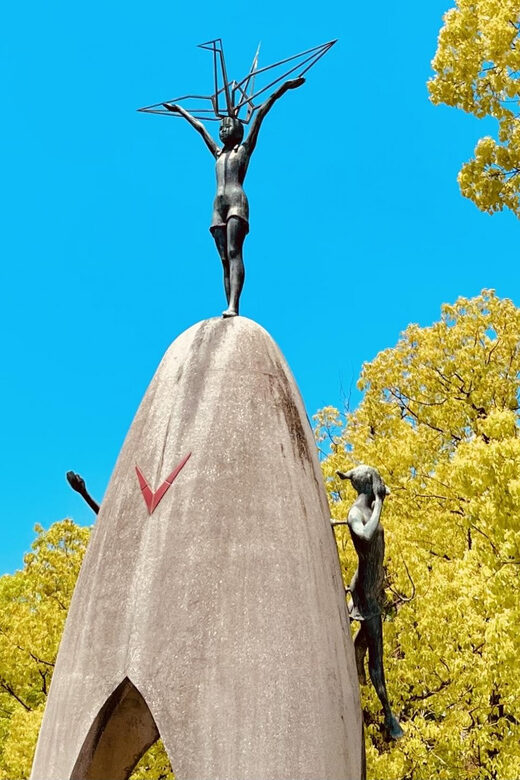
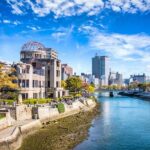
The Atomic Bomb Dome is next, with a guided visit of around 20 minutes. This is the landmark most people arrive ready to photograph, but the tour’s real win is that it helps you read it.
Instead of treating it like a symbol you already understand, you’re guided through what it represents in the wider narrative—how the bombing affected both human lives and Hiroshima’s cultural memory. The guide-led pace also matters here. It keeps you from rushing past the site while still moving efficiently toward Peace Memorial Park.
Based on how guides are described by past participants, you’ll likely be encouraged to ask questions, even on tough points. That makes a difference when the subject feels overwhelming. You get clarity instead of just quiet.
If you’re doing this tour before the museum, you’ll probably feel better prepared afterward. You’ll have a clearer mental map of the story arc, which makes the exhibits land harder—in a good way.
You can also read our reviews of more historical tours in Hiroshima


Hiroshima Peace Memorial Park: remembrance, reflection, and the call for peace
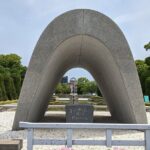
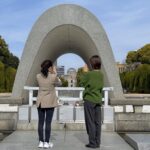
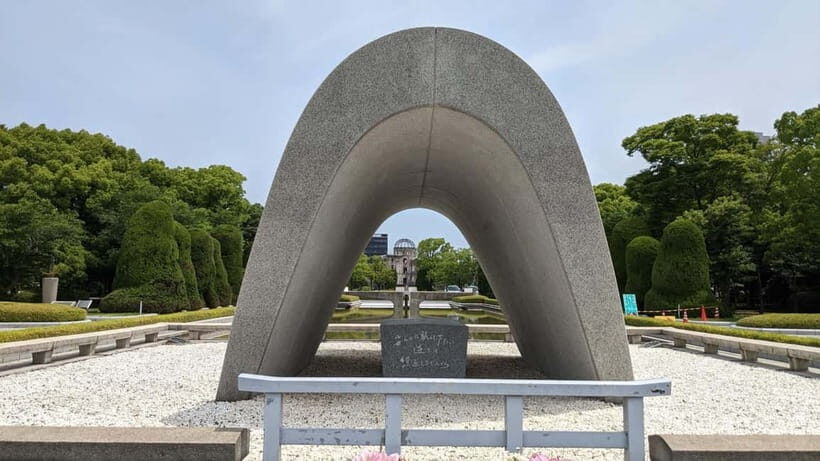
Peace Memorial Park is the emotional center of the walk, with about 30 minutes guided. This is where the tour shifts from explaining context to focusing on aftermath, remembrance, and reconciliation.
What makes this section powerful is the balance. You’re not only looking at monuments as objects. Your guide’s storytelling pushes you to connect the people behind the history—why the city built spaces for memory and why the message of peace is still part of Hiroshima’s public life.
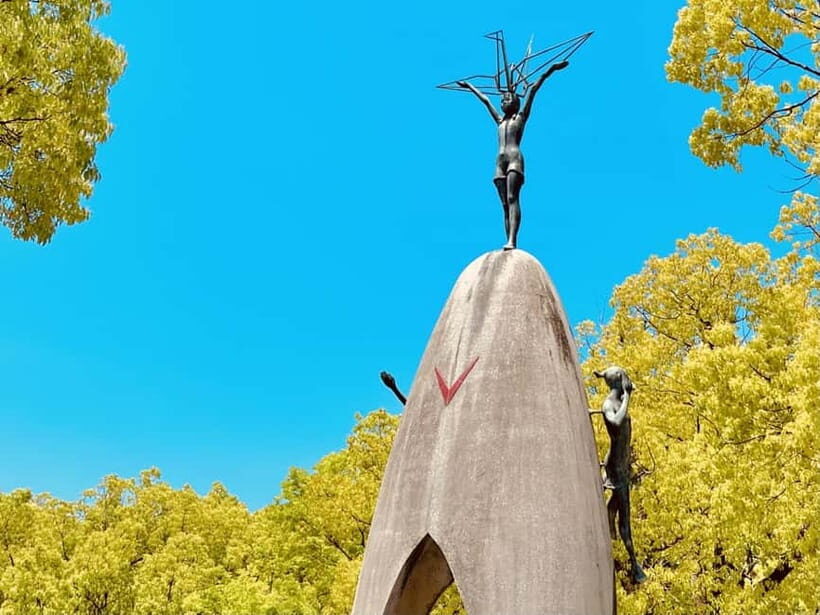
You may also encounter moving elements tied to children’s remembrance, including references like the Children’s Peace Monument and the origami-crane message that’s associated with it. In some parts of the wider memorial area, cranes are part of what you’ll see and hear about, and guides often use that to explain how Hiroshima expresses grief and hope at the same time.
This stop is also where a guide’s tone matters. Past experiences with guides on this route tend to emphasize empathy and honesty rather than spectacle. You’ll feel the weight, but you won’t feel pushed.
Finishing at Hiroshima Peace Memorial Museum: turn emotion into understanding
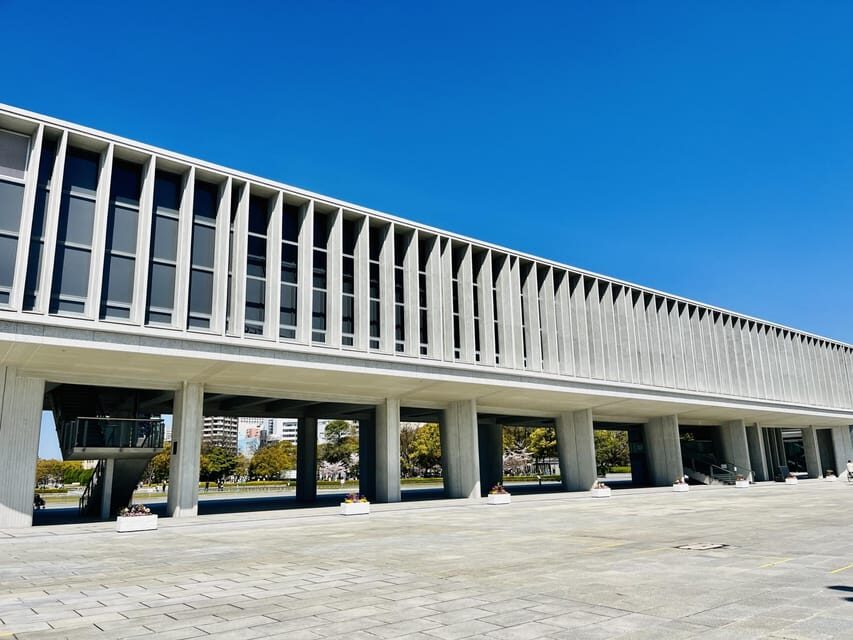
The tour finishes at the Hiroshima Peace Memorial Museum. Even though the guided walking portion ends there, this is a smart design choice. You’re not left with just a set of landmarks and a shrug. You finish with momentum.
I recommend stepping into the museum while the story is still fresh in your head. The tour’s earlier context helps the museum feel less like a random wall of information and more like the next chapter in a storyline you already started.
If you’re visiting Hiroshima for the first time, this finish spot can save you time and confusion. You already know where you are in the narrative, so you can focus on what you want to learn more deeply.
Price and time: is $35 value for 150 minutes with a guide?
For $35 per person, you’re paying for a guided walkthrough of multiple major landmarks, totaling about 150 minutes. That price can feel “too low” for a tour that covers big, high-impact sites, especially compared with standard paid sightseeing experiences that are often shorter or less story-driven.
The value comes from three things:
- You get context before the memorials, which helps your learning stick.
- You get an English guide, so you can ask questions and follow explanations in real time.
- You get an efficient route, moving you through several key stops without wasting time figuring out what connects to what.
Also, this tour seems designed for a practical pace. People mention that the time moves quickly, and that fits a theme-focused walking route well. You’ll spend your limited Hiroshima hours with structure, not wandering.
Who this tour suits best (and who might want a different plan)
This is a strong fit if you want to understand why Hiroshima was targeted and how the city now tells that story through its landmarks. You’ll enjoy it most if you like guided interpretation and you’re happy to deal with heavy topics in a respectful way.
It’s also a good match for first-timers because it covers the major sites that make Hiroshima feel like Hiroshima. If you’re the type who likes having a plan, you’ll appreciate that the guide leads you stop to stop with clear pacing.
If you’re looking for a light, casual day of photos and food, this might feel too intense. The tour theme is confrontational by nature. But if you’re ready for that, the structure helps you process rather than just react.
Finally, the route is listed as wheelchair accessible. If you or someone in your group needs accessibility support, this is one of the easier ways to experience the key memorial area with a guide rather than trying to manage everything alone.
Small-group energy and guide impact: why some tours feel life-changing
A big reason this tour earns such strong ratings is the guide experience. People repeatedly call out guides like Chihiro, Thomas, and Emi, praising how they explain history clearly in English and how they answer questions patiently.
One theme that shows up again and again is the guide’s ability to connect the official story with human perspective. Some guides describe Hiroshima from lived experience, and that adds a layer of honesty that you can’t easily get from self-guided routes.
There’s also practical help that makes the day easier. Several participants mention food recommendations and even assistance with restaurant reservations. Even if you don’t need that, it’s a nice bonus after the tour, when you’re mentally tired and want dinner without hunting for options.
And yes, you do get photo opportunities along the way. But the photos feel more meaningful because you know what each stop is communicating.
Should you book the Hiroshima Why the A-bomb Was Dropped walking tour?
If you’re visiting Hiroshima and want more than a “see the sites” checklist, I think this is worth booking. It gives you a guided route across the biggest landmarks, with a story-focused approach that helps you understand the city’s wartime significance and the aftermath that followed.
Book it if you:
- want an English guide and real-time Q&A
- plan to visit the Peace Memorial Museum and want context first
- prefer a paced walking structure over solo navigation
Consider a different option if you:
- need a lighter day and aren’t emotionally ready for the theme
- hate guided talking and would rather read everything at your own speed
FAQ
Where is the meeting point for the Hiroshima tour?
Meet in front of the Hiroshima Gokoku-jinja Torii Gate near the main hall.
How long is the walking tour?
The tour lasts about 150 minutes.
What does the tour cost?
The price is $35 per person.
Is the tour guided in English?
Yes. It’s a live English tour with a guide.
What’s included in the price?
A guided tour is included.
Can I reserve now and pay later?
Yes. You can reserve and pay later, keeping your travel plans flexible.
What is the cancellation policy?
Free cancellation is available up to 24 hours in advance for a full refund.