REVIEW · HIROSHIMA
Peaceful Hiroshima & Miyajima UNESCO 1 Day Bus Tour
Book on Viator →Operated by Japan Panoramic Tours · Bookable on Viator
Hiroshima hits. Miyajima helps you breathe. This one-day bus tour strings together peace sites and UNESCO-style island scenery without the hassle of planning tickets and routes yourself. With guides like Rino, Momiji, Marin, or Mo, the day tends to feel structured but still human—information up front, time to look, and a sensible pace.
I especially like that your admission fees and the round-trip ferry are built in, so you can spend your brain on what you’re seeing. I also like the small-group feel (up to 45 people) plus the multilingual audio inside the bus, which makes it easier to follow even if your Japanese is still… under construction.
The main thing to consider is crowd flow. The Peace Memorial area can get busy, and even with a guided plan, you may face bottlenecks on walkways at peak times.
In This Review
- Key Things I’d Plan Around
- Why This Hiroshima and Miyajima Day Tour Works So Well for Limited Time
- Getting On the Bus at 10:00 and Knowing What the Day Feels Like
- Hiroshima Stop 1: Atomic Bomb Dome—A Preserved Ruin You Can’t Treat Like a Usual Sight
- Hiroshima Stop 2: Peace Memorial Park—Walk the Space, Feel the Purpose
- Hiroshima Stop 3: Peace Memorial Museum—Personal Stories and Photographs That Land
- A quick seasonal note
- The JR Nishinihon Ferry: The Bridge From Remembrance to Island Views
- Miyajima Stop: Free Time and the Okonomiyaki Lunch Option
- Itsukushima Shrine: The Red Gates Over Water That People Really Come For
- Daishoin Temple: Jizo Statues and Rainbow Costumes for a Calmer Finish
- Price and Value: Is $129.25 a Good Deal for This Hiroshima and Miyajima Route?
- Who Should Book This Tour (and Who Might Want a Different Plan)
- My Booking Verdict: Should You Choose This Peaceful Hiroshima & Miyajima Tour?
- FAQ
- What’s included in the price?
- What time does the tour start, and how long is it?
- Where do I meet the group?
- Do I need to bring ferry tickets or museum tickets?
- Is lunch included, and is there a vegetarian option?
- What if the Hiroshima Peace Memorial Museum is closed?
Key Things I’d Plan Around
- Guides that set the tone: many reviews call out energetic, organized commentary and a respectful approach at the museum
- Entrance fees + ferry included: you avoid ticket juggling and can keep moving through the day
- A split personality itinerary: heavy WWII remembrance in the morning, then Miyajima’s sea shrine views in the afternoon
- Audio guide support on the bus: English plus several other languages, so the story doesn’t stop at street level
- Lunch is optional, and vegetarian-friendly: an okonomiyaki option is available with specific dietary rules
Why This Hiroshima and Miyajima Day Tour Works So Well for Limited Time
If you only have one day in the region, this tour is built for that reality. You get transportation by comfortable air-conditioned coach, a guide to connect the dots, and a route that hits the most important Hiroshima area stops—then flips over to Miyajima for contrast.
The value comes from bundling. You’re not just paying for a seat on a bus. You’re paying for a guided route with museum entry, Itsukushima Shrine admission, and the ferry ride that gets you to the island. That matters when you’re short on time and don’t want to spend the day hunting for tickets.
One more smart detail: the day includes both a major memorial site and a major cultural landscape site. That gives your trip shape. You’re not bouncing around randomly—you’re following a story.
A few more Hiroshima tours and experiences worth a look
Getting On the Bus at 10:00 and Knowing What the Day Feels Like
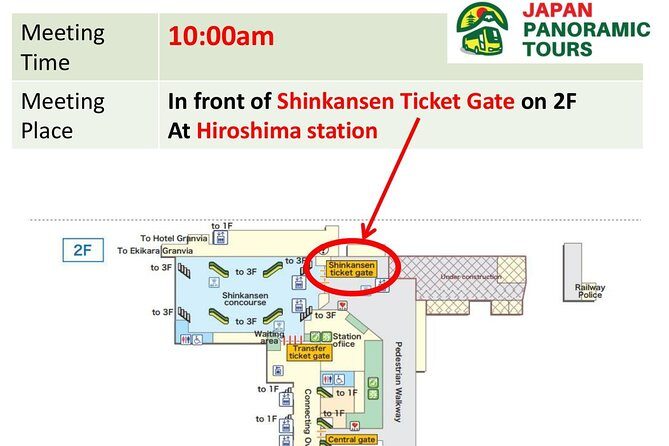
The tour starts at 10:00 am, and it ends back at the meeting point. There’s no hotel pickup, so you’ll want to reach the meeting location by public transportation. The listed meeting point is Currency Exchange Japan in Hiroshima (Minami Ward, Matsubarachō).
A few practical comfort perks are included. The bus is air-conditioned, you can use free Wi‑Fi on board, and you get a multilingual audio guide system inside the coach. That audio includes English plus French, Spanish, Italian, German, Portuguese, Ukrainian, and others—so you’re not stuck trying to translate everything through small moments.
Group size is capped at 45 travelers. That’s large enough to feel like a real tour, but small enough that the guide can still manage the flow. Many reviews highlight how well guides keep everyone engaged without making it feel chaotic.
Hiroshima Stop 1: Atomic Bomb Dome—A Preserved Ruin You Can’t Treat Like a Usual Sight
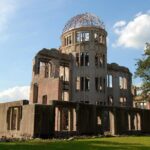
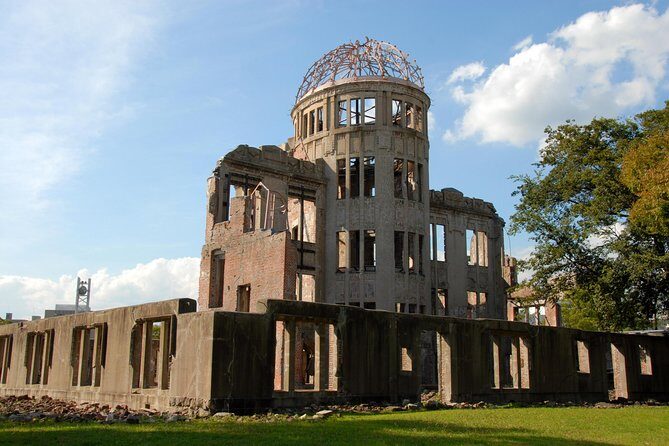
The morning begins at the Atomic Bomb Dome, identified on the route as a preserved ruin near the atomic bombing epicenter on August 6, 1945. It’s free to enter, and you’ll have about 15 minutes here.
What makes this stop so powerful is how fast your eyes catch up. You’re looking at something that survived as a ruin and stayed visible through decades. Even if you know the basics, this kind of landmark forces you to slow down for a second and think in real space.
A short stop can feel too brief if you want to read every panel, so I suggest treating the time like a first glance. Focus on the dome itself, then let your guide’s context do the heavy lifting.
Hiroshima Stop 2: Peace Memorial Park—Walk the Space, Feel the Purpose
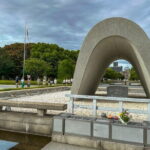
Next comes Hiroshima Peace Memorial Park with about 35 minutes on the ground. Entry is free, and the park is set up to commemorate the victims of the bombing on August 6, 1945, with key monuments in the area.
This is where your brain starts organizing the day. The Atomic Bomb Dome is a single landmark. The park turns that landmark into a place—an intentional environment for remembrance.
The layout can funnel people. If you’re sensitive to crowd pressure, you may prefer keeping a little extra patience here. One review described crowd congestion and one-way crowd flow that made it hard to see exhibits closely. It’s not guaranteed that you’ll experience that level of crowding, but it’s real enough to plan for.
Hiroshima Stop 3: Peace Memorial Museum—Personal Stories and Photographs That Land
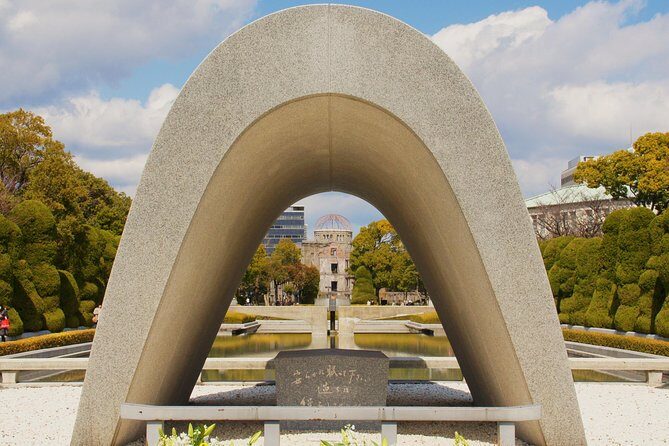
Then you’ll go to the Hiroshima Peace Memorial Museum for about 1 hour, and admission is included. The museum opened in 1954 and includes over 50 peaceful monuments, with exhibits featuring personal stories, photographs, and artifacts connected to the horror of the attack.
This is the stop that tends to reshape the day for many people. It’s sobering in a way that’s hard to describe without turning it into a spoiler. But if you’re going to Hiroshima, this is the part that helps history become more than a textbook event.
If you’re the kind of visitor who likes to take breaks, this is also the easiest place to do it. You can step back, read one story at a time, and pace yourself. Guides in the tour’s reviews are often praised for being respectful and helping the group stay focused during emotional moments.


A quick seasonal note
From February 16 to 21, 2026, the Hiroshima Peace Memorial Museum is closed for exhibit replacement. During that period, the tour will visit an alternative site: the Hiroshima National Peace Memorial Hall for the Atomic Bomb Victims. No refunds are issued for this substitution, so it’s worth checking if your dates land in that window.
The JR Nishinihon Ferry: The Bridge From Remembrance to Island Views
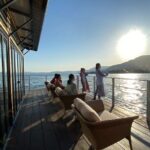
After Hiroshima, you head to Miyajima by ferry. You’ll spend about 20 minutes at the JR Nishinihon Miyajima ferry step for the round trip included on the tour.
This ferry segment does two things for your day. First, it gives your body a reset after the memorial hours. Second, it moves you into a completely different atmosphere—sea air, open views, and that “now we’re actually on an island” feeling.
It’s also a handy time to get your bearings. When you return from the island, you’ll go back as a group, so you’re not worrying about schedules or which dock is which.
Miyajima Stop: Free Time and the Okonomiyaki Lunch Option
On Miyajima you get about 50 minutes of island time, and this is where the tour can include lunch depending on your selection. If you booked the lunch option, it’s okonomiyaki on Miyajima Island.
Okonomiyaki is Hiroshima-style savory pancake territory, and the tour notes the contrast with Osaka-style preparation. For your practical planning, what matters most is this: the lunch option is vegetarian-friendly with rules—no pork, no seafood, but yes eggs and yes gluten.
One extra detail that’s useful for picky eaters: the tour says there’s no allergy-free lunch option. If you have a severe allergy, you’ll want to choose the without-lunch option and bring your own food.
If you prefer more flexibility, you can treat this stop as your “wander and snack” window—especially if you like markets and street-food style eating. The guide will help you stay oriented so you don’t burn your time chasing the wrong lanes.
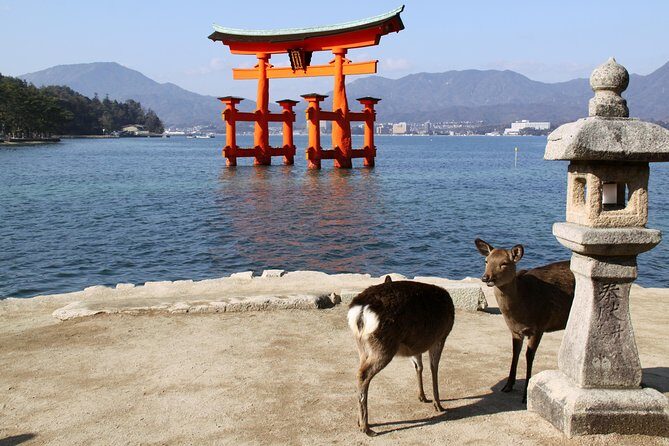
Itsukushima Shrine: The Red Gates Over Water That People Really Come For
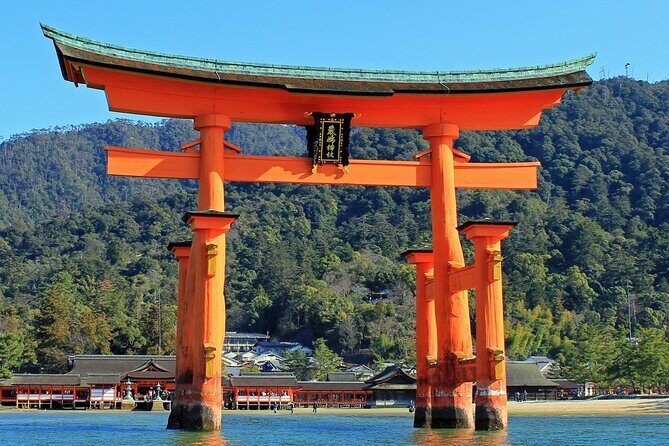
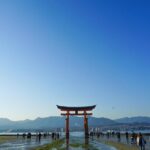
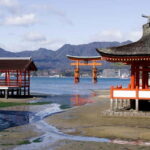
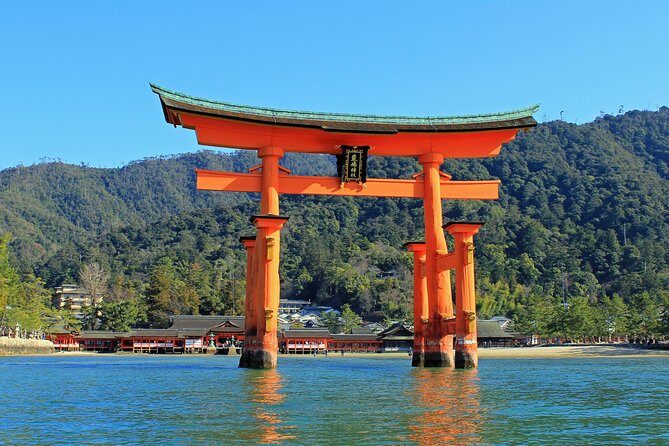
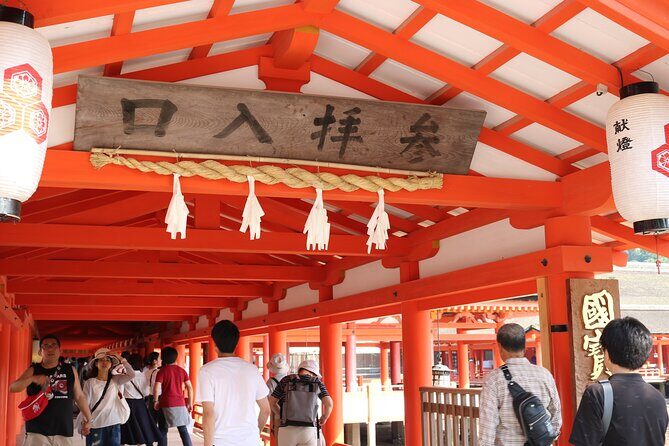
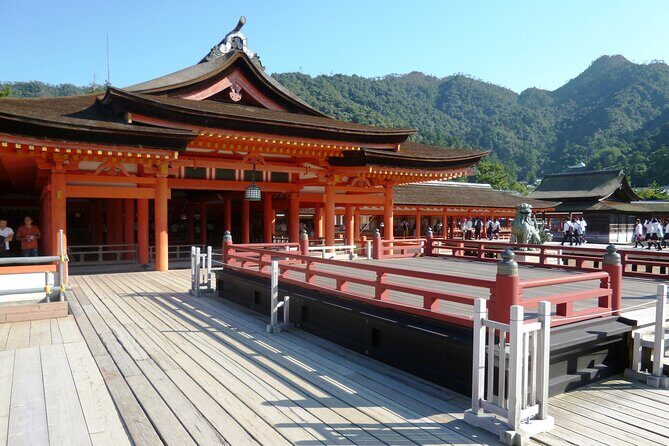
The highlight of Miyajima is Itsukushima Shrine, with around 50 minutes on site and admission included. The tour explains the shrine’s story: it was built in 593, with major rebuilding in 1168 by Kiyomori Taira.
The shrine is built out over the sea, tied to ancient beliefs that Miyajima was connected to a goddess. In plain terms: it’s visually dramatic. The red gates and sea setting create a “floating” effect that’s easy to understand once you’re there.
Here’s how I’d use your time. Don’t only take photos. Take a slow circuit around your view points. The structure rewards patience because the shoreline and water perspective keep shifting as people move.
Also remember: the order of stops can change depending on traffic, weather, and operations. So if you’re chasing one specific lighting mood, keep your expectations flexible.
Daishoin Temple: Jizo Statues and Rainbow Costumes for a Calmer Finish
To round out Miyajima, you’ll visit Daishoin Temple for about 30 minutes. Admission is free, and it’s described as photogenic beyond Itsukushima Shrine.
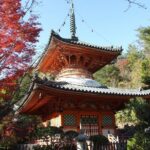
The tour highlights Jizo guardian statues in rainbow-colored costumes, plus a relaxing Buddha statue and many lanterns to spot as you walk. If you’ve had enough of heavy emotion for one day, this is a good closing act: still spiritual, but calmer in tone.
This is also a spot where a short visit works. You’re not trying to win a marathon. You’re taking in colorful details, and you’re saving enough energy for the ferry ride back.
Price and Value: Is $129.25 a Good Deal for This Hiroshima and Miyajima Route?
At $129.25 per person for around 8 hours, the big question is what you’re really buying. You’re buying convenience with real inclusions.
From the tour details, the price covers:
- An English-speaking local guide
- Multilingual audio on the bus
- An air-conditioned coach
- Museum and shrine admissions
- Round-trip ferry tickets to Miyajima
- A lunch option if selected (including a specific vegetarian set-up)
For many travelers, the biggest value is that you don’t need to assemble the day yourself. Even if you’re capable and organized, buying tickets, aligning transport, and figuring out ferry timing adds stress. This tour basically strips that stress away.
And because the day is focused—Hiroshima morning, Miyajima afternoon—it’s the kind of plan that helps you avoid the dreaded half-day regret. You won’t feel like you only saw one or two landmarks.
Who Should Book This Tour (and Who Might Want a Different Plan)
This tour fits best if you:
- Want a one-day hit of Hiroshima plus Miyajima
- Appreciate a guided explanation for WWII remembrance
- Prefer a structured day with admissions handled
- Are okay with a moderate amount of walking and standing for short time windows at each stop
- Like the idea of a bus day with audio support
It might not be ideal if:
- You get overwhelmed by dense crowds, especially around memorial areas
- You want to linger long hours inside museums or on the island without strict time blocks
- You need a truly allergy-free meal option (the lunch notes no allergy-free lunch)
My Booking Verdict: Should You Choose This Peaceful Hiroshima & Miyajima Tour?
I’d book this tour if you want maximum meaning per hour. It’s not just sightseeing. The morning is built around Hiroshima remembrance through the Dome, Peace Park, and the museum’s personal-story approach. Then the afternoon shifts gears to Miyajima’s sea shrine setting and temple details that feel lighter without being trivial.
If you’re the type who likes control and long, slow wandering, you might prefer a DIY day. But if you want to show up, get guided context, pay for what you need, and move through the day without friction, this is a solid pick.
FAQ
What’s included in the price?
The tour price includes an English-speaking local guide, air-conditioned transportation, multilingual audio on the bus, entrance fees for the Hiroshima Peace Memorial Museum and Itsukushima Shrine, and round-trip ferry tickets to Miyajima. A lunch option is included only if you select it.
What time does the tour start, and how long is it?
It starts at 10:00 am and runs about 8 hours (approx.). The tour ends back at the meeting point.
Where do I meet the group?
You meet at Currency Exchange Japan in Hiroshima (Minami Ward, Matsubarachō). The activity ends back at the same meeting point.
Do I need to bring ferry tickets or museum tickets?
No. The tour includes the round-trip ferry ride to Miyajima and the admission to the Hiroshima Peace Memorial Museum and Itsukushima Shrine.
Is lunch included, and is there a vegetarian option?
Lunch is included only if you choose the lunch option. The lunch is described as vegetarian with no pork and no seafood, and it includes eggs and gluten. If you have severe allergies, the tour notes there is no allergy-free lunch, so you should choose without lunch and bring your own food.
What if the Hiroshima Peace Memorial Museum is closed?
From February 16 to 21, 2026, the Hiroshima Peace Memorial Museum will be closed for exhibit replacement. During those dates, the tour visits the Hiroshima National Peace Memorial Hall for the Atomic Bomb Victims instead, and no refunds are issued for this change.