REVIEW · HIROSHIMA
Hiroshima & Miyajima 6.5h Guided Tour – Dome, Park & Shrine
Book on GetYourGuide →Operated by Cornwall Ltd · Bookable on GetYourGuide
Miyajima’s torii gate and Hiroshima’s Peace Park in one day. That mix is why this tour works so well: you get the spiritual calm of Itsukushima Shrine, then you turn a corner and face the history of the Atomic Bomb Dome and the surrounding memorial grounds. I also love the way the day is paced in two halves, with real walking and photo time instead of a speed-run.
My other big plus is the human side of the tour. You’re with an English-speaking guide in a small group (up to 10), and guides often bring personal Hiroshima context, not just dates. One consideration: the Peace Memorial Museum can be skipped if it’s closed (Feb 16 to Feb 21), so plan around that if you travel then.
In This Review
- Key highlights worth making room for
- Starting at Hiroshima Station North Exit: where the day really begins
- The ferry to Miyajima: a short ride with big atmosphere
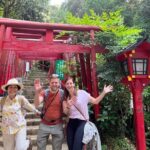
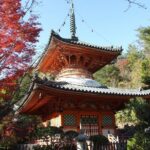
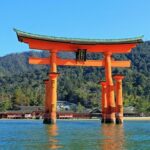
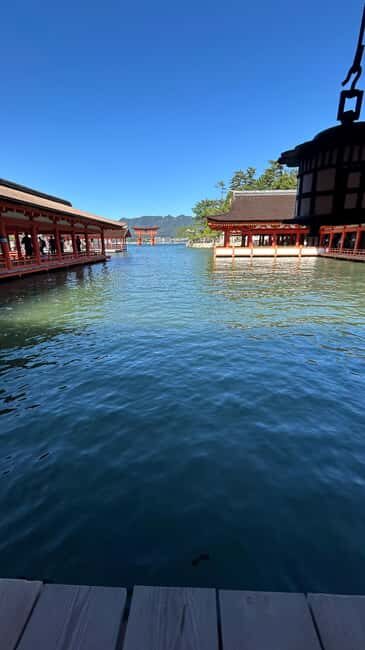
- Itsukushima Shrine: the torii moment and what the guide adds
- Omotesando Shopping Street: quick bite energy between sacred sites
- Back to Hiroshima: Atomic Bomb Dome photo stop to Peace Park walk
- Peace Memorial Museum: what you’ll get, and what to plan if it’s closed
- Small group energy (max 10): why your questions get answered
- Price and value: what $96 buys you (and what you still pay)
- Practical tips that will make the day feel easier
- Who this tour fits best (and who should skip it)
- So, should you book this Hiroshima and Miyajima half-day?
- FAQ
- How long is the Hiroshima and Miyajima guided tour?
- Where do I meet the guide?
- What language is the tour guide?
- What major sites are included?
- Is the Peace Memorial Museum always visited?
- What’s included in the tour price?
- What is not included?
- How large is the group?
- Do I need cash?
- Is this tour suitable for wheelchair users or very young children?
Key highlights worth making room for
- Two UNESCO icons in one outing: Itsukushima Shrine and the Atomic Bomb Dome
- A guided Miyajima stretch with ferry views, plus time on Omotesando Street
- Peace Memorial Park monuments walk that helps you connect the names to the place
- Peace Memorial Museum visit included on normal days (about an hour there)
- Small-group focus: easier questions, less waiting in crowds
- Practical local guidance: meeting point clarity and a guide you can spot fast
Starting at Hiroshima Station North Exit: where the day really begins
This tour starts at Hiroshima Station, and the meeting point is specific enough to keep stress low. Go to the North Exit (the Shinkansen Exit area on the 2F level). Look for the benches in front of Midori no Madoguchi (JR Green Ticket Office), with a Starbucks directly opposite.
Why this matters: Hiroshima Station is busy, and an efficient meet-up means you lose less time before you even reach the ferry. Your guide is easy to spot too, wearing a bright fluorescent green band attached to their bag.
You’ll be on your feet for a good chunk of the day, so start with comfortable shoes. This is not the kind of tour where you can stroll lazily between stops.
You can also read our reviews of more guided tours in Hiroshima

The ferry to Miyajima: a short ride with big atmosphere
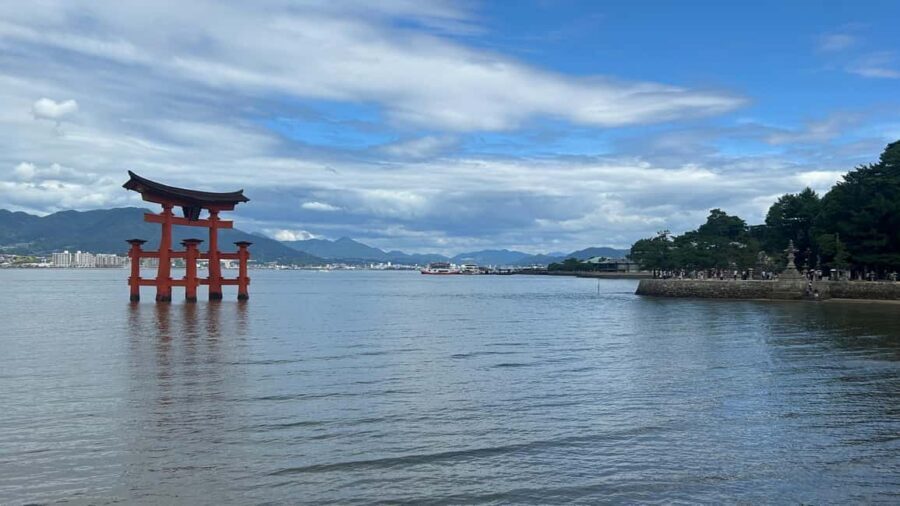
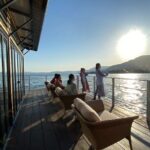
From Hiroshima, you’ll use public transit: a train segment and then a ferry ride to Miyajima Island. Even if you only spend a short time there, the ferry is one of the best parts because it gives you breathing room between two very different parts of your day.
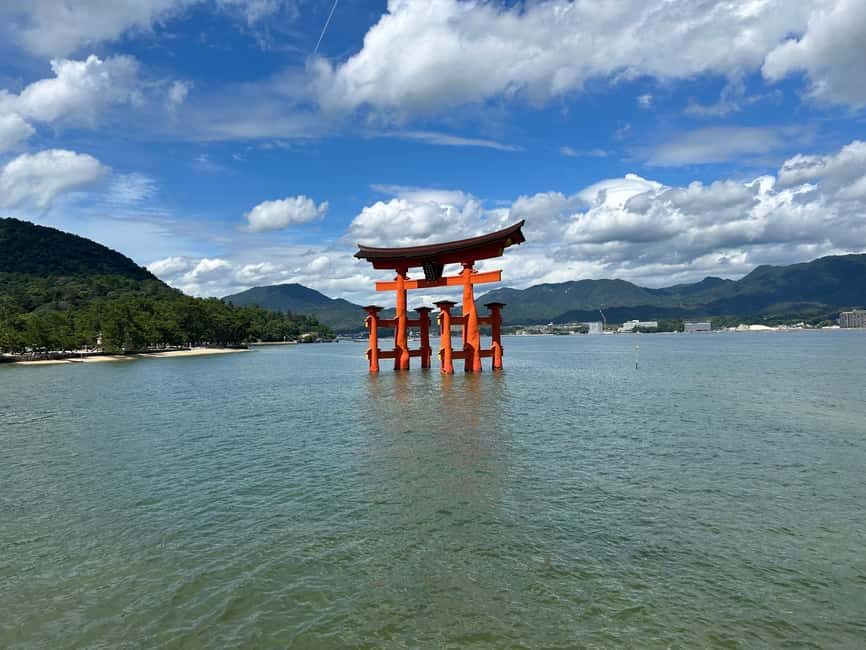
You also get a visual preview of what Miyajima is famous for: the coastline, the feeling of being slightly removed from the city, and—depending on conditions—the waterline that frames the shrine area.
One practical note you should actually care about: tide affects how the torii gate looks. The iconic scene is the torii appearing to float, but timing changes the view. This is one of those things you can’t control, so think of it as part of the island experience rather than a guarantee.
Itsukushima Shrine: the torii moment and what the guide adds
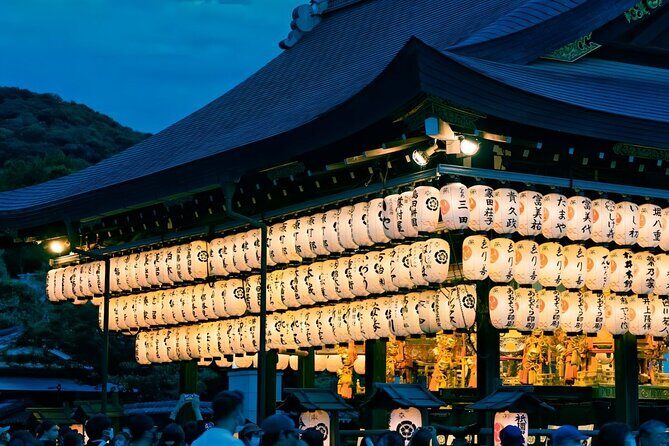
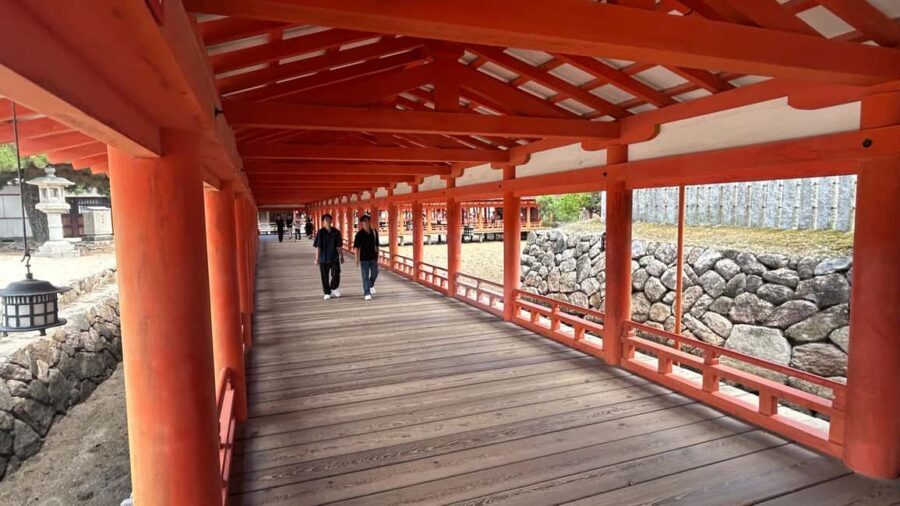
At Itsukushima Shrine, you get both time to look and guided context. You’ll have a photo stop plus a guided tour, with about 80 minutes for shrine area sightseeing.
What to expect:
- You’ll come in expecting the red torii gate view, but the guide helps you understand why this shrine setting is so iconic.
- You’ll be moving through shrine grounds where the atmosphere feels different from the street-level shopping area later.
The value here isn’t just seeing a landmark. It’s learning how a place can be both a living religious site and a World Heritage destination. That context can make your photos more meaningful, not just pretty.
And yes, Miyajima can feel crowded. When it is busy, follow your guide’s rhythm. It’s usually the best way to get your best angles without wasting time inching forward.
Omotesando Shopping Street: quick bite energy between sacred sites
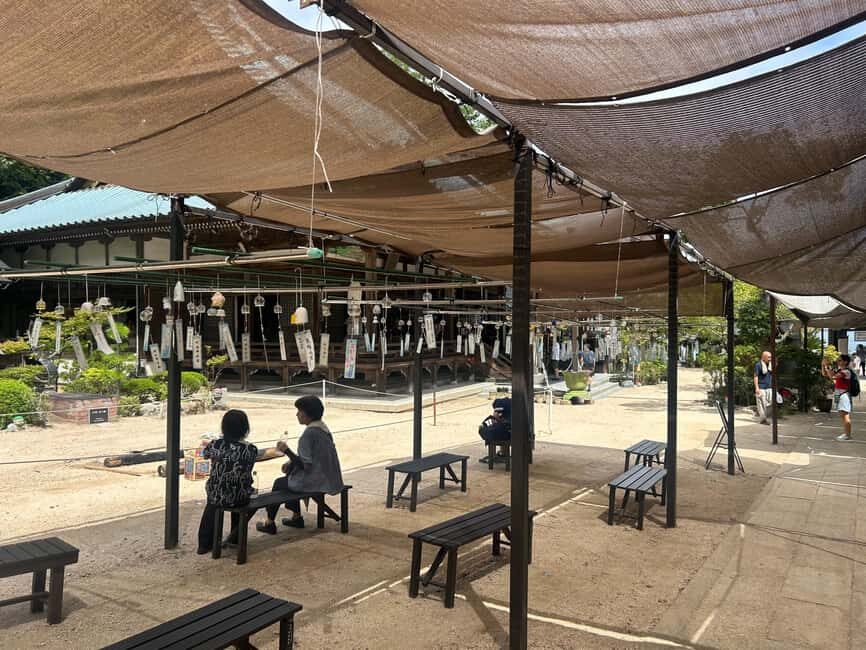
After Itsukushima Shrine, you head to Miyajima’s Omotesando Shopping Street. You’ll get a break with guided time and then free time, with about 45 minutes in this area.
This is where you’ll see the island’s everyday side:
- snack stalls and small shops
- souvenir shopping
- lots of visitors moving as a group
What to look for (and why it fits the tour): this is where you can try local island favorites like oysters and momiji manju (maple leaf-shaped cakes). The tour gives you just enough time to sample something without turning your afternoon into a shopping marathon.
My practical tip: if you care about a specific snack, decide early. The line and crowd flow can shift fast, and you don’t want to spend your free time sprinting between stalls.
Back to Hiroshima: Atomic Bomb Dome photo stop to Peace Park walk
After Miyajima, the day shifts hard into Hiroshima’s memorial history. You’ll return by ferry and train, then head to the Atomic Bomb Dome. You’ll have about 30 minutes for a photo stop and a guided tour.
This stop is short by design, but it’s not shallow. With the guide’s narration, the Dome becomes more than a famous photo. You’ll be connecting a physical structure to the wider memorial landscape you’ll walk next.
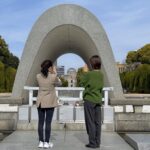
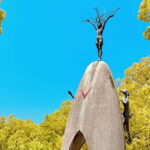
Then you’ll move into Peace Memorial Park for about 40 minutes. This section includes photo stops and guided sightseeing around key monuments. Expect to slow down a little here, even if you’re moving on a schedule. The area is built for remembrance, and you’ll feel that shift the moment you step into the park.

Peace Memorial Museum: what you’ll get, and what to plan if it’s closed
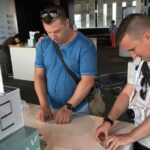
The Peace Memorial Museum is included on normal days, with about one hour on site. You’ll get a photo stop, guided tour time, and sightseeing around the exhibits.
This is often the emotional centerpiece of the day. I like tours that don’t rush you through the museum alone, because the guide helps you focus on what the displays are actually trying to communicate. One review highlight (from past groups on this tour) was how powerful the museum felt—so if this is your main reason for choosing the day trip, keep that in mind: your time there is meaningful, but it’s still one hour.
Important timing note you must know: the Peace Memorial Museum is closed from February 16 to February 21. During that window, the museum visit will be skipped, but the tour continues to other planned locations.
If you’re traveling in those dates and the museum is essential for you, double-check your plans. In that week, you’d be choosing a slightly different experience than the one the schedule usually gives.
Small group energy (max 10): why your questions get answered
A big reason this tour lands well is the small-group size. With up to 10 people, you tend to get better attention at photo stops and at the points where questions actually matter—like what you’re seeing, what to look for next, and how to connect the sites.
Guides also vary by day, but several names show up in highly rated experiences. For example:
- Shion, described as a Hiroshima local and descendant of families affected by the atomic bombing, shared a very personal, careful perspective.
- Bo, noted for strong English and clear facts.
- Hayato, Lena, Rei/Rea, Angel, Kana—all mentioned for friendly help and staying on track.
You should not expect every guide to share the same personal angle, but you can expect a guided tone that focuses on understanding, not just checking boxes.
One other thing I like: guides often help with the practical side too, like getting people oriented when things happen fast (missed directions, quick needs, or getting back to transport on time).
Price and value: what $96 buys you (and what you still pay)
At $96 per person for a 390-minute (6.5-hour) guided outing, the headline value is the mix of:
- a local English guide
- admission fees included
- guided time at two major UNESCO sites
But there’s a catch to keep things honest: transportation and meals are not included in the price. That means you should budget extra for train and ferry fares and also plan to eat on your own. The tour also asks you to bring cash in Japanese yen for transportation and purchases.
So is it worth it?
- If you want Hiroshima’s top memorial sites plus Miyajima in one coordinated day, you’re paying for reduced stress and guided context.
- If you already know how to navigate trains and ferries easily and you’d rather go at your own pace with a guide you hire separately, then this might feel pricier than an DIY plan.
For most visitors, this price works because it removes the planning overhead and gives you structured time at exactly the sites that are hardest to prioritize alone.
Practical tips that will make the day feel easier
This is a walking-and-transit day, so a few details matter more than they seem.
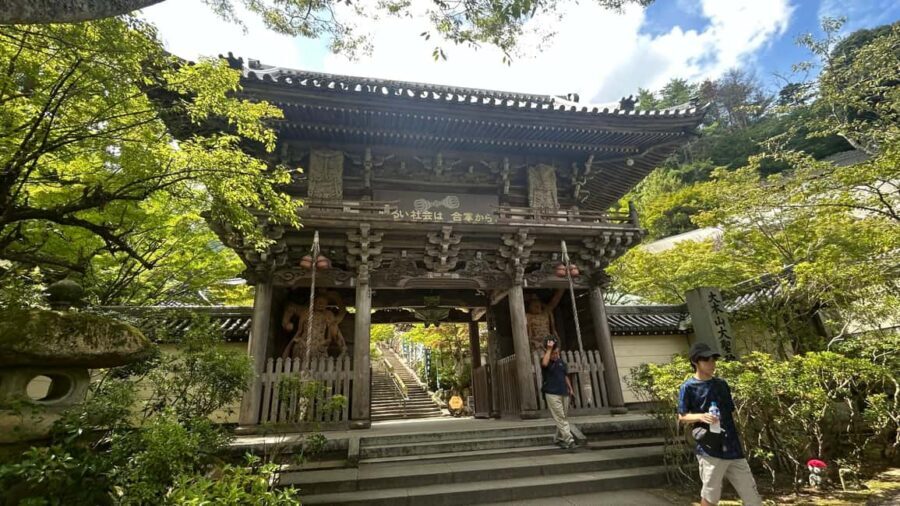
Wear: comfortable walking shoes. The schedule includes extended walking in shrine and memorial areas.
Bring: cash. You’ll want yen for transport and shopping/snacks.
Plan for weather: the tour operates rain or shine, so pack a light rain layer if your forecast looks questionable.
Expect crowds: Miyajima and parts of Peace Park can be busy, especially around photo moments and during peak hours.
Tide is not optional: if you’re chasing the torii gate look, know that tide levels can change the appearance. You’ll still see the shrine setting either way, but it won’t always look identical.
And one more practical point: the tour finishes at the Hiroshima Peace Memorial Museum. If you need to head to your next destination right after, plan your timing accordingly.
Who this tour fits best (and who should skip it)
This tour is a strong choice if:
- you want a guided day covering Hiroshima’s memorial core plus Miyajima’s famous shrine
- you prefer small-group movement over large bus tours
- you like having time for both structured viewing and some free shopping/snack time
It’s not suitable for:
- children under 6
- wheelchair users
- people with mobility impairments
- anyone traveling with oversize luggage or pets
The tour also restricts certain items like electric wheelchairs, so if accessibility is a concern for you, you’ll want to look for an alternate format.
So, should you book this Hiroshima and Miyajima half-day?
If you’re short on time in Hiroshima and you want the real highlights without figuring everything out yourself, I’d book it. The best reason is simple: you get a well-organized bridge between two UNESCO experiences that feel totally different—Miyajima’s spiritual setting and Hiroshima’s memorial focus—plus you’ll have a guide to connect the dots.
I would hesitate only if:
- you’re traveling during Feb 16–21 and the Peace Memorial Museum is a must-do for you
- you need very flexible pacing (the day is structured, with limited stop durations)
- mobility is an issue, since the tour is not designed for wheelchair use
If those points don’t apply, this is a solid, efficient way to see the places that define Hiroshima and Miyajima.
FAQ
How long is the Hiroshima and Miyajima guided tour?
It runs for 390 minutes (about 6.5 hours).
Where do I meet the guide?
Meet your guide at Hiroshima Station – North Exit (Shinkansen Exit, 2F level), on the benches in front of Midori no Madoguchi (JR Green Ticket Office). You’ll see a Starbucks opposite the ticket office.
What language is the tour guide?
The live tour guide provides the tour in English.
What major sites are included?
You’ll visit Itsukushima Shrine on Miyajima and Hiroshima’s Atomic Bomb Dome, Peace Memorial Park, and the Peace Memorial Museum (on normal operating days).
Is the Peace Memorial Museum always visited?
No. The Peace Memorial Museum is closed from February 16 to February 21, and the visit will be skipped during those dates while the tour continues as planned.
What’s included in the tour price?
The tour includes a local guided tour and admission fees.
What is not included?
Transportation and meals are not included in the tour price.
How large is the group?
The group is limited to 10 participants.
Do I need cash?
Yes. The tour says you should bring Japanese yen in cash for transportation and purchases.
Is this tour suitable for wheelchair users or very young children?
No. It’s not suitable for children under 6, wheelchair users, or people with mobility impairments.