REVIEW · HIROSHIMA
Hiroshima and Miyajima 1 Day Walking Tour
Book on Viator →Operated by H.I.S.Co., Ltd. · Bookable on Viator
Two icons in one outing: Itsukushima Shrine and the Atomic Bomb sites. I like how this tour keeps the day leisurely while still packing in the major World Heritage and memorial stops. The other big plus is the English-speaking guide, often tailoring the pace and route so it feels personal, not like a script. One thing to consider: you are walking, and there are steps, so comfy shoes matter.
You’ll start with Miyajima (famous for the torii that looks like it floats at high tide), then head back to Hiroshima for the Peace Memorial Park and Museum. Expect an 8-hour rhythm built around ferries, local trains/buses, and time to actually look—not just pose and move on. The tour is private, so it’s only your group.
In This Review
- Key points before you go
- How this 8-hour walking tour really plays out
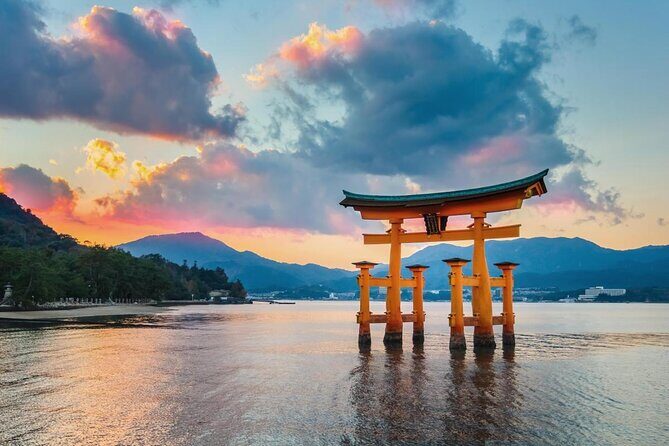
- Miyajima: where the torii feels like it’s in the water
- Itsukushima Shrine: more than a postcard
- Hiroshima’s Atomic Bomb Dome: the place people pray for peace
- Peace Memorial Park: the city’s moral center
- Peace Memorial Museum: facts, design, and human stories
- Transport and pacing: why the included tickets matter
- What you’re paying for: value vs. what to budget
- Who this tour suits best (and who should tweak expectations)
- Booking checklist: make the day smoother
- Should you book this Hiroshima and Miyajima walking tour?
- FAQ
- What sites does the tour include?
- Is lunch included?
- How do admissions work for the main attractions?
- Is this a private tour and is the guide in English?
- What transportation is included for getting around?
- What if I cancel or the weather is poor?
Key points before you go
- A private, 8-hour walk that targets the top Miyajima and Hiroshima sites without rushing.
- Round-trip ferry between Hiroshima and Miyajima is included, so you’re not hunting schedules.
- World Heritage first in Miyajima, including Itsukushima Shrine and the island’s famous torii area.
- Peace Memorial sites with context, including the park and museum with included entry.
- English guides who adjust on the fly, with frequent praise for strong English and thoughtful storytelling (guides like Aya and Joe-san come up often).
- Food is on your own, but your guide can help you land on a good lunch spot and local snacks.
How this 8-hour walking tour really plays out
This is a full-day, on-the-ground tour that links Miyajima’s sacred island vibe with Hiroshima’s sobering peace-focused landmarks. The schedule is built to let you shift gears: first the beauty and symbolism of Itsukushima, then the gravity of the Atomic Bomb Dome and the Peace Memorial Museum.
A big value here is that you don’t have to piece together transport between islands and city sights. The tour includes the round-trip ferry and the local train/bus within Hiroshima, plus your guide. So you can focus on seeing, not solving logistics.
The day is about “arrive, walk, look, learn.” You’ll spend about 1.5 hours in Miyajima, then about an hour at Itsukushima Shrine. In Hiroshima, you’ll pause at the Atomic Bomb Dome area, then spend time at Peace Memorial Park and finally the Peace Memorial Museum.
Two practical things I’d plan for:
- Timing and weather matter. Miyajima is famously photogenic, but the tour also depends on good conditions. If weather cancels it, you’ll get another date or a full refund.
- Emotional weight is part of the package. The museum is moving by design. Give yourself space to slow down and absorb.
You can also read our reviews of more walking tours in Hiroshima
Miyajima: where the torii feels like it’s in the water
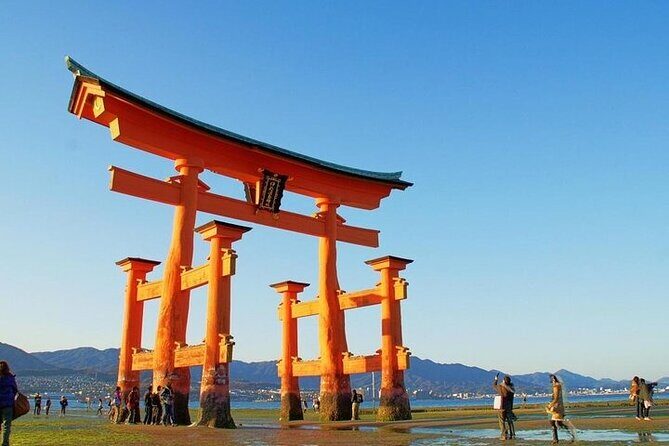
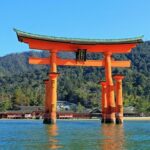
Miyajima is a small island just under an hour from Hiroshima by ferry, and it’s the kind of place where the setting does half the work. The headline attraction is the giant torii gate—at high tide it can look like it’s floating on the water. That visual is the reason so many first-timers come here, and it’s one of the few times Japan’s scale and framing really land instantly.
In the tour, Miyajima is your first major stop. You’ll get about 90 minutes on the island. That’s enough time to walk the main areas, soak in the atmosphere, and still keep your day from turning into a sprint. You also get a guide here, which helps because Miyajima can feel “obvious” from photos, but confusing on the ground—where to go, which route makes sense, and how to manage timing.
What you’ll enjoy most:
- The sense that Miyajima is a world you step into, not just a photo stop.
- The island pacing: it’s not about ticking boxes; it’s about wandering with purpose.
One drawback to note: your experience can vary a bit based on tide and general conditions. The tour handles timing, but you’re still working with the island’s natural rhythm.
Itsukushima Shrine: more than a postcard
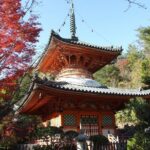
Itsukushima Shrine is the centerpiece of Miyajima and the reason the island’s name is known worldwide. On this tour, you’ll have about an hour specifically at the shrine area, and entrance is included.
Here’s what makes it special beyond the iconic waterfront view:
- The shrine’s atmosphere is tied to water and ceremony. Even if you’re not chasing religious details, the architecture and setting create a quiet, focused feeling.
- The guide’s context makes a difference. Many of the praised guides on this route—people like Sachi, Momoko, Miyuki, and Aya—are known for explaining the meaning behind what you see, not just pointing.
Also, remember: you’re on a working pilgrimage-style site. That means you’ll see people praying and walking through in a respectful way. This is one of those “slow down” moments where your guide’s pacing and route choices help you avoid feeling rushed.
If you’re short on time on your trip to Japan, this hour at Itsukushima is the right kind of stop: high impact, easy to enjoy, and it sets up the theme of peace for what comes next in Hiroshima.
Hiroshima’s Atomic Bomb Dome: the place people pray for peace
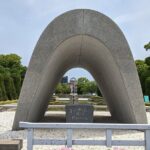
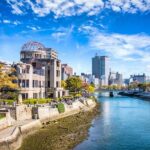
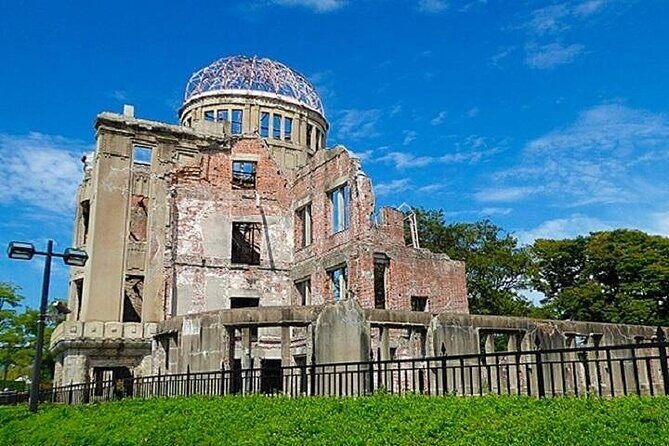
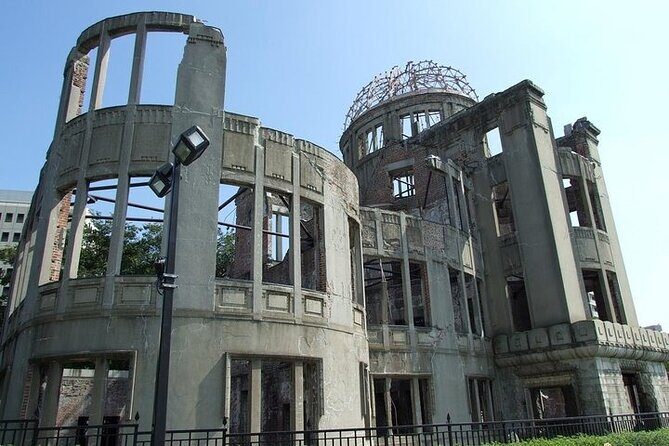
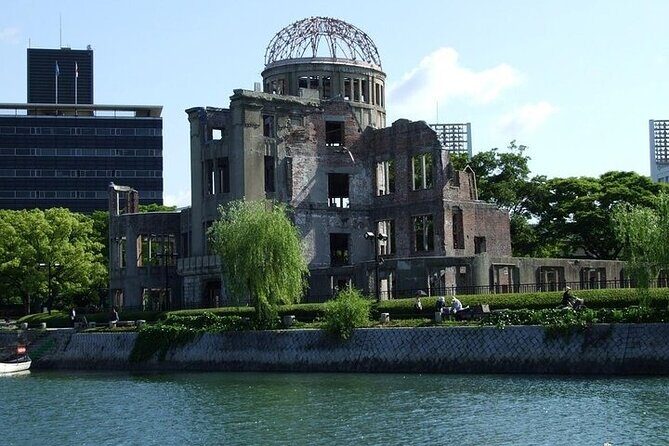
Back on the mainland, the Atomic Bomb Dome is a symbol of Hiroshima and a focal point for prayers for world peace. The timing marker matters here: at 8:15am on August 6, 1945, the first atomic bomb in human history was dropped on Hiroshima. The dome stands as a stark reminder of what that moment meant for real people.
On the tour, you’ll have about 30 minutes at this stop, and the site entry itself is free. That short visit can feel brief, but paired with a good guide, it works. The goal isn’t to “solve” the history in 30 minutes. It’s to put your eyes on the reality of the structure and then carry that weight into the park and museum.
What I like about this tour design:
- It doesn’t bury you in facts before you’ve seen the site.
- It then gives you room to process at the Peace Memorial Park and Museum right afterward.
If you prefer a lighter day in Hiroshima, this stop may feel heavy. If you’re there to understand the meaning of peace and history, this is exactly why the tour exists.
Peace Memorial Park: the city’s moral center
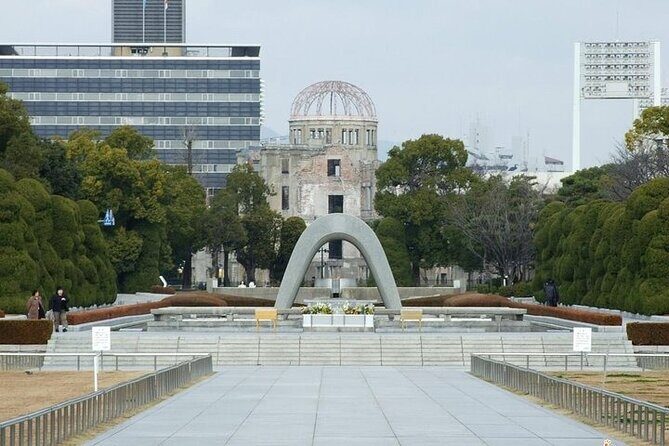
Peace Memorial Park is one of Hiroshima’s most prominent features, and it’s physically large—over 120,000 square meters. You’ll spend about an hour here. The park itself is free to enter, and it’s the space that turns the story from one building into a whole urban message.
This is where you get the gentle-but-clear transition from “what happened” to “what people built afterward.” Even if you came for the headline sites, the park has enough scale and layout that it becomes a narrative you can walk through slowly.
The practical win: you don’t have to figure out the order of things. A guide helps connect key markers so the park doesn’t become a random loop.
Where it may feel challenging: the park is reflective by nature. If you’re traveling with kids or anyone who gets overwhelmed, it helps to ask your guide to set a pace that works for your group.
A few more Hiroshima tours and experiences worth a look
Peace Memorial Museum: facts, design, and human stories
The Hiroshima Peace Memorial Museum is the biggest museum site related to the atomic bomb in the area. On this tour, museum admission is included, and you’ll have about an hour inside.
A few details that make the museum especially worth your time:
- It opened in 1955.
- It was designed by architect Tange Kenzo (1913–2005).
- It’s organized to communicate both documented history and the human impact.
This is the stop where a great English guide can be the difference between reading labels and actually understanding what those labels are saying. Many of the guides associated with this experience are praised for explaining history in an engaging, emotionally aware way. You’ll also find this museum naturally prompts questions: how people coped, what changed, and how the world tries to prevent repeats.
For your planning: if you’re sensitive to heavy material, take a short pause outside if you need it. You’re on a private group tour, and your guide can help you adjust the moment-by-moment pace.
Transport and pacing: why the included tickets matter
The itinerary works because it includes the stuff that usually costs time and attention:
- Round-trip ferry between Hiroshima and Miyajima
- Local train and bus within Hiroshima
- An English-speaking guide for the whole day
You’re also paying for the “glue” of the day: someone handles timing between island and city stops, and you don’t have to stand at stations reading screens while thinking about your next photo spot.
A lot of tours like this market the sites. This one also manages how you move through them. In the reviews, guides such as Joe-san and Aya are noted for flexible scheduling and helpful guidance if plans shift. That flexibility shows up in small ways: adjusting pace for the group, working around weather, and suggesting what to prioritize when time gets tight.
One thing to watch: lunch is not included. That doesn’t mean you’ll be hungry, but it does mean you’ll want a plan for when and where you eat. Many guides provide strong lunch recommendations, including local favorites like Hiroshima okonomiyaki, plus sweet snacks that Miyajima is known for.
What you’re paying for: value vs. what to budget
At $143.99 per person for an ~8-hour private walking tour, this sits in the “worth it if you care about the context” category. You’re not just buying tickets. You’re buying:
- ferry + local transport coverage
- an English-speaking guide
- included admissions at the shrine and museum
- a route that combines two very different sides of Hiroshima
Here’s the value angle that matters most: Hiroshima sites are best experienced with someone who can explain them clearly. Without a guide, you can still visit, but you’ll likely miss the connections—how the memorials relate to each other and what the museum emphasizes.
What you should budget separately:
- Lunch (not included)
- Any optional extra stops you request
- Anything you choose to add beyond the standard route
If you’re comparing prices, don’t just compare “number of attractions.” Compare time saved plus interpretive help. In Hiroshima and Miyajima, that help is the difference between visiting and understanding.
Who this tour suits best (and who should tweak expectations)
This tour is a strong fit if you:
- want a one-day highlight plan without spending your trip time on transit puzzles
- care about history but also want clear, human explanations
- like walking and don’t mind stairs
- want a private group experience instead of weaving through crowds
It may be less ideal if you:
- want total freedom with no structure (this tour does offer flexibility, but it’s still a guided route)
- are traveling with someone who can’t handle walking and steps
- prefer a purely light sightseeing day with no heavy content
The guides’ adaptability is a real selling point here. Many people mention guides adjusting the tour based on priorities and even helping with scheduling changes on the fly. That flexibility makes the experience feel less rigid and more like you’re being guided by a person who knows the city.
Booking checklist: make the day smoother
A few practical moves make a big difference:
- Wear comfortable shoes. You’re doing a walking tour, and the day includes steps.
- Bring a layer. Coastal and city conditions can shift.
- Have a lunch mindset. Since lunch isn’t included, you’ll want your guide’s suggestion ready or your own backup plan.
- Don’t overpack with expectations. This is not just a sightseeing lap; it’s a meaningful history day.
If you’re the type who likes to take photos, great. Just remember: at Peace Memorial sites, take time to look first, shoot second.
Should you book this Hiroshima and Miyajima walking tour?
If your goal is to see Miyajima and Hiroshima’s peace sites in one efficient day with an English guide who can put the places into context, I think this is a smart booking. The included ferry and transport help a lot, and the museum + shrine admissions mean you aren’t juggling extra costs mid-day.
Book it if you want your day to feel guided, calm, and meaningful. Consider a different option only if you’re avoiding heavy subject matter, need a mostly seated tour, or hate walking and stairs. For most first-timers to Hiroshima, this is one of the easiest ways to get both the beauty and the message.
FAQ
What sites does the tour include?
The tour includes Miyajima (including Itsukushima Shrine), the Atomic Bomb Dome area, Hiroshima Peace Memorial Park, and the Hiroshima Peace Memorial Museum.
Is lunch included?
No. Lunch is not included in the tour price.
How do admissions work for the main attractions?
Miyajima’s torii gate area is listed as free, Itsukushima Shrine admission is included, the Atomic Bomb Dome admission is free, and Hiroshima Peace Memorial Museum admission is included.
Is this a private tour and is the guide in English?
Yes. It’s a private tour for your group only, and it includes an English-speaking guide from Hiroshima.
What transportation is included for getting around?
The tour includes a round-trip ferry from Hiroshima to Miyajima and back, plus local train and local bus fees in Hiroshima.
What if I cancel or the weather is poor?
If you cancel, it’s non-refundable and cannot be changed. If the experience is canceled due to poor weather, you’ll be offered a different date or a full refund.