REVIEW · HIROSHIMA
Hiroshima & Miyajima All-Inclusive Tour w/Licensed guide Pancho
Book on Viator →Operated by Hiroshima custom tour by certified guide Pancho (in English) · Bookable on Viator
Two islands. One unforgettable story of peace.
On this private tour, Pancho (a licensed Hiroshima guide) helps you connect Miyajima’s Shinto spirit with Hiroshima’s Peace Memorial sites, with a pace that stays flexible when you have questions.
I love how the all-inclusive transportation approach removes the usual scramble for JR, ferry, and bus timing. I also love the family perspective you get along the way, which makes the landmarks feel personal instead of like a checklist.
One thing to consider: the day is busy and involves public transit, so it can feel heavy if you prefer slow, minimal-moving sightseeing—and lunch is on your own.
In This Review
- Key things I’d highlight before you book
- Meet Pancho: a licensed Hiroshima guide who talks like a local
- 7.5 hours that actually feel organized: what the all-inclusive transport covers
- Miyajima Island first: the Giant Torii Gate and tide timing
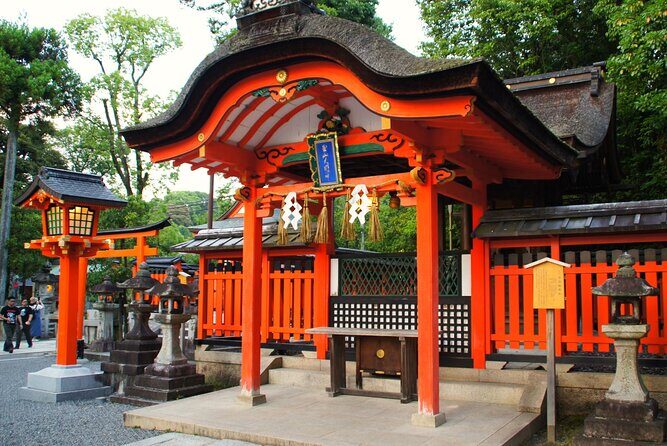
- Itsukushima Shrine: UNESCO views plus the meaning behind the architecture
- Daishoin Temple and the pagoda options: pretty scenery with access realities
- Lunch near Peace Memorial Park: eat your way through Hiroshima without derailing the day
- Peace Memorial Park walk: from the atomic bomb mound to the Children’s Monument
- Why the tour skips a guided Peace Museum session (and why that can be a good thing)
- Price and value: what $340 really buys you
- Logistics that matter for comfort: tickets, pace, and moderate fitness
- Should you book Pancho’s Hiroshima & Miyajima tour?
- FAQ
- Is the Itsukushima Shrine admission included?
- Do I need to pay for the Peace Memorial Museum?
- Is lunch included?
- Does the tour include transportation?
- Is this a private tour?
- How far in advance should I book?
Key things I’d highlight before you book
- Pancho’s licensed, local approach: He’s not just pointing at sights; he’s explaining what matters and answering questions in real time.
- Transport + essential admissions included: Itsukushima Shrine admission and the key ferry/train/bus connections are covered in the price.
- Miyajima torii timing is tide-dependent: You’ll see the famous floating-gate view from viewpoints, depending on sea conditions.
- Peace Park focus without a guided museum: You get context and guided walking through monuments, with room for your own reflection.
- Lunch flexibility with dietary advice: The plan includes a lunch break and guidance for Vegan and Gluten-Free options.
- A small culture moment: Several groups report Pancho teaching quick paper crane folding during the day.
Meet Pancho: a licensed Hiroshima guide who talks like a local
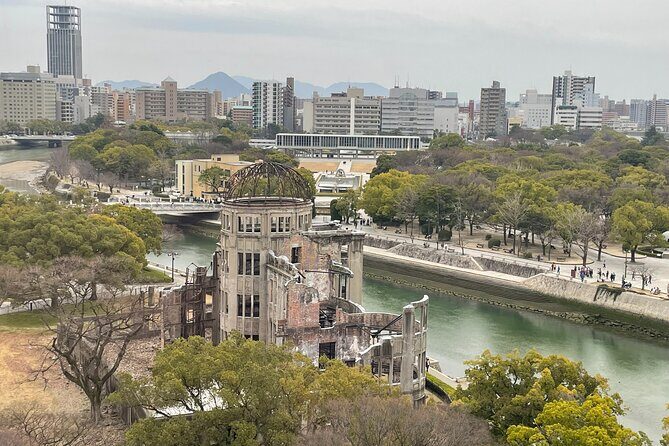
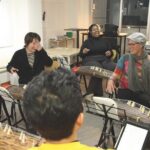
The biggest reason this tour works is the guide. Pancho is a certified local English-speaking guide, and the feel is more like spending a focused day with someone who knows how the story lands—then explaining it in plain language.
You’ll notice his style right away: he answers questions as you go, not just at the end. That matters in Hiroshima, where people often have a lot to ask about what they’re seeing and how it connects to the city today. In the same way, Miyajima isn’t just a photo stop for him—he ties the shrine traditions and temple atmosphere to what you’re standing in.
Another plus: he’s described as patient and supportive across different ages in a group, which is a good sign if your party includes people who learn best by asking questions. If you have mobility limits, he also seems practiced at helping manage needs—one review notes prior wheelchair-related coordination—though there’s a reality check later about specific temple access.
Net: you’re paying for interpretation, not just movement between sights.
You can also read our reviews of more guided tours in Hiroshima

7.5 hours that actually feel organized: what the all-inclusive transport covers
This is a private tour designed to run smoothly as a single route through Hiroshima and Miyajima. The schedule is about 7 hours 30 minutes, and it’s built around key public connections: JR trains, a ferry, and local buses.
Here’s what that means for you in practice:
- You avoid the common stress of coordinating tickets and transfers mid-day.
- You spend more brainpower on what you’re seeing, not on transit timing.
- Your guide handles the sequencing so you can keep moving without feeling rushed at every stop.
The price includes essential transportation and the Itsukushima Shrine admission. That’s important value because ferry rides and intercity connections can add up fast when you’re paying individually and also paying for time lost to confusion.
The catch is the trade-off: it’s not a slow walk-everywhere tour. One review described it as a heavy day, mainly due to travel time. That’s not “bad planning”—it’s physics and geography. Hiroshima and Miyajima are separate places. The tour does a good job keeping the walking reasonable, but you should still plan for a full, active day.
If you want minimal transit and maximum lounging, you’d probably be happier with a shorter, more central-area tour.
Miyajima Island first: the Giant Torii Gate and tide timing

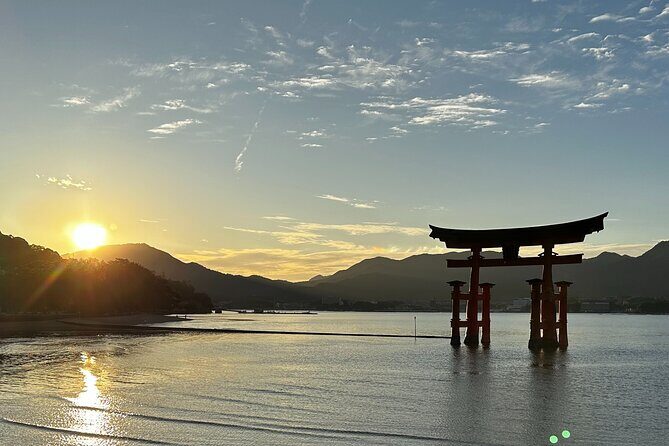
Your day starts at Miyajima Island, home to one of Japan’s most famous Shinto images: the giant torii gate that appears to float.
The tour includes time at the Giant Torii Gate area. You should know two practical things:
- Sea conditions matter. The torii’s classic floating look depends on tide. The guide will position you at photo spots and explain what you’re seeing based on the conditions that day.
- This stop is intentionally paced. You’re not just snapping photos—you get context so the torii feels like part of a living religious space, not a marketing backdrop.
One practical tip: bring layers. Coastal weather can change quickly, and you’ll be outside around the water.
Also, the tour lists the Giant Torii Gate admission as not included. That’s worth double-checking against your ticket situation when you arrive, so you don’t get surprised.
Overall, this is a great opener because it sets the tone—Miyajima’s spiritual feel is the contrast you’ll carry into Hiroshima’s memorial sites later.
Itsukushima Shrine: UNESCO views plus the meaning behind the architecture
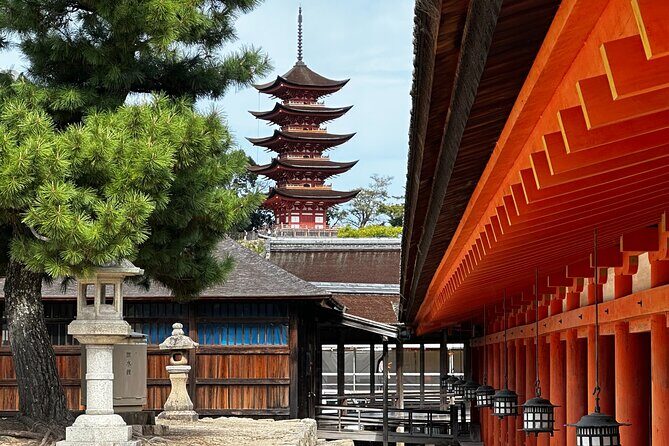
Next up is Itsukushima Shrine, a UNESCO World Heritage site. The admission is included on your tour, so you can focus on the experience instead of ticket logistics.
This stop is short but intentional (about 30 minutes for the shrine entry). You’ll learn what makes the shrine distinctive compared with other shrines you might have seen in Japan—especially how it’s designed for a relationship with the water and the surrounding setting.
Then you get additional time for the Itsukushima Shrine Otorii Gate viewpoint, with a separate photo-focused window. The torii in photos is the headline, but the guide also shares practical and cultural details so you understand why the image looks the way it does.
A nice detail here: the tour’s structure gives you both the shrine experience and the torii viewing from a vantage point. If you only saw one, you’d miss half the story.
Daishoin Temple and the pagoda options: pretty scenery with access realities
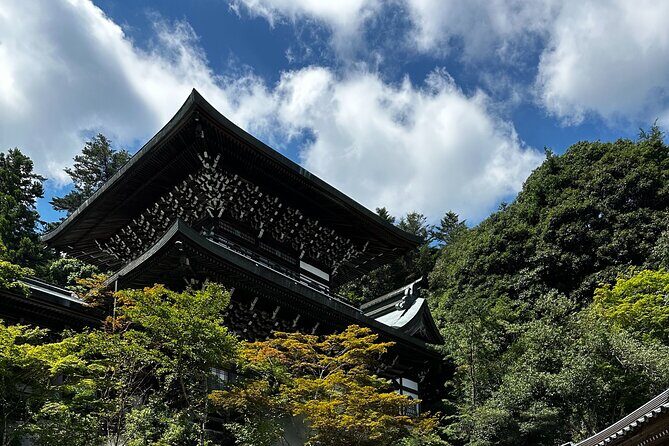
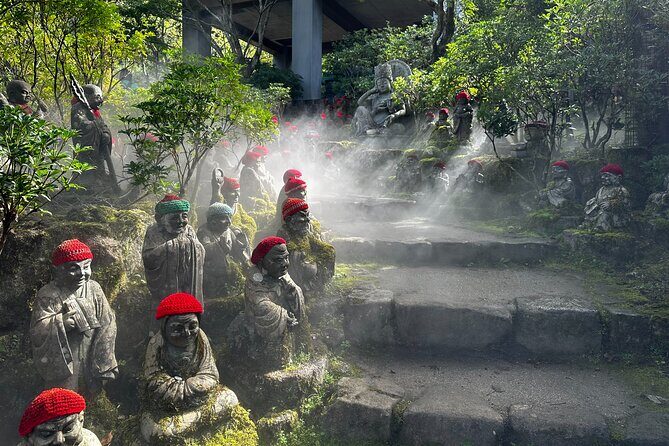
After the shrine area, you’ll head to Daishoin Temple (also written as Daishoin in the tour description). This is where the tour becomes more atmospheric—less about the iconic gate shot, more about walking into a calmer temple world.
Your time here is about 40 minutes. A key note for planning: wheelchair access is difficult. So if anyone in your group needs mobility support, you should treat this stop as a potential challenge rather than something you can assume will be easy.
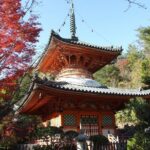
There are optional add-ons mentioned in the plan, including the five-story pagoda and Senjokaku-Paviriaon. If your group is interested and your pace allows it, these options add variety beyond the main garden-temple feel.
Why I like this stop: it gives you a breather from the most photographed sights. It’s also visually rewarding. You’ll come away with the sense that Miyajima isn’t only one monument—it’s a whole spiritual landscape.

Lunch near Peace Memorial Park: eat your way through Hiroshima without derailing the day
Once the ferry and island time are done, the tour moves back to Hiroshima’s central memorial area. The plan includes a lunch break near Peace Memorial Park (about 50 minutes), and lunch is not included.
This is one of the most practical parts of the tour. Instead of you guessing where to eat while also watching the clock, you get a clear lunch window and guidance on what’s around.
The tour notes you can find casual options nearby such as ramen, casual sushi, okonomiyaki, and tsukemen (dipping noodles). It also specifically mentions advice for Vegan and Gluten-Free options, which is a huge help when you’re trying to keep the day on schedule.
My advice: use your time for something easy and filling. This is a memorial-focused afternoon, so you’ll want energy without getting stuck in a long meal or searching for a specialty item.
Also, consider bringing a small water bottle. After the torii views and temple walking, you’ll likely appreciate it.
Peace Memorial Park walk: from the atomic bomb mound to the Children’s Monument
The afternoon focus is Hiroshima’s Peace Memorial area, and the tour approach is thoughtful: it prioritizes moving through the sites with context and real stories, rather than rushing you through facts.
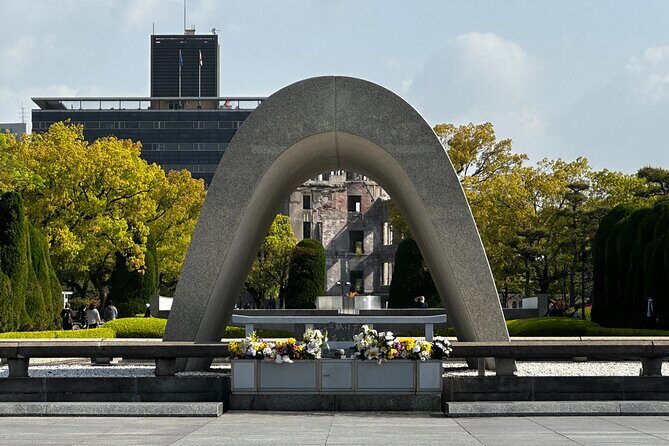
You’ll start with the Atomic Bomb Memorial Mound for a brief stop (around 10 minutes). This is the kind of quiet moment where you really notice the scale and the ground-level reality.
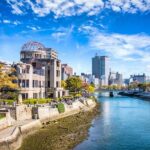
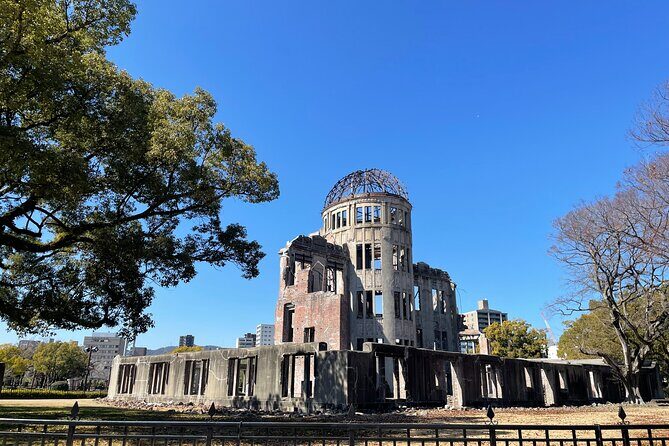
Then you move to the Atomic Bomb Dome (about 20 minutes). The Dome is iconic because it survived, and your guide explains what you’re looking at and why Hiroshima was chosen for the target—plus how locals experienced what followed. Even if you already know the basic history, hearing it connected to the specific location makes it feel sharper and more grounded.
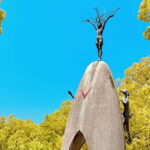
From there, you return to Hiroshima Peace Memorial Park for a longer guided walk (about 1 hour 20 minutes). Expect stops and explanation that include the Children’s Peace Monument, inspired by Sadako Sasaki. This section is where the tour really earns its “deep dive” promise—not by listing everything, but by linking the memorials to resilience and hope.
One practical advantage of having a guide here: you avoid the common problem of standing in a big park and not knowing what you’re seeing or why it’s arranged the way it is. You’re guided through the meaning.
Why the tour skips a guided Peace Museum session (and why that can be a good thing)
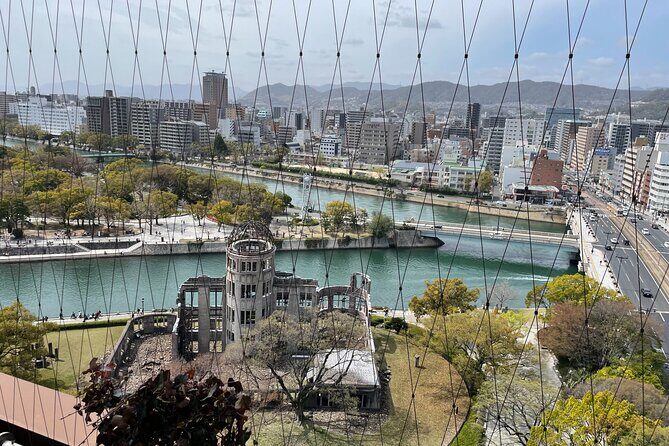
Here’s an unusual but important choice. The tour states it does not conduct a guided entry into the Peace Memorial Museum. The reason given is that the museum experience is personal and needs space for private reflection, with the tour focusing on in-depth context at the Peace Park monuments instead.
In your planning, that means two things:
- You’ll still get the story and structure from your guide at the outdoor memorial sites.
- If you want museum time, you’ll need to handle it yourself, since guided museum entry isn’t included.
The tour also lists Peace Museum entry as ¥200 per person and not included in the base price. So if you decide you want the museum, plan for extra cost and extra time.
Should you skip the museum entirely? Not necessarily. The point is that the day is designed so you don’t get overwhelmed by information in one guided push. For many people, that results in a more meaningful afternoon, because you’re not forced to absorb everything at once.
If you’re the type who likes to read, sit, and reflect, this structure can actually suit you well.
Price and value: what $340 really buys you
At $340 per person, this isn’t the cheapest way to see Hiroshima and Miyajima. But it’s also not pretending to be “budget travel.”
Here’s where the value shows up:
- Licensed guide for the full day (not a quick airport-style handoff)
- Itsukushima Shrine admission included
- Essential public transportation included, including ferry and key transit segments
- A plan that reduces time-wasting ticket confusion and route mistakes
When you calculate the cost of a guided day plus the ferry/train/bus connections, the price starts looking more reasonable—especially because the alternative often becomes a patchwork of tickets and self-navigation while you’re trying to fit everything into one tight schedule.
The biggest “value risk” is what you expect from the day. If your dream is a slow, lounge-friendly itinerary with lots of free time, you may feel less satisfied even if the tour is well run. But if you want a structured day with excellent guidance and smooth logistics, this price can feel fair.
One more value note: it’s private, so you’re not splitting your experience with a big crowd that forces you into a single pace. That matters in memorial settings.
Logistics that matter for comfort: tickets, pace, and moderate fitness
A few practical details to keep in mind:
- This tour offers a pickup option, and the meeting point is listed as 1-2 Matsubarachō, Minami Ward, Hiroshima. The tour ends back at the meeting point.
- It includes a mobile ticket (so you should have your phone ready).
- The description asks for moderate physical fitness. You’ll be walking at several stops, and you’ll also be using transit throughout the day.
- Service animals are allowed, and the tour is near public transportation.
- The temple stop at Daishoin Temple is specifically flagged as difficult for wheelchairs.
If your group includes different comfort levels, the private format helps. Pancho can adapt the pace to your interests, and the itinerary even notes flexibility.
My advice: wear comfortable shoes and plan for an all-day schedule. Bring a light layer for the coast around Miyajima. And set your expectations: you’re seeing two major areas in one day, so you’ll be moving.
Should you book Pancho’s Hiroshima & Miyajima tour?
If you want one day that covers Miyajima’s spiritual sights and Hiroshima’s memorial heart with a real local guide, this is a strong choice. Pancho’s communication, his ability to handle questions, and the way he ties sites to human context come through clearly.
You should consider it especially if:
- you care about meaning, not just photos
- you want the logistics handled for ferry and transit
- your group has mixed ages and you want patient guidance
- you need Vegan or Gluten-Free food advice around lunch time
I’d think twice if:
- you hate public transit and want minimal travel
- anyone in your group needs easy wheelchair access, since Daishoin is noted as difficult
- you strongly prefer a slow pace with lots of free time (the day is full)
If you’re going to Hiroshima and Miyajima for the first time, this tour is a smart way to get your bearings fast, with context that makes the sights land.
FAQ
Is the Itsukushima Shrine admission included?
Yes. The tour includes the entrance fee for Itsukushima Shrine, so you do not need to buy that ticket separately.
Do I need to pay for the Peace Memorial Museum?
The Peace Memorial Museum is not handled as a guided museum entry on this tour. Museum entry is not included, and it’s listed as ¥200 per person.
Is lunch included?
No. Lunch is excluded, but the tour includes a scheduled break near Peace Memorial Park with nearby casual options.
Does the tour include transportation?
Yes. The price covers essential transportation using public transit, including JR connections, ferry, and buses.
Is this a private tour?
Yes. It’s a private tour/activity, and only your group participates.
How far in advance should I book?
The average booking time is 126 days in advance, and confirmation is received within 48 hours of booking, subject to availability.