REVIEW · HIROSHIMA
Hiroshima 2hr Peace Cycling Tour with Local Guide
Book on Viator →Operated by Attractive JAPAN · Bookable on Viator
Quietly powerful, powered by e-bikes. This 2-hour Hiroshima Peace Cycling Tour takes you through UNESCO-listed Peace Memorial Park and beyond, using city viewpoints to see the A-Bomb Dome. I love the small-group feel (max 10) and the way guides like Shin and Kana connect facts to family stories. One heads-up: it’s still a real ride for two hours, so if you hate being on a bike at all, you may want the rainy-day walking alternative.
You’ll hit more than the obvious memorial spots, including stops tied to the Cenotaph, Children’s Peace Monument, and the Peace Bell. I also like that the tour shows Hiroshima’s present—reconstructed streets and everyday life—so the trip doesn’t feel trapped inside one tragic moment. The main consideration is timing: if you arrive late without notice, the tour can be cancelled.
In This Review
- Key Things I’d Prioritize Before You Go
- Peace Cycling in Hiroshima: What This Tour Really Gives You
- Your Route Starts at the Rest House, Then Heads Into the Memorial Core
- Stop 1: Hiroshima Peace Park Rest House (Meeting Point)
- Stop 2: Peace Memorial Park (What You Gain Beyond a Pass-Through)
- Views of the A-Bomb Dome: Angles From City Viewpoints
- Hiroshima Beyond the Park: Cenotaph to Street-Level Reminders
- A-Bombed Streetcars and Surviving City Details
- What the Guides Actually Add: Family Stories and Local Perspective
- E-Bikes and Comfort: How to Make the Ride Feel Easy
- Wi-Fi reality check
- Timing, Photo Data, and Small-Group Pacing
- Small-group pacing
- Weather Plan: When Rain Changes the Route
- Price and Value: Why This Costs What It Costs
- Who Should Book This, and Who Might Want to Skip
- Quick Practical Tips Before You Go
- Should You Book This Hiroshima Peace Cycling Tour?
- FAQ
- How long is the Hiroshima Peace cycling tour?
- Where do I meet for the tour?
- Is the bike electric, and who can ride?
- What sights are included around Hiroshima Peace Memorial Park?
- What happens if it rains?
- Do I get any photo help?
- Is there Wi-Fi during the tour?
Key Things I’d Prioritize Before You Go
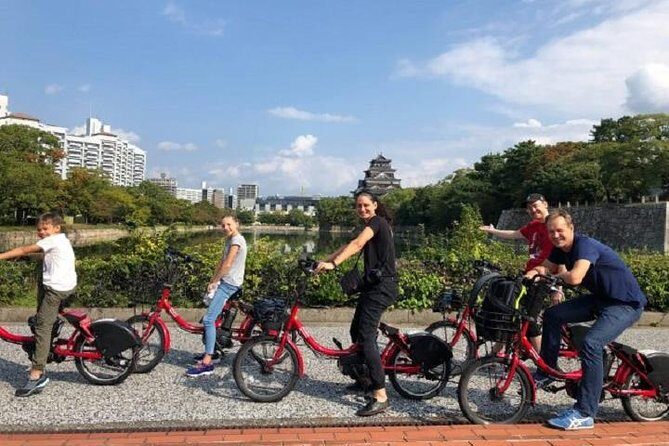
- E-bike makes the ride practical: flat routes and electric assist keep you moving without wrecking your legs.
- Small group (up to 10): you get a better chance to ask questions and keep pace together.
- A-Bomb Dome viewpoint strategy: you’ll see it from city angles, not only from the memorial buildings.
- Personal stories are central: guides share close-to-home context, including survivor family connections.
- More than the Peace Museum: you get street-level details you’d likely miss if you only walk the memorial core.
- Rain plan is real: if weather shuts cycling down, you can switch to a walking route (or refund).
Peace Cycling in Hiroshima: What This Tour Really Gives You
This is the kind of tour that makes the setting do some of the work. You start at the Hiroshima Peace Memorial Park Rest House, then pedal into the Peace Park area and onward through city streets where Hiroshima’s history shows up in plain sight. The pacing feels designed for learning without rushing—two hours is long enough to connect the major memorial meanings, but short enough to stay focused.
The smartest part is the combination: cycling plus a local guide who knows where to look and what to notice. A Peace Museum visit is important, but this tour adds the “in-between” information—what the monuments mean, how the city layout preserves memory, and how Hiroshima has rebuilt around that reminder.
And yes, the e-bikes help. This is not the day for heroically trying to prove you’re a hardcore cyclist. The electric assist keeps the ride comfortable, which matters because the real payoff here is your attention on the places and the stories, not your struggle with hills.
You can also read our reviews of more cycling tours in Hiroshima

Your Route Starts at the Rest House, Then Heads Into the Memorial Core
Meeting point matters. You’ll meet at the Hiroshima Peace Memorial Park Rest House and start with a quick setup. After that, the tour moves into the Peace Park area, which is where most first-time visitors spend their time—but on a bike, you’re able to cover more ground and get better angles at key memorials.
Stop 1: Hiroshima Peace Park Rest House (Meeting Point)
This is mainly for meeting your guide and getting your bike sorted. It’s also where the tour sets the tone: you’re not just touring objects, you’re walking into a place with meaning.
A practical note: there’s no luggage drop-off at the Rest House. If you need storage, the tour info points you to coin lockers at the International Conference Center Hiroshima or the Hiroshima Peace Memorial Museum, about a 6-minute walk away.
Stop 2: Peace Memorial Park (What You Gain Beyond a Pass-Through)
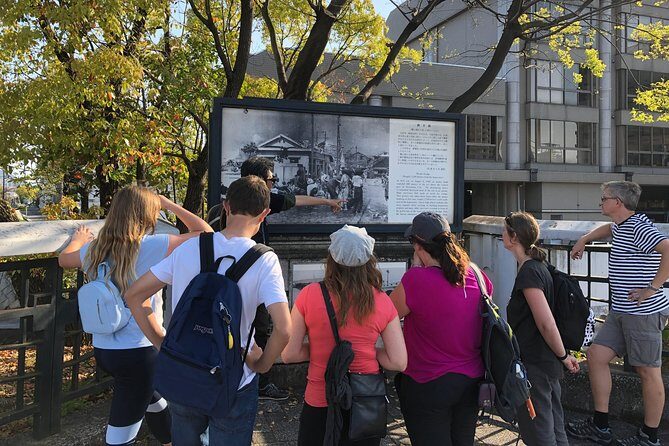
You’ll spend about 55 minutes in the Peace Memorial Park. The tour focuses on what the monuments represent and what happened around 70 years ago. Admission to the park area isn’t included in the listed price, so keep that in mind if you’re budgeting tightly.
What I liked here is the “guided noticing.” The Peace Park is full of specific details, but it can still feel like a blur if you don’t know what each part is trying to say. A guide helps you see why these memorials exist where they do.
Views of the A-Bomb Dome: Angles From City Viewpoints
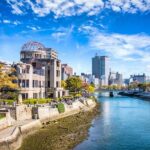
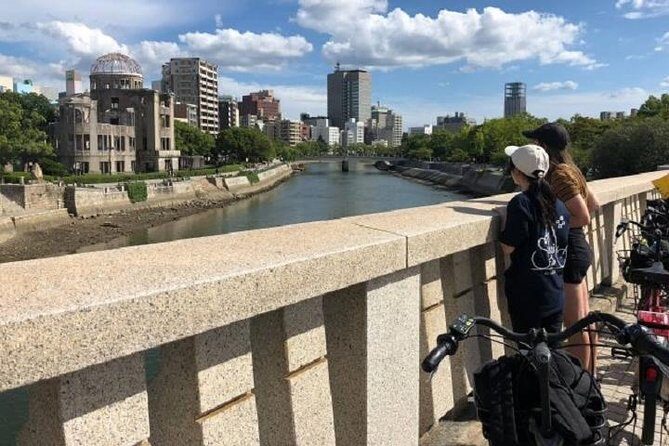
You’ll see the A-Bomb Dome from city viewpoints rather than only from the most obvious spot. That shift matters. From different angles, the building reads differently in your mind—less like a single photo-op and more like a fixed point that Hiroshima still has to live beside.
You can also read our reviews of more guided tours in Hiroshima


Hiroshima Beyond the Park: Cenotaph to Street-Level Reminders
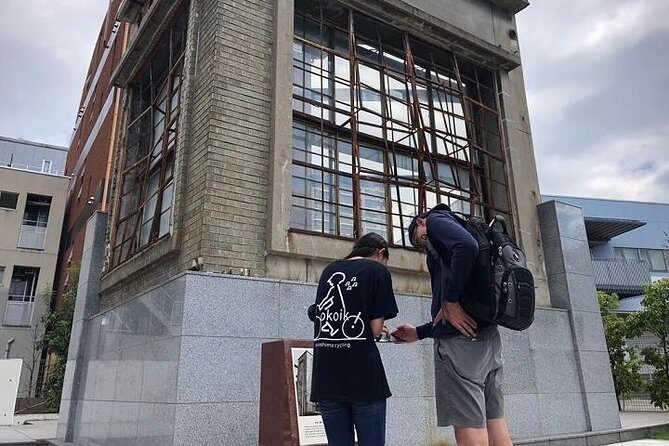
After you’ve absorbed the Peace Park, you’ll head into the broader city context. This is where the tour turns from “what happened” into “what Hiroshima became.”
The route includes key memorial-linked stops such as:
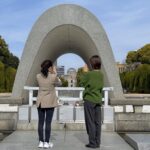
- the Cenotaph
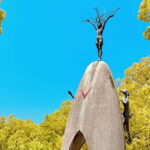
- the Children’s Peace Monument
- the Peace Bell
These aren’t random extras. They’re part of the way Hiroshima tells its story: remembrance, survival, and the idea of peace carried forward.
A-Bombed Streetcars and Surviving City Details
One very specific detail in the tour description is the idea of A-Bombed Streetcars—a train that’s still running today, associated with what survived the bombing. Your guide will also show you the actual townscape in Hiroshima’s suburbs. That’s valuable because it shows the real scale: Hiroshima isn’t a museum-sized bubble. It’s a functioning city that had to restart.
If you like context, this section helps connect the memorial area to the everyday streets around it. It also makes your Peace Museum visit (if you do one) feel more “placed” in a living city.
What the Guides Actually Add: Family Stories and Local Perspective
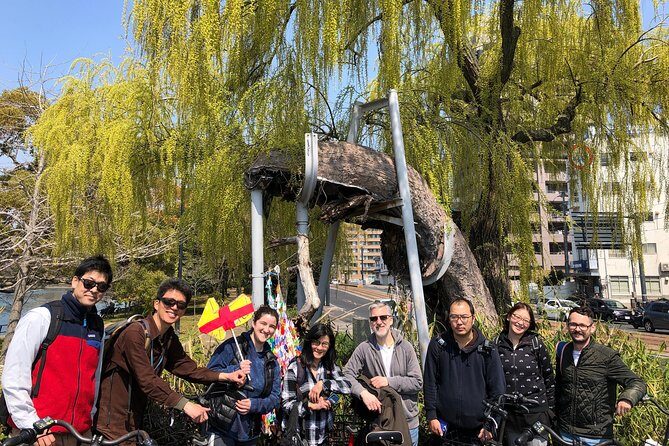
This is the part that keeps coming up in feedback. The guides make the information personal without turning it into a performance. If your guide is Shin, Kana, Tomas, or Bella, you’ll get a guided flow that mixes historical explanation with family-linked memories shared from someone raised in Hiroshima.
A big reason this works: the guide’s role isn’t just translating. It’s selecting what to point out. They’ll tell you what matters, then help you understand why it matters there—at that monument, at that street corner, at that viewpoint.
Some tours can feel like a slideshow on wheels. This one feels more like a walk through meaning, with the bike doing the heavy lifting to cover ground. Even when the topic is heavy, the ride stays lively because the guide’s personality keeps the pace human.
E-Bikes and Comfort: How to Make the Ride Feel Easy
Most of your cycling will be manageable because of the electric bikes and the overall setup of the route. You’re moving through Hiroshima’s streets and park areas, and the e-bike keeps the effort low so you can focus on the stops.
Still, check the participation rules before you assume it’s effortless:
- Adults using an electric bicycle need a height of 145 cm or more.
- For kids, there’s guidance based on height bands (for 110 cm to 145 cm).
- There are child-size bicycles for children (including cross bike type) and specific seat limits are given for weight and height.
If you’re traveling with kids, this is a tour where the guide can adjust the pace for mixed abilities. The info also says they’ll accommodate groups where some guests aren’t accustomed to cycling, especially children.
Wi-Fi reality check
There’s no free Wi-Fi on the tour itself. The city has free Wi-Fi, but plan as if you won’t be online the whole time.
Timing, Photo Data, and Small-Group Pacing
Your tour runs about two hours. You’ll meet at the Rest House and then cycle through the Peace Park and city area, finishing back at the meeting point.
You’ll also receive data of the photos taken on the day. That’s helpful because memorial areas and street viewpoints aren’t always easy for everyone in a group to photograph. It’s one less thing to juggle while you’re listening.
Small-group pacing
With a max of 10 travelers, the experience stays coordinated. That matters if you’re the kind of person who likes asking questions or taking a moment at a monument.
Weather Plan: When Rain Changes the Route
Hiroshima weather can be unpredictable, and this tour is set up with options. It requires good weather. If rain or poor conditions force a change, you can:
- choose a Rainy Day Limited Peace Route, or
- request a full refund.
On rainy days, cycling can switch to a walking tour. The description also gives a walk-focused route including the hypocenter area and nearby sites within about 0.5 km to 1 km. That means you still get the core meaning of the bombing site area, just with safer movement.
If you’re visiting in a season where rain is common, this matters a lot. A lot of city tours either cancel or shrug. Here, you have a defined alternative.
Price and Value: Why This Costs What It Costs
At $59.69 per person for a roughly 2-hour guided e-bike experience, the price makes sense when you look at what you’re buying:
- an English-speaking local guide with family-linked context
- electric bikes that keep the ride easy
- a curated route that combines memorial sites with city viewpoints
- small-group handling (max 10), plus coordination and insurance for bicycle accidents
- photo data from the day
If you’re planning to see Hiroshima’s Peace Memorial Park anyway, this tour adds the missing layer: it connects the monuments into a story you can actually follow while you move through the city. The e-bike component is also a real value—two hours of sightseeing on foot in hot or cold weather can be tiring fast, and you’d likely miss some of the off-the-beaten-track viewpoints.
Also, you can’t always count on a random walking tour to cover the breadth of memorials plus city street context. This one is built to keep everything in one thread.
Who Should Book This, and Who Might Want to Skip
This tour is a strong fit if:
- you want a guided Peace Park experience that goes beyond a quick scan
- you like learning from a local guide with personal ties to Hiroshima
- you’d rather cover more ground than walking only
- you’re okay with a low-effort bike ride (especially with an e-bike)
You might think twice if:
- you hate cycling entirely, even with electric assist
- you need a long sit-down museum style day (this is focused on sites you visit and then ride between)
One more thought: if you’re balancing a cruise day or a first-time visit, this can be a smart “anchor activity” because it gives you a framework. Then you can decide how much more you want to do at your own pace.
Quick Practical Tips Before You Go
- Dress for the weather. If conditions shift, the tour may pivot to walking.
- Arrive a little early so you don’t risk a late arrival cancellation.
- If you need storage, plan for coin lockers since the Rest House doesn’t offer a luggage space.
- Bring a way to stay hydrated and comfortable. Even with e-bikes, you’ll be outside.
Should You Book This Hiroshima Peace Cycling Tour?
Yes—if you want Hiroshima’s Peace Park and the A-Bomb Dome area explained in a way that feels connected to daily life, not just isolated tragedy, book it. The mix of small group size, e-bike comfort, and guides who share Hiroshima-grown context (including survivor-linked family stories like those shared by Shin and Kana in the tour guide lineup) makes it feel more human than a checklist.
If you’re sensitive to heavy subject matter, this is also one of those experiences that tends to handle seriousness with care—because the route isn’t random, and the guide’s focus stays on meaning, not shock value.
FAQ
How long is the Hiroshima Peace cycling tour?
The tour runs for about 2 hours.
Where do I meet for the tour?
You meet at the Hiroshima Peace Memorial Park Rest House in Hiroshima (the tour ends back at the same meeting point).
Is the bike electric, and who can ride?
You’ll use an adult electric bicycle if you are at least 145 cm tall. For children, the tour provides children’s bicycles depending on height ranges, and there are specific limits for children’s seats and bike types.
What sights are included around Hiroshima Peace Memorial Park?
The tour includes Hiroshima Peace Memorial Park and memorial-related stops such as the Cenotaph, Children’s Peace Monument, and the Peace Bell, plus A-Bomb Dome viewpoints.
What happens if it rains?
If cycling can’t be held due to rain or poor weather, you can switch to a Rainy Day Limited Peace Route or a walking tour route, or request a full refund.
Do I get any photo help?
Yes. You will be given data of the photos taken on the day.
Is there Wi-Fi during the tour?
There is no free Wi-Fi provided on the tour, though Hiroshima free Wi-Fi is available throughout the city.