REVIEW · HIROSHIMA
Hiroshima 3hr Peace Cycling Tour with Local Guide
Book on Viator →Operated by Attractive JAPAN · Bookable on Viator
Hiroshima hits differently when you ride.
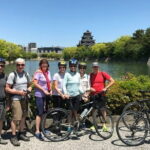
I like that this tour keeps things small (up to 10 people) so the guide can slow down and answer questions, and I also like that it focuses on wartime and post-war recovery rather than only check-the-box sightseeing.
I especially like the way the route mixes famous landmarks with quieter remnants, so the story doesn’t feel like a straight line. One possible drawback: you’ll be on a bicycle for the full 3 hours, so if you’re worried about cycling comfort, the electric bike matters a lot.
Key details like entrance fees being included and accident insurance being part of the price make this feel like real value. Just remember the tour runs on a set schedule, and weather can change plans.
In This Review
- Key highlights to look for
- Why bicycle time in Hiroshima is worth your morning
- Start at Hiroshima Peace Park Rest House: your guided route begins
- Hiroshima Castle, shrine gate survival, and central green space
- Aioi Bridge and the Atomic Bomb Dome: the morning’s core message
- Riverside stops and memorial trees that widen the story
- Hiroshima Railway, a surviving bridge monument, and the weeping willow
- Peace Boulevard on the way back: seeing the living city
- What you’ll learn from the local guide (and why it lands)
- Electric bikes: comfort, control, and safety basics
- Price and value: what $85.89 really buys you
- Practical tips so the tour goes smoothly
- Rainy day plan: when cycling stops, the story still continues
- Who should book this peace cycling tour
- Should you book this peace cycling tour?
- FAQ
- Do I need to pay entrance fees during the tour?
- How long is the Hiroshima Peace Cycling Tour?
- How big is the group?
- Are electric bikes provided, and who can ride them?
- Where do we meet?
- Is there Wi‑Fi during the tour?
- What happens if it rains?
- Is accident insurance included?
Key highlights to look for
- Up to 10 people: easier pacing and more time with your guide
- E-bikes make the ride gentle: ideal for a mostly flat, city route
- Included entrances: you won’t stop to pay on the spot
- Local perspective: the guide’s family stories can be intensely personal
- More than the big sites: bridges, river areas, and surviving remnants along the way
Why bicycle time in Hiroshima is worth your morning
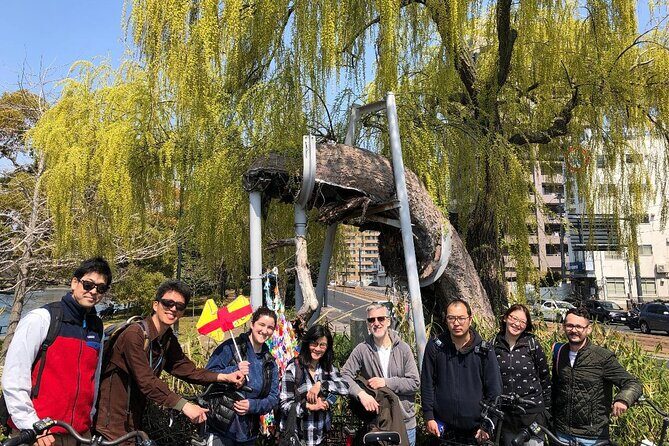
Hiroshima is the kind of place where you notice everything: distance, shadows, river bends, and how the city rebuilt itself block by block. Doing it by bicycle adds a simple magic trick. You move at a human speed, you turn your head, and you can actually connect one stop to the next without rushing or getting boxed into a bus window view.
This tour is priced at $85.89 per person for about 3 hours, and the math gets better because entrance fees are included. You’re also getting a real guide, not just a map. That matters here, because the important parts of Hiroshima are not only physical sites; they’re the context around them—what changed, what survived, and what people rebuilt.
The other value piece is the small group size. When a tour is capped at 10 max, the guide can adjust pacing for beginners or families. Some groups include kids, and the tour specifically notes they’ll adjust if people aren’t used to cycling. In practice, that means you’re less likely to feel “left behind” at red lights or while crossing between areas.
You can also read our reviews of more cycling tours in Hiroshima

Start at Hiroshima Peace Park Rest House: your guided route begins
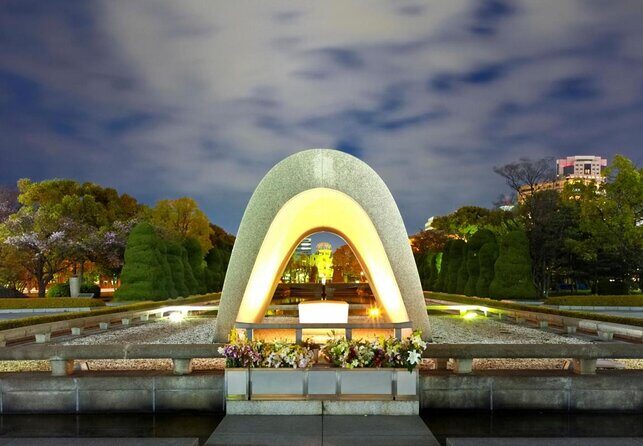
The meet-up point is at the Hiroshima Peace Memorial Park Rest House (near the Peace Park area). You start at 10:00 with a quick meet-and-greet, route explanation, and basic safety steps. The tour also mentions temperature checks and other COVID-prevention procedures at the start, so plan for a short routine before rolling out.
This first moment sounds small, but it’s important. You’re going to cycle through a city, stop often, and switch mental gears from ordinary streets to heavy memorial ground. Getting the route expectations early helps you relax and focus on what you’re seeing.
You also get your bike sorted here. The tour is set up for adults using electric bikes (with a stated height requirement) and for children using smaller bikes or youth options. If your height or child’s age doesn’t match the standard setup, you’ll want to confirm at booking—but the tour does provide specific guidance for adult and child bicycles.
Hiroshima Castle, shrine gate survival, and central green space
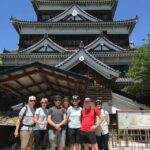
The first big sightseeing shift comes early. You’ll spend time at Hiroshima Castle (about 20 minutes). The castle area connects to pre-war military history, and your guide explains why this location matters in the story of August 6, 1945. Even if you’ve seen photos of Hiroshima before, this stop helps you understand the city as more than one day in history.
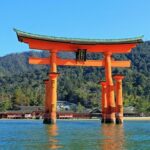
Then you head to Hiroshima Gokoku Shrine and the shrine gate (about 15 minutes). This is where you’ll hear about structures that withstood the atomic blast. There’s a special kind of weight to standing near a place that survived—especially in a country where many historic sites are carefully protected. It gives you a concrete “before and after” feeling.
After that, you’ll ride through Hiroshima Central Park (Chuo Koen-mae / Chuo Park) for about 20 minutes. This break is not just scenery. It gives your brain a chance to reset. Peace tourism can get intense fast, and a wide green area is a real pacing tool.
Aioi Bridge and the Atomic Bomb Dome: the morning’s core message
Then the tour points directly at the center of the story. Aioi Bridge is the next stop (about 10 minutes). You’ll visit the bridge that was targeted, and your guide explains how the river and bridge remained. That detail matters: the physical surroundings didn’t disappear overnight. People lived in those same spaces, under radically changed reality.
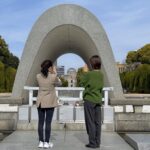
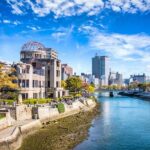
Right after, you arrive at the Atomic Bomb Dome (about 15 minutes). This is the internationally recognized landmark connected to the blast. Your guide explains the stories and memories of local people, not just the fact that it exists. I like that this stop doesn’t try to turn tragedy into a photo-op checklist. The dome is famous, but what you take away depends on the context your guide gives you.
If you’re sensitive to emotional intensity, pace yourself here. You’ll likely feel a stronger reaction at the Dome than at any other stop, because it combines architecture, distance, and the blunt idea of survival.
Riverside stops and memorial trees that widen the story
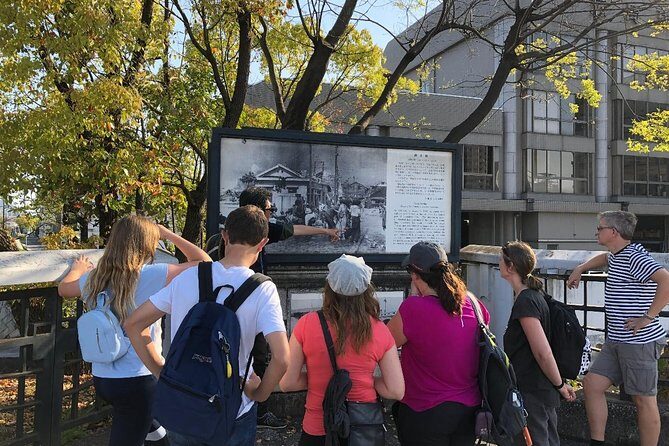
After the Dome area, the route keeps moving south with more breathing room between stops. You’ll ride along Motoyasu River and the Peace Bridge (about 15 minutes). This segment can feel surprisingly calm, and that’s the point. The guide uses the riverside nature to help you picture what the area looked like before the world turned.
Next is Higashisenda Park (about 20 minutes). This park is described as being about 1 km from the blast center and filled with trees sent from various countries. You’ll hear stories linked to the site, which turns “a bunch of trees” into a living international reminder. It’s a different way of talking about peace—less about speeches, more about ongoing relationships.
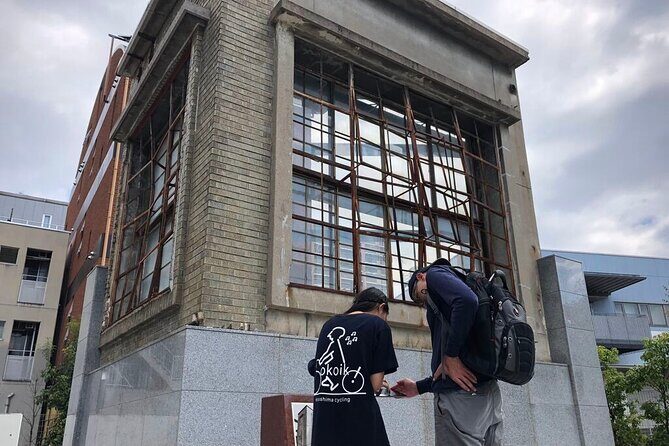
Then you’ll reach the Atomic Bomb Window Frame Monument connected to the Hiroshima Red Cross Hospital remnants (about 20 minutes). You face the remnants of a building and how strong the bomb was. This is one of the places where the tour stops feeling like sightseeing entirely. The message comes from what’s left, not from what’s explained.
You can also read our reviews of more guided tours in Hiroshima
Hiroshima Railway, a surviving bridge monument, and the weeping willow
The route continues to Hiroshima Railway (about 10 minutes). The tour notes that two trains survived the blast and still run today. It’s a powerful type of evidence: not just “people rebuilt,” but that specific parts of everyday life returned. Your guide connects those survivals to the city’s longer timeline.
Then you visit Miyuki Bridge and the Kobayashi River area (about 10 minutes). The tour mentions a displayed picture right where the bomb’s reach ended, showing the reality of the difference between then and now. For me, this kind of stop is helpful because you’re not only hearing a story—you’re seeing how Hiroshima chose to remember.
The tour’s standout natural highlight is the Surviving Weeping Willow Tree (about 10 minutes). It’s described as a tree that kept growing despite rumors it wouldn’t survive long. This is where the “healing through time” idea becomes literal. It’s also a good emotional landing spot before the final ride back toward Peace Park.
Peace Boulevard on the way back: seeing the living city
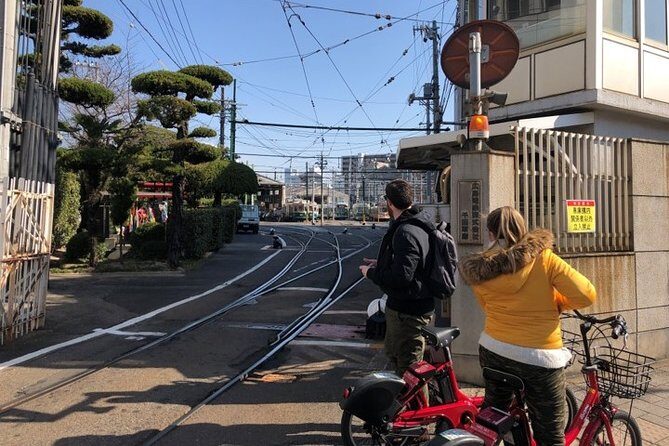
On the return ride, you’ll pass Peace Boulevard and various monuments and trees linked to Hiroshima’s history (about 10 minutes). The tour frames this as a chance to see the city thriving while remembering what happened.
That’s the subtle value of the back half. If your only stops were memorial heavyweights, the city might feel like a museum. Instead, the cycling route nudges you to notice daily life around memorial space. You’re moving through present-day Hiroshima while your guide keeps tying it back to why reconstruction and memory matter.
The tour ends back at the Hiroshima Peace Memorial Park, around 13:00. That timing is great if you want to keep the rest of your day open for museums, lunch, or just wandering.
What you’ll learn from the local guide (and why it lands)
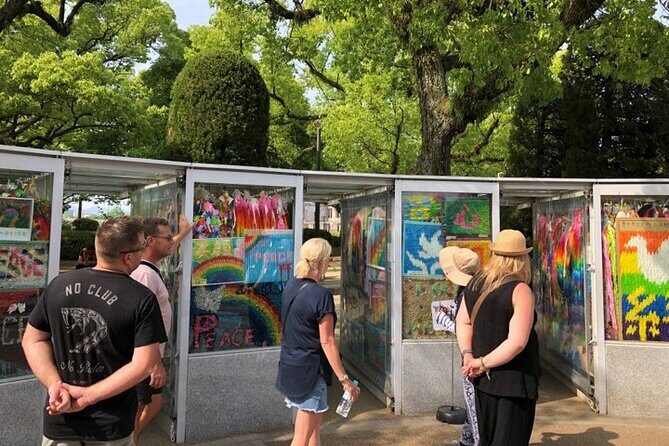
This experience is built around reconstruction efforts and local storytelling after the war. Your guide explains what changed after the blast and how rebuilding shaped daily life.
A big theme across the guide styles mentioned in your provided info is personal family connection. Names like Shin and Moe come up with strong stories tied to the day itself, and Kana is described as clear and question-friendly. Toma is described as passionate and knowledgeable. Whether your guide is particularly emotional or more factual, the consistent goal is to connect Hiroshima’s history to real people—not just dates.
That matters because Hiroshima’s memorial sites can feel abstract if you only read captions. A guide can point out distance, explain what survived, and connect that to rebuilding, which is exactly what this itinerary is designed to do.
Electric bikes: comfort, control, and safety basics
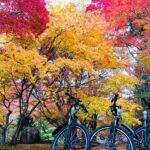
This is an e-bike tour, and that’s not a small detail in a city like Hiroshima. The ride is described as easy and gentle in multiple parts of the information you shared, and the e-bike helps in warm weather. You’re not training for an endurance ride. You’re moving between stops so you can actually see more without exhausting yourself.
You still need basic cycling comfort, though. The tour lists a participation requirement: adult electric bicycles are for riders 145 cm or more in height. For kids, there are child bicycle options (including cross-bike types and details for child rates based on height), plus guidance on child seat weight/height limits.
Also pay attention to the tour’s pacing policy. Since it’s shared, the guide will adjust if someone in the group isn’t used to cycling, especially children. That’s a relief if you’re not confident, but it also means you should expect short waits and extra crossing time.
Price and value: what $85.89 really buys you
Let’s talk value in plain terms. You’re paying for a 3-hour guided ride, a guide, a bike setup, included entrance fees at ticketed stops, and insurance for bicycle accidents. You’re also not stuck in a long bus transfer between sites. You move directly and efficiently, and the guide’s story time fills the stops.
Included entrance fees matter here because several major memorial or historical areas don’t always feel “free” in real life. If you were building this trip on your own, you’d likely end up paying separate admission costs and spending extra time figuring out tickets and routes. For one morning, the tour price is a straightforward shortcut.
The other value angle is time. You get the core Peace Park area plus additional pre-war and post-war sites like Hiroshima Castle and the shrine gate, without losing the entire day. That’s why the 3-hour format is described as a step deeper than a shorter option.
Practical tips so the tour goes smoothly
A few small things can make a big difference:
- Arrive early enough to settle in. The meeting point is the Peace Park Rest House, and the tour can be canceled if you’re late without notice.
- Bring what you need for warm weather. The tour runs around midday end, and the e-bike helps, but you’ll still be outside.
- Plan luggage. There’s no luggage drop at the rest house. The tour notes coin lockers nearby at places like the International Conference Center Hiroshima and the Hiroshima Peace Memorial Museum (about a 6-minute walk).
- Use city Wi‑Fi if you need it. The tour itself notes no free Wi‑Fi, though Hiroshima’s free Wi‑Fi is available around the city.
- Know that routes can shift. The timetable may change depending on the day, and weather can trigger a rainy route or a walking option focused on the hypocenter area.
Rainy day plan: when cycling stops, the story still continues
If weather turns, the tour doesn’t simply disappear. The information you shared includes a Rainy Day Limited Peace Route that starts at 10:00 (or 14:00 for the afternoon set), with stops focused on Peace Memorial Park, the Atomic Bomb Dome, the hypocenter, and other nearby sites, ending earlier.
There’s also an option to switch to a walking tour for rainy days only, walking around the hypocenter area within about 0.5 km to 1 km. If you don’t want the switch, a refund option is offered. This flexibility is a strong plus for Hiroshima, because weather can change without warning.
Who should book this peace cycling tour
This is a strong choice if you want:
- A small-group guide-led experience rather than wandering alone with a phone map
- A route that combines major landmarks and lesser-visited remnants
- A way to cover ground without exhausting yourself
- A guide-driven focus on reconstruction and the long arc after the blast
It’s especially good for first-time visitors who want the Peace Park area plus extra context like Hiroshima Castle. It also makes sense for families because the tour is set up to adjust pacing for mixed groups.
If you can’t do cycling at all, you’ll want to choose the rainy day walking alternative if offered, or look for a fully walking plan instead.
Should you book this peace cycling tour?
Yes, if you value context and you want to see Hiroshima at human speed. The combination of an intimate up to 10 group, electric bikes, and included entrance fees makes the price feel justified. Most importantly, the tour’s real strength is the guide’s local perspective—stories connected to Hiroshima’s lived experience and rebuilding.
I’d consider skipping or switching plans only if you’re uncomfortable riding for about 3 hours or you don’t want an emotionally heavy route. Otherwise, this is one of those rare tours where the format (cycling) doesn’t distract from the meaning—it helps you connect the dots between the city’s past and its rebuilt present.
FAQ
Do I need to pay entrance fees during the tour?
Entrance fees are included in the tour price, so you generally won’t need to pay on the spot.
How long is the Hiroshima Peace Cycling Tour?
It’s about 3 hours total.
How big is the group?
The tour is limited to a maximum of 10 travelers.
Are electric bikes provided, and who can ride them?
The tour uses electric bikes for adults, with a height requirement of 145 cm or more. Child bicycle options are also available with height/age guidance.
Where do we meet?
You meet at the Hiroshima Peace Memorial Park Rest House.
Is there Wi‑Fi during the tour?
The tour itself notes no free Wi‑Fi, but Hiroshima’s free Wi‑Fi is available in the city.
What happens if it rains?
If rain affects the schedule, you can choose a rainy day limited peace route or switch to a walking tour focused on the hypocenter area. A refund option is mentioned if you don’t want to switch.
Is accident insurance included?
Yes. Insurance for bicycle accidents is included in the tour price.