REVIEW · HIROSHIMA
Hiroshima: Best of Hiroshima Guided Bike Tour
Book on GetYourGuide →Operated by InKansai Ltd · Bookable on GetYourGuide
Biking Hiroshima feels surprisingly efficient. In about 210 minutes, you hit the most important sites, starting with the Peace Memorial Park area and the Atomic Bomb Dome, then moving into lighter, scenic moments like Shukkei-en Garden. The ride is easy thanks to a mostly flat route, but the tour does require good weather.
I also like how this tour keeps things practical: you meet at Cycle Hiroshima HQ, do a quick bike fit, and then roll out with an English-speaking guide in a small group limited to 8. You’ll get respectful, story-driven context at each stop, with guides such as Miyu, James, Aimee, Ehsan, and Awais appearing across past departures in the same role style: careful explanations, time for questions, and frequent photo stops.
In This Review
- Key things I’d focus on before you book
- Starting at Cycle Hiroshima HQ and Getting Your Bike Dialed In
- Riverside Pedal to Peace Memorial Park and the Atomic Bomb Dome
- Gokoku Jinja and Hiroshima Castle Grounds for a Samurai-Era Contrast
- Shukkei-en Garden: Edo-Period Calm with Garden Entry Included
- The Ride Itself: Flat, Relaxed Cycling That Still Feels Like Hiroshima
- Price and Value: Why This $70 Day Can Be More Efficient Than Walking
- Guide Style: Storytelling That Respects the Moment
- Who This Tour Fits Best in Hiroshima
- Should You Book This Hiroshima Bike Tour or Not?
- FAQ
- Where is the meeting point?
- How long is the tour?
- Is the tour guided in English?
- How big is the group?
- What’s included in the price?
- What are the main stops on the route?
- Is the cycling route flat?
- What should I bring?
- What happens if the weather is bad?
Key things I’d focus on before you book
- Peace Memorial Park + Atomic Bomb Dome in one smooth loop with room to ask questions
- A flat, accessible cycling route that feels safe and takes pressure off your feet
- Shinto and samurai-era contrast via Gokoku Jinja and Hiroshima Castle grounds
- Shukkei-en Garden included to end on Edo-period calm
- Small group pacing (up to 8) that helps the guide keep track of everyone
Starting at Cycle Hiroshima HQ and Getting Your Bike Dialed In
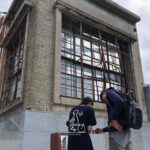
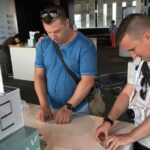
You begin at Cycle Hiroshima HQ, the shop with a big Cycle Hiroshima sign out front. Plan to show up a few minutes early so you can get through the short orientation and bike fitting without rushing. That little bit of setup matters. A good fit makes the ride feel effortless, especially when you’re linking several major stops in a short time.
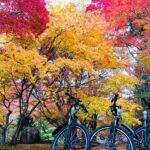
Once you’re suited up with a helmet and a rental bike (Trek bikes in different sizes are used), the tour sets you up to move comfortably rather than “tour bus fast.” There are options for different needs too: step-through bikes, e-bikes, and child-sized bikes are available. The route is described as completely flat, and the fleet options reflect that the goal is comfort and access first.
This is also where you’ll get the first real sense of the tour’s style. It’s not just logistics and landmarks. Guides keep the tone respectful from the start, and they’re used to handling questions. That comes in handy later when you’re standing near one of the most emotionally significant sites in Japan.
You can also read our reviews of more cycling tours in Hiroshima
Riverside Pedal to Peace Memorial Park and the Atomic Bomb Dome
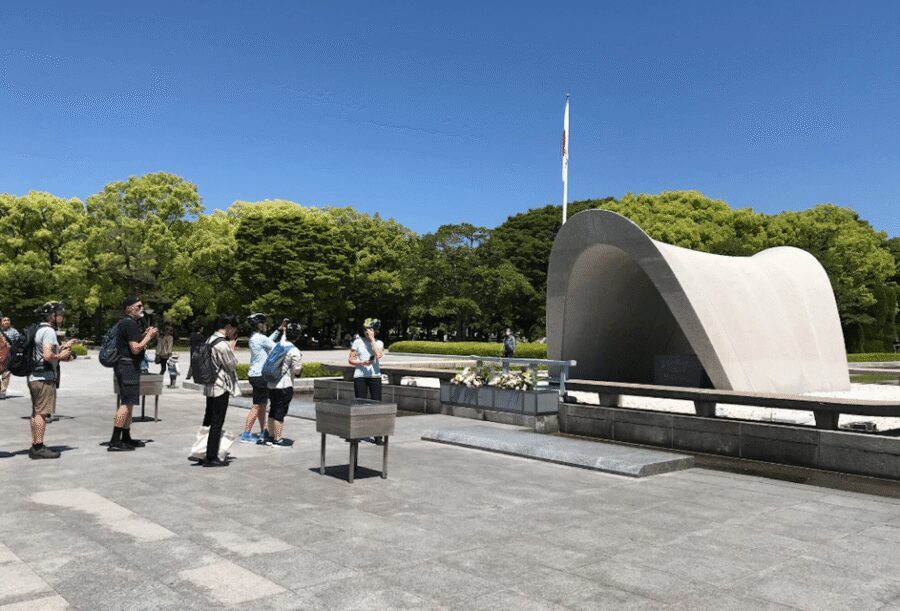
After the bike fitting, you roll out on a relaxing riverside ride toward Hiroshima’s Peace Memorial Park area. This matters more than you might think. Riding there by bike lets you connect the city’s daily rhythm with the weight of what you’re about to see.
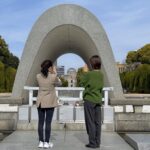
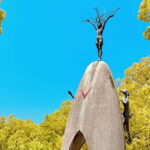
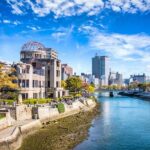
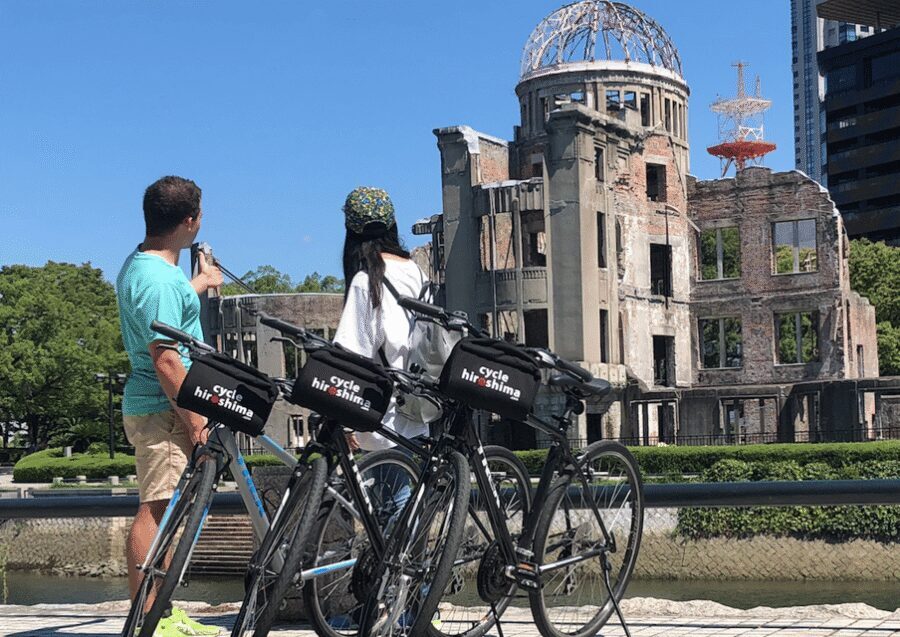
At the Peace Park, you visit several of Hiroshima’s most iconic monuments commemorating the atomic bombing of August 6, 1945. The Atomic Bomb Dome is the headline stop, and it’s also a UNESCO World Heritage Site. Your guide explains what happened in 1945 and what these memorials mean today, including how Hiroshima rebuilt itself and shaped its identity as a City of Peace.
What I really like here is the pacing. You’re not thrown into a sprint of photo ops. Guides include time for questions, and you get breaks built into the flow so you can absorb what you’re seeing. Several guide styles show up in past departures, but the consistent thread is careful, story-based interpretation rather than a rushed lecture.
A practical note: this is a heavy section of the day. Even if you’re a fast walker, give yourself a slower brain setting here. If you’re the type who processes best by asking questions, this tour format gives you that space.
Gokoku Jinja and Hiroshima Castle Grounds for a Samurai-Era Contrast
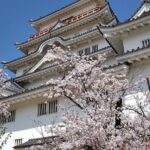
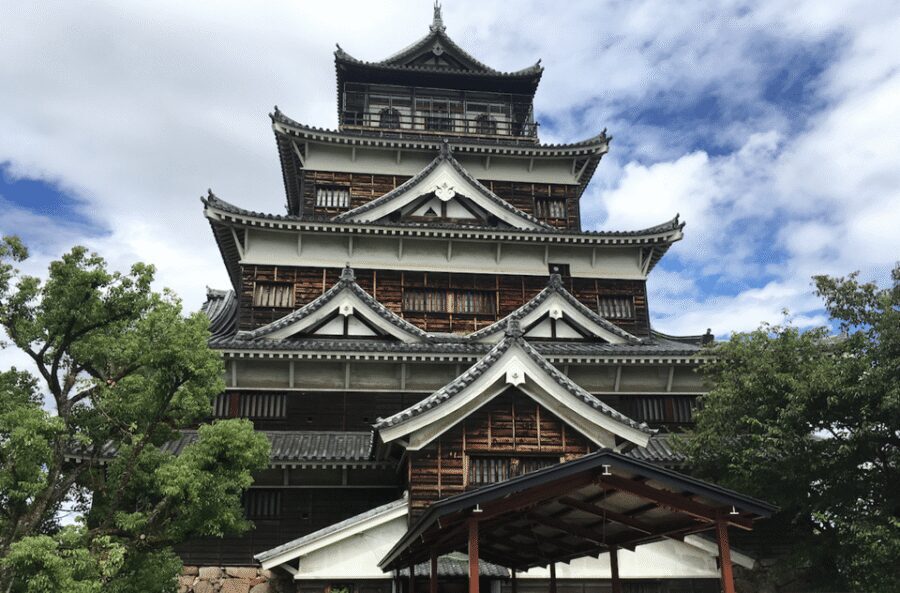
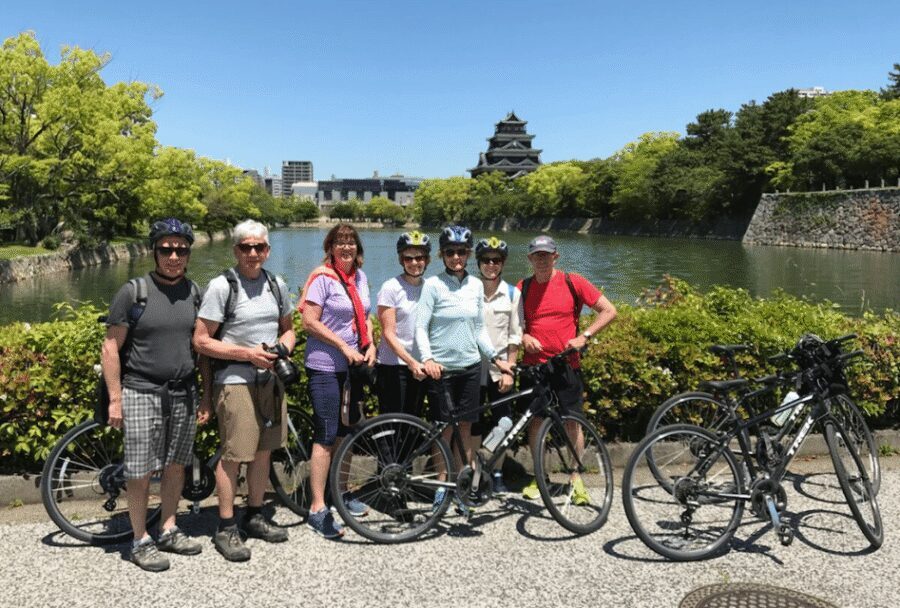
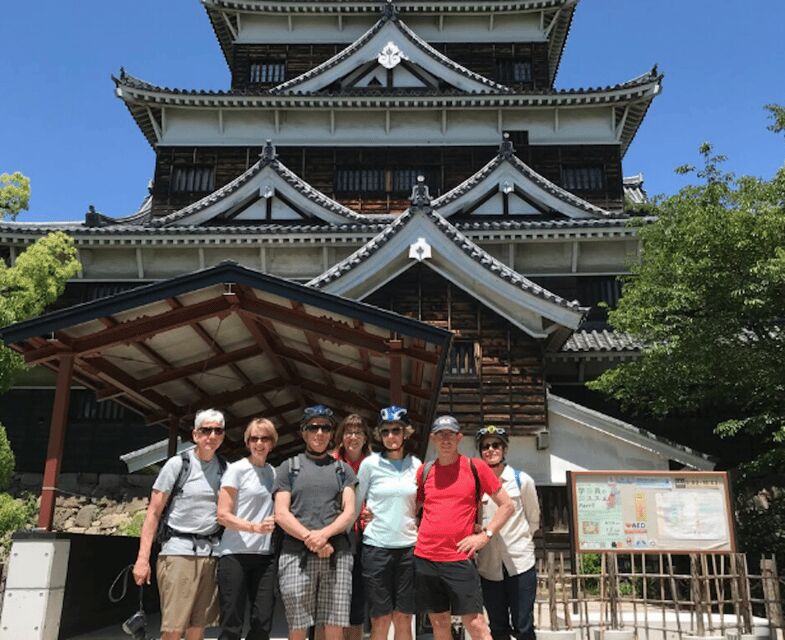
When you leave the Peace Park, the route keeps heading north. Next stop is Gokoku Jinja, described as the most popular Shinto shrine in the city. Then you cycle through the Hiroshima Castle grounds area for a glimpse into the days of the Samurai.
This contrast is one of the smartest parts of the itinerary. You go from a setting focused on loss and remembrance to places that show older Hiroshima and its cultural identity. It helps the day feel like more than one memorial stop. You also get a wider picture of how the city holds different eras side by side.
The castle grounds visit is a “glimpse,” not a full deep-dive into museum time. That’s actually a plus when you’re on a bike tour. You keep the day efficient without turning it into museum overload, and you still get that important sense of context: Hiroshima didn’t only exist in 1945.
If you tend to get tired emotionally, this portion can act like a reset. It’s not a party atmosphere, but it’s a different kind of attention—architecture, shrine atmosphere, and historical framing rather than the immediate shock of what happened.
Shukkei-en Garden: Edo-Period Calm with Garden Entry Included
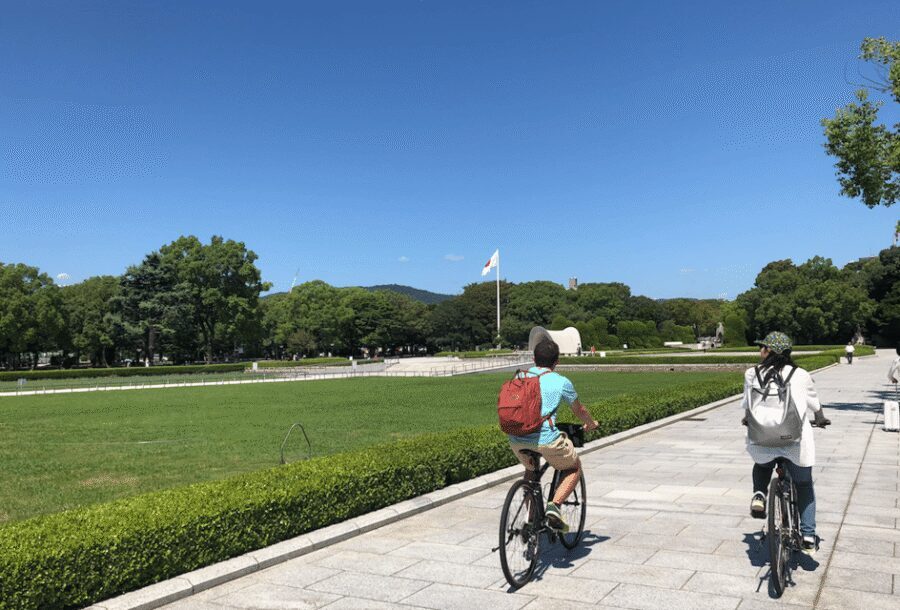
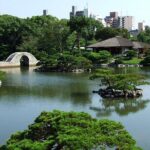
After the shrine and castle-area stops, you finish with Shukkei-en Garden. This Edo-period garden is widely regarded as one of the most beautiful traditional gardens in Western Japan, and you’ll get entry included.
Ending with a garden is excellent planning. It gives your body a calmer final act after cycling and walking through dense memorial spaces. You’ll have a chance to slow down and enjoy the atmosphere—something you can’t always find when your day is stuffed with transit connections.
From a practical standpoint, garden time is also a good way to recharge. You’ll likely take photos, but you can also just sit with your thoughts for a few minutes. It’s a gentle transition out of the emotionally intense part of the tour, and the guide’s storytelling often changes tone here from events to reflection and place.
The Ride Itself: Flat, Relaxed Cycling That Still Feels Like Hiroshima
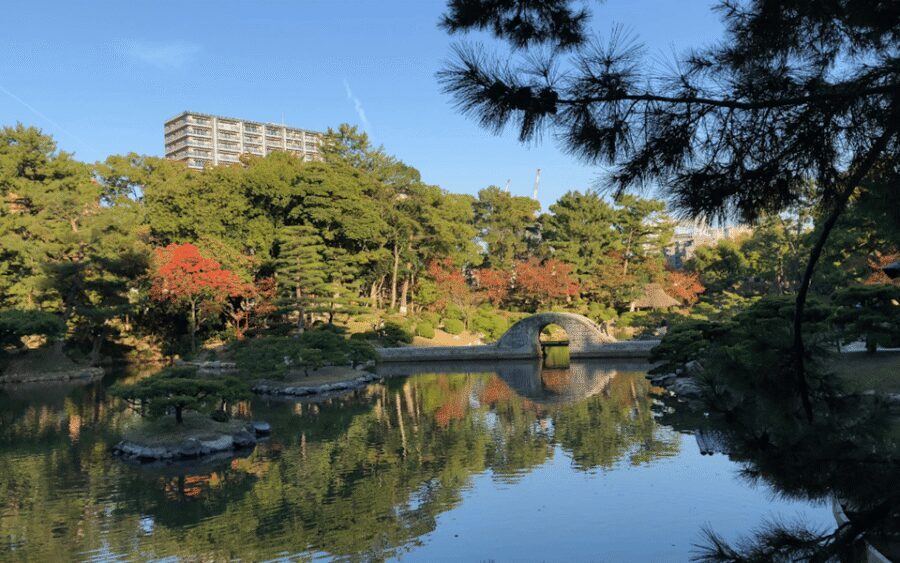
This tour is built around cycling that’s meant to be easy. The route is described as completely flat, and it’s suitable for anyone who can ride a bike. In real-world terms, that means the day is designed for steady pedaling rather than athletic effort.
You’ll likely cover roughly 10 km over the full experience, though the exact distance can vary depending on the route chosen and how long you linger at each stop. Reviews also point out that breaks are appreciated on hot days, and the pace tends to stay relaxed with frequent stops for information and photos.
Safety is part of the experience, and the route is generally designed to avoid feeling like you’re constantly fighting traffic. Riders have described that it feels safe and easy, with very limited time actually on roads. Still, biking in a city is biking in a city—so if you’re new to cycling, just keep your eyes up and take the guide’s pacing instructions seriously.
Timing matters too. The tour runs 210 minutes, which is long enough to feel complete, but short enough that it doesn’t swallow your whole day. That’s a big value point in Hiroshima, where major sights are concentrated but can still eat time if you’re using public transit or walking between them.
You can also read our reviews of more guided tours in Hiroshima

Price and Value: Why This $70 Day Can Be More Efficient Than Walking
At $70 per person for a 210-minute guided experience, you’re paying for a package—not just the “right to bike.” Here’s what’s included: an English-speaking guide, high-quality bike and helmet rental, bottled water, and entry to Shukkei-en Garden.
What that means for you: you avoid the time cost of figuring out bike rentals, navigating route planning between multiple sites, and paying admission separately for at least one major end stop. You also get access to places that can’t be reached as easily by car or bus, which is a subtle advantage. In other words, you’re not only saving effort—you’re also seeing the city in a more connected way.
Your money is also going toward the guide’s job: managing the group (limited to 8), keeping you moving at a comfortable pace, and providing the translation and context that make the Peace Park portion meaningful. The guide is especially important here. You can read signs on your own, but having a real person weave events, symbolism, and Hiroshima’s transformation into a clear story changes how the day lands.
What’s not included is also worth noting: hotel pickup and drop-off aren’t provided, and alcoholic drinks aren’t included. So you’ll want to plan to get to Cycle Hiroshima HQ on your own and keep your day simple with water and snacks if you need them.
Guide Style: Storytelling That Respects the Moment
The best bike tours aren’t just about movement. They’re about interpretation—what you’re supposed to notice while you’re standing there. This one is built for that, and the guide style shows up consistently in past departures.
Guides such as Miyu, James, Aimee, Hasan, Ehsan, and Awais have been noted for clear, careful explanations and for handling questions. Some also share personal family perspectives, which can add weight to the story without turning it into performance. The tone stays respectful, especially around the atomic bombing memorials.
Another practical detail: guides frequently stop for photo opportunities and pause often enough that you don’t feel like you’re constantly playing catch-up. That matters a lot on a bike day, because losing the group by accident is annoying even when you’re stressed.
If your goal is to understand Hiroshima beyond a quick glance, this guide format is a strong match. You’ll get history tied to specific monuments and places, then you’ll walk away with a clearer sense of how Hiroshima rebuilt and reshaped itself after 1945.
Who This Tour Fits Best in Hiroshima
This bike tour is a great idea if you want a structured “best of Hiroshima” loop without spending the whole day on your feet. It’s also a good fit if you want an English-speaking guide who can explain what you’re looking at, especially in the Peace Memorial Park area.
It does have clear boundaries, and you should take them seriously:
- Not suitable for children under 12
- Not suitable for pregnant women
- Avoid if you have back problems or heart problems
- Not suitable if you’re under 140 cm (4 ft 6 in)
- Not suitable if you have pre-existing medical conditions
If you’re outside those limits and you can ride a bike, this tour usually lands well because the route is flat and the pace is relaxed. If you’re sensitive to emotionally heavy content, you may still want to book—but plan mentally for the Peace Park portion and don’t rush yourself through it.
Also, consider your fitness level in the realistic way: this isn’t a mountain ride. But it is still sustained biking plus several stops. Comfortable shoes are a must, and you’ll feel better if your clothes let you move easily.
Should You Book This Hiroshima Bike Tour or Not?
Book this tour if you:
- Want to cover major Hiroshima highlights in half a day
- Prefer biking over walking between scattered sites
- Care about respectful, guided context at the Peace Memorial Park
- Like the idea of ending with Shukkei-en Garden included
Skip it if you:
- Can’t ride a bike comfortably (or are worried about the memorial stops emotionally)
- Need hotel pickup or door-to-door convenience
- Are likely to struggle with weather changes, since the tour requires good weather and won’t run in poor conditions
My practical take: for most visitors, this is one of the smarter ways to use limited time in Hiroshima. You get a flat, low-stress ride, a tightly planned route, and a guide who helps you see what matters.
FAQ
Where is the meeting point?
You meet at Cycle Hiroshima HQ. Look for the shop with the big Cycle Hiroshima sign on the front.
How long is the tour?
The duration is 210 minutes (about 3.5 hours).
Is the tour guided in English?
Yes, it includes an English-speaking live guide.
How big is the group?
The tour is limited to a small group, with a maximum of 8 participants.
What’s included in the price?
Included are the English-speaking guide, high quality bike and helmet rental, bottled water, and entry to Shukkei-en Garden.
What are the main stops on the route?
You visit Hiroshima’s Peace Memorial Park area (including the Atomic Bomb Dome), Gokoku Jinja, Hiroshima Castle grounds, and Shukkei-en Garden.
Is the cycling route flat?
Yes. The route is described as completely flat and suitable for anyone who can ride a bike.
What should I bring?
Bring comfortable shoes and comfortable clothes.
What happens if the weather is bad?
The experience requires good weather. If it’s canceled due to poor weather, you’ll be offered a different date or a full refund.