REVIEW · HIROSHIMA
The Peace Memorial to Miyajima : Icons of Peace and Beauty
Book on Viator →Operated by Pinpoint Traveler, Inc · Bookable on Viator
Hiroshima hits hard, then Miyajima calms you down. This day pairs Hiroshima’s Peace Memorial sites with the famous Miyajima scenery known for its red gate. I like that it moves at a human pace and keeps you focused on what matters.
Two things I really like: the small group size (max eight), and how the day is shaped by strong English-speaking guides such as Kensuke Ohguchi, plus others like Yuka Yoshida. You get context at the right moments, not a frantic checklist.
One drawback to consider is the pace of public transport between areas. If you hate buses, ferries, and tram connections, you may wish you had booked a private car tour instead.
In This Review
- Key things to know before you go
- Why This Hiroshima and Miyajima Combo Works
- Small-Group Size and Guide Style (Kensuke and Yuka)
- Meeting Point and How the Day Flows
- Hiroshima Peace Memorial Park: The Moment You Arrive
- Atomic Bomb Dome Photos: Short Time, Big Impact
- Peace Memorial Museum: When an Hour Feels Like More
- Getting to Miyajima: The Ferry Moment
- Itsukushima Shrine: Serenity With Real Atmosphere
- Price and Value: What $167.44 Is Buying You
- Who This Tour Suits Best
- Practical Tips for a Smoother Day
- Should You Book This Tour?
- FAQ
- What is the duration of the Hiroshima Peace Memorial and Miyajima tour?
- How many people are in the group?
- What does the tour cost?
- What are the main stops during the day?
- Are admission tickets included?
- What transportation is included?
- Is lunch included?
- Where does the tour start and what time?
- Where does the tour end?
- Is the tour dependent on weather?
Key things to know before you go
- Max eight people means questions and timing are easier to manage
- Peace Memorial Park + Museum tickets are included, so you can spend more time on-site
- Atomic Bomb Dome is quick but unforgettable, planned as a short stop with no ticket hassle
- Miyajima + Itsukushima Shrine are built into one long day, not a rushed half-day
- Optional photographer-guide can add extra structure if you like taking photos intentionally
Why This Hiroshima and Miyajima Combo Works
This tour is built around two very different sides of Hiroshima. First, you face the history of August 6, 1945 at the Peace Memorial Park and Museum—places that ask you to slow down and pay attention. Then you switch settings to Miyajima Island, where the mood is lighter and nature and shrine culture take the lead.
That change is exactly why I’d pick this itinerary. A Hiroshima day can feel emotionally heavy when it’s only memorials and facts. By adding Miyajima’s calm streets and Itsukushima Shrine, you come away with more than just tragedy. You also see how Japan holds on to meaning, identity, and quiet beauty after a rupture in history.
You can also read our reviews of more tours and experiences in Hiroshima.

Small-Group Size and Guide Style (Kensuke and Yuka)
A group capped at eight is a big deal here. Hiroshima sites require more than head-down sightseeing. You want time for questions, and you want someone to help you understand what you’re looking at—especially at the Museum, where the details can be intense.
Guides matter. Many guests highlight Kensuke Ohguchi for clear English and strong pacing around the Peace Park and the Museum. Another guide named Yuka Yoshida is praised for her knowledge and the way she guides people through Miyajima. In both cases, the pattern is the same: the guide gives context in plain language, then helps you keep moving without feeling rushed.
If you’re the type who likes photos, there’s also an option to book with a professional photographer-guide. That’s not just for snapping pictures. It tends to add structure—helpful angles, timing, and practical habits that make your photos look better without turning the day into a studio session.
Meeting Point and How the Day Flows
You start at 8:30 am at a 7-Eleven in Hiroshima (Hiroshima Motoyasubashi East Store). The end point is Hiroshima Station (drop-off in central Hiroshima, with the tour finishing at the station area). The day is designed to include travel time, so don’t plan anything tight afterward.
This is a public-transport day. That means trams, buses, and a ferry ride are part of the schedule, and those fares are included. The upside: you’re not stuck paying for private transfers or waiting around for a car to appear. The downside: you need to be comfortable walking and navigating connections.
Bring moderate expectations for pace. One short stop at Atomic Bomb Dome and then moving on quickly to keep the full schedule balanced. If you prefer long, silent wandering with zero schedule pressure, consider whether you want a custom pace. Here, you’re trading some free time for a complete loop.
Hiroshima Peace Memorial Park: The Moment You Arrive
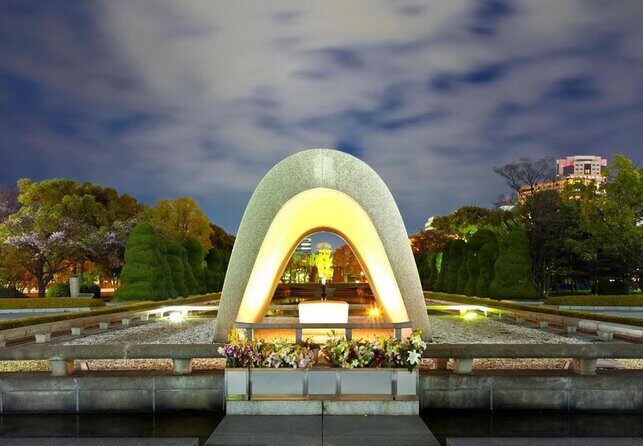
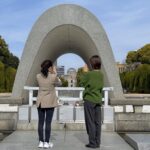
The day starts at Hiroshima Peace Memorial Park, where the setting itself helps you transition from normal travel mode to something more serious. It’s not just monuments in a vacuum. You move through greenery and open areas with water nearby, which makes the space feel reflective rather than purely architectural.
You get around two hours here, with admission included. That time matters. You’re given the chance to see how the memorial space is organized, how people gather, and what the key landmarks are meant to communicate. It’s also the place where you’ll likely notice the flow from Dome views into Museum context later.
A practical tip: wear shoes you can walk in for longer stretches. Even with a guided schedule, you’ll be on your feet for much of the morning. If your legs get cranky, this tour can still work, but you’ll want to plan comfort first.
Atomic Bomb Dome Photos: Short Time, Big Impact
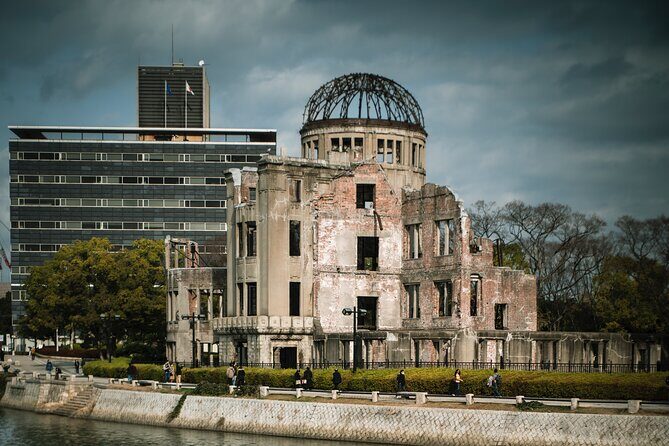
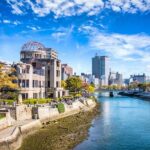
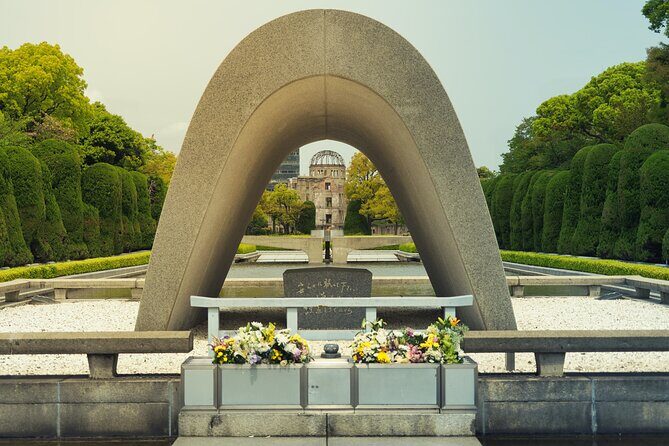
Next is the Atomic Bomb Dome. The stop is about 20 minutes, and it’s free to view. That short window can feel almost too quick if you’re someone who loves lingering on one sight. But that’s also the point: you get the essential view and then move on, rather than turning one landmark into the whole day.
What makes this spot so powerful is the way the building is preserved and framed as a witness to history. Even if you’ve seen photos before, the real location carries weight. The structure feels both specific and symbolic at the same time.
If you’re taking photos, keep it simple. Get a few good angles, then step back and let the moment land. It’s the kind of stop that’s less about the perfect shot and more about remembering why you came.

Peace Memorial Museum: When an Hour Feels Like More
The Hiroshima Peace Memorial Museum is the emotional anchor of the day. You get about one hour, and admission is included. One hour sounds short on paper, but the Museum is dense with information and personal stories. You’ll probably leave feeling like you need another visit to fully absorb everything.
This is also where a good guide changes everything. Guides can help you decide what to focus on first, how to read the space, and how to pace yourself so the experience doesn’t turn into mental overload. Guests often mention guide timing that allows enough time without feeling rushed, especially around key exhibits.
My advice: go in expecting intensity. Don’t treat it like a standard museum stop. Instead, choose a few themes you care about—human impact, reconstruction, and lessons drawn from what happened—and let the rest support those themes.
If you’re sensitive to heavy material, you still can do the tour. Just make a plan for breaks. Even a short pause helps you stay open to the story instead of just absorbing stress.
Getting to Miyajima: The Ferry Moment

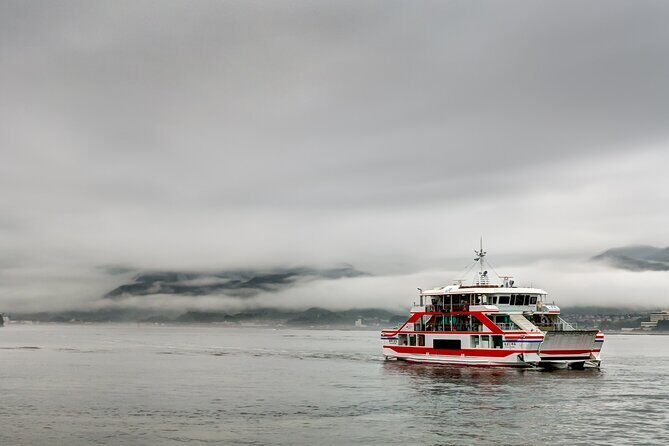
After Hiroshima’s memorial sites, the tour shifts toward Miyajima Island. You’ll have about two hours to enjoy Miyajima, and the schedule includes public transport and ferry travel (ferry included in the transportation fares).
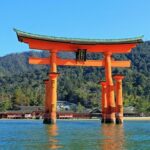
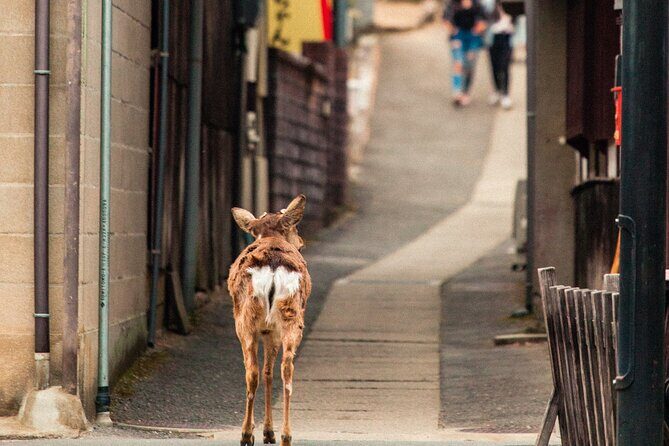
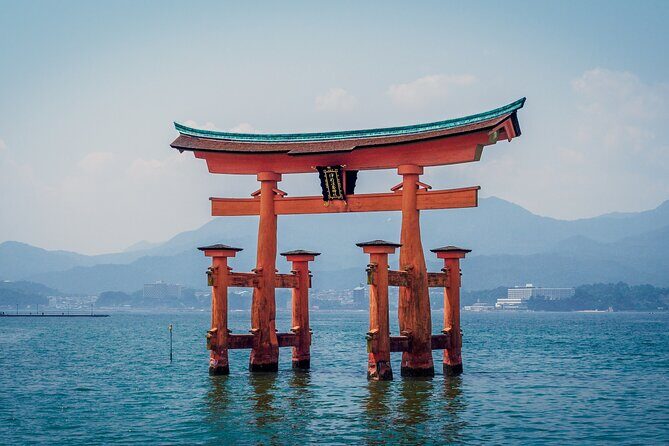
One reason this transition works: Miyajima is a reset. The vibe is calmer, streets are slower, and you start seeing traditional Japanese architecture and familiar sightseeing comforts. You’ll also notice the famous “floating” reputation of the red gate at Itsukushima Shrine, which is part of why this island is so famous.
Don’t underestimate travel fatigue. Ferries and walking add up. If you’re doing this in summer heat or winter cold, you’ll feel it more during the island portion. Bring a water bottle and plan for slower breathing once you arrive.
Itsukushima Shrine: Serenity With Real Atmosphere
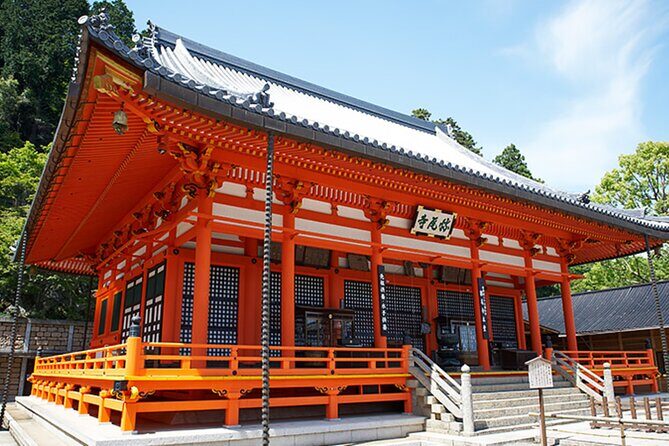
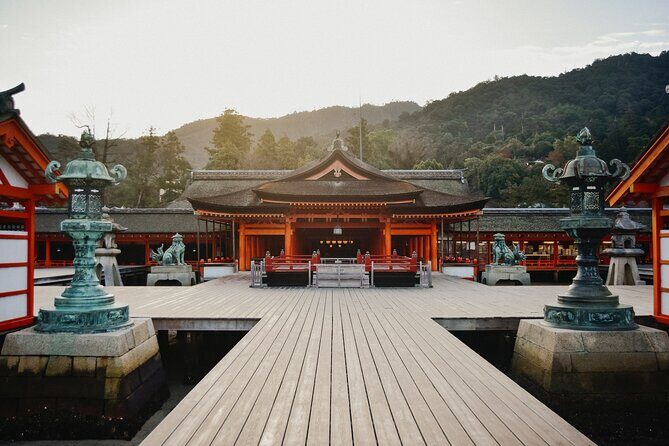
Itsukushima Shrine is the final highlight, with about 1 hour 30 minutes on-site and admission included. This is where Miyajima’s identity becomes obvious. You don’t just see buildings—you experience a place designed for quiet movement and reverence.
The shrine is known for its iconic red gate view, and it’s a genuinely memorable contrast after the Museum. Even if you’re not a shrine expert, you’ll understand the visual language quickly: the construction style, the sense of space, and the way the site feels connected to its surroundings.
Here’s the practical part: use your time to do both. Walk the paths around the main shrine areas, but also pause long enough to look at the overall composition. A guided schedule can make you move quickly, so I’d build in a few moments where you just stand and watch.
If you’re a photo person, this is your moment. The environment is made for images. But the best results come from slowing down—shooting fewer shots, then stepping back to enjoy it without feeling like a screen takes over the day.
Price and Value: What $167.44 Is Buying You
At $167.44 per person, you’re paying for a structured day that covers far more than “transport plus tickets.” Your money goes toward guided context at the memorial sites, ticket coverage for key stops, and included public transport fares across Hiroshima and the ferry to Miyajima.
What’s smart about the value here:
- Small group size keeps the experience personal.
- Peace Memorial Park and the Museum include admission, so you’re not doing ticket math mid-day.
- Transport fares are included, which matters because the area relies on trams, buses, and a ferry chain.
- You get a full loop: Hiroshima’s major memorial icons plus Miyajima’s signature shrine.
What’s not included is lunch. That’s worth planning for. If you wait until you’re hungry, you might end up paying more than you’d like or settling for something less appealing. Pick a plan beforehand, even if it’s just deciding where you’d like to stop for food when you reach Miyajima.
Who This Tour Suits Best
This tour fits best if you want:
- A manageable schedule that hits Hiroshima’s core memorial landmarks plus Miyajima in one day
- A guide who helps explain what you’re seeing without turning the day into a rushed lecture
- A small group setting where questions are easy to ask
It may not suit you as well if:
- You want slow, independent time at each stop
- You dislike public transport connections
- You prefer private vehicle comfort and minimal walking
The sweet spot is limited time. If Hiroshima is one stop on a broader Japan trip, this is a very efficient way to see the essentials while keeping the day human.
Practical Tips for a Smoother Day
You’ll walk enough that shoes matter. Think comfort over style. Bring layers too: the memorial areas and the island portion can feel different as the day shifts from city to water and from sun to shade.
Also plan around food. Lunch isn’t included, and the schedule includes multiple travel segments. If you want a calm meal, decide whether you’ll eat on Miyajima or grab something earlier in the day.
Lastly, if you’re choosing the optional photographer-guide, do it because it helps you work intentionally. Don’t expect magic without doing your part. But with the right guidance, you’ll spend less time fumbling with settings and more time getting images that actually match the scene.
Should You Book This Tour?
Yes, I’d book it if you want a clear, small-group route through Hiroshima’s Peace Memorial sites and you also want the emotional reset of Miyajima. The combo makes sense: heavy history in the morning, then a meaningful shift to shrine culture and island atmosphere.
I’d pause before booking only if public transport and walking between stops will stress you out. This day is efficient, and that efficiency relies on trains, trams, buses, and ferry timing.
If you can handle that, you’ll likely feel you got both meaning and beauty out of the day—plus the added value of guides such as Kensuke Ohguchi or Yuka Yoshida, who are repeatedly praised for guiding the pace and keeping the story understandable.
FAQ
What is the duration of the Hiroshima Peace Memorial and Miyajima tour?
The tour runs about 8 hours.
How many people are in the group?
The group is limited to a maximum of 8 travelers.
What does the tour cost?
The price is $167.44 per person.
What are the main stops during the day?
You visit Hiroshima Peace Memorial Park, the Atomic Bomb Dome, the Hiroshima Peace Memorial Museum, Miyajima, and Itsukushima Shrine.
Are admission tickets included?
Hiroshima Peace Memorial Park and the Hiroshima Peace Memorial Museum include admission. Itsukushima Shrine includes admission. The Atomic Bomb Dome stop is listed as free, and Miyajima is listed as admission-free.
What transportation is included?
Public transportation fares are included, including tram, bus, and ferry.
Is lunch included?
No, lunch is not included.
Where does the tour start and what time?
It starts at 7-Eleven Hiroshima Motoyasubashi East Store at 8:30 am.
Where does the tour end?
It ends at Hiroshima Station, with drop-off in central Hiroshima.
Is the tour dependent on weather?
Yes. The experience requires good weather. If it’s canceled due to poor weather, you’ll be offered a different date or a full refund.