REVIEW · HIROSHIMA
1-Day Private Sightseeing Tour in Hiroshima and Miyajima Island
Book on Viator →Operated by Japan Experiences and Tours Company · Bookable on Viator
Two icons of Japan, one day. This private Hiroshima and Miyajima tour strings together Hiroshima’s Peace Memorial Park and Miyajima’s Island of Gods in about 8 hours, and I like how the day can be tailored to what you care about most. One practical catch: the tour price covers guiding, but you’ll still pay extra for things like the ferry, museum entry, and lunch.
What makes this kind of trip work is the human layer. Guides such as Midori, Hide, Kazue Ikeda, Yoko, Taka, Ryoga, and Mino were praised for staying flexible around crowds, explaining what you’re seeing in clear plain language, and keeping the day moving without feeling rushed. If you’re sensitive to crowds or want zero extra spending, that’s where you’ll want to plan carefully.
In This Review
- Key Points You’ll Feel During the Day
- Why This Hiroshima and Miyajima Day Works in One Long Stretch
- How the Guide Changes Your Day (and Why Names Came Up Again and Again)
- Stop 1: Hiroshima Peace Memorial Park in About 1 Hour
- Stop 2: Miyajima’s Island of Gods, Shrines, and Island Atmosphere (About 3 Hours)
- Stop 3: Hiroshima Peace Memorial Museum (Plan on the Fee)
- Stop 4: The Atomic Bomb Dome and the UNESCO Feel (About 1 Hour)
- Tickets, Ferries, Museum Fees, and the Real Cost of the Day
- Expect these extra costs (based on what’s listed)
- Timing and Planning: Choosing a Morning Start Without Stress
- The Best-Fit Traveler (and Who Might Want a Different Plan)
- Should You Book This Private Hiroshima and Miyajima Tour?
- FAQ
- How long is the Hiroshima and Miyajima private sightseeing tour?
- How many people are allowed per private group?
- What is included in the tour price?
- What costs are not included?
- Do I need to pay for the ferry to Miyajima?
- Is the museum ticket included?
- Is lunch included?
- What about local transportation during the tour?
- What if the weather is bad?
Key Points You’ll Feel During the Day
- A tight route with flexible morning start times so you can match your energy and your ferry timing
- Private-group guiding that helps you focus on meaning instead of logistics
- Hiroshima’s memorial sites in a focused sequence, including the Peace Memorial Museum and the Atomic Bomb Dome
- Miyajima’s spiritual atmosphere and photo moments built into a 3-hour stretch
- Extra costs to budget in yen (ferry, museum fees, local transit, and optional gardens)
Why This Hiroshima and Miyajima Day Works in One Long Stretch
If your Hiroshima time is short, trying to stitch together Peace Memorial Park, the museum, the Atomic Bomb Dome, plus Miyajima on your own can turn into a full-time job. This tour is built for a single-day hit: one guide, one plan, and a schedule that keeps you from bouncing around too much.
I also like that the day is designed around choices. You can lean harder into Hiroshima’s history and memorials, or shift your attention to Miyajima’s spiritual side and slower island mood. And because it’s private, you can ask your guide to adjust when crowds form or when you realize you want extra time in one place.
The overall vibe is thoughtful and practical at the same time. Hiroshima asks for stillness and attention. Miyajima asks for walking, looking up, and letting your pace slow down a bit.
You can also read our reviews of more private tours in Hiroshima

How the Guide Changes Your Day (and Why Names Came Up Again and Again)
In a place like Hiroshima, you don’t just need directions. You need context, the why behind what you’re standing in front of, and a way to connect the sites into one story.
That’s where guides have a big effect. In positive experiences shared by groups, guides such as Midori were described as knowledgeable and flexible when things got crowded. Hide was praised for helping families and for making the city feel navigable. Kazue Ikeda was noted for being well prepared so the day ran smoothly. Mino stood out for punctuality and for clarifying transportation expenses clearly.
On the emotional side, several guides were specifically praised for sharing personal family survival stories connected to Hiroshima. That kind of firsthand connection doesn’t change what happened, but it can change how the day lands in your own mind.
Here’s the balanced take: not every guide experience is described as equally strong. So if you’re booking for a highly structured, deeply interpretive day, do yourself a favor and come with questions. Ask your guide what they recommend you do first, what to skip if you’re short on time, and how they suggest you approach the museum emotionally and mentally.
Stop 1: Hiroshima Peace Memorial Park in About 1 Hour
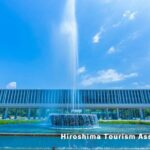
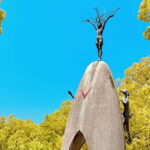
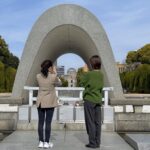
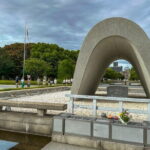
You start at Hiroshima Peace Memorial Park for about an hour. The focus here is the atomic bombing and the human impact on Hiroshima as the first city to suffer a nuclear attack at the end of World War II. That’s the tone the whole day keeps.
Expect a visit that’s more about paying attention than checking boxes. Your guide can help you decide what to look at first and how to move through the area without losing your place. Even if you’ve read about the event before, being physically there changes the experience. It’s one of those places where your brain slows down whether you want it to or not.
Also, the park is where you’ll encounter the A-bomb Dome area in the broader memorial setting. Even if you don’t linger on it yet, the sight works like a gravity point for everything that comes later.
Practical note: the tour lists a moderate physical fitness level. Plan on walking and standing for stretches, and wear shoes you can handle for an 8-hour day.
Stop 2: Miyajima’s Island of Gods, Shrines, and Island Atmosphere (About 3 Hours)
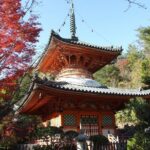
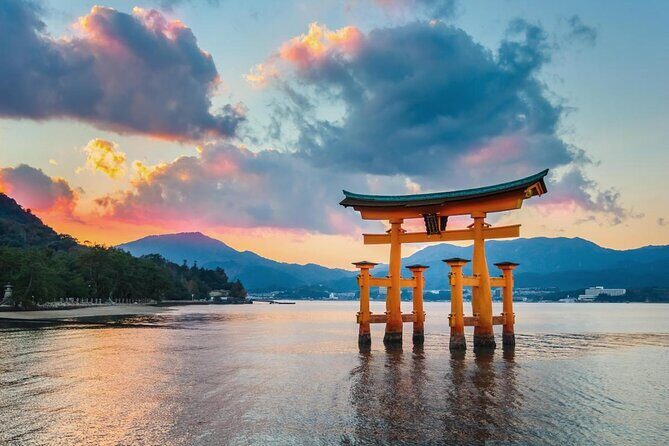
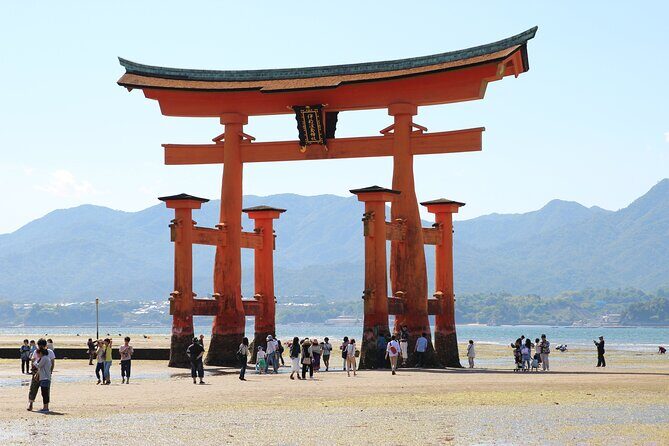
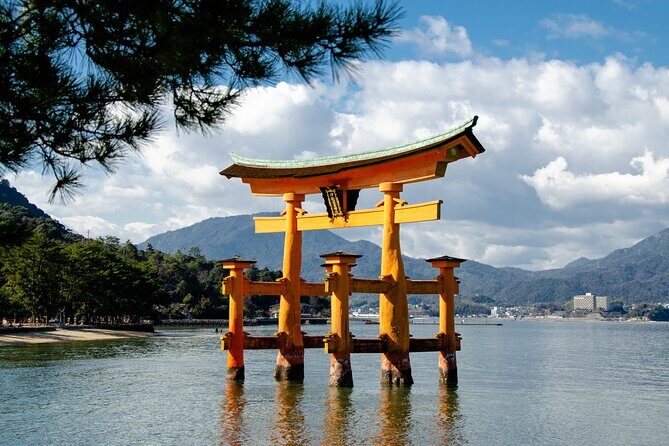
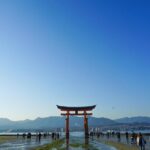
Next comes Miyajima for about 3 hours. This is the spiritual break in the day—nature, history, and spirituality blending together in a way that feels far calmer than Hiroshima’s memorial spaces.
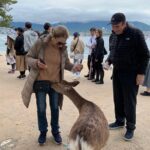
Miyajima is described as the Island of Gods, and you’ll see that reflected in the shrine atmosphere and the way people move more slowly. Several experiences praised the island’s serene feel, including the deer roaming around and the overall vibe of the area. There was also mention of food and photo opportunities, with fresh oysters specifically called out in one description.
How you spend those 3 hours is where customization shows up. If you want more time for quiet reflection, you can ask your guide to build that into the schedule. If you want photos and wandering, you can push the time toward viewpoint areas and strolling routes instead.
Practical detail: admission to Miyajima itself isn’t listed as included, but your big ticket item is the ferry. The ferry to Miyajima from Hiroshima is listed as an extra ¥2,000 per person, so don’t treat this part as “included with the tour price.”
Stop 3: Hiroshima Peace Memorial Museum (Plan on the Fee)
After Miyajima, you head to the Hiroshima Peace Memorial Museum for about an hour. The museum’s role is to explain the events of that day and the ongoing impact on Hiroshima, with exhibits designed to help you understand what happened and what it did to people and the city.
Emotionally, this is often the hardest stop on the schedule. A short, well-timed hour can be more powerful than trying to rush through more. If you tend to get overwhelmed in museums, tell your guide. They can help you pace how you move and what you prioritize.
Cost-wise, the museum entrance fee is listed as extra: ¥200 per person. Since it’s not bundled into the tour price, it’s smart to budget it in before you arrive so there’s no surprise mid-day.
A few more Hiroshima tours and experiences worth a look
Stop 4: The Atomic Bomb Dome and the UNESCO Feel (About 1 Hour)

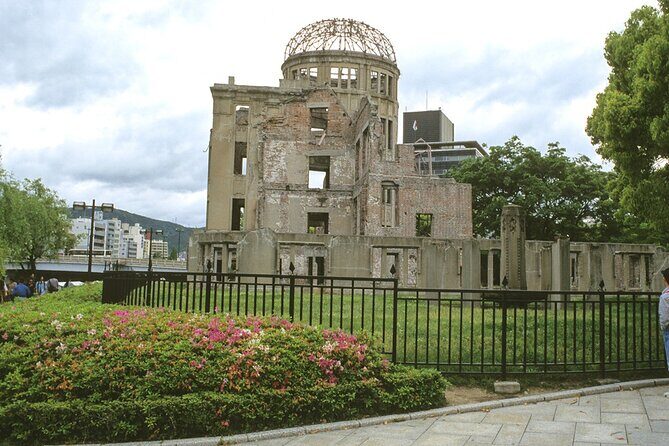
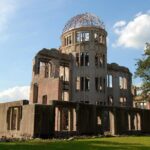
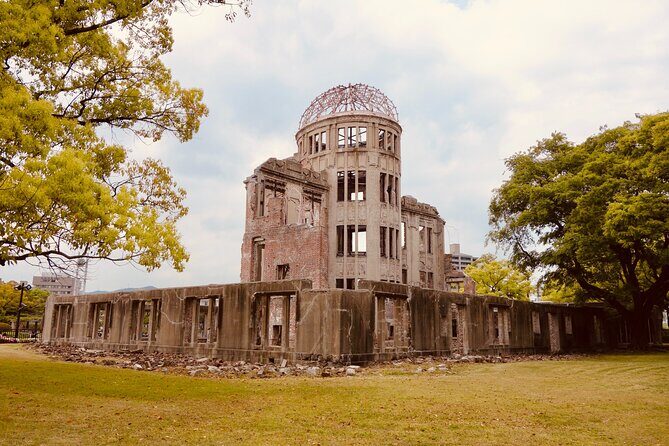
Your final major stop is the Atomic Bomb Dome area for about an hour. It’s one of the few structures that survived the devastation and it’s described as a UNESCO World Heritage site, with moving memorial monuments around it.
If Hiroshima Peace Memorial Park sets the mood, the dome gives it a sharp edge. You’re no longer looking at a general memorial space. You’re looking at a particular building that became a symbol of resilience.
This is also the stop where your guide’s framing matters most. Even if you know the facts, you still need help reading what you’re seeing: why it was preserved, how the area communicates memory, and what you should pay attention to if you only have a short time.
Admission here is listed as free (for this stop). So you’re spending your money on guiding and logistics, not ticket entry at the dome itself.
Tickets, Ferries, Museum Fees, and the Real Cost of the Day
The advertised price is $490.00 per group (up to 8), and it’s a mobile-ticket experience. That means you’re paying for guide services and tour arrangement, not a fully packaged all-in-one pass to everything.
Here’s the reality check: the tour explicitly notes that transportation cost is not included, and several key items are listed as extra. If you want to judge value, you have to add these lines in your head.
Expect these extra costs (based on what’s listed)
- Ferry to Miyajima from Hiroshima: ¥2,000 per person
- Hiroshima Peace Memorial Museum entrance fee: ¥200 per person
- Hiroshima Shukkeien garden entrance fee (listed as an extra): ¥260 per person
- Lunch: not included
- Transportation during the tour (public): ¥3,000 per person
- Optional: Private transportation if you do not want public transit: ¥120,000 per booking
A quick value perspective: if you fill the full group capacity (8 people), the base fee works out to about $61 per person before add-ons. But if you’re a smaller party, your per-person share rises quickly, and the yen add-ons still remain per person.
That’s why I think this tour is best for groups who share the cost and want a guided day that covers real emotional weight without you spending your trip time figuring out how to connect everything.
Timing and Planning: Choosing a Morning Start Without Stress
The tour offers several morning start times, so you can pick what fits your schedule. That matters because Miyajima involves a ferry crossing, and Hiroshima’s memorial areas can get crowded.
One theme from positive experiences is that guides handled crowds well and adjusted on the fly. You should still show up with realistic expectations: it’s a popular day-trip region. Build in patience, and don’t schedule anything right after the tour ends.
The overall duration is about 8 hours. That’s long enough to feel like a full day, but short enough that you won’t want to add extra stops without checking with your guide first.
And if you’re traveling with seniors or anyone who needs slower pacing, it’s worth mentioning that you have mixed mobility needs. Several experiences specifically highlighted a guide’s ability to handle an elderly person well.
The Best-Fit Traveler (and Who Might Want a Different Plan)
This tour makes the most sense if:
- you want a private guide and a clear structure for a one-day Hiroshima visit
- you care about Hiroshima’s memorial context and want someone to help you connect the sites
- you want Miyajima without turning your day into a logistics puzzle
- you’re traveling with up to 8 people and can share costs
It may be less ideal if:
- you’re on a tight budget once you add the ferry, museum fee, local transit, and lunch
- you strongly prefer totally independent exploring with no guidance or no schedule
- you’re expecting a fully all-in-one ticket price with no extra payments (because you’re definitely paying for key items)
Should You Book This Private Hiroshima and Miyajima Tour?
I’d book it if you want your day to feel guided, emotionally framed, and efficient. The combination of Hiroshima’s memorial sites and Miyajima’s spiritual island atmosphere is a powerful contrast, and the tour is built to keep you moving while still giving time to actually look and process.
Book it with eyes open on cost. The base price covers guiding and arrangement, but the real total depends on ferry and transit per person, plus museum and lunch. If you budget for those from the start, you’ll likely feel like the day was worth the money.
If you’d rather spend your time on self-guided wandering and you already know the route, then you may not need this level of structure. But if you want someone to help you see Hiroshima with care and then shift gears into Miyajima’s calmer rhythm, this is a solid match.
FAQ
How long is the Hiroshima and Miyajima private sightseeing tour?
It runs for about 8 hours.
How many people are allowed per private group?
It’s priced per group of up to 8 people, and it’s private (only your group participates).
What is included in the tour price?
The price includes guiding fees and tour arrangement.
What costs are not included?
Admission fees (including the peace museum), ferry to Miyajima, lunch, and transportation during the tour (public) are not included in the base price.
Do I need to pay for the ferry to Miyajima?
Yes. The ferry from Hiroshima to Miyajima is listed as an extra ¥2,000 per person.
Is the museum ticket included?
No. The Hiroshima Peace Memorial Museum entrance fee is listed as an extra ¥200 per person.
Is lunch included?
No. Lunch is not included.
What about local transportation during the tour?
Transportation during the tour (public) is listed as an extra ¥3,000 per person. There is also an optional private transportation option listed as ¥120,000 per booking if you don’t want public transit.
What if the weather is bad?
The experience requires good weather. If canceled due to poor weather, you’ll be offered a different date or a full refund.