REVIEW · HIROSHIMA
Miyajima Half-day Trip Historical Walking Tour
Book on Viator →Operated by MagicalTrip Inc. · Bookable on Viator
Miyajima feels different with a guide. This half-day walk in Hiroshima’s sacred island world pairs Itsukushima Shrine photo moments with Hiroshima oyster lunch, all paced for a small group of up to six. The big plus for me is how you’re guided through the key spots without playing map roulette, plus you get photo tips and context at every stop. One thing to consider: the route involves walking, hills, and stairs, and lunch options are limited for some diets.
You’ll start with a ferry over Seto Inland Sea for that signature view of the Ōtorii, then shift from sea-level scenery to temples and shrines tied to Japanese spirituality and local island life. Expect a focused 5 hours 30 minutes, a mobile ticket, and entrance fees covered, while the ferry itself is still on you (500 yen round-trip).
In This Review
- Key points I’d plan around
- Why This Miyajima Walk Works: Shrines, Sea Views, and Small Groups
- Ferry Views and the Ōtorii: Getting Oriented Fast
- Itsukushima Shrine: The Architecture That Looks Like It’s Floating
- Daishoin Temple: Shingon Buddhism and the Statuary Details
- Momijidani Park and Senjokaku: Two Photo-Friendly Stops
- Miyajima Omotesando: Food, Souvenirs, and the End-of-Walk Energy
- Hiroshima Local Lunch: Oysters and Momiji Dumplings, Plus the Diet Reality Check
- Pacing, Comfort, and What to Pack for a Hot, Step-Heavy Island
- Price and Value: What You Get for $109.43
- Who Should Book This Tour (and Who Might Skip)
- Should You Book the Miyajima Half-Day Historical Walking Tour?
- FAQ
- How long is the Miyajima half-day walking tour?
- What is the tour price?
- Is the ferry to Miyajima included?
- What meals are included?
- Are there vegetarian or vegan lunch options?
- Is gluten-free lunch available?
- Can the tour accommodate allergies?
- What should I bring for hot weather?
- What is the meeting point address?
- Can I cancel for a refund?
Key points I’d plan around
- Max 6 people keeps the pace human and the guide’s attention closer.
- Entrance fees covered for shrines, temples, and a museum-like stop.
- Oyster lunch + momiji dumplings are included in the price.
- Photo stops at the Ōtorii, Momijidani, and key shrine angles.
- Spiritual context across Shinto and Shingon Buddhist sites.
- Dietary limits: vegetarian/vegan available but limited; gluten-free lunch not available.
Why This Miyajima Walk Works: Shrines, Sea Views, and Small Groups
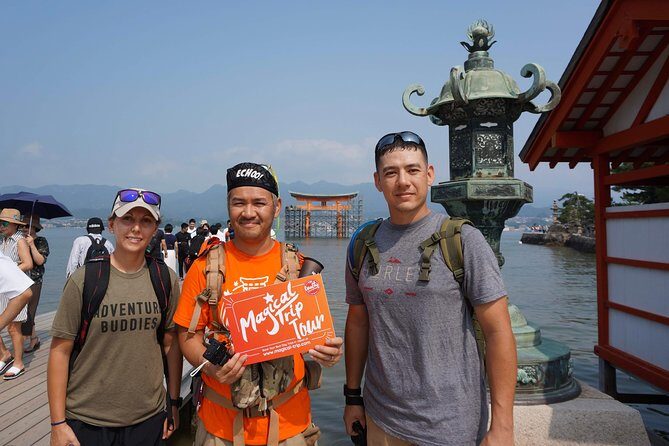
Miyajima is one of those places where it’s easy to get distracted by beauty and miss the meaning. This tour solves that by giving you a tight route with time at the places that actually explain the island’s spiritual pull, from shrine architecture to Buddhist statues and temple grounds.
I also like the small group size. With a maximum of six travelers, the walk doesn’t feel like a herd, and you can ask questions without waiting your turn. That small size matters on Miyajima because you’re constantly moving between viewpoints, steps, and photo angles.
The tour runs about 5 hours 30 minutes, which is perfect if you want a Miyajima highlight day without committing to an all-day shuffle or an overnight. If you’re the kind of traveler who wants to see a lot but still keep your feet from filing a complaint, this timing is a good match.
You can also read our reviews of more walking tours in Hiroshima
Ferry Views and the Ōtorii: Getting Oriented Fast
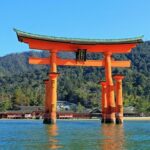
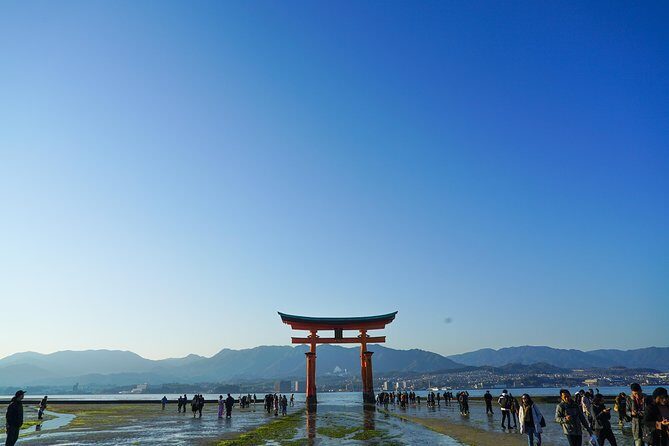
The experience starts by meeting at 1-chōme-3-26 Miyajimaguchi, Hatsukaichi, Hiroshima and then taking the ferry to Miyajima. That ride is more than transport. You’re set up for sweeping views across the Seto Inland Sea, and you’ll be watching for the iconic Ōtorii that puts Miyajima on the map.
A practical note: the ferry fee is not included. Budget 500 yen round-trip so you’re not scrambling at the ticket gate. Once you’re on the island, your guide handles the flow so you don’t spend time sorting out which direction gets you to the best spots first.
Timing matters here because the Ōtorii’s look changes with tide. On days when conditions allow, you may be able to get closer to the base than you expect, which turns the famous view into something you can feel. Even if you can’t get all the way to the waterline, having a guide on your side helps you choose angles that show the shrine’s relationship to the sea.
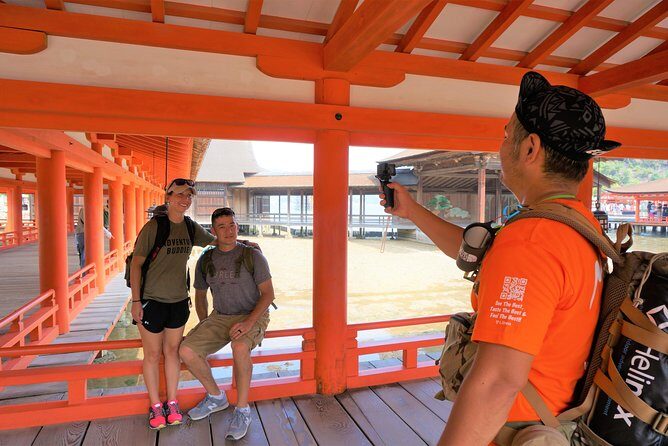
If you care about photos, this is where the tour earns its keep. The guide will keep your camera ready, and you’ll hit the corridor of coastal viewpoints that most people only notice after they’ve already walked past them.
Itsukushima Shrine: The Architecture That Looks Like It’s Floating
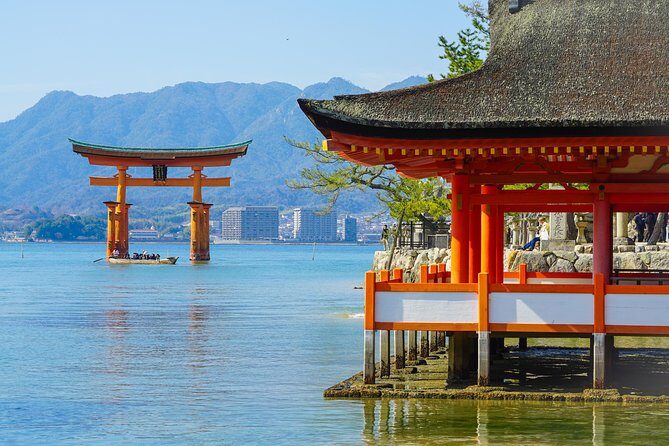
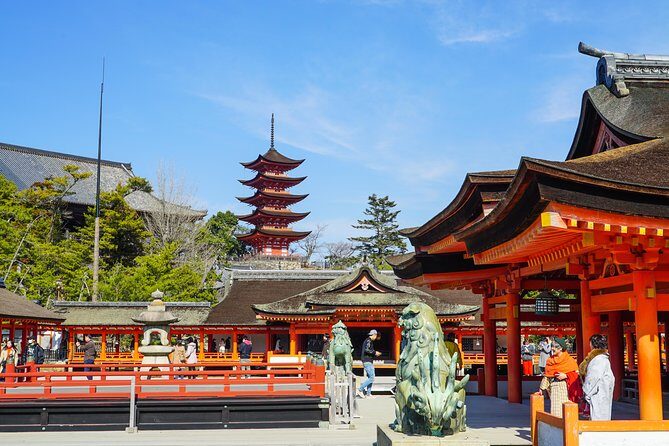
After getting oriented near the sea, you’ll stroll along the coast toward the Ōtorii gate and then into Itsukushima Shrine. This is the part where Miyajima stops being just scenic and starts becoming spiritual. You’ll take photos with the shrine as a backdrop, but the payoff is the explanation that connects what you’re seeing to why it’s special.
One standout detail: the shrine’s architecture is tied to the Heian period (794–1192), and it’s known for being resilient to tidal rhythms. That matters because the shrine feels like it’s in dialogue with the water. When you understand the design choice, the view reads differently. Instead of just a pretty picture, it becomes a crafted response to the sea and the way pilgrims move through the landscape.
You’ll also have a useful reset moment built into the schedule. The stop time for the shrine area gives you room to pause, photograph, and not feel rushed through the most iconic section.
If you’re the type who gets overwhelmed on your own, a guided stop like this is a relief. You’re not trying to translate signs while also managing foot traffic and stairs. You just follow the plan, absorb the story, and get the shots you came for.
Daishoin Temple: Shingon Buddhism and the Statuary Details
Next you’ll head to Daishoin Temple, where the focus shifts from Shinto shrine spirit to Buddhist practice. Your guide will explain Buddhism and point out details in the statues, which is important because temples can look similar if you’re not sure what to look for.
Daishoin is the main temple of the Omuro school of Shingon Buddhism on Miyajima-cho. Even if that phrasing means nothing to you on day one, the tour gives you a framework: what these spaces are for, and why the island holds so many layers of devotion.
The time here is shorter than some people expect (around 30 minutes), so think of it as a highlight introduction rather than a long lecture. You’ll want to wear shoes you can trust. Some parts of Miyajima involve stair climbs and uneven paths, and Daishoin is one of the stops where your legs will notice.
Still, the temple is often the most memorable moment for many first-timers. You’re not just looking at buildings; you’re being directed toward symbolic elements and the human reasons visitors come looking for calm and meaning.
Momijidani Park and Senjokaku: Two Photo-Friendly Stops
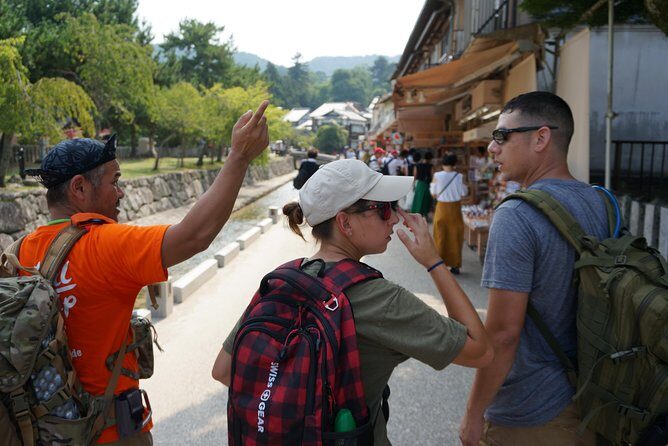
From Daishoin, you’ll head to Momijidani Park, which is built into the itinerary as a dedicated photo window. The purpose is simple: step into the right viewpoints, take your pictures, and keep your energy from getting drained by constant motion.
Momijidani pairs nicely with the temple portion. After the more structured spiritual setting of a main temple, the park feels like a visual breath—still part of the island’s character, but easier on the pace.
Then you’ll move to Senjokaku (often known by its common name tied to the terminal shrine). This is where architectural and devotional details become the story again. Senjamikaku refers to the main hall of the shrine’s terminal shrine, associated with Toyokuni Shrine on Itsukushima.
You’ll get an explanation of why this building matters, and you’ll have time to take it in without sprinting. That balance is one of the best parts of the tour: it gives you enough time to understand what you’re seeing, but it doesn’t drag.
If you like walking tours that still feel efficient, this is the spot where you’ll feel the schedule doing its job. You won’t be guessing, and you won’t be stuck deciding what to skip.
You can also read our reviews of more historical tours in Hiroshima

Miyajima Omotesando: Food, Souvenirs, and the End-of-Walk Energy
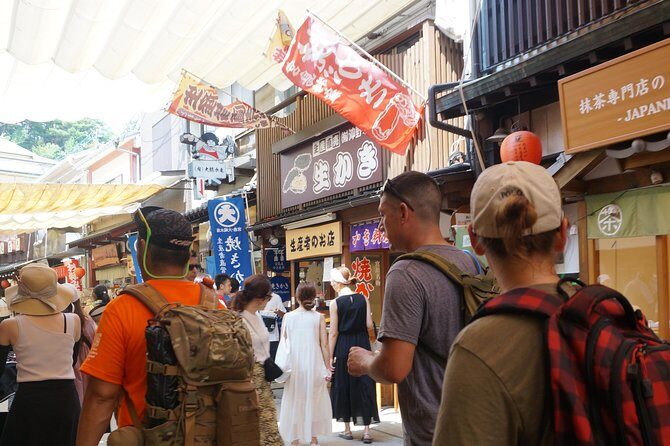
To close things out, you’ll spend about one hour on Miyajima Omotesando Shopping Street. This is where the island’s everyday side shows up: souvenir shops side by side with food stalls, and a lively channel of grilled bites and sweet treats.
You’re not left to wander blindly. The plan is structured so you can eat without spending half your time searching for what’s actually good. Expect the kind of island comfort food Miyajima is famous for, including grilled oysters and other local delicacies.
And yes, you’ll be walking again, so it helps that the tour has set up your day’s rhythm by then. By the time you hit Omotesando, you’re usually ready for a relaxed browse rather than another frantic climb.
If you want something memorable to take home, this is also where you’ll naturally spot it. The shopping street is right where the day’s spiritual sites meet island life.
Hiroshima Local Lunch: Oysters and Momiji Dumplings, Plus the Diet Reality Check
Let’s talk food, because this tour includes it for a reason. The Hiroshima local lunch is built around fresh or grilled oysters and momiji dumplings (which are a local specialty shaped like maple leaves).
This is the core value piece in the price. You’re not just paying for sightseeing; you’re getting a meal that matches the region’s identity. And since lunch is included, you avoid the common problem on Miyajima where meal planning becomes a guessing game while lines and crowds build.
Now the practical part: dietary options are limited. Vegetarian and vegan lunch options are available but limited, and gluten-free lunch is not available. Also, the tour provider notes they can’t guarantee allergy-free meals because the food is prepared in kitchens that don’t belong to the company. If you have allergies or strict needs, you’ll want to be proactive and inform them at least one day before the tour. Requests made on the day of the tour can’t be guaranteed.
If you can eat standard Japanese seafood and you’re not avoiding gluten, this lunch is a big win. It turns the tour into more of a full island experience, not just a walking circuit.
Pacing, Comfort, and What to Pack for a Hot, Step-Heavy Island

Miyajima is a walking day, even when the tour feels efficient. Build your comfort plan around heat, stairs, and the fact that you’ll be outside for long stretches.
The tour specifically flags summer conditions: hot and humid, with extreme highs that can reach around 40°C (110°F). Pack for that. Bring water, and wear a hat to reduce the risk of heat stroke. Even if the weather looks mild when you start, it can feel different after you’ve climbed and walked under sun.
Footwear matters. You’ll encounter stairs and hills throughout the island stops, including the temple area. If you show up in shoes that are only okay for flat city sidewalks, you’ll feel it by mid-tour.
For keeping your trip smooth, the tour uses a mobile ticket, which reduces paper hassle. That small detail sounds minor, but it helps when you’re moving through multiple transit touches in one half day.
And bring a camera, or at least your phone. The tour is built around photo-friendly views at the Ōtorii and along the shrine pathways, plus dedicated stops for pictures.
Price and Value: What You Get for $109.43
At $109.43 per person, this isn’t the cheapest way to do Miyajima. But it’s also not overpriced if you look at what’s included.
Here’s what the tour covers:
- A certified guide
- Entrance fees to shrines, temples, and a museum stop
- Tour photos
- Lunch with Hiroshima local specialties
- A plan that keeps you from wasting time finding the best viewpoints
The ferry is not included (500 yen round-trip), so add that to your budget. Still, the entrance fees and guided time can add up fast if you’re paying individual admissions and trying to self-plan with confidence.
Where the money really shows is the “why” behind what you see. Without context, Miyajima’s icons can turn into just photo backdrops. With a guide, those same scenes connect: shrine design and tides, Buddhist temple symbolism, and why certain stops matter.
If you only have a short window in Hiroshima, the half-day format is part of the value too. You’re buying time and clarity.
If you’re on a very tight budget or you enjoy navigating independently, you can DIY Miyajima and still get the big sights. But if you want the story and the smooth logistics in one package, this price starts to make sense.
Who Should Book This Tour (and Who Might Skip)
This tour fits best if you:
- Want to see major Miyajima icons without spending your time figuring out routes
- Care about the spiritual meaning behind shrines and temples, not only the views
- Like small group walking pace and built-in photo moments
- Appreciate included food that matches the region (oysters and momiji dumplings)
You might skip it if:
- You need gluten-free lunch (not available)
- You have allergies and need allergy-free handling (not guaranteed)
- You don’t want a step-heavy walking day and would rather take a slower rhythm on your own
It’s also a solid choice for first-timers. If you’ve never visited Miyajima, you’ll get a framework for the island fast. If you’ve been before, you may still enjoy the structured stops and explanation-focused approach, especially at the temple and shrine layers.
Should You Book the Miyajima Half-Day Historical Walking Tour?
I think you should book it if you want a smart, guided hit list of Miyajima with less uncertainty and more meaning. The small group limit, the covered entrance fees, and the included Hiroshima lunch are the biggest drivers of value. Plus, having someone help you land the best photo angles saves time and stress.
I’d book with extra caution if food restrictions are a big deal for you. With gluten-free not available and allergy-free not guaranteed, you’ll want to confirm your situation clearly before going.
If your goal is a focused half-day of iconic spirituality, sea views, temple details, and island eating, this tour is built for that. It turns Miyajima from a list of landmarks into a connected story you can actually feel while you walk.
FAQ
How long is the Miyajima half-day walking tour?
It runs for about 5 hours 30 minutes (approximately).
What is the tour price?
The price is $109.43 per person.
Is the ferry to Miyajima included?
No. The ferry fee is not included. It costs 500 yen round-trip.
What meals are included?
Lunch is included as a Hiroshima local lunch featuring fresh or grilled oysters and momiji dumplings.
Are there vegetarian or vegan lunch options?
Yes, vegetarian and vegan lunch options are available, but they are limited.
Is gluten-free lunch available?
No, gluten-free lunch is not available.
Can the tour accommodate allergies?
They cannot guarantee allergy-free meals or fully cater to dietary restrictions because food is prepared in kitchens that do not belong to the tour provider. If you have dietary requests or allergies, you need to inform them at least one day before the tour.
What should I bring for hot weather?
Bring water and wear a hat. The tour notes summer in Japan can be very hot and humid, with extreme temperatures possible.
What is the meeting point address?
The tour meets at 1-chōme-3-26 Miyajimaguchi, Hatsukaichi, Hiroshima 739-0411, Japan.
Can I cancel for a refund?
Yes. You can cancel up to 24 hours in advance for a full refund. If you cancel less than 24 hours before the start time, the amount paid is not refunded.