REVIEW · TOKYO
Japanese Home Cooking Class & Walk in Todoroki Temple Tokyo
Book on Viator →Operated by Casa de Tomokita Japanese Home Cooking Class · Bookable on Viator
Cooking Japanese comfort food at home starts here. This is a small-group class at Casa de Tomokita paired with a peaceful Todoroki walk past Todoroki Valley. You’ll learn how to cook and then actually sit down and eat what you make.
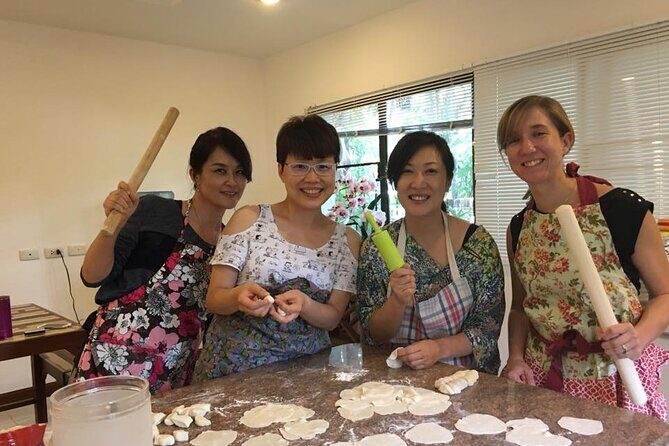
I especially like the tiny group (up to 4). It means you get real, personal coaching instead of watching from the sidelines. My other favorite is the practical focus: hands-on prep, clear steps, and recipe info you can use right after you get home.
One thing to consider: you’ll want to pick your main in advance, and the class runs on a set weekday window, so last-minute scheduling can be tough.
In This Review
- Key highlights worth carving out time for
- Todoroki Valley first: the calm warm-up you didn’t plan for
- The walk to Tomokita’s home: small time investment, big payoff
- Your menu choice shapes what you’ll learn
- Hands-on cooking in a home kitchen (not a classroom)
- Drinks, food setup, and the party-like dinner table effect
- Dietary needs: the real test of a good class
- How the stop-to-kitchen timing usually feels
- Where the value shows up in your $110.99
- Who should book this Japanese home cooking class
- Quick practical tips before you go
- Should you book Casa de Tomokita in Todoroki?
- FAQ
- What’s the duration of this experience?
- How many people are in the class?
- What food and drinks are included?
- Do I choose what I’ll cook?
- Is the experience near public transportation?
- Can I get a refund if I cancel?
Key highlights worth carving out time for
- Up to 4 people: more attention, less waiting around
- Todoroki Valley + Todoroki Fudoson: a calm break before the kitchen work
- Food, hot drinks, and alcoholic beverages included: you eat like a proper lunch in Japan
- Diet swaps and allergy-friendly adjustments: menus get tailored to what you can eat
- Recipe sheets and pantry tips: you leave with a roadmap for cooking again
- English-forward instruction (plus Spanish help): communication is usually easy
Todoroki Valley first: the calm warm-up you didn’t plan for
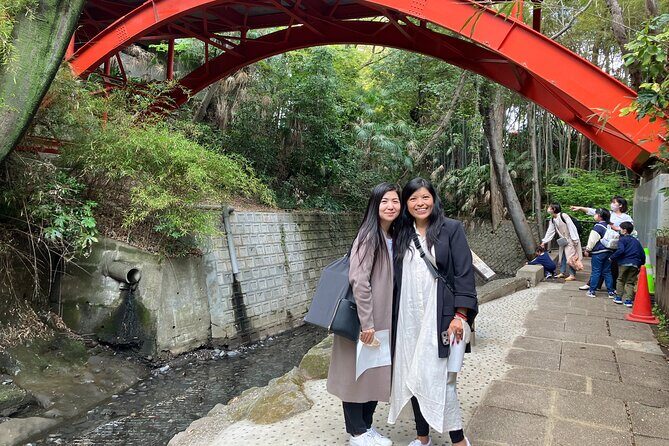
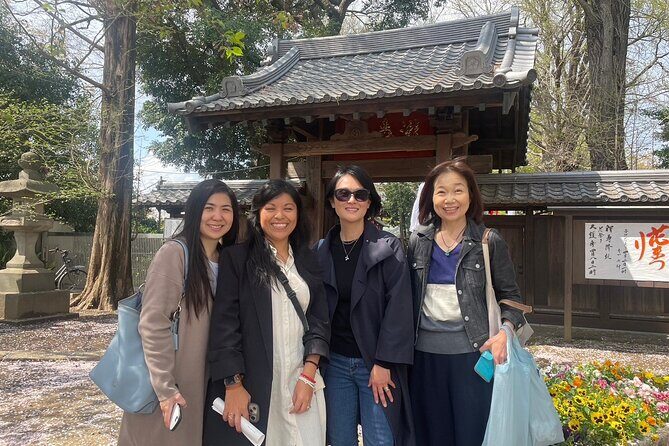
Tokyo cooking classes can feel like a straight shot from train station to cutting board. This one starts differently, which I think is the point. First, you meet at Todoroki Station, then you head toward Todoroki Fudoson for a quick stop by a local temple next to the valley.
The temple visit is short—about 10 minutes—and it’s free. That’s enough time to slow your pace, notice the neighborhood, and get your bearings. You’re not stuck in a long ceremony. It’s more like a gentle “you’re in the local Tokyo now” signal.
Then you walk to Todoroki Valley for a 5-minute viewpoint break. This is where the area’s quieter tone shows up. In the middle of the city, you get a little pocket of green-and-stone calm before the cooking begins.
Why I like this format: it makes the class feel less like a ticketed activity and more like an afternoon with a friend. Also, it gives you time to burn off that pre-class nervous energy—so when you’re in the kitchen, you can focus on technique.
The trade-off is simple: if you dislike walking at all, even a short valley stroll might feel like “extra time.” But it’s brief, and it sets the mood in a way most classes never bother with.
You can also read our reviews of more walking tours in Tokyo
The walk to Tomokita’s home: small time investment, big payoff
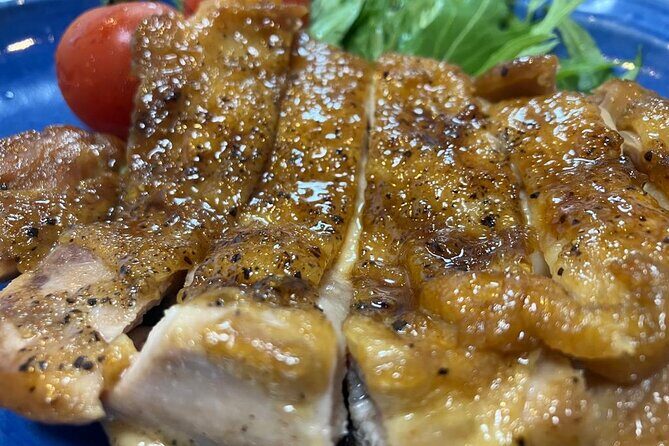
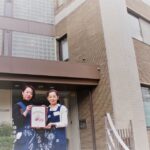
After the valley viewpoint, you head to the cooking space at Casa de Tomokita, described as only about a 5-minute walk from the valley area.
That short transfer matters more than it sounds. In Tokyo, long hops between neighborhoods can turn an activity into logistics. Here, the pacing stays human. You arrive at the home without feeling like you’re just changing trains.
Also, the location in Setagaya (Todoroki) gives you a different slice of Tokyo than the usual tourist magnets. You’re walking and transitioning through a normal neighborhood pace, which makes the meal feel more grounded.
One more practical upside: because the class is a small-group setup with a maximum of 4 travelers, the host can keep things moving. There’s less “wait your turn” energy, which makes the hands-on part actually enjoyable.
Your menu choice shapes what you’ll learn
The biggest “how this works” detail is that you choose your main in advance. That’s not just for convenience. It affects ingredient availability and the flow of the cooking lesson.
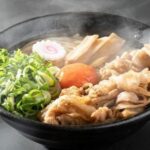
Your options can include classics like okonomiyaki, ramen, sushi rolls, and other Japanese favorites. I like that the main course choices cover different cooking styles:
- Okonomiyaki teaches a batter-and-griddle mindset.
- Ramen pushes you toward seasoning, broth balance, and assembly.
- Sushi rolls brings knife skills and rolling technique into the picture.
Across different sessions, the class commonly includes items like gyoza and ramen, plus sides and desserts. Some meals also feature things such as tempura-style dishes and matcha-based sweet endings (for example matcha ice cream or mochi-style desserts), depending on what you’re making.
A smart tip here: when you pick your main, think about what you want to repeat later. If you love chewy dumplings, go gyoza-friendly options. If you want a whole comfort-food lunch, pick ramen or a main that naturally leads to multiple supporting dishes.
Hands-on cooking in a home kitchen (not a classroom)
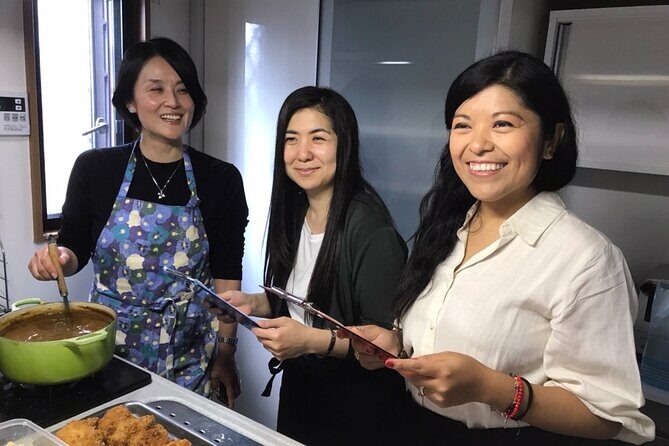
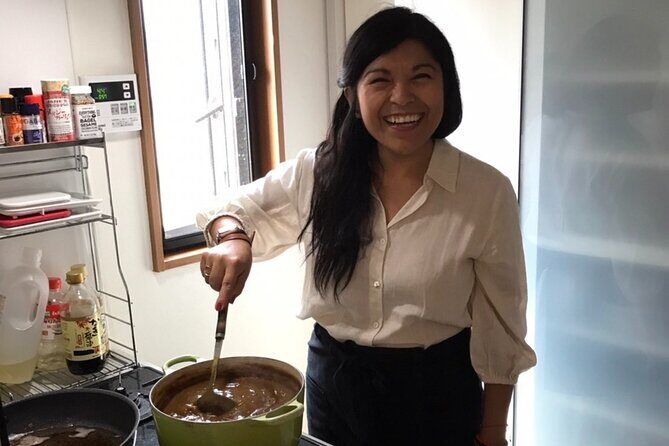
This is the part that earns the high praise. You’re not doing a demo where you watch. You’re cooking, step by step, with guidance.
The instruction is structured around the idea of making an appetizer, main, and dessert, with plenty of time to participate. Even when the host has a lot prepped, you’re still doing meaningful work—mixing, shaping, assembling, and cooking—not just standing nearby.
The format is also designed for mixed skill levels. Beginners can learn techniques without feeling lost, and more experienced cooks still get useful reasons behind certain steps. One of the consistent themes from the feedback is how clear the directions are, including recipe explanations you can follow even if your Japanese is basic.
You’ll likely notice the difference in teaching style once you start cooking:
- Ingredients get explained in context, not just named.
- Timing matters, and the instructions stay focused on what to do right now.
- You can ask questions during the process without turning it into a lecture.
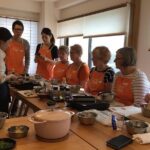
And yes, you eat what you cook. After the cooking, you sit down together for the meal. That’s a huge value piece, because the class becomes a full experience, not a “make food and then leave hungry” situation.
Drinks, food setup, and the party-like dinner table effect
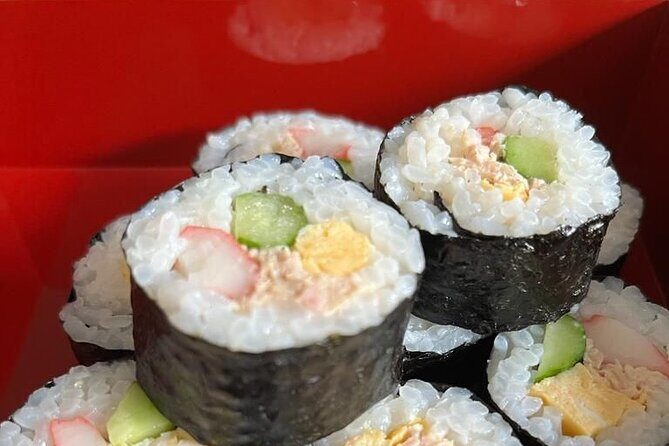
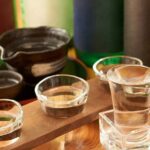
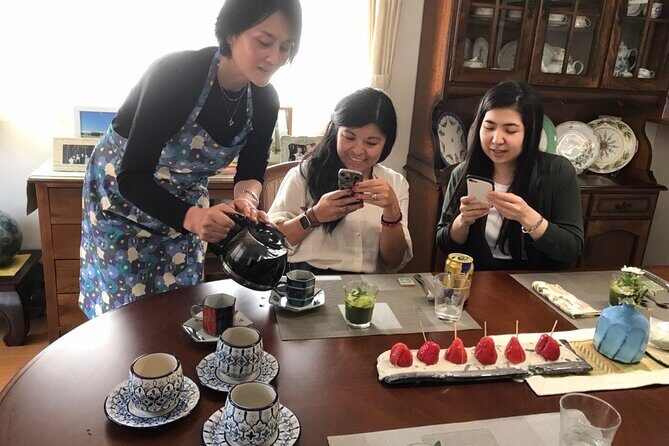
Another stand-out: everything food-related is included, along with bottled water, hot drinks, and alcoholic beverages.
That means the class doesn’t nickel-and-dime you for lunch. You’re paying for the lesson and the meal as one package. In Tokyo, that can be a big deal because food can add up fast when you’re bouncing between neighborhoods.
Also, the table part matters. Several comments highlight how the host’s home setup makes the meal feel warm and welcoming—more like being hosted than being processed. You’ll generally get a menu that includes multiple side dishes, not just one main and a token garnish.
A common pattern is lots of small components: dumplings, sauce or soup elements, and multiple sides that round out the lunch. That gives you a more realistic idea of how Japanese meals actually land—balanced, not just one loud dish.
You can also read our reviews of more cooking classes in Tokyo
Dietary needs: the real test of a good class
If you’ve ever found it hard to get food experiences that match what you eat, this is a key reason the reviews are so positive.
The host has been reported to customize menus for different needs, including vegetarian and pescatarian preferences, vegan variations, and adjustments for allergies. That’s not a small thing. Many cooking classes can be flexible in theory, but they struggle to actually rework a menu in practice.
In this setup, you’ll want to tell the host your dietary needs ahead of time. The more specific you are, the better the meal can match your constraints while still teaching the techniques.
This is also why choosing your main matters. If you’re not eating a certain ingredient category, the host can often guide you toward an option that still lets you learn the core method.
If you eat fairly normally, you still benefit. You’re just more likely to get the clean, confident version of the recipe rather than a last-minute scramble.
How the stop-to-kitchen timing usually feels
The full experience is listed at about 2 hours 30 minutes. That includes the temple and valley walk time plus the cooking and meal.
So the rhythm typically goes like this:
- Meet at Todoroki Station at the specified meeting point.
- Do the temple and valley viewpoints (short and free).
- Walk to the home.
- Cook hands-on, then eat together.
Because the cooking portion is in a home environment with a small group, the pacing tends to stay steady. You’re not stuck in a long waiting loop between steps.
One small consideration: because this is a home kitchen with limited seats, you should plan to arrive on time. Even a few minutes late can affect the flow for a group of four.
Where the value shows up in your $110.99
At $110.99 per person, it’s not the cheapest thing in Tokyo. But it’s also not paying just for a recipe. You’re paying for:
- Small-group, personalized coaching
- All ingredients and food
- Hot drinks plus alcoholic beverages
- A full meal experience (appetizer, main, dessert, plus sides)
- Recipe materials so you can recreate dishes later
When classes only teach one dish, your learning is limited. Here, the structure pushes you toward multiple components, which means you leave with a broader skill set. That’s how a class becomes worth repeating, not just a one-day event.
There’s also the value of local context. The Todoroki temple and valley walk doesn’t just fill time—it adds meaning. You’re connecting your food lesson to a real neighborhood setting.
One more practical value point: the schedule is weekday-based with a set window, and bookings can fill ahead of time. Plan ahead (the average booking advance listed is about 44 days) so you’re not hunting last-minute openings.
Who should book this Japanese home cooking class
You’ll likely love this experience if you want:
- A hands-on Tokyo food activity instead of a museum-style meal
- A cooking lesson that feels less touristy and more local neighborhood
- The chance to cook with guidance even if your Japanese is limited (English instruction has been highlighted)
- A small group setting where you can ask questions and actually participate
- A meal that includes dessert as well as savory dishes
It also fits solo travelers. With the group capped at four, you’re not stuck in a big crowd. A couple of solo-focused comments point out that the experience still feels comfortable and friendly.
Quick practical tips before you go
A few small things will make your class smoother:
- Choose your main ahead of time and tell the host about dietary needs early.
- Bring curiosity, not a language cheat sheet. Many instructions are delivered in English, and additional language support has been noted.
- Eat your breakfast lightly. Side dishes and dessert can add up, especially with a full meal structure.
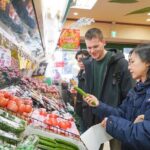
- If you’re a souvenir hunter, don’t ignore the pantry angle. Some sessions include help locating Japanese pantry staples at a grocery store after class.
Should you book Casa de Tomokita in Todoroki?
If you’re deciding between another “see Tokyo” day and a food-focused afternoon, I’d lean toward booking this if any of these matter to you: learning real technique, eating a real meal you cooked, and getting a more local neighborhood feel.
I’d skip it only if you need a very strict timetable with no walking at all, or if you want a class that’s purely hands-off. This one is hands-on by design, and it works best when you’re ready to participate.
One last nudge: Todoroki is not central Tokyo, so make sure your arrival time and meeting point plan are solid. Once you’re there, the whole experience holds together well: temple calm, valley views, and then a home kitchen lunch that you’ll remember long after the trip.
FAQ
What’s the duration of this experience?
It runs about 2 hours 30 minutes (approx.), including the short Todoroki temple and valley walk plus the cooking and meal.
How many people are in the class?
The class has a maximum of 4 travelers, which is part of why instruction tends to feel personal.
What food and drinks are included?
You’ll get all food, bottled water, hot drinks, and alcoholic beverages included with the experience.
Do I choose what I’ll cook?
Yes. You select your main in advance so the ingredients are available.
Is the experience near public transportation?
Yes. The meeting point is near public transportation, and the activity includes clear access from Todoroki Station.
Can I get a refund if I cancel?
Yes. It offers free cancellation, with a full refund if you cancel up to 24 hours before the experience start time.