REVIEW · TOKYO
Tokyo: Easy Ramen Cooking Experience in Kabukicho, Shinjuku
Book on GetYourGuide →Operated by Bancre Inc. · Bookable on GetYourGuide
Ramen gets personal when you make it in Shinjuku. This easy class in Kabukicho (at Shinjuku Ale) walks you through ramen basics and lets you eat what you build. I like that it feels doable even when you’re not a cook.
I love the step-by-step guidance and the way the staff explain what you’re doing and why it matters. I also love the customization: you choose your soup style, boil your noodles, and add your chosen toppings before you dig in.
One drawback to plan for: it’s a shortened recipe. Real ramen noodles and soup take days, so you won’t do every full-from-scratch step.
In This Review
- Key things that make this class worth your time
- Where the Class Starts: Shinjuku Ale and the Second-Floor Hangout
- The Big Lesson: Why Real Ramen Takes Days
- Step-by-Step Cooking: Soup Choice, Noodles, and Your Bowl Assembly
- Ramen Broth Rules You Need to Know Before You Go
- Guides, Language Help, and What Makes the Teaching Work
- Taste and Extra Touches: Photos, Optional Add-ons, and Your Final Bowl
- Price and Value in Shinjuku: Why $29 Feels Fair for One Hour
- Who This Ramen Class Suits Best (and Who Should Skip It)
- Should You Book This Shinjuku Ramen Cooking Experience?
- FAQ
- How long is the ramen cooking experience?
- What is included in the $29 price?
- What’s the meeting point for the class?
- Is the class on a high floor?
- What should I bring?
- Is the ramen made from scratch during the class?
- Are there dietary restrictions?
- Can kids or teenagers join?
- Are alcohol drinks included or allowed?
- What is the cancellation policy?
Key things that make this class worth your time
- Small groups (often max 6), so you get real attention instead of watching from the back
- You build the bowl yourself: soup choice, noodle boil, then toppings
- Ramen context included: you learn what makes ramen ramen, plus how broth forms the flavor
- Shortened but still hands-on: you skip the day(s)-long parts, but you still feel the process
- English support can be practical: some guides speak great English, and a translator machine may be used
Where the Class Starts: Shinjuku Ale and the Second-Floor Hangout
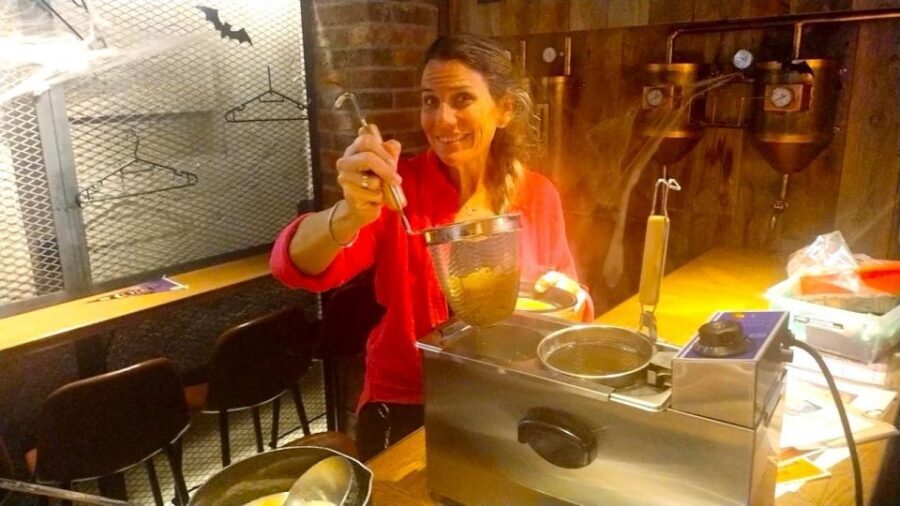
Your ramen experience begins at Shinjuku Ale in Shinjuku Kabukicho. The place is easy to find once you use the map link from the booking info, but Shinjuku station itself can be a maze—so I’d give yourself extra time to get oriented before the start.
This class takes place on the second floor, and there’s no elevator. That’s the main “logistics gotcha” here. If you’re coming with a lot of luggage, plan to keep it light or be ready to take stairs.
When you arrive, tell the staff you’re making a trial reservation. It’s a small line you don’t want to forget, because it helps them match you to the correct group and time.
Inside, the vibe is more like an upstairs bar than a classroom. One review notes decorative touches and even a bar item like habushu (snake wine), which tells you this isn’t sterile or overly formal. That matters, because it makes the whole thing feel relaxed while you cook.
You can also read our reviews of more cooking classes in Tokyo


The Big Lesson: Why Real Ramen Takes Days
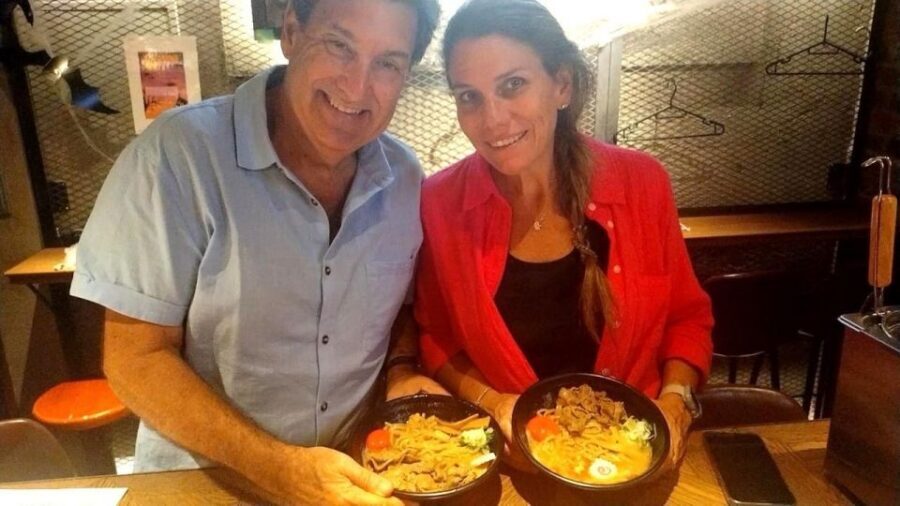
Ramen is simple-looking in a bowl, but it’s built on careful work. In this class, you get the key idea: ramen is noodles plus soup plus toppings—flavor engineering in one container.
You’ll hear the history behind ramen and the practical reality that the noodles and broth aren’t quick to make. The activity description is clear that the full process isn’t included because it takes several days. One guest also mentioned that the broth stock is made ahead (not during the class), which fits the “shortened recipe” approach.
So what do you actually learn in an hour? You learn the logic of ramen:
- what ramen broth should taste like and how the base impacts everything
- how noodles need the right handling so your bowl doesn’t turn bland or soggy
- how toppings change the experience, not just the look
The value here isn’t learning industrial ramen production from scratch. The value is learning the pieces that make ramen feel like ramen, and then applying them immediately to your own bowl.
Step-by-Step Cooking: Soup Choice, Noodles, and Your Bowl Assembly
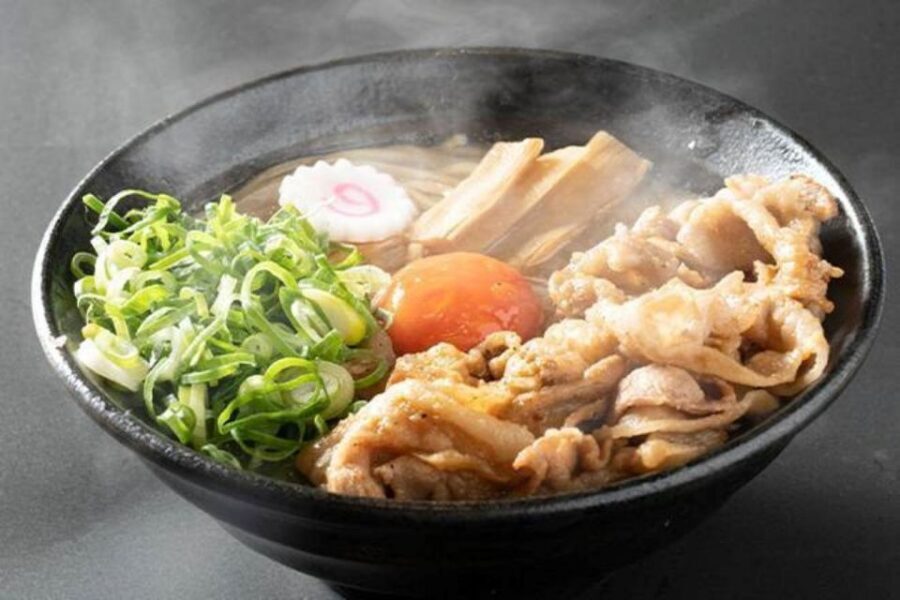
The structure is built for beginners. You don’t need fancy knives or any special skills. The class is designed so you can finish, eat, and feel proud of what you made.
Here’s the core flow you should expect:
- Pick your soup
You choose the soup style before cooking. The description also flags that the ramen soup contains pork, chicken, and beef, and that the exact ingredients are kept as a secret recipe.
- Boil your noodles
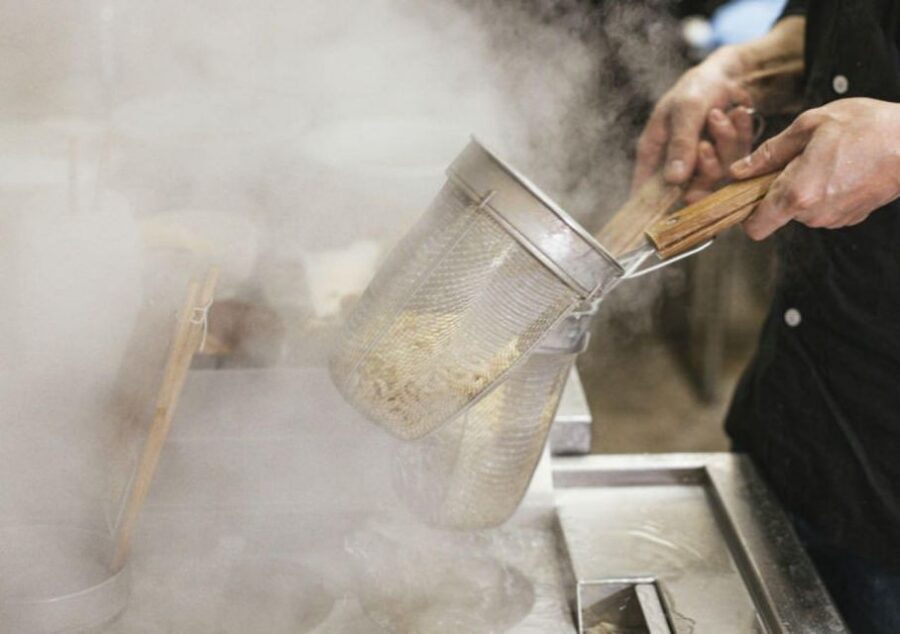
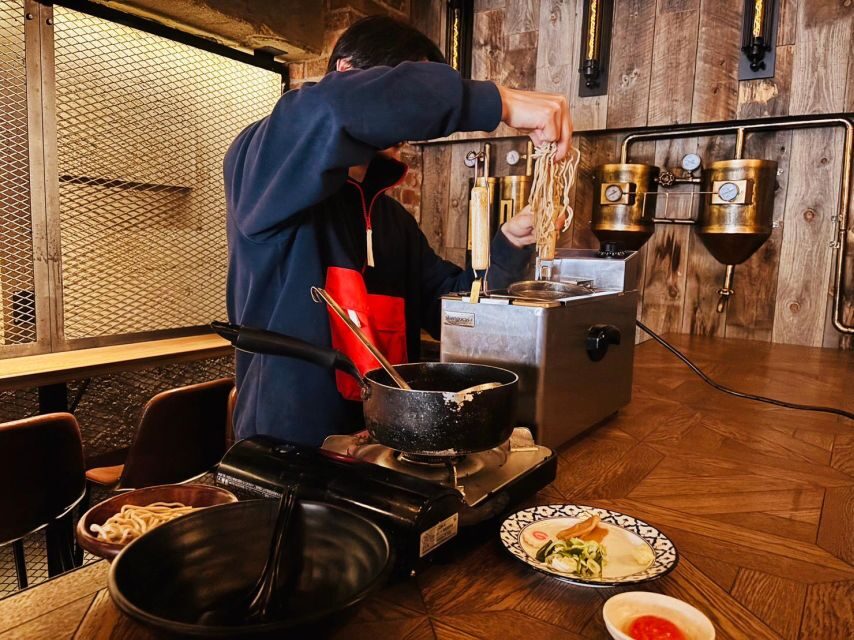
You’ll help with the noodle step. This is the moment where the class feels real, because boiling noodles correctly is what turns the bowl from decent to satisfying.
- Add your toppings
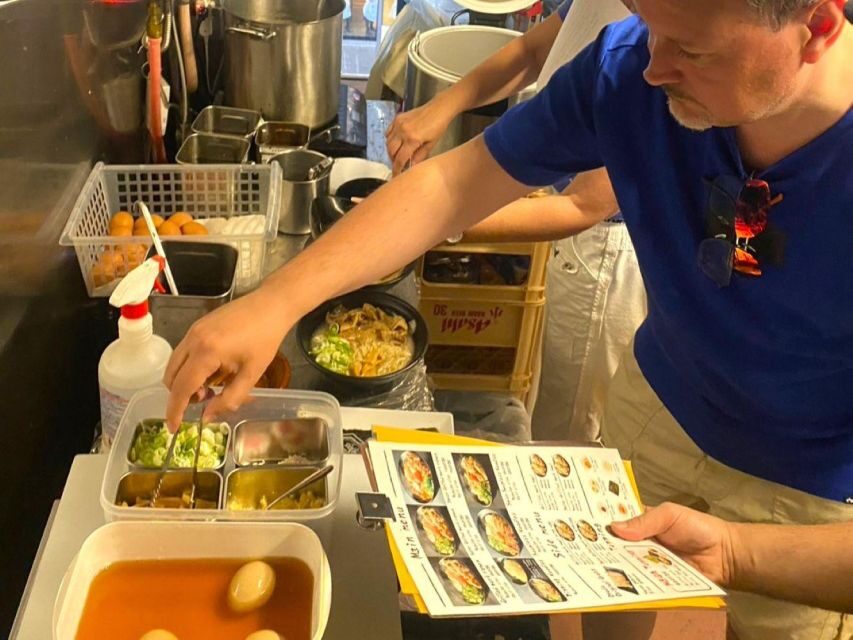
You build your bowl with the toppings you choose. Think of toppings as your personal control: sweetness, richness, crunch, spice—whatever options you’re given for your specific session.
Because the recipe is shortened, some foundations are already handled before you arrive. Your hands-on time focuses on the parts you can do confidently in one hour and still take home the “I cooked this” feeling.
And after assembly, you eat your ramen. The experience ends when you finish eating, so you’re not stuck waiting around. That makes it a good Tokyo plan when you don’t want a long evening commitment.
Ramen Broth Rules You Need to Know Before You Go
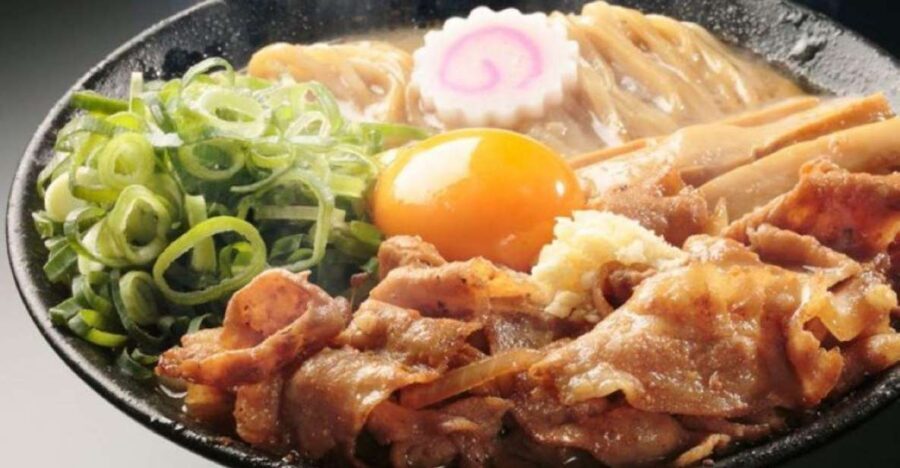
This is one of the most important practical points for choosing this class. The soup base is not vegetarian-friendly and you won’t get a full ingredient breakdown. The description is explicit: the soup contains pork, chicken, and beef, and they can’t tell you what’s in the soup because it’s a secret recipe.
That means you should skip this class if you’re:
- vegan
- vegetarian
- gluten intolerant (this activity is listed as not suitable)
If you’re the type who needs to avoid specific allergens or prefers full transparency in ingredients, you’ll want to think carefully. The class is designed around ramen as typically served in Japan, with a meat-forward broth.
Guides, Language Help, and What Makes the Teaching Work
A cooking class lives or dies on guidance. In this case, a lot of praise goes to the staff for being friendly, attentive, and clear—especially for English-speaking visitors.
You may be taught by guides named in reviews such as Tak, Kai, Mikhail, Hinata, Shuma, or Nina. The common theme is that instruction stays step-by-step, and people often highlight that the guides speak well enough to explain ramen and recommend other things to do in Tokyo.
Not every staff member is equally strong in English, and the activity info also notes that a translator machine may be used. In practice, that’s usually a good sign: you’re not thrown into silence. The goal is communication, not fancy vocabulary.
Also worth noting: one review mentions staff offering water and even takeaway containers for food. If you’re someone who wants to slow down and enjoy the meal, that kind of support can make the class feel smoother.






Taste and Extra Touches: Photos, Optional Add-ons, and Your Final Bowl
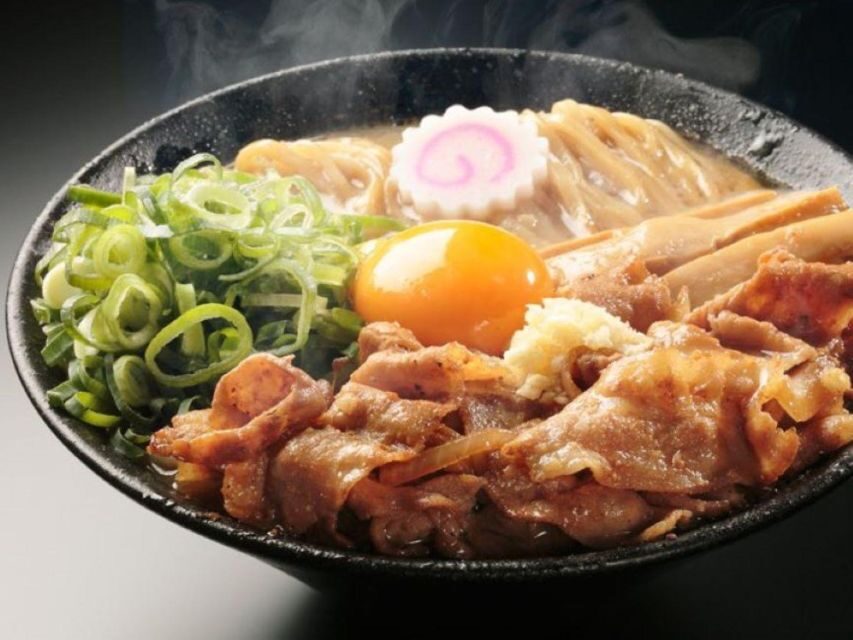
The main event is the ramen itself. Since you choose your soup and build your bowl, the best part is that you can tailor the result to your preferences. Many guests specifically mention that the ramen ended up being the most delicious they’d had, which is a strong signal that this isn’t just a “tourist activity meal.”
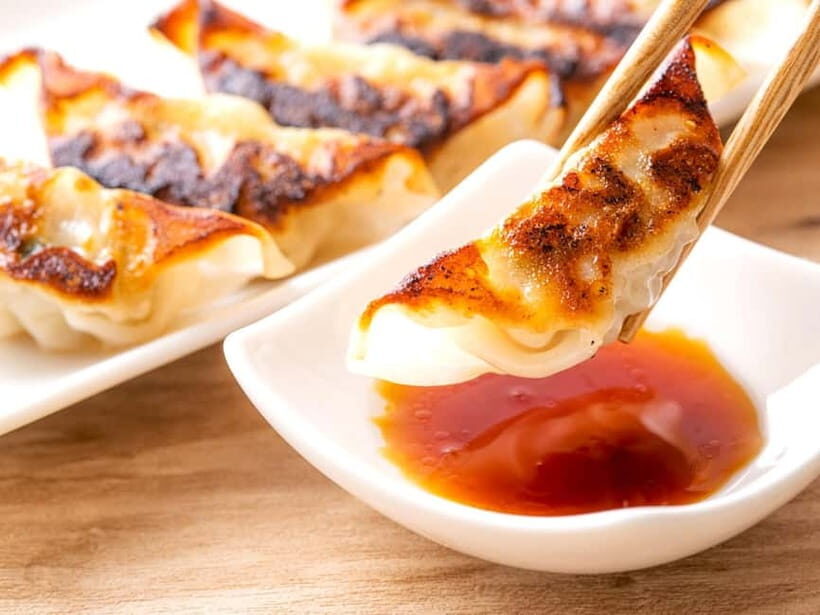
Some sessions may also include add-ons. One review describes booking an option with gyoza and an alcohol drink, and the same guest notes there were several alcohol options. If alcohol is part of your plan, keep in mind the rules:
- Alcohol is prohibited for those under 20 under Japan’s minors’ alcohol law.
- Underage drinking is also prohibited by the stated law requirement.
There’s also a fun practical touch. One guest mentioned a professional photo shoot during the experience, with an optional purchase afterward. That’s not essential, but it’s a nice bonus if you like documenting food moments without awkward phone juggling.
If you’re worried about costs beyond the base price, pay attention when you book add-ons. One guest said they wished they’d been told about extra costs sooner, so it’s smart to confirm what’s included in your chosen option before you arrive.
Price and Value in Shinjuku: Why $29 Feels Fair for One Hour
At $29 per person, you’re paying for a focused one-hour experience in a high-demand area. The included items are clear: ramen cooking experience plus a meal.
What makes the value work is that you’re not just eating. You’re learning the rhythm of ramen assembly:
- choosing a broth style
- boiling the noodles
- adding toppings
- then eating what you made
In Tokyo, hands-on food classes can climb fast, and Shinjuku is not exactly cheap. Here, the “shortened recipe” keeps the price reasonable while still giving you a real takeaway: understanding the structure of ramen and how small choices change the final bowl.
The only value trade-off is what you don’t do. Since ramen noodles and soup require days to make fully, you’re not doing the full deep process. But for many people, that’s the point. It gives you ramen knowledge without eating your whole day.
Who This Ramen Class Suits Best (and Who Should Skip It)

This experience is a great match if you:
- want a hands-on food activity in Shinjuku without heavy cooking skills
- like Japanese food culture and want context beyond just ordering ramen
- prefer a class with small-group attention (people mention max 6, and sometimes very small groups)
It’s also solid for families with kids old enough to follow instructions. One review mentions a 10-year-old making ramen with help, which suggests the class can work for younger participants when they can participate actively.
Skip it if you’re:
- vegan or vegetarian
- gluten intolerant
- someone who needs a detailed ingredient list for the broth (the soup is secret-recipe and includes multiple meats)
If you’re traveling with mobility limits, factor in the second-floor stairs.
Should You Book This Shinjuku Ramen Cooking Experience?
I’d book this if you want a one-hour ramen win: you get instructions, you assemble your own bowl, and you leave Shinjuku with a skill you can actually use when you order ramen next time. The small-group feel, the soup-and-toppings customization, and the strong teaching support (with guide names like Tak, Kai, Mikhail, Hinata, Shuma, and Nina showing up in positive notes) make it a reliable pick for a Tokyo food moment.
I’d hesitate if dietary restrictions matter a lot for you, since the broth contains pork, chicken, and beef and the soup ingredients are not fully disclosed. I’d also think twice if stairs are a problem for you.
FAQ
How long is the ramen cooking experience?
The class lasts 1 hour.
What is included in the $29 price?
You get the ramen cooking experience and the meal you eat at the end.
What’s the meeting point for the class?
You meet at Shinjuku Ale. The provided map link in the booking info includes the exact location.
Is the class on a high floor?
Yes. The class is on the second floor, and there is no elevator.
What should I bring?
You should bring an ID card. A copy is accepted.
Is the ramen made from scratch during the class?
No. The full noodle and soup process takes several days, so this is a shortened recipe. You still choose soup, boil noodles, and assemble your bowl.
Are there dietary restrictions?
Yes. The experience is not suitable for vegans, vegetarians, or people with gluten intolerance. The ramen soup contains pork, chicken, and beef.
Can kids or teenagers join?
Participants under 20 must be accompanied by a parent or guardian.
Are alcohol drinks included or allowed?
Bottled drinks are not included. Alcohol drink options may be available, but underage drinking is prohibited for those under 20.
What is the cancellation policy?
You can cancel up to 24 hours in advance for a full refund.