REVIEW · KYOTO
Kyoto, Osaka, Nara Private Tour by Car English Driver Guide
Book on Viator →Operated by NIHON HORIZON TOUR · Bookable on Viator
One day, three cities, no stress. This private car tour is built for people who want the big Kyoto, Osaka, or Nara sights without wrestling trains, parking, and timing across town.
I like two things right away: Wi-Fi on board keeps maps and translation handy, and the setup is private for your group with meet-and-greet pickup options. You also get an English-speaking driver who handles the between-sights logistics, so you spend your energy on temples, streets, and photos instead of route math.
One consideration: this is sold as an English driver guide, but the depth of on-site storytelling can vary. If you want a guide to explain every shrine detail the way a museum docent would, you may need to ask more directly and be ready for a mostly driving-focused experience.
In This Review
- Key points before you book
- How a private driver day actually feels in Kyoto, Osaka, and Nara
- Value and logistics: what you get for about $660 per group
- Kyoto full-day route: Arashiyama, Kinkaku-ji, Kiyomizu-dera, and more
- Arashiyama (about 1 hour)
- Kinkakuji Temple (about 1 hour)
- Kiyomizu-dera Temple (about 1 hour)
- Fushimi Inari Taisha Shrine (about 1 hour)
- Gion (about 1 hour)
- Sanjusangendo Temple (about 1 hour)
- Ginkakuji Temple (about 1 hour)
- Nishiki Market Shopping District (about 1 hour)
- Nara full-day plan: deer park, Todai-ji, Horyu-ji, Kasuga Taisha, and Naramachi
- Nara Deer Park
- Todai-ji Temple
- Todai-ji Nigatsudo Kuden
- Wakakusayama Hill
- Horyu-ji Temple
- Kasuga Taisha Shrine
- Shinyakushiji Temple
- Naramachi street
- Osaka full-day plan: Castle, Shitennoji, Dotonbori, and city views
- Osaka Castle
- Shitennoji Temple
- Osaka Dotonbori
- Sumiyoshi Taisha Shrine
- Sakai City Hall Observatory Flour
- Daisen Park
- The guide factor: when it’s more driving, when it’s truly guided
- Timing, crowds, and why the hour blocks matter
- Who this tour is best for
- Should you book Kyoto, Osaka, Nara by private car?
- FAQ
- FAQ
- How long is the private tour?
- How many people can be in a group?
- Do I get hotel pickup?
- Is Wi-Fi included during the tour?
- Is an English-speaking driver included?
- Are entry fees included for temples and shrines?
- Does the tour include meals?
- Can I cancel for a full refund?
- What are the main stops on the full-day Kyoto option?
Key points before you book
- Private car, up to 6 people: more control, less waiting around, easier pacing with kids or mixed-age groups
- Wi-Fi in the vehicle: helps with navigation and quick question-checking on the go
- Full-day route blocks: each stop gets about an hour on the standard Kyoto, Osaka, or Nara plans
- Driver flexibility shows up in practice: several guides (like Hassan, Khan, and Hamza) have been praised for adjusting to your preferences
- Entry fees are not included: you’ll still budget for temple/shrine admissions once you arrive
- Rain and schedule risk: bad weather can force changes when parking or access gets tricky
How a private driver day actually feels in Kyoto, Osaka, and Nara
Kyoto alone can wear you out. Osaka has traffic and detours. Nara has foot traffic and deer interruptions. The smart move here is outsourcing the hardest part: getting you from place to place on time, with fewer transport headaches.
With this setup, you’re not joining a bus line where you’re herded into the same photo spot at the same minute. Instead, you get a private vehicle (air-conditioned) and a full-day rhythm designed around major sights. Many groups like this because it turns the day into something you can steer: you can linger, rush a bit, or swap in a nearby detour if your driver thinks it fits.
In real terms, that means your day becomes simpler even if the itinerary is busy on paper. And that matters, because Kyoto and Nara especially look best when you’re not sprinting every five minutes.
You can also read our reviews of more guided tours in Kyoto

Value and logistics: what you get for about $660 per group
At $660.51 per group (up to 6) for roughly 10 hours, this can work out like a cost-share plan—especially if you’re traveling with a family, a couple with friends, or a group of adults who hate spending half the day in transit.
Your payment covers the big driving costs: air-conditioned private transportation, highway tolls, gas, and patrol costs, plus an in-person English-speaking driver guide. You also get Wi-Fi on board and a meet-and-greet pickup option, which is underrated. In Japan, the first 15 minutes can make or break your stress level, and hotel pickup can help you start strong.
What it does not cover is just as important: entry fees and any ride fees aren’t included, and meals are on you. For travelers who assume everything is bundled, that’s the surprise waiting at the temples. Also, if you only want point-to-point taxi service with zero guiding, you should compare carefully—some experiences have felt more like transportation than a guided tour depending on the driver’s approach.
Bottom line: this is good value when you want a structured day with smooth logistics, not when you want a full lecture at every stop.
Kyoto full-day route: Arashiyama, Kinkaku-ji, Kiyomizu-dera, and more
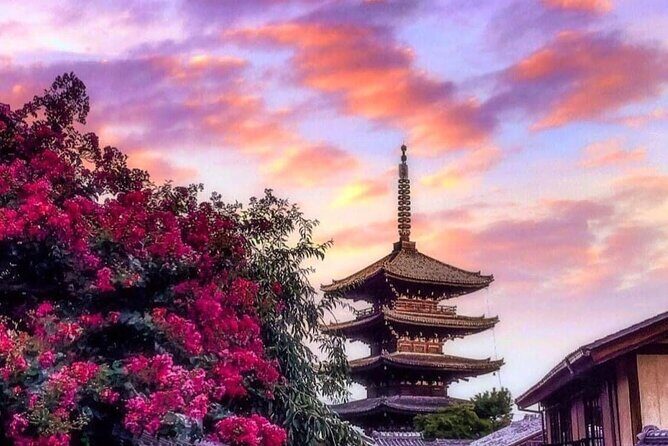
If you choose the full-day Kyoto plan, the day is built around eight major blocks, each scheduled for about an hour. The order matters because you’re stacking distant areas without turning the trip into a commuting day.
Here’s what you can expect in the Kyoto rhythm:
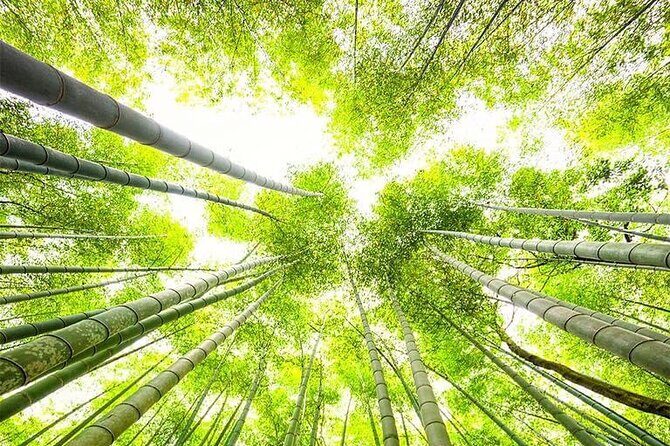
Arashiyama (about 1 hour)
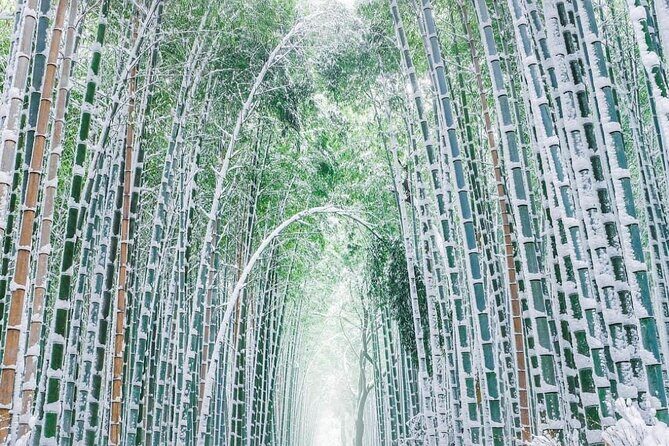
Arashiyama gives you that classic western Kyoto mood. You’ll likely want a camera-ready walk and a little breathing room. One practical tip: if you want the famous bamboo area vibe, ask your driver how to time it, since crowds and access can change by season and day.
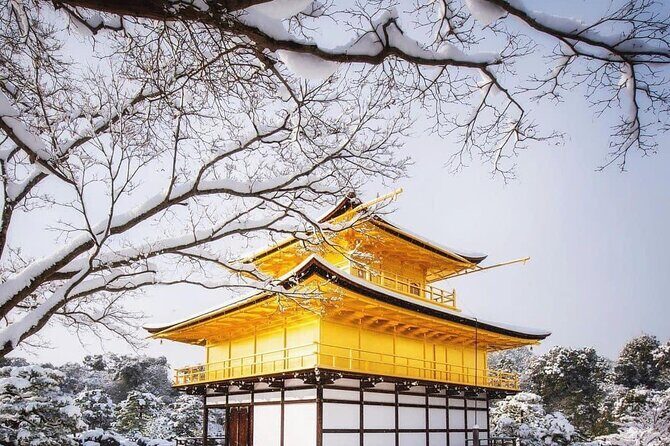
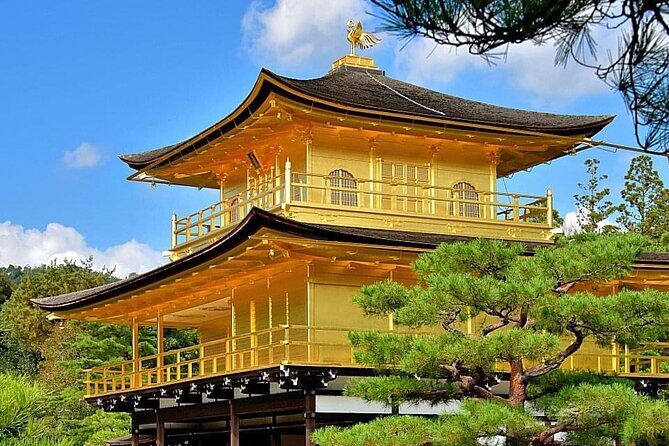
Kinkakuji Temple (about 1 hour)
This is the quick-hit stop for Kyoto’s most recognizable landmark: the Golden Pavilion. An hour is usually enough to see it clearly and walk the surrounding grounds, but it may feel fast if you like extra photos and slow views.
You can also read our reviews of more private tours in Kyoto


Kiyomizu-dera Temple (about 1 hour)
Kiyomizu-dera is a stair-and-street temple day. The hillside setting means you’ll get lots of angles, plus views over the city. The drawback: it can get crowded, and weather can change the feel fast. If your driver can’t control that, at least you’re not stuck in a long line with everyone else alone.
Fushimi Inari Taisha Shrine (about 1 hour)
This is the torii tunnel stop. Expect walking, expect people, and expect your shoes to get a workout. If you’re chasing the best light for photos, tell your driver early what matters to you—time spent here is rarely flexible once you hit peak crowds.
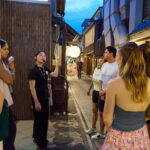
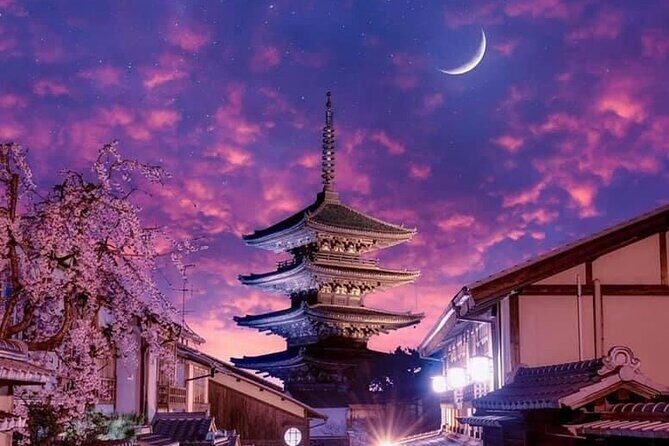
Gion (about 1 hour)
Gion is where Kyoto slows down. Even if you’re not specifically hunting geisha sightings, the old streets and atmosphere are the point. In practice, use this time for browsing side streets and finding a calm corner for a snack.
Sanjusangendo Temple (about 1 hour)
This stop is the visual proof that Kyoto is more than scenery. The hall setting is usually a highlight if you like dramatic interiors and details. One hour can be a nice balance between seeing the space and not feeling rushed.
Ginkakuji Temple (about 1 hour)
Silver Pavilion is quieter than Kinkakuji for many visitors, and that can make it feel more peaceful. It’s another stop where timing matters: arrive with energy, and you’ll enjoy the grounds more.
Nishiki Market Shopping District (about 1 hour)
Nishiki is your food-and-souvenir checkout lane. It’s also a great place to plan your next choice: if you’re tired, you can simplify. If you’re still hungry for more, you can snack your way through before heading onward.
Nara full-day plan: deer park, Todai-ji, Horyu-ji, Kasuga Taisha, and Naramachi
Nara is a different kind of day. Kyoto can feel elegant and spread out. Nara often feels closer—big monuments, deer roaming, and historic street vibes.
The Nara plan also uses about an hour per block:
Nara Deer Park
The deer park is the headline, but it’s also the part where people either love the chaos or find it annoying. If you’re traveling with kids, this is usually a win because it turns sightseeing into an active moment. Just keep expectations realistic: deer behavior is part of the experience.
Todai-ji Temple
Todai-ji is the scale stop. You’re stepping into one of Japan’s most famous temple complexes, and it can feel awe-inspiring just because it’s so large. An hour is enough to see the major points if you keep moving with purpose.
Todai-ji Nigatsudo Kuden
This is more of a structured add-on at Todai-ji, giving you extra depth within the larger temple area. The main value is that it rounds out the visit without requiring you to research on your own.
Wakakusayama Hill
This is the viewpoint-and-walking break. If you like outdoor air between temples, this is a smart reset. The drawback is that it’s less forgiving if weather turns.
Horyu-ji Temple
Horyu-ji adds a different historical flavor and is a great contrast to the deer-and-street energy. If you like temple variety, this is one of the stops that helps Nara feel complete instead of repetitive.
Kasuga Taisha Shrine
Kasuga Taisha is all about the shrine atmosphere and the way it sits within its surroundings. An hour here lets you see the core without turning it into a long hike.
Shinyakushiji Temple
This adds another architectural and religious stop. It works best when your day is paced so you still have enough mental room to notice details.
Naramachi street
Naramachi is your old-street finish. This is often where you slow down for browsing and photos, and where you’ll feel like you left Nara as more than a checklist.
Osaka full-day plan: Castle, Shitennoji, Dotonbori, and city views
Osaka is the plan for people who want contrast. You still get major temples, but you also get the modern-energy streets.
The Osaka option includes about six blocks in a day:
Osaka Castle
Osaka Castle is the big landmark intro. It’s a good anchor stop because it gives you an immediate sense of the city’s scale. If you’re into photo angles, ask your driver where to stand for the best overview time.
Shitennoji Temple
This is the cultural counterweight to Osaka’s street energy. Shitennoji is worth the visit if you like temple buildings and older atmospheres.
Osaka Dotonbori
Dotonbori is Osaka’s neon and people-watching zone. This is where you should go hungry for snacks and ready for crowds. With only about an hour, your best strategy is to pick what you want—street food, photos, or a quick wander—and commit.
Sumiyoshi Taisha Shrine
This shrine stop adds a calmer rhythm. It’s a nice change of pace after the energy of Dotonbori and helps keep the day from feeling like one long commercial loop.
Sakai City Hall Observatory Flour
This is your viewpoint payoff. If weather is clear, observatories are where you feel the city’s geography. It’s also a break from constant walking.
Daisen Park
Daisen Park is a reset. Even with a limited time block, it can help you shift from urban intensity into something more relaxed.
The guide factor: when it’s more driving, when it’s truly guided
From the feedback patterns, you’ll notice a recurring theme: some English-speaking drivers behave more like full tour guides—answering questions, escorting you to photo spots, timing the day around crowd levels, and even suggesting extra stops.
Names that came up positively include Hassan, Khan, Hamza, Rana, Malik, and San. People praised these guides for responsiveness via WhatsApp, escorting at key moments, and being patient when plans changed. In one example, a guide was described as arriving early for a scheduled start and communicating the plan in advance.
But there’s also a clear caution from lower ratings: in a few cases, the driver handled transport well while explanations were minimal. If you strongly care about temple meaning, architecture, or history, you can manage this by being direct. Ask for short explanations at each stop, and if the driver doesn’t naturally provide them, request it. You’ll get more out of the day that way.
Timing, crowds, and why the hour blocks matter
A private day still has constraints. Each stop is scheduled for about an hour on the standard routes. That sounds rigid, but it’s actually what keeps the day from turning into a transport marathon.
The best way to use those hour blocks is to arrive ready to move. Wear comfortable shoes, keep your phone charged (Wi-Fi is helpful, but batteries still matter), and decide what success looks like for each stop: one great photo, a quick walk through, or time to browse.
Weather is another reality. If it rains heavily, some locations can be harder to access or parking can be affected. One experience described a situation where rain led to dropping certain stops, mainly because parking access got closed. That doesn’t ruin the idea of the tour, but it does mean you should be flexible and not build the day around a single must-see like Fushimi Inari at a specific moment.
Who this tour is best for
This is a strong match for:
- Families and mixed-age groups who want a controlled pace with minimal transfers
- Small groups up to 6 who want private comfort instead of packed buses
- First-timers who want the highlight circuit in Kyoto, Osaka, or Nara in one day
- Anyone who values convenience—pickup, Wi-Fi, and a driver managing the route
It’s less ideal if you want:
- A deeply narrated, historian-style tour at every location without prompting
- A super-flexible multi-city day that tries to cram Kyoto, Nara, and Osaka together with zero trade-offs
Should you book Kyoto, Osaka, Nara by private car?
I’d book this tour if your main goal is a smooth, private day with major sights and fewer logistics headaches. The price makes sense when split across up to six people, and the Wi-Fi plus meet-and-greet pickup are real quality-of-life wins.
I’d think twice if you’re the type who expects a full guide performance at every temple and won’t ask questions. In that case, you can still go, but plan to guide the guide—ask for context early, and be clear about what you want from each stop.
If you’re choosing between options, pick one city for a full day when possible. The hour blocks work best when you’re not zig-zagging across regions. Kyoto, Nara, or Osaka each deserves its own time to feel complete, not rushed.
FAQ
FAQ
How long is the private tour?
The tour runs for about 10 hours.
How many people can be in a group?
The private tour is priced per group for up to 6 people.
Do I get hotel pickup?
Pickup is offered, including meet-and-greet pickup.
Is Wi-Fi included during the tour?
Yes. The vehicle has Wi-Fi access on board.
Is an English-speaking driver included?
Yes. An English-speaking driver in person is included in the cost.
Are entry fees included for temples and shrines?
No. Entry fees for places (and any ride fees) are not included.
Does the tour include meals?
No. Meal or food or drink costs are not included.
Can I cancel for a full refund?
Yes. You can cancel up to 24 hours in advance for a full refund.
What are the main stops on the full-day Kyoto option?
The full-day Kyoto plan includes Arashiyama, Kinkakuji Temple, Kiyomizu-dera Temple, Fushimi Inari-taisha Shrine, Gion, Sanjusangendo Temple, Ginkakuji Temple, and Nishiki Market Shopping District.