REVIEW · TOKYO
Small-Group Wagyu Beef and 7 Japanese Dishes Tokyo Cooking Class
Book on Viator →Operated by Cooking Sun · Bookable on Viator
Seven dishes, one dashi lesson. I love the small-group setup because it keeps you actively cooking, not watching from the sidelines. I also love the way the class starts with dashi, so you understand the flavor logic behind Japanese meals instead of just copying steps. Friendly English-speaking instructors such as Aya and Hidemi guide you with clear tips and hands-on feedback. One drawback to consider: the building can be a little tricky to locate since it’s tucked into a residential area.
This is a practical Tokyo experience for people who want to learn how Japanese home cooking actually works. You’ll get an apron and a towel, cook up a multi-course lunch with Wagyu, then sit down to eat your meal with sake and green tea. If you want a class that ends with recipes you can use later, this one is built for that.
In This Review
- Key Things I’d Put on Your Radar Before You Go
- Cooking Sun in Shinanomachi: Why This Neighborhood Setting Works
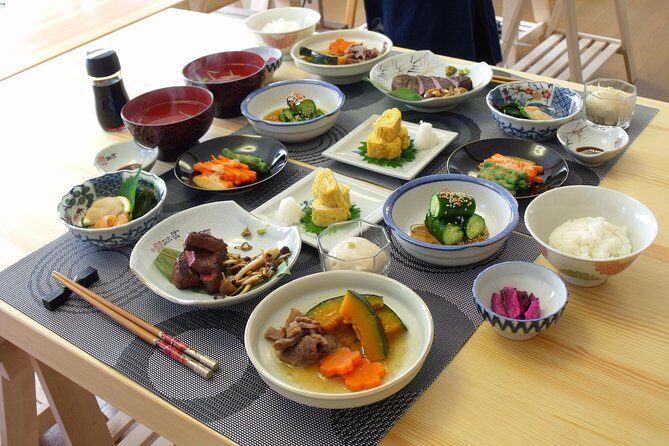
- What You’re Cooking: A Kaiseki-Style Lunch Without the Pressure
- Starting With Dashi: The Skill That Changes How You Cook
- The Cooking Phase: How Seven Dishes Fit Into One Morning
- A note on what you’ll actually do
- Wagyu Beef as the Main Event (and Why It’s Worth the Money)
- The Instructor Difference: English Clarity and Real Feedback
- Eating What You Cook: Sake, Green Tea, and a Multi-Course Lunch
- Price and Value: Why This Can Be a Smart Buy
- Dietary Options and Flexibility (Including Vegetarian)
- How to Get the Most From This Class
- Who Should Book This Tokyo Wagyu Cooking Class?
- Should You Book Cooking Sun’s Wagyu Beef and Japanese Dishes Class?
- FAQ
- How many people are in the class?
- How long is the cooking class?
- Is the instruction offered in English?
- What does the class include for the cooking part?
- Is there a vegetarian option?
- Do I need hotel pickup and drop-off?
Key Things I’d Put on Your Radar Before You Go
- Max 8 people means lots of instructor attention and real hands-on time
- Dashi first: you’ll learn the backbone stock that many dishes use
- Wagyu as the main course (sukiyaki is a crowd favorite)
- English-speaking local instructors like Aya and Hidemi make technique feel doable
- Recipes included so you can repeat your favorites at home
Cooking Sun in Shinanomachi: Why This Neighborhood Setting Works
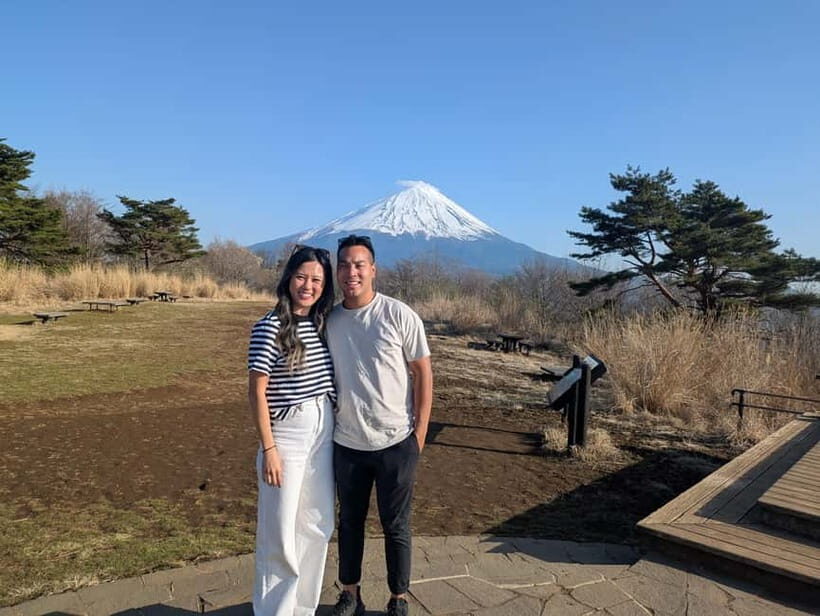
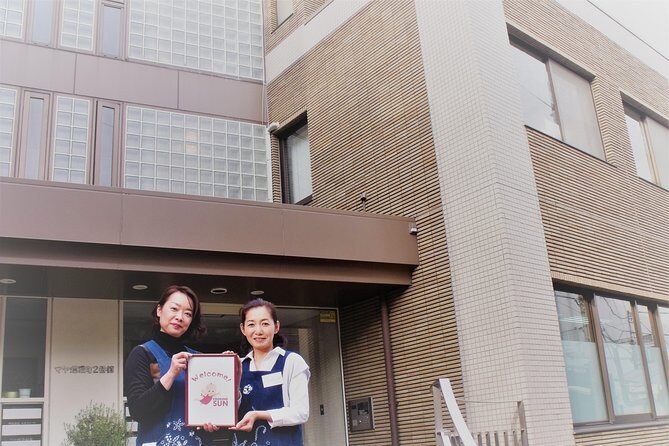
The class meets at Cooking Sun Tokyo in Shinanomachi, Shinjuku City. This matters more than it sounds. You’re not in a tourist-food bubble. You’re in a quieter part of Tokyo where local routines still feel present, and that often translates into a class that feels casual and friendly instead of staged.
The trade-off is simple: locating the place can take a minute. The studio isn’t described as inside a huge shopping complex. One of the most repeated notes from past students is that it’s easier if you follow your map carefully (or arrive early so you can double-check your route). Once you’re there, the tone is calm and organized, and you’ll get right into cooking.
You’ll start at 9:30 am, and the session runs about 3 hours. No hotel pickup or drop-off is included, so plan your morning like you would for any other Tokyo neighborhood activity: use public transit, give yourself a little walking time, and you’ll be fine.
You can also read our reviews of more cooking classes in Tokyo
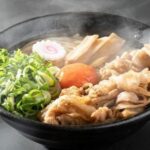

What You’re Cooking: A Kaiseki-Style Lunch Without the Pressure
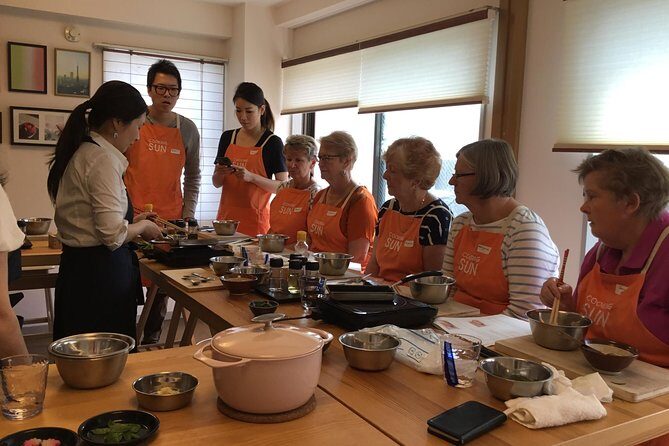
This isn’t a “one dish” class. You’re building a full-course lunch. The structure is basically Japanese kaiseki thinking—small plates, good balance, and seasonings that feel intentional—even if the class is more hands-on and less formal than a top-end dining experience.
You’ll work on up to 8 dishes / a 7-dish focus during the course, and the menu is designed around a few core ideas:
- Start with dashi so flavors have a consistent base
- Use classic Japanese seasonings so food tastes like it belongs together
- Cook a tender Wagyu main dish, with techniques that make the beef taste luxurious
- Finish with sweets/finishing touches that make the lunch feel complete
The format also supports different comfort levels. You might not need to be a pro cook. Many students specifically note that the instruction is approachable and paced well, so even if your knife skills are rusty, you can still contribute meaningfully.
One practical thing to know from experiences like this: not every single component is finished from scratch by you. Some elements may be prepped ahead so you can spend class time chopping, mixing, and cooking the parts that teach technique. That’s normal for a short session and honestly helps you learn faster.
Starting With Dashi: The Skill That Changes How You Cook
Every class begins with dashi-making. If you only remember one concept from this morning, make it this: dashi is the flavor backbone of a huge amount of Japanese cuisine. Learning it early changes how you taste everything else later.
In the class, you’ll learn what dashi is and how it functions in Japanese cooking—then you’ll see it used again and again during the meal. Past students have highlighted that dashi gets reused across multiple dishes, which is exactly what you want if your goal is to cook at home later.
You’ll also get guidance on typical Japanese seasonings. That’s a big deal for value. A lot of cooking classes teach recipes, but they don’t teach the “why” behind the seasoning choices. Here, you’re meant to leave understanding what staples do in the flavor system.
If you’re trying to upgrade your Japanese cooking from takeout-level to home-cooked, dashi is the cheat code.
The Cooking Phase: How Seven Dishes Fit Into One Morning
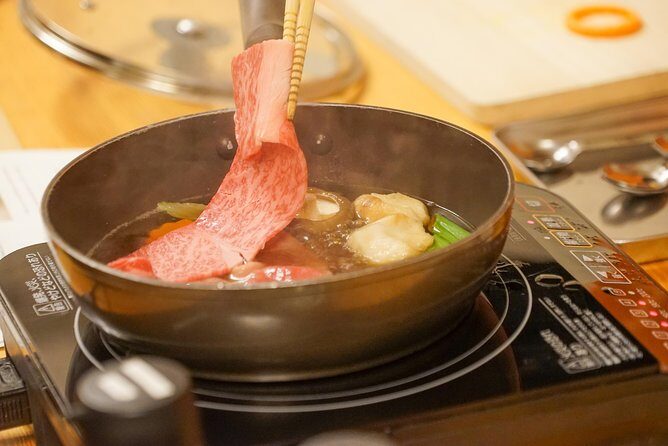
After the dashi lesson, you move into dish prep and cooking. The class is designed around learning classic and modern Japanese recipes with attention to:
- Technique (what to do and why it matters)
- Presentation (cutting and plating ideas that make food look right)
- Ingredients (seasonal vegetables and traditional seasonings)
You’ll likely do a mix of hands-on tasks:
- chopping vegetables
- mixing dressings and sauces
- shaping or finishing components
- cooking specific items with guidance
Students consistently say the pace is organized and not rushed, with short explanations and then immediate practice. That rhythm is important. Japanese cooking can feel intimidating because dishes can look delicate and “fussy,” but when you practice steps in order, it becomes manageable.
A note on what you’ll actually do
One review specifically pointed out that much of the work is chopping and mixing dressings, while instructors/staff handle some other tasks (like portions of soups or pre-staged ingredients). That’s not a failure of the class. It’s how you get 7 dishes in 3 hours without turning it into a 6-hour marathon.
In other words: you’ll work hard, but you won’t be stranded doing one tiny step for a whole morning.
A few more Tokyo tours and experiences worth a look



Wagyu Beef as the Main Event (and Why It’s Worth the Money)
The headline for many people is Wagyu. In this class, Wagyu isn’t just an ingredient tossed into something. It’s the main dish centerpiece, cooked with methods that highlight its tenderness.
A dish that comes up repeatedly is sukiyaki with Wagyu beef. Sukiyaki is one of those Japanese comfort foods that also teaches a lesson: how sweetness, soy-based seasoning, and heat control shape the final result. With Wagyu, the stakes are higher—because the beef really shows you what good technique tastes like.
Here’s what you should expect from a Wagyu-focused class:
- You’ll cook the beef as part of a larger flavor plan, not in isolation
- You’ll get guidance on cooking approach and doneness expectations
- You’ll learn how the seasonings and base stock play with the meat
And when people say the beef is tender and amazing, it’s not vague hype. Wagyu plus proper heat and sauce balance is exactly the kind of thing you can’t fully replicate if you’ve only ever had it cooked by someone else.
If you want one “wow” dish you can repeat later, sukiyaki is a strong bet.
The Instructor Difference: English Clarity and Real Feedback
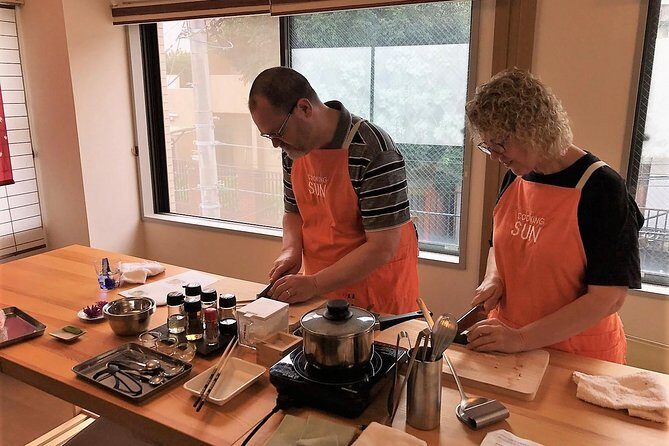
One of the most praised parts of this class is the instruction style. The instructors are described as English-speaking locals who are friendly and happy to help. Multiple names show up in the experiences shared—Aya and Hidemi are repeatedly mentioned, and other instructors you may see include Kaori, Megumi, and Yoko.
Why this matters: when you’re learning unfamiliar techniques (dashi, seasoning ratios, knife work for garnish), you need correction. And you need it quickly enough that it sticks.
In a small class (max 8 people), it’s easier for the instructor to spot issues and guide you. That’s also why people mention you never feel like a bystander. You’re hands-on, and you’re not competing for attention.
The atmosphere is often described as relaxed and friendly, not strict. That’s a good sign. Japanese cooking rewards patience, not panic.
Eating What You Cook: Sake, Green Tea, and a Multi-Course Lunch
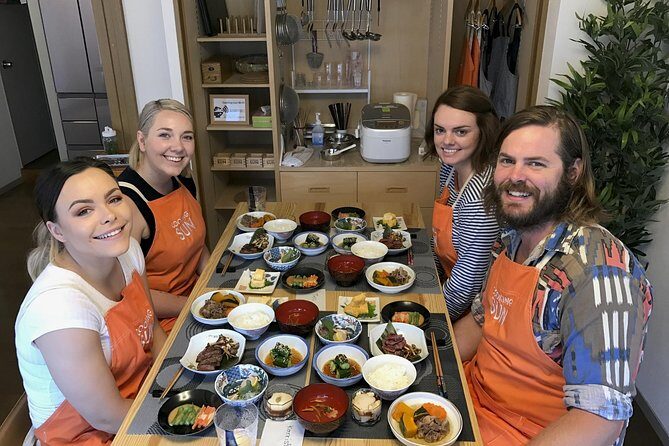
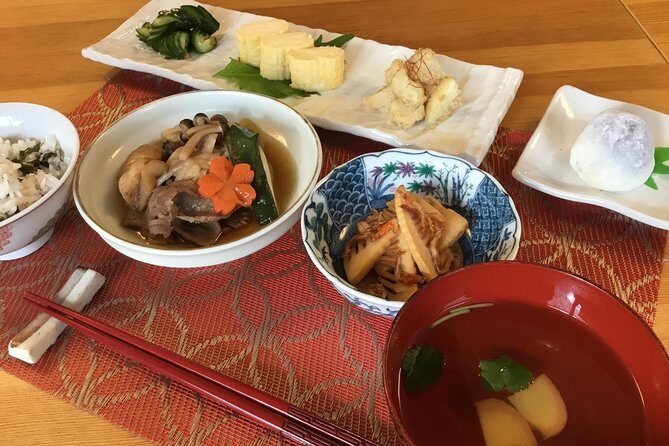
Once you finish cooking, you sit down and eat the fruits of your work. The meal includes sake and green tea, and the food is served as a true lunch set rather than “here’s a plate and good luck.”
This part is more than just eating. It’s how cooking classes become memorable. You get to taste your own dashi-based dishes as a group, notice how flavors link up, and learn which parts you’d want to tweak next time.
You’ll also use the traditional phrase Itadakimasu before eating. It’s a small ritual, but it signals respect for the ingredients—something that fits the class’s focus on understanding Japanese staples.
Price and Value: Why This Can Be a Smart Buy
At $72.96 per person, this class isn’t “cheap,” but it also isn’t trying to be a luxury dining experience. You’re paying for:
- hands-on instruction
- ingredients
- recipes
- apron and towel rental
- a full multi-course lunch experience with Wagyu
The value comes from time and output. You’re learning a flavor system (dashi + seasonings) and applying it across a set of dishes in about 3 hours. Then you leave with recipes you can repeat.
If you compare this to doing a single dish cooking workshop, the math gets better fast. The class teaches technique and context, not just plating.
Also, the small-group size tends to raise the value. You’re paying for focused attention, not a show.
Dietary Options and Flexibility (Including Vegetarian)
If you have dietary needs, this is one of the better types of classes to consider because there’s explicit mention of a vegetarian option. You’ll want to advise the team when you book if you’re vegetarian, and you should share any specific dietary requirements as well.
All that matters because Japanese kaiseki-style meals rely on multiple components—stock, seasonings, vegetables, and sometimes animal-based elements. If the kitchen can adapt your menu, you get the full “learn Japanese cooking” experience without awkward substitutions.
How to Get the Most From This Class
Here’s how to make sure you come away with more than a nice lunch.
1) Ask about the dashi and seasonings.
If you can’t explain what the stock does in each dish, you won’t confidently cook it later.
2) Focus on technique, not perfection.
Chop size and sauce mixing affect results, but the big wins come from understanding timing and balance.
3) Plan to cook again at home.
The class includes recipes for a reason. Pick one dish you loved most—often sukiyaki—and start there.
4) Show up ready to walk.
Since the building can be hard to spot, arrive a bit early. It takes the stress out of the first 10 minutes, and you’ll learn better.
Who Should Book This Tokyo Wagyu Cooking Class?
This class is a great match if:
- you want a hands-on Japanese cooking experience with a real home-cooking feel
- you care about Wagyu but also want technique, not just tasting
- you want a class that works even if your cooking skills are beginner-to-intermediate
- you like learning how ingredients and seasonings connect into a full meal
It may be less ideal if you’re hoping for a quiet, independent culinary workshop with zero group dynamics. This is interactive, with ongoing instruction and cooking together.
Should You Book Cooking Sun’s Wagyu Beef and Japanese Dishes Class?
I’d book it if you want a morning that turns into skills you can actually use. The combination is hard to beat: dashi from the start, small-group hands-on cooking, an English-guided experience, and Wagyu cooked as the main event—then you get to eat it with sake and green tea.
The only real “watch-out” is location. If you’re organized with your directions and arrive a little early, that’s a minor issue compared to the value of what you learn.
If your goal is to come home with recipes you’ll trust—and with a clearer sense of why Japanese meals taste the way they do—this is a very solid choice for Tokyo.
FAQ
How many people are in the class?
The class is small, with a maximum of 8 people.
How long is the cooking class?
It runs for about 3 hours.
Is the instruction offered in English?
Yes, instructions are in English.
What does the class include for the cooking part?
Ingredients and supplies are provided, along with an apron and a towel. Recipes are also included.
Is there a vegetarian option?
Yes. A vegetarian option is available if you advise at the time of booking.
Do I need hotel pickup and drop-off?
No. Hotel pickup and drop-off are not included, and the activity ends back at the meeting point.