REVIEW · HIROSHIMA
Day Trip to Hiroshima & Miyajima with Itsukushima Shrine
Book on GetYourGuide →Operated by AMIGO TOURS JAPAN GK · Bookable on GetYourGuide
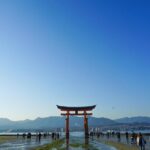
Miyajima’s torii gate looks like it’s floating above water. This day trip strings together the UNESCO-listed Itsukushima Shrine and, if you choose, the solemn Hiroshima Peace Memorial Park—two places with very different moods, back to back. You get ferry views of the coast and that famous gate from the water, plus time on Miyajima to wander at your own pace.
I especially like the bilingual Spanish and English guide (they explain, then you’re not left guessing), and the way the schedule gives you both guided time and real free time. The result is easier exploring: you learn the essentials at the big sights, then you can slow down for streets, food, and photos on Miyajima.
One thing to plan for: this is a full day with crowds. The shrine area and especially peak-time sightseeing can feel busy, and you won’t have unlimited time at every stop—so wear comfortable shoes and pick your priorities.
In This Review
- Key Points You’ll Care About
- Miyajima and Itsukushima’s Floating Torii Gate: Worth the Trip Alone
- Ferry + Guided Shrine Time: How the Morning Sets the Mood
- Itsukushima Shrine Isn’t Just a Photo Spot
- The Real Miyajima Experience: Streets, Deer, and Snacks
- If You Choose Hiroshima + Miyajima: The Emotional Shift Works
- Peace Memorial Park: Peace Memorial, Atomic Bomb Dome, and Time to Think
- Timing, Walking, and the Pace You Should Expect
- Price and Value: Why $39 Can Make Sense
- Meeting Points and How to Find Your Guide Fast
- What the Best Guides Do on This Tour (and What You’ll Notice)
- Tips to Make Your Day Trip Smoother
- Who Should Book This Day Trip?
- Should You Book This Tour?
- FAQ
- How long is the Hiroshima and Miyajima day trip?
- How much does the tour cost?
- What languages are the guides?
- Where do I meet the guide if I’m doing Hiroshima + Miyajima?
- Where do I meet the guide if I’m doing only Miyajima?
- What’s included in the price?
- Is lunch included?
- What should I bring for the day?
- Is the tour wheelchair accessible?
- What’s the cancellation policy?
Key Points You’ll Care About
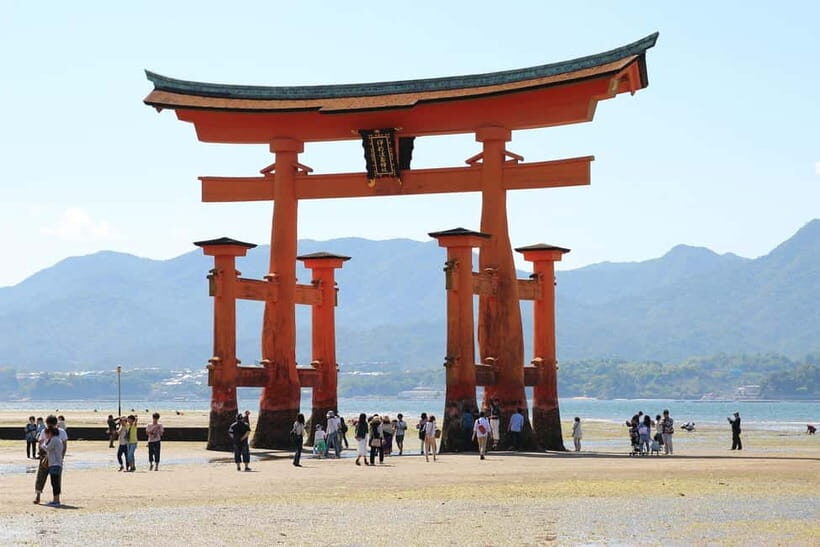
- Floating torii gate views from the ferry: the best angles are literally from the water
- Itsukushima Shrine (6th century roots) with guided context and time to wander
- Bilingual guidance in English/Spanish that’s clear and easy to follow
- Free time on Miyajima for deer encounters, temples, and snacks like momiji manju
- Optional Hiroshima Peace Memorial Park for reflection at the end of the day
Miyajima and Itsukushima’s Floating Torii Gate: Worth the Trip Alone
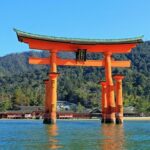
If you’ve seen photos of Japan’s most famous “floating” torii gate, you already know the look. What’s more memorable in person is the relationship between the shrine setting and the tide. From the ferry, you get a coastal view that makes the whole scene feel staged by nature: water, shore, and the gate rising out of it like a silhouette.
This matters because it changes how you photograph and move. On Miyajima, you’ll want to avoid treating the island like a checklist stop. Plan to pause—especially near the water—because the atmosphere is part of the landmark.
Also, you’re not just walking to a view. You’re taking a ferry ride with time built in, which means your day doesn’t feel like a rushed transfer from one bus stop to another.
A few more Hiroshima tours and experiences worth a look
Ferry + Guided Shrine Time: How the Morning Sets the Mood
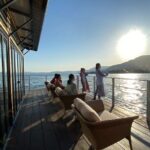
Your morning starts with transportation from the meeting point (either Hiroshima Station’s Shinkansenguchi bus area, or a different meeting point if your option focuses only on Miyajima). Then you head to the coast and take the 30-minute ferry toward Miyajima.
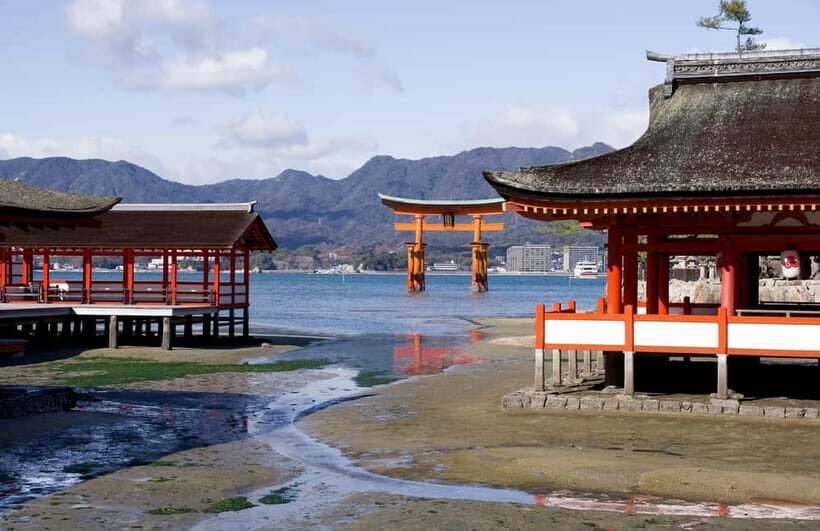
That ferry time does two jobs. First, it gets you there without friction. Second, it gives you water-level scenery—exactly where the torii gate looks most dramatic. By the time you arrive, you’re already oriented to the island.
At Itsukushima Shrine, you get a guided tour plus 30 minutes of free time. The guided portion helps you read what you’re seeing: the shrine’s layout, why it’s famous, and how it links to centuries of worship. The free time right after is smart, because you can immediately apply what the guide explained while everything is still fresh.
If you’re the type who gets restless when you don’t know what to look for, this part is a big win.
Itsukushima Shrine Isn’t Just a Photo Spot
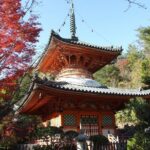
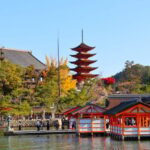
Itsukushima Shrine is UNESCO-listed, and the site’s roots stretch back to the 6th century. That long timeline is the point: this place isn’t only “pretty scenery.” It’s a working religious site built into a coastal landscape.
During the guided time, you’ll learn enough context to understand why the shrine feels so visually calm, even though it’s one of the most photographed places in Japan. You’ll also get a better sense of the architecture and the way the shrine structures interact with the water and surrounding area.
Then comes the practical part: the shrine area can be busy. Use your guided time to get the lay of the land, and keep your free time for slower wandering and photos at your own pace. When you rush the shrine without context, you end up with good pictures and a vague feeling. This tour helps you leave with both.
The Real Miyajima Experience: Streets, Deer, and Snacks
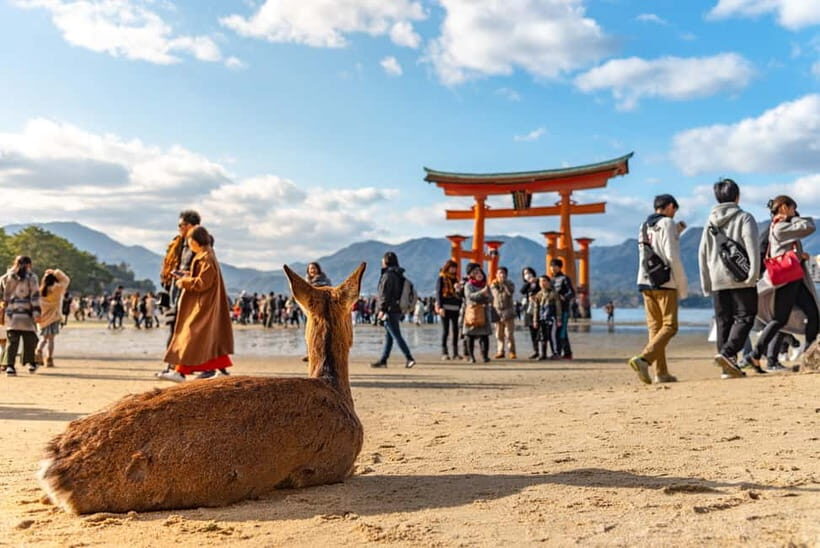
Miyajima is often described as peaceful, and the schedule reflects that. You’ll get about 100 minutes of free time on the island after the shrine visit—long enough to step off the main route, pop into smaller temple areas if you want, and stroll the charming streets.
One of the easiest “why this tour is worth it” moments is simply watching deer roaming freely around the island. They’re part of Miyajima’s everyday rhythm, so they’re not just a gimmick. If you like wildlife with manners (and I mean, don’t startle them), it adds a light, unexpected element to an otherwise spiritual day.
Food is another practical reason to keep this free time. You can look for local favorites like Miyajima oysters and momiji manju, the maple-leaf shaped pastries. These are the kinds of snacks you eat while walking, not the kind you stop for, order, wait on, and forget.
My advice: don’t plan anything too rigid with your 100 minutes. Pick one snack and one “wander” zone, and give yourself permission to stop for photos when the scene looks right.
If You Choose Hiroshima + Miyajima: The Emotional Shift Works
The tour option that includes both destinations changes the tone of your day in a noticeable way. After Miyajima, the bus ride returns you toward Hiroshima, and the visit to Hiroshima Peace Memorial Park becomes the emotional anchor.
This is not the kind of outing you treat like a normal sightseeing loop. The Peace Memorial Park is designed for reflection. Even the way the visit is structured—guided time followed by free time—makes sense. You learn key background in a walking tour format, then you can choose how you want to process what you see.
Some departures may run the schedule so you experience Miyajima first and save Hiroshima for last. That sequencing can help you ease into the emotional weight rather than stacking it on top of shrine crowds and ferry noise right away.


Peace Memorial Park: Peace Memorial, Atomic Bomb Dome, and Time to Think
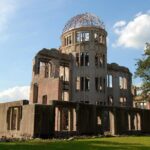
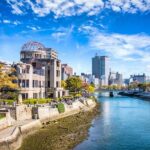
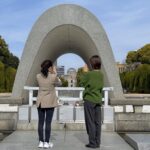
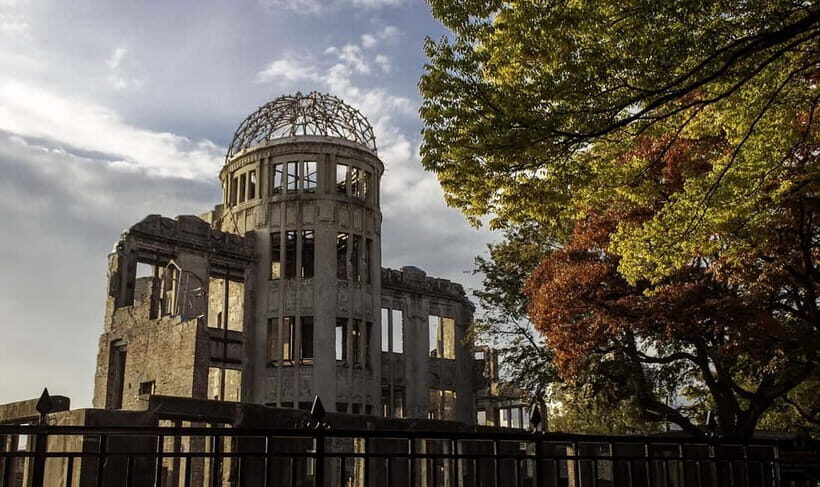
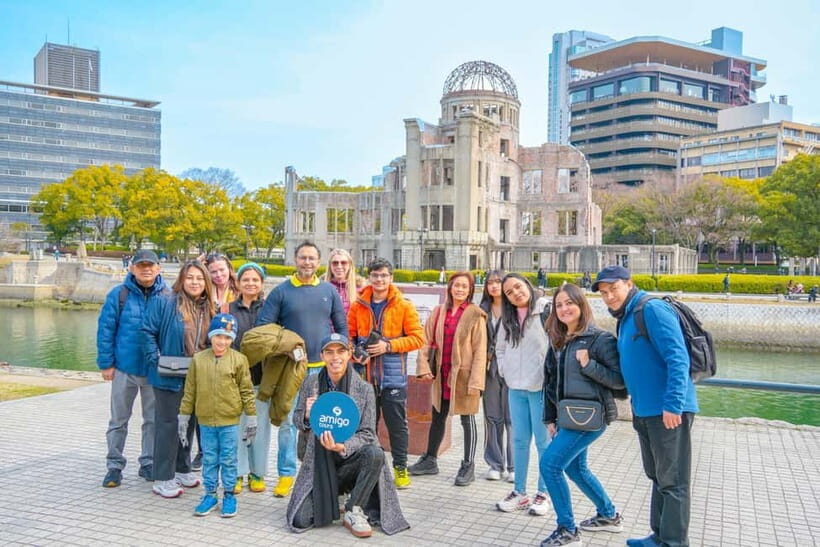
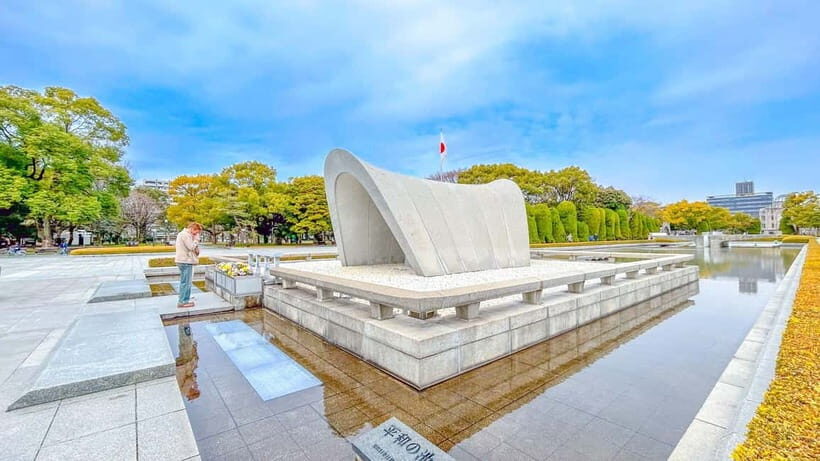
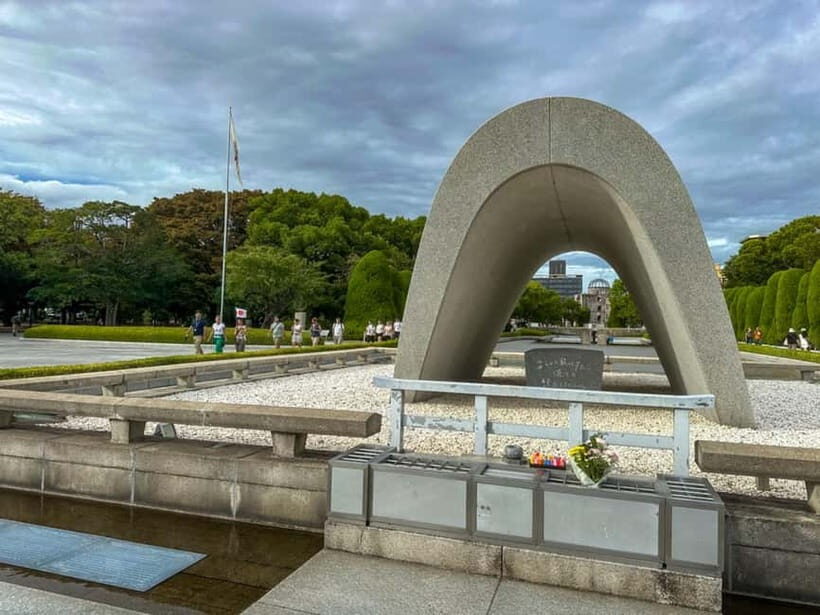
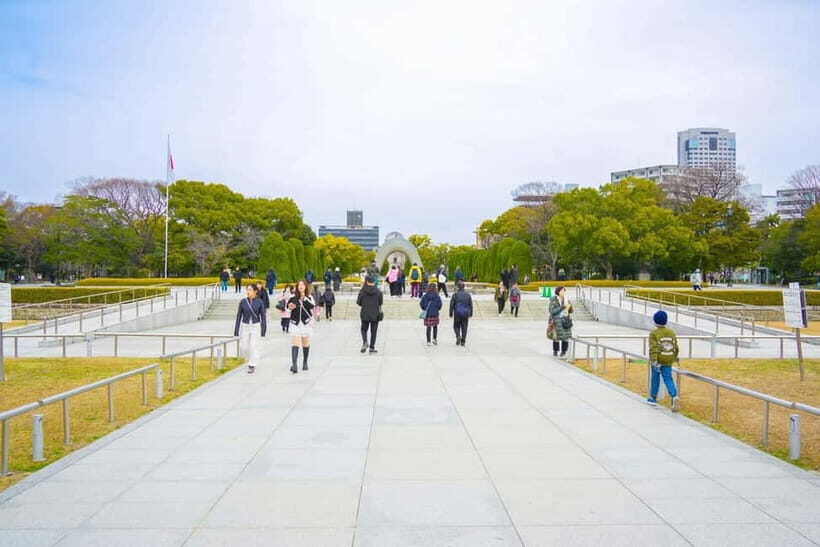
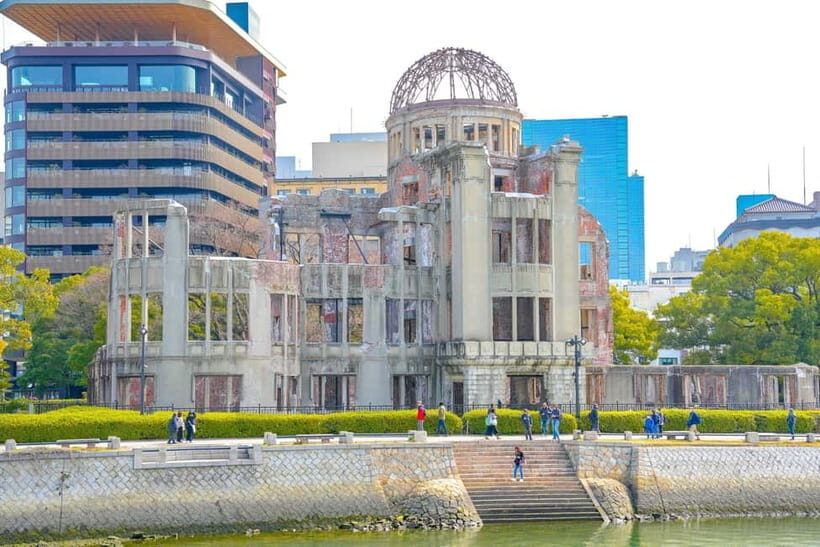
Inside Hiroshima Peace Memorial Park, you’ll have a guided tour and time on your own to take in the major elements, including the Peace Memorial and the Atomic Bomb Dome, plus other monuments honoring victims of the 1945 bombing.
Here’s what I think is most valuable for you: the park isn’t just “one landmark.” It’s a set of places that work together. A guided walk gives you the threads—what each monument is tied to, why it exists, and how the site communicates meaning. Then your free time lets you stop where your attention naturally goes.
This is also where pacing matters. When you only have a quick stop, the park can feel like a blur. When you have a couple hours of breathing space, you can actually see details, read information, and sit with the emotional impact.
If you’re sensitive to heavy history, this tour can be intense—but it’s also one of the most important places to visit in Japan if that history sits within your travel priorities.
Timing, Walking, and the Pace You Should Expect
Your day is roughly 210 minutes up to a full-day format (depending on which option you pick), with a mix of bus time and ferry time.
The key thing to understand is that this isn’t a slow, all-day roam. It’s planned to hit the big pieces:
- Coach/bus transportation between stops
- A ferry ride to Miyajima (and back)
- Guided time at Itsukushima Shrine
- A chunk of free time on Miyajima
- Optional guided time at Hiroshima Peace Memorial Park plus free time
Also, the tour is marked as not suitable for wheelchair users. If mobility is an issue for you, you’ll want to choose something else or confirm specific accommodations with the operator before booking.
Comfort tip: even if you think you’re fine with walking, assume you’ll do more than you expect. Shrine areas have uneven ground, and Miyajima streets can require a lot of small directional changes.
Price and Value: Why $39 Can Make Sense
The price is listed at $39 per person, which is low for a full half-day to full-day outing that includes ferry transport and guided programming in two languages.
Here’s the value math that matters:
- You’re paying for transportation + a ferry ticket, not just admission
- You get Itsukushima Shrine admission included
- You get a bilingual guide (English/Spanish), which can save you from spending your time decoding signs and context
- You get optional access to the Peace Memorial Park experience with guided context
The only obvious cost not included is lunch. That’s normal for a day trip, but plan to spend money on food in Hiroshima or on Miyajima if you want to try local snacks.
If your goal is “big sights, minimal stress, clear explanations,” this format is a strong deal. If your goal is total freedom and slow travel with no structure, you might feel a little boxed in by the fixed schedule. Most people land somewhere in the middle—and this tour hits that middle well.
Meeting Points and How to Find Your Guide Fast
Meeting points depend on which option you book, and this is worth getting right so you’re not hunting around while the group waits.
- For the option including Hiroshima + Miyajima, meet outside Hiroshima Station Shinkansenguchi Hiroba Bus Berth. To get there, take the North Exit, go down the stairs, and head to the Shinkansenguchi Bus Berth between Bus Stops 8 and 9. The guide is waiting with a sign of Amigo Tours.
- For the option visiting only Miyajima, the meeting point is outside Hiroden-Miyamimaguchi Station, where the guide waits with an Amigo Tours sign.
I like that the instructions are specific. Still, arrive early. Japan is efficient, but waiting in the wrong spot isn’t fun.
What the Best Guides Do on This Tour (and What You’ll Notice)
Across the experiences people described, a consistent theme shows up: the guiding feels interactive and practical, not just a lecture. Multiple guides named in feedback—like Alex, Alejandro, Alan, and Pastor—were praised for being attentive and for explaining details clearly in both English and Spanish, often pairing languages so you don’t feel stuck.
Also, the bus driver got credit for being safe—examples included Moriyama and other drivers praised for careful driving. That matters on day trips because you want your energy for the sights, not for worrying about the ride.
One small but useful point: one person noted that the order of stops can sometimes be adjusted so the day ends with Hiroshima, making the sadness land at the right time. That’s the kind of scheduling judgment that can improve the emotional pacing of the whole outing.
Tips to Make Your Day Trip Smoother
If you want to enjoy this without stress, keep it simple:
- Wear comfortable shoes. You’ll walk more than you expect around shrines and along Miyajima streets.
- Bring water, especially on warmer days. One account mentioned summer heat and humidity making crowds harder to manage.
- Use your camera, but also keep a few minutes with your phone down. Miyajima is one of those places where stopping pays off.
- Pick one priority on Miyajima: shrine photos, temple wandering, or food. Trying to do all three at once can flatten the experience.
If you’re traveling during peak season, expect busy times at the shrine and also around the Peace Memorial area.
Who Should Book This Day Trip?
This tour is a good fit if you want:
- A one-day plan that covers Miyajima + Itsukushima Shrine with less hassle than DIY
- Clear background while still leaving time to wander
- The option to include Hiroshima Peace Memorial Park with guided context
It may not be your best match if:
- You need wheelchair access (this tour isn’t suitable)
- You dislike structured pacing and want a very slow, flexible island day
- You prefer eating as your main activity and don’t want to plan around included segments
Should You Book This Tour?
If you’re weighing options, I’d book this if your goal is simple: see the floating torii gate, experience the shrine with context, and either stop at Miyajima only or add Hiroshima for reflection.
The value is strongest for people who want guided explanations without giving up free time. And if Hiroshima sits on your list, the guided walk plus open time in the park is a respectful way to handle a heavy subject.
Skip it only if the fixed day rhythm sounds like the opposite of how you like to travel.
FAQ
How long is the Hiroshima and Miyajima day trip?
The duration is listed as 210 minutes to 8 hours, depending on the starting time and which option you book.
How much does the tour cost?
The price is listed at $39 per person.
What languages are the guides?
The guide is bilingual in English and Spanish.
Where do I meet the guide if I’m doing Hiroshima + Miyajima?
Meet outside Hiroshima Station Shinkansenguchi Hiroba Bus Berth. The instructions say to take the North Exit, go down the stairs, and head to Shinkansenguchi Bus Berth between Bus Stops 8 and 9, where the guide is waiting with an Amigo Tours sign.
Where do I meet the guide if I’m doing only Miyajima?
Meet outside Hiroden-Miyamimaguchi Station, where the guide is waiting with an Amigo Tours sign.
What’s included in the price?
Included items are transportation from the meeting point, a bilingual guide (English/Spanish), admission to Itsukushima Shrine, and a ferry ticket.
Is lunch included?
No. Lunch is not included.
What should I bring for the day?
Bring comfortable shoes, a camera, and water.
Is the tour wheelchair accessible?
No. It’s listed as not suitable for wheelchair users.
What’s the cancellation policy?
Free cancellation is listed as available up to 24 hours in advance for a full refund.