REVIEW · KYOTO
Kyoto 8hr Private Tour with Government-Licensed Guide
Book on Viator →Operated by Japan Guide Agency · Bookable on Viator
Kyoto feels different with a licensed guide. This private, 8-hour walking plan lets you choose your stops, and a government-licensed English guide maps the route around your interests.
I like that you start with big-name sites, but you don’t spend the whole day just herding through crowds.
The main catch is that it’s still a walking tour for about 8 hours, and many entrances are not included.
I love the way Fushimi Inari-taisha sets the tone early and keeps the day feeling Kyoto-correct, not random. I also like the built-in access to street life at Nishiki Market, where food snacks and quick bites turn sightseeing into something you can actually use.
The itinerary mix also tends to land you in both famous temples and the neighborhoods people talk about after the fact.
One consideration: you’ll be on your feet for a full day, and your exact route matters. Since you’re choosing a limited set (usually 4–6 sights), you may not hit every major temple on the list in one go.
In This Review
- Key highlights that make this Kyoto day work
- How the 8-hour private walking plan works (and why it’s worth it)
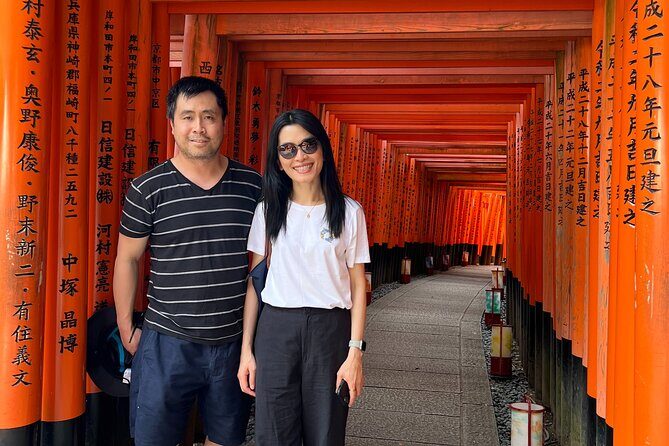
- Fushimi Inari-taisha: torii paths with a guided rhythm
- Kiyomizu-dera and Higashiyama: where old Kyoto lives upstairs
- Nijo Castle, Kyoto Imperial Palace, and Nishiki Market: power, tradition, and snacks
- Gion and Pontocho: Geisha district without the stress
- Zen temples and garden moments: from Golden Pavilion to Ryoan-ji
- Arashiyama highlights: bamboo groves, Togetsukyo Bridge, and Tenryu-ji
- North Kyoto add-ons: Shugakuin, Kibune, Kurama, and mossy hillside temples
- Guides in action: Karkoo Tanigawa, Ichiro, and Shu
- Price and value: is $201.46 per person fair?
- Making it smooth: footwear, timing, and what to ask for
- Should you book this Kyoto private tour?
- FAQ
- How long is the Kyoto private tour?
- Is this tour walking-based?
- How many stops can I choose?
- Do I need to pay entrance fees?
- Is transportation included?
- Is there a licensed English-speaking guide?
- Do I get a ticket on my phone?
- Is this a private tour?
- Are group discounts available?
- What if I need to cancel?
Key highlights that make this Kyoto day work
- Government-licensed English guide who customizes your exact stop mix after you book
- Pick 4–6 sites from a menu of Kyoto classics, plus optional neighborhood time
- Pickup and drop-off on foot so you’re not coordinating buses or taxis
- A smart blend of shrines, castles, Zen temples, markets, and old districts
- Mobile ticket included, with a setup designed for easy start-to-finish flow
How the 8-hour private walking plan works (and why it’s worth it)
This is a true private experience, meaning it’s just your group. You’re not sharing the day with strangers, and that matters in Kyoto where the best walking routes can change hour to hour based on crowds.
Plan-wise, you get a government-licensed English-speaking guide. After you reserve, the guide contacts you to shape a personalized route, and you choose your sites from the tour’s options. The structure is designed around efficient walking time: typical stops are short, often around 10–30 minutes each, so you get real orientation without burning the whole day in lineups.
A helpful detail: pickup and drop-off are on foot. You meet the guide within a designated Kyoto area, then you walk through the day together. There’s no private vehicle included, and transportation fees are on you.
You can also read our reviews of more guided tours in Kyoto

Fushimi Inari-taisha: torii paths with a guided rhythm
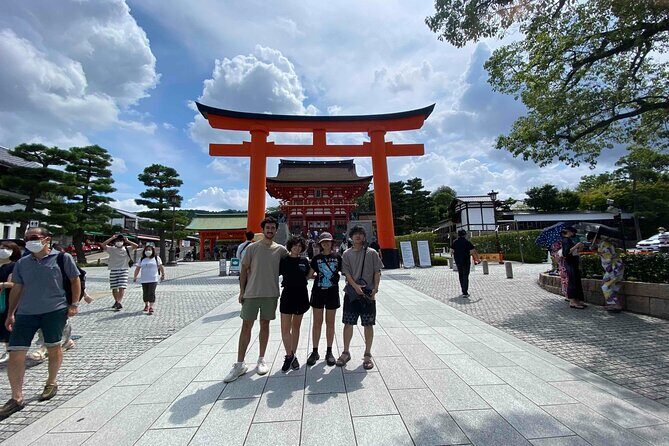
Fushimi Inari-taisha Shrine is the kind of Kyoto stop where going it alone can turn into aimless wandering. With a guide, you get a cleaner path through the experience, plus context that helps the torii tunnels feel more than just a photo setup.
In this tour, Fushimi Inari is a shorter stop (about 15 minutes) and has free admission listed. That’s a smart pairing time-wise: you can experience the iconic look without spending half the day there.
The tour also advertises a chance to see aspects that feel less typical than what ordinary tourists rush through. Even if you don’t think of it as VIP access, the practical benefit is the same: you move with purpose, and you’re less likely to miss a viewpoint that makes the whole shrine feel complete.
Tip: if you’re selecting your “must-see” list, this is often the best anchor. If you can only spare one shrine, make it Fushimi Inari.
Kiyomizu-dera and Higashiyama: where old Kyoto lives upstairs
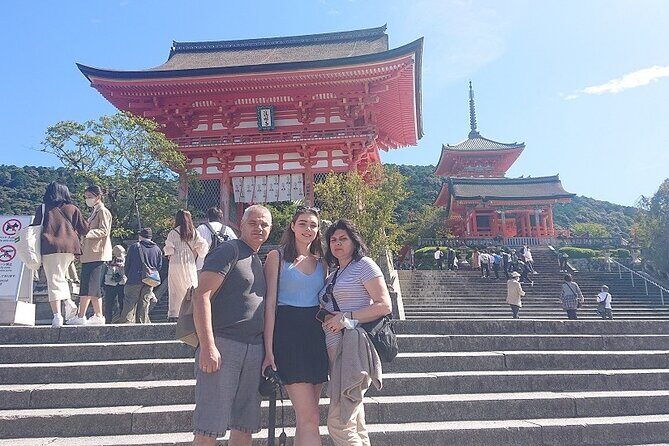
Kiyomizu-dera is one of Kyoto’s headline temples, and it’s included here with guided time. The stop is listed as a comprehensive 1-hour guided tour, while admission is not included for this temple.
What makes Kiyomizu a good fit for a guided walking day is the way it connects to the surrounding streets. Nearby old-district walking (the kind of lanes people love for photos) is where Kyoto stops feeling like a checklist and starts feeling like a place.
This is also where Higashiyama Ward fits in. It’s described as one of the city’s best preserved historic districts along the lower slopes of Kyoto’s eastern mountains. In practice, that means you’ll likely get a lot of the traditional street scenery that makes first-time Kyoto visitors go quiet in a good way.
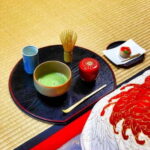
If you like food pauses, ask your guide about a stop that matches your tastes. The tour description specifically mentions things like a green tea parfait as an option, and that’s a very Kyoto move: sightseeing plus something sweet and local.
Nijo Castle, Kyoto Imperial Palace, and Nishiki Market: power, tradition, and snacks
This tour’s value shows up in the mix: it doesn’t only do temples. It also includes places tied to Japan’s leadership history and daily urban life.
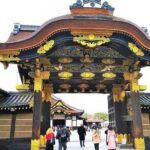
Nijo Castle (UNESCO) is listed as built in 1603 as the Kyoto residence of Tokugawa Ieyasu, the first shogun of the Edo Period. That’s a big deal historically, and a guide helps you connect the architecture to the story without you needing a crash course beforehand. Admission is not included here, and the stop is short, about 15 minutes.
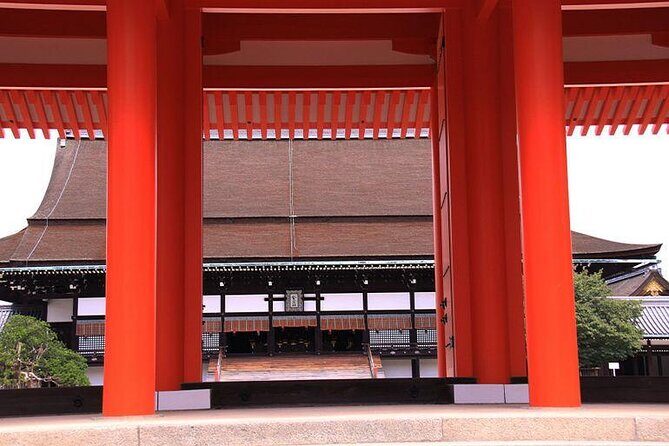
Kyoto Imperial Palace is another “big timeline” stop. It used to be the residence of Japan’s Imperial Family until 1868, when the emperor and capital moved from Kyoto to Tokyo. The palace setting is spacious, and a guide can point out how to read the site without wandering aimlessly.
Then you hit Nishiki Market Shopping District, described as Kyoto’s Kitchen. It’s narrow, about five blocks long, and lined with more than 100 shops and restaurants. Nishiki is listed with free admission, so it’s one of the easiest high-reward stops to enjoy during an already full day. It’s also a good place to eat lightly, because the market is made for tasting rather than a long sit-down meal.
Gion and Pontocho: Geisha district without the stress
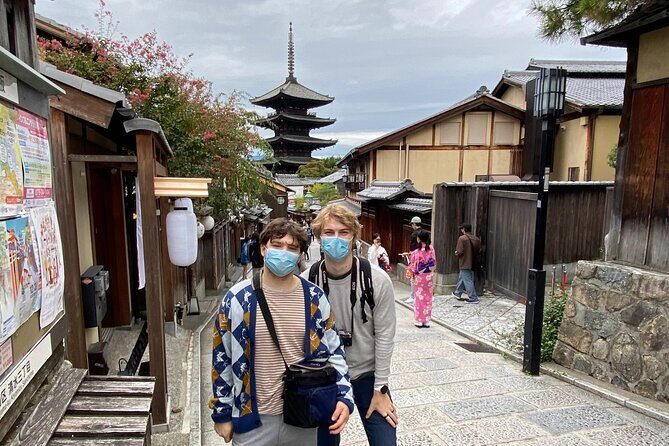
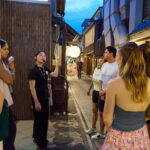
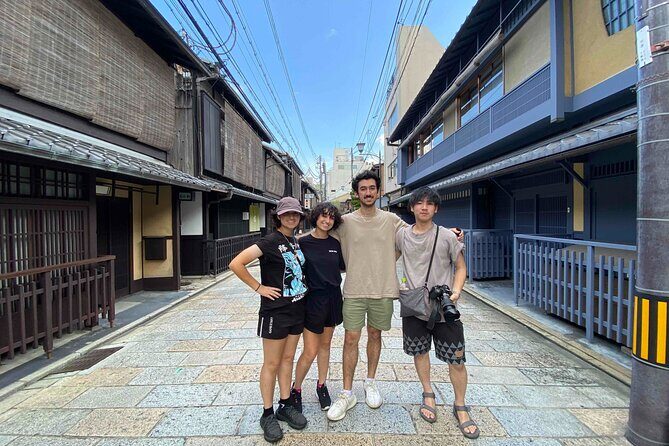
Gion is one of those areas where first-time visitors can get turned around quickly. The tour specifically calls out that the narrow alleyways of Kyoto’s geisha district can be daunting, and that’s exactly why a guide helps.
Expect this section to feel more like street exploration than museum time. Your guide can help you navigate quickly, so you spend less energy figuring out where you are and more energy noticing details: building styles, lane turns, and the small shifts in atmosphere as you walk.
Pontocho is the other neighborhood-side contrast. It’s described as an atmospheric dining area: a narrow alley running from Shijo-dori to Sanjo-dori, one block west of the Kamogawa River, and packed with restaurants along the way. It’s also listed with free admission.
Practical advice: if you’re hoping for photo time, plan for quick stops. These are narrow streets. You’ll get better shots by moving a little, finding a spot, taking a few photos, then continuing.
You can also read our reviews of more private tours in Kyoto


Zen temples and garden moments: from Golden Pavilion to Ryoan-ji
Kyoto does Zen temples in a way that’s hard to appreciate without context. This itinerary gives you multiple entry points into that world, from iconic gold-and-silver pavilions to quieter stone-and-garden spaces.
Kinkakuji (Golden Pavilion) is listed as a Zen temple whose top two floors are covered in gold leaf, and it’s described as the retirement villa of Ashikaga Yoshimasa. It’s not a long stop (10 minutes), and admission is not included, but the guide helps you understand what to look for so you’re not just scanning for the gold.
Ginkakuji (Silver Pavilion) is a related Zen temple stop in the same general east Kyoto area (Higashiyama). It’s listed as a retirement villa built by shogun Ashikaga Yoshimasa. Again, admission is not included, and the time is short, so guidance helps you make the moment count.
Then you can build in the quieter classics. Ryoan-ji is famous for Japan’s most well-known rock garden. The stop is brief (10 minutes), but it’s exactly the kind of sight where a guided explanation can change how you see the stones and the overall balance.
Other temple add-ons that can show up depending on your chosen route:
- Eikando Zenrinji Temple, famous for autumn colors and evening illumination (admission not included; listed for a longer 30-minute stop)
- Sanjusangendo, famous for 1001 statues of Kannon (admission not included; 30 minutes)
- Kennin-ji, close to Hanamikoji and Shijo, with grounds described as expansive and pleasant (dry garden mentioned; admission not included, though the stop is tiny in the outline)
Key point: many of these temples list admission as not included. If you hate surprises, make sure you budget for entrance fees when you pick your 4–6 sites.
Arashiyama highlights: bamboo groves, Togetsukyo Bridge, and Tenryu-ji
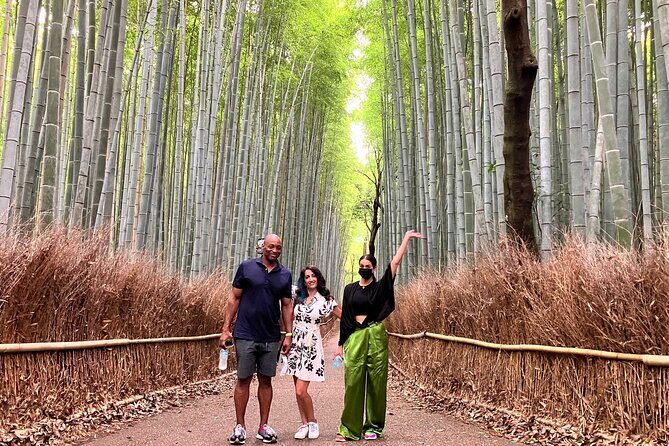
Arashiyama is the section where Kyoto becomes scenic in big, obvious ways. The tour includes multiple Arashiyama options, including the Togetsukyo Bridge, bamboo grove paths, and major temple stops.
Togetsukyo Bridge is described as Arashiyama’s most iconic landmark. It was originally built during the Heian Period and was reconstructed in the 1930s. Even if you only spend a few minutes there, it’s a natural photo hub for a reason: it anchors the whole Arashiyama vibe.
The bamboo groves are specifically described as worth walking, and even riding a bike if you’re so inclined. The groves are said to look especially attractive when there’s a light wind and the bamboo stalks sway gently. That’s a real practical tip: conditions affect how good the grove feels.
Tenryu-ji is included as the most important temple in Arashiyama, and it’s also listed as registered as a world heritage site. Okochi Sanso Garden is another optional stop tied to a former villa of actor Okochi Denjiro, located in the back of the bamboo groves.
A balanced expectation: Arashiyama can be crowded because it’s popular. The guide helps by keeping your walking route tight and your time focused, which is the difference between an enjoyable scenic walk and an exhausting one.
North Kyoto add-ons: Shugakuin, Kibune, Kurama, and mossy hillside temples
This tour’s list gets more adventurous as you move into northern Kyoto options. If you want a break from the most famous loops, this is where your guide can steer the route.
Shugakuin Imperial Villa is described as built in the 17th century by Emperor Gomizuno and now managed by the Imperial Household Agency. The outline suggests it’s a short stop (10 minutes), but the idea here is to sample the calm, landscaped feel of an imperial space without spending all day there.
Kibune (near the forested mountains) is described as a small town in a valley that developed around Kifune Shrine. There’s even a legend included: a goddess traveled by boat from Osaka up to the mountains. Kurama-dera is another northern temple option, known for its hot spring and the temple experience.
Then come the hillside temples like Jojakkoji, Nisonin, and Gio-ji. These are described as understated temple atmospheres with moss gardens and maple trees, and they’re listed as short stops (often around 10 minutes). If you’re visiting in a season when the maples and moss matter most (autumn is explicitly referenced for some sites elsewhere), these hillside stops can be a nice change of pace.
If you hate long walks between sites, choose fewer northern add-ons. If you like quieter streets and tucked-away spaces, build this section into your top picks.
Guides in action: Karkoo Tanigawa, Ichiro, and Shu
The biggest practical quality here is guide competence in the real world, not just knowing the facts. One group credited their guide, Karkoo Tanigawa, as helpful and accommodating, especially for a party of six adults. Another shared experience praised two guides, Ichiro and Shu, calling them professional and going above and beyond across two days.
Those comments point to a core strength: the day runs smoother when the guide manages pacing, transitions, and what to focus on at each stop. It’s also mentioned that having local currency and transportation cards ready helped the group start immediately. That’s a simple prep step that makes a noticeable difference in Kyoto, where stations and ticket steps can chew up time fast.
Even the photo outcomes make sense. People talked about photos at places like the bamboo forest, Golden Pavilion, and areas around Kiyomizu Temple and Sannenzaka. That’s what you want from a private walk: time that supports your camera and your feet, not one or the other.
Price and value: is $201.46 per person fair?
At $201.46 per person, you’re paying for a government-licensed English guide plus a customizable route built around Kyoto’s biggest themes: shrines, castles, neighborhoods, and Zen temples.
What’s included is important:
- a licensed local English-speaking guide
- a customizable tour where you choose 4–6 sites
- meet-up on foot within a designated area
- mobile ticket
What’s not included:
- transportation fees
- entrance fees (for many listed temples/castles)
- lunch and personal expenses
- private vehicle
So the value depends on how you plan to spend your time. If you’d otherwise pay for trains, then waste time trying to connect the dots yourself, this tour can save stress and produce more meaningful walking than a loose self-guided day.
One more timing note: the experience is often booked about 69 days in advance on average, and you’re asked to reserve at least 2 weeks ahead. If you’re traveling during peak seasons (or you want a specific day), booking earlier is the smart move.
Making it smooth: footwear, timing, and what to ask for
Because the tour is walking-based, footwear is not optional. Choose comfortable shoes with good grip, especially around temple stairs and older street surfaces.
Ask your guide up front what your ideal day looks like:
- Do you want more temple time (like Kiyomizu, Kinkakuji, Sanjusangendo)?
- Or do you want more neighborhood texture (Gion, Pontocho, Nishiki)?
- Are you chasing photos, autumn colors, or just the best first-day understanding of Kyoto?
Also, because many sites list admission fees as not included, plan your budget based on your final stop selection. This matters more than most people expect, since the biggest Kyoto names are often paid entries.
Finally, if you like food, build it in. The market stop is set up for quick tastes, and the tour description even points to options like green tea parfait. That’s how you keep an 8-hour day from feeling like constant looking and no enjoying.
Should you book this Kyoto private tour?
Book it if:
- you want a government-licensed English guide who can shape your day
- you’re short on time and want a route that hits Kyoto’s main emotional zones (shrines, Zen, neighborhoods, food streets)
- you prefer not to fight logistics and directions all day
Skip it (or reduce expectations) if:
- you want a completely self-paced day with no fixed stop rhythm
- you can’t comfortably walk for about 8 hours
- you’d rather choose only free sites and avoid paid entrances, because many of the big temples in the menu are not included for admission
If your priority is making Kyoto feel coherent in one day, this tour is a strong choice. You’re buying time, guidance, and smooth transitions—so you spend less energy figuring out where to go and more on noticing what makes Kyoto actually Kyoto.
FAQ
How long is the Kyoto private tour?
It’s listed as approximately 8 hours.
Is this tour walking-based?
Yes. It’s a walking tour, and pickup and drop-off are on foot.
How many stops can I choose?
The tour is described as customizable, with guidance planning a route around your chosen spots, typically selecting 4–6 sites from the available options.
Do I need to pay entrance fees?
Entrance fees are not included. Some listed stops have free admission, but others note that admission is not included.
Is transportation included?
Transportation fees are not included, and a private vehicle is not provided.
Is there a licensed English-speaking guide?
Yes. The guide is described as government-licensed and English-speaking.
Do I get a ticket on my phone?
A mobile ticket is included.
Is this a private tour?
Yes. It’s a private tour/activity, and only your group participates.
Are group discounts available?
Group discounts are listed as a feature.
What if I need to cancel?
Free cancellation is available up to 24 hours in advance for a full refund.