REVIEW · NAHA
Naha: Guided E-Bike Tour of the 12 Zodiac Temples
Book on GetYourGuide →Operated by イーチャリティ那覇国際通り本店 · Bookable on GetYourGuide
Shuri’s temple lanes feel like a shortcut through Okinawa’s soul. I love how this guided e-bike tour strings together 12 meaningful stops in about 3 hours, and then adds context you can actually use while you’re looking around. I also love the small group size (limited to 5), plus helmets with intercom so your guide’s directions stay clear. One thing to consider: you need to be comfortable riding a bike, and the tour covers short stretches where you’ll want proper shoes and steady balance.
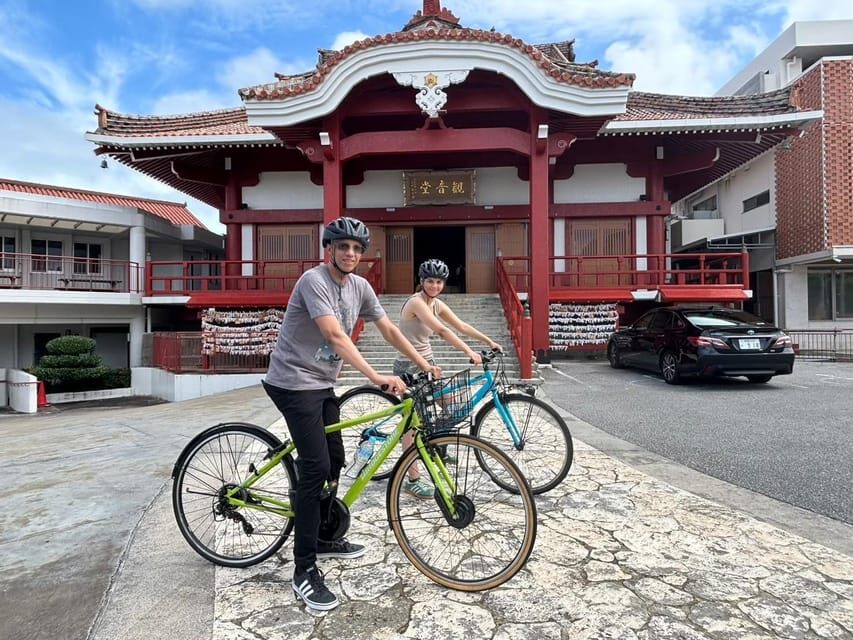
You’ll start in Naha, get fitted with an electric bike, and roll into Shuri on lanes that are hard to find on foot. Expect stops like Shuri Kannondo with its red carvings and guardian-temple backstory, and photo time at the Shureimon Gate, the symbol of Okinawa. On top of the sights, guides such as Maria and Maki are known for being friendly and making the ride feel safe and well-paced.
A possible drawback is simple: there’s no meal included, so plan around hunger (and heat). Bring water, and don’t show up in sandals or flip-flops—this route is not the place for slip-on footwear.
In This Review
- Key things I’d circle on your map
- Why a 3-hour Shuri e-bike temple circuit beats a solo day
- Meeting point at ダイショウビル: quick start, easy logistics
- E-bikes, helmets, and intercom: you feel the upgrade early
- The first leg: pedicab/rickshaw transfer to set up the ride
- Shuri Kannondo: red temple carvings and Ryukyu Kingdom context
- Ankoku-ji Temple: gate scale, traditional houses, and the gajumaru moment
- Shureimon Gate: the Okinawa symbol photo moment (with your bike)
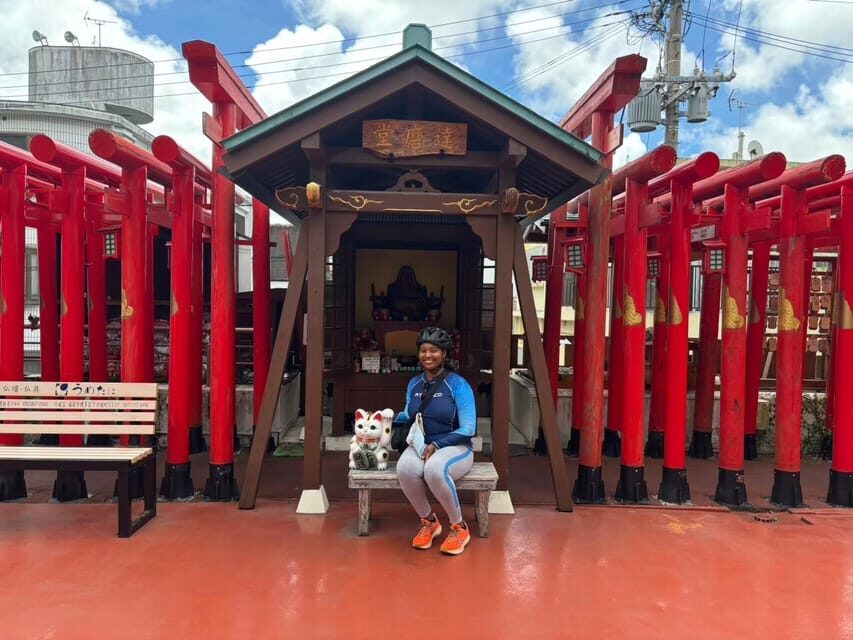
- Daruma Temple: health and pregnancy prayers, red dolls, and torii
- Seikoji Temple: Jizo statues and a peaceful space next to modern life
- Saki Kasahigawa miracle spring: the sound of water as a “history note”
- Sogenji Temple: royal mausoleum grounds and the “pure air” feeling
- Price and value: $95 for a guided e-bike day that actually saves time
- What you’ll like most (based on what tends to impress people)
- Who this tour suits best, and who should skip it
- Practical tips so your 3 hours feel smooth
- Should you book the Naha 12 Zodiac Temples e-bike tour?
- FAQ
- Where is the meeting point for the tour?
- How long is the guided e-bike tour?
- Is the electric bicycle included?
- What languages are available for the live guide?
- What should I bring?
- Are sandals or flip-flops allowed?
- What happens if the weather is bad?
Key things I’d circle on your map
- Intercom helmets: you can hear the guide without constantly shouting over traffic and wind.
- Shuri’s “off-the-main-road” temple stops: you reach places you’d struggle to spot alone.
- Shureimon Gate photo moment with your bike: iconic red structure, easy and fun to frame.
- E-bikes make the steel-hill problem manageable: your legs get a break when Shuri starts to tilt.
- A mix of prayer sites and daily-life scenery: temples, gates, trees, and even a miracle spring.
Why a 3-hour Shuri e-bike temple circuit beats a solo day
This tour works because it solves two problems at once: timing and navigation. Shuri is full of temple grounds, gates, and side streets, and walking-only plans can turn into a long detour scramble. Here, your electric bike turns that same area into a smooth, guided loop—short enough to stay fun, structured enough that you don’t waste time guessing.
Price matters, too. At $95 per person for 3 hours with an e-bike rental and a guided route, the value is less about convenience and more about access. You’re not just checking landmarks; you’re learning what the stops mean as you see them—like why Shuri Kannondo is tied to the Ryukyu Kingdom as a guardian temple.
Also, small groups help. Limited to 5 participants, you get a guide who can actually check your comfort and keep the ride flowing. That kind of attention is hard to replicate when you’re DIY-ing Shuri and trying to find the next gate before the light changes.
You can also read our reviews of more cycling tours in Naha


Meeting point at ダイショウビル: quick start, easy logistics
You meet at ダイショウビル—the tour starts and ends at the same place. If you’re coming by monorail, the bike shop is a 5-minute walk from Monorail Makishi Station, next to the post office.
That matters because it keeps your pre-tour plan simple. You don’t need a complex meeting ritual. You just locate the shop area, get your gear, and roll.
If you’re the kind of person who hates waiting around, this setup helps. The flow is designed around getting you onto the bikes quickly, then off into Shuri.
E-bikes, helmets, and intercom: you feel the upgrade early
Before you ride far, you’ll be fitted with your electric bicycle rental and given a helmet. The helmet includes an intercom system, which is a big deal in practice.
Instead of constantly repositioning to hear the guide, you can listen while moving. It also makes the group feel more connected during turns and tighter street moments. Guides are also known for giving directions for navigating traffic, which is exactly what you want when you’re cycling in a busy city district.
One practical note: come in comfortable shoes. Flip-flops and sandals are not allowed, and you’ll be happier if your feet can handle longer steps and occasional stopping.
The first leg: pedicab/rickshaw transfer to set up the ride

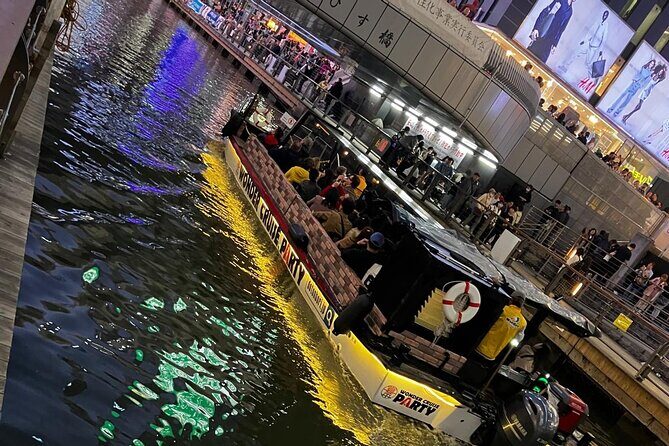
A neat part of the pacing: there’s a 20-minute pedicab/rickshaw segment early on. This isn’t just for show. It helps the tour manage energy and timing so you spend more of your 3 hours actually in the Shuri lanes, seeing the temples rather than grinding through transfers.
You’ll then get moving through Shuri’s backstreets. Think of this as the tour’s way of keeping the day enjoyable rather than exhausting.
Shuri Kannondo: red temple carvings and Ryukyu Kingdom context
The tour heads to Shuri Kannondo, and this is where the visual payoff starts. You’ll see beautiful carvings and temple decorations, and you’ll learn that it’s a guardian temple from the Ryukyu Kingdom.
Why this stop matters: the tour doesn’t treat temples like scenery. It gives you a thread to follow while you look. When the guide ties the place to Ryukyu Kingdom history, the details in the carvings feel purposeful, not decorative.
There’s also a bright red temple vibe, and you’ll get views of Shuri from the area. That combination—close-up craftsmanship plus a viewpoint—makes it a strong first anchor. You’re still fresh, your brain is warmed up, and you can start connecting each later stop to the bigger story of the Shuri district.
You can also read our reviews of more guided tours in Naha


Ankoku-ji Temple: gate scale, traditional houses, and the gajumaru moment

Next comes Ankoku-ji Temple, where the mood shifts from temple architecture to everyday Shuri atmosphere. You’ll admire traditional houses nearby, then move through the temple grounds to see an ancient gate and a large gajumaru tree.
This is the kind of stop I recommend even if you think you’re “not a tree person.” In Shuri, the big trees and old gates act like landmarks that make the area feel lived-in across generations. When you add the guide’s explanation, those features stop being random and start being the map of the place.
Drawback? This is a short stop, so you won’t get a long, slow wander. If you like lots of quiet time for photos, you may want to shoot a few frames right when you first arrive—then listen fully to the guide before you drift.
Shureimon Gate: the Okinawa symbol photo moment (with your bike)
Then you roll to the Shureimon Gate, a symbol of Okinawa. You’ll take a photo with your bike in front of it—simple, quick, and very photogenic.
This is one of those classic “yes, do the photo” moments. The gate is visually bold, and having your bike in frame instantly marks your day as an e-bike tour through Shuri, not a drive-by stop. It’s also a satisfying pacing break: you’ve seen multiple sacred sites already, and then you get an iconic exterior landmark that feels like a checkpoint.
If you’re traveling with someone who hates slow museum-style stops, this part is a win. It’s fast, fun, and easy to look back on later.
Daruma Temple: health and pregnancy prayers, red dolls, and torii
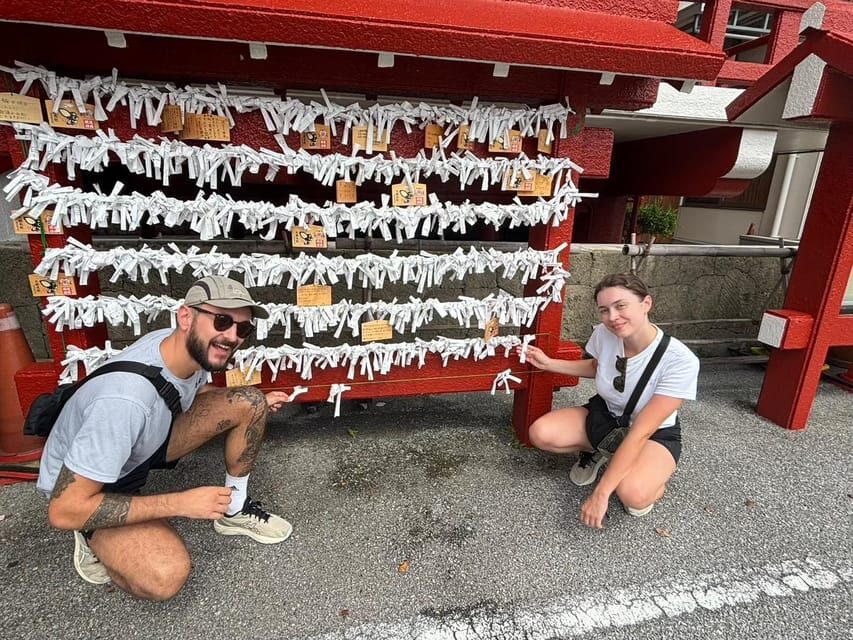
Next up is the Daruma Temple, and the theme is clear. It’s popular for health and pregnancy prayers.
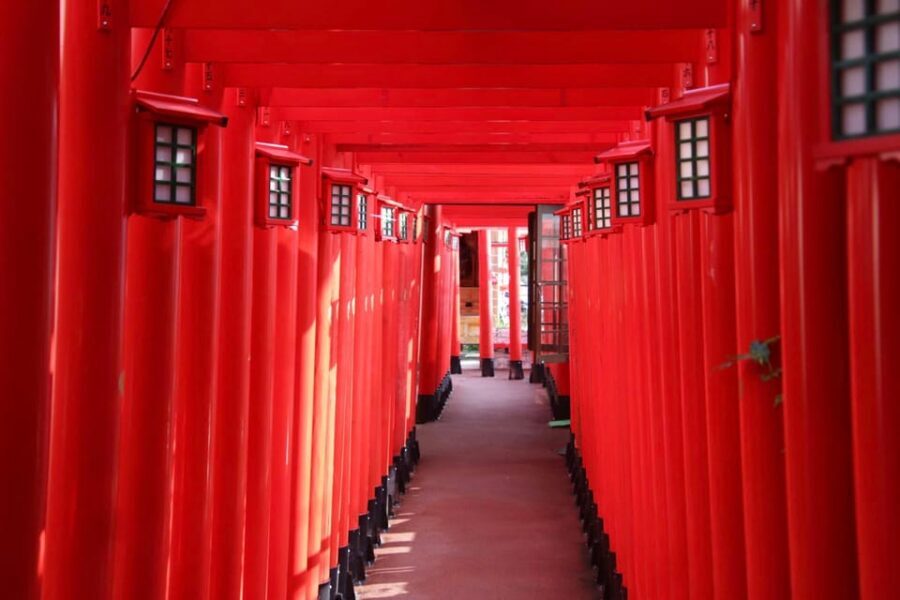
On the ground, you’ll see striking red daruma dolls and a torii gate. The emotional tone here tends to feel different from the quieter “history and gates” stops. You’re watching a place where people connect faith with real-life hopes—health, family, well-being.
A small practical consideration: this is a popular prayer theme, so keep an eye on space and follow the flow the guide sets. You’ll want your photos, but you’ll also want to respect the purpose of the place.
Seikoji Temple: Jizo statues and a peaceful space next to modern life
After Daruma, the tour visits Seikoji Temple. This stop leans calm. You’ll notice a sacred atmosphere, see Jizo statues, and also observe a modern building within the setting.
That mix is worth paying attention to. It helps you understand how these places function today, not only in the past. Sacred sites in Okinawa aren’t frozen in time. They coexist with everyday structures—and the guide can help you interpret why that matters as you move through.
If you like a slower feel, this is one of the gentler pauses on the route. Just remember you’re still on a timed loop, so it’s best to combine listening and photographing efficiently.
Saki Kasahigawa miracle spring: the sound of water as a “history note”
Next comes Saki Kasahigawa, described as a miracle spring flowing from deep forest. You’ll feel the history in the flowing water.
This is one of the most sensory parts of the tour, and I like it for a practical reason: it breaks up the pattern of gates and statues. When you stop to hear water, your brain gets a rest. Then you’re ready again for the final temple grounds.
Bring water, but don’t assume you’ll taste-test anything. The key here is observation—how the water sounds and where it comes from within the shrine-temple landscape.
Sogenji Temple: royal mausoleum grounds and the “pure air” feeling
The tour finishes at Sogenji Temple, described as a former royal mausoleum. You’ll spend time in the park area and see a gate and a gajumaru tree again.
This stop ties the loop together: early on you saw guardian and shrine themes; later you saw prayer-focused spots like Daruma; and here you land on a more formal, historical feel. The tour notes pure air in the park, and even if you don’t try to force a “spiritual soundtrack” in your head, you can still feel that shift in pace. It’s quieter, more open, and a good place to take a final set of photos.
Then you return to ダイショウビル to end the tour.
Price and value: $95 for a guided e-bike day that actually saves time
At $95 per person for about 3 hours, the big value is the mix of:
- Electric bike rental
- Guided route
- Helmet intercom
- A structured visit to multiple sites without you doing stop-and-go navigation
If you try to DIY this with a regular bike or walking-only plan, you’ll spend more time figuring out where each gate and temple entrance is—and you’ll likely miss the connections that make the stops feel like more than random “pretty places.”
The tour also keeps expectations realistic. You’re not getting meals included, and the guide isn’t offering temple goods or offerings. That’s fine. It just means you should plan a snack or dinner after.
Also, small group size matters for your comfort. Limited to 5 participants, you’re more likely to get individualized guidance for pace and safety than in a bigger bus-tour style day.
What you’ll like most (based on what tends to impress people)
The most praised aspects point to a consistent pattern: guides who are friendly, organized, and genuinely into the story.
You’ll hear names like Hiro, Maria, Maki, Reiji, Jojo, and Qwan in the guide stories. The recurring themes are:
- Clear explanations, not vague site chatter
- Safety check-ins during the ride
- Tips for navigating traffic
- A chill, fun vibe that doesn’t rush you into impatience
I also like the intercom system because it supports a calm ride. When you can listen while biking, you don’t have to constantly slow down just to hear the next instruction.
Who this tour suits best, and who should skip it
This tour is a strong match if you:
- Can ride a bike comfortably (the tour explicitly says people who can’t ride aren’t suitable)
- Want a guided way to see Shuri’s temple cluster without wasting time
- Like history and meaning tied to what you see on the ground
- Appreciate photo-friendly landmarks like Shureimon Gate
It’s not ideal if you:
- Prefer walking only
- Have balance issues on a two-wheeler
- Don’t have appropriate footwear (sandals/flip-flops aren’t allowed)
Practical tips so your 3 hours feel smooth
A few straightforward things make a difference:
- Wear comfortable shoes and clothing suitable for cycling.
- Bring water, sunscreen, and a hat (heat is real in Okinawa).
- Don’t plan on smoking breaks—smoking is not allowed during the tour.
- If you want to make temple offerings, remember offering money is not included, so bring what you plan to use.
Weather: if precipitation probability goes over 70% or severe weather shows up, plans may change and you’ll be contacted the day before. So choose this tour with the understanding that Okinawa can swing weather fast.
Should you book the Naha 12 Zodiac Temples e-bike tour?
I’d book it if you want a structured way to experience Shuri’s temple world in a short time, with the help of a guide who keeps the ride safe and the stories clear. The combination of electric bikes, intercom helmets, and a small group makes it feel approachable even if you’re not an expert cyclist.
Skip it if biking stresses you out, or if you need a meal built into the schedule. This is a ride-first, see-and-learn day, and you’ll enjoy it most if you treat it like a focused 3-hour Shuri circuit.
If that sounds like your style, reserve your spot and wear good shoes. Your legs will thank you, and your photos will too.
FAQ
Where is the meeting point for the tour?
You’ll meet at ダイショウビル. The shop is a 5-minute walk from Monorail Makishi Station, next to the post office.
How long is the guided e-bike tour?
The tour lasts 3 hours.
Is the electric bicycle included?
Yes. The tour includes electric bicycle rental and a guided tour with a helmet and intercom system.
What languages are available for the live guide?
The live guide is available in English, Chinese, and Japanese.
What should I bring?
Bring comfortable shoes and water. It’s also recommended to bring sunscreen and a hat.
Are sandals or flip-flops allowed?
No. Sandals and flip-flops are not allowed during the tour.
What happens if the weather is bad?
If the precipitation probability exceeds 70% or severe weather happens, the tour may change plans, and you’ll be contacted the day before.