REVIEW · NAHA
Naha, Okinawa: Kerama Islands Half-Day Whale Watching Tour
Book on GetYourGuide →Operated by Marine House SEASIR · Bookable on GetYourGuide
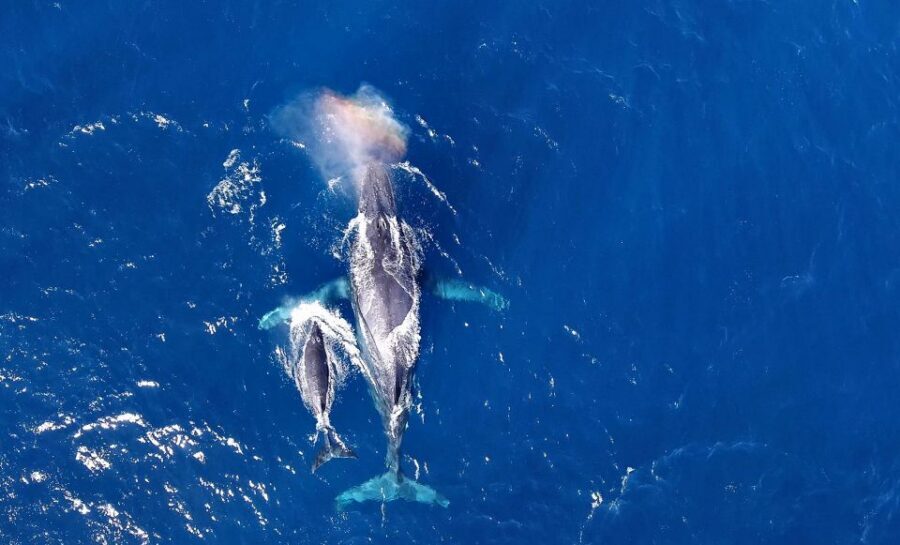
Humpback calves show up near Naha. I love how this tour handles the hard part for you, with roundtrip pickup from Naha and an organized ride to the port. I also like the hands-on crew approach once you’re on the water, with careful searching and guidance so you know where to look and what you’re seeing.
One thing to plan around: your most focused viewing time is about 1 hour, and whales are never guaranteed since nature runs the show, especially when the sea is choppy.
In This Review
- Key highlights at a glance
- Kerama Islands from Naha: what makes this whale watch work
- Getting to the port: pickup timing and what to wear
- On the water: how the crew searches for humpbacks (and when you’ll feel it)
- What you’ll actually see: humpback behavior, tail flukes, and dolphins
- Comfort and included extras: small details that make a difference
- Price and value: is $37 a good deal for this kind of tour?
- Seasickness, rules, and who this is not for
- When you should choose this tour (and when you shouldn’t)
- Should you book the Kerama Islands half-day whale watch from Naha?
- FAQ
- How long is the Kerama Islands half-day whale watching tour from Naha?
- Does this tour include hotel pickup and drop-off?
- What’s included on the boat?
- Is food included?
- What languages are available for the guide?
- How long do you watch whales once you spot them?
- What happens if no whales or dolphins are spotted?
- What should I bring for the trip?
- Are there any rules or restrictions during the tour?
- Who should not book this tour?
Key highlights at a glance
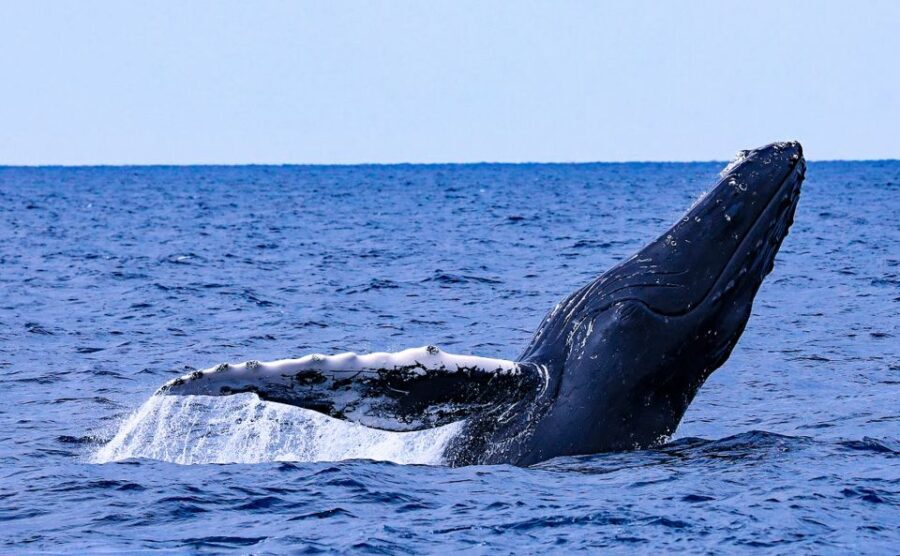
- Hotel pickup, not port hunting: You’re collected from a select list of Naha hotels/pickup points and dropped back after the trip.
- Real humpback action: You’re aiming for humpbacks that come near Naha to breed and raise calves.
- About an hour of viewing: Once sightings are found, you get a concentrated window to watch surfacing, dives, and tail flukes.
- Calm, non-chaotic boat setup: The boat isn’t meant to feel like a cattle call, and staff work to keep viewing fair (including asking people to the front).
- Small, useful extras: Life jacket, drinking water, a raincoat if needed, and digital whale photos after the tour.
Kerama Islands from Naha: what makes this whale watch work
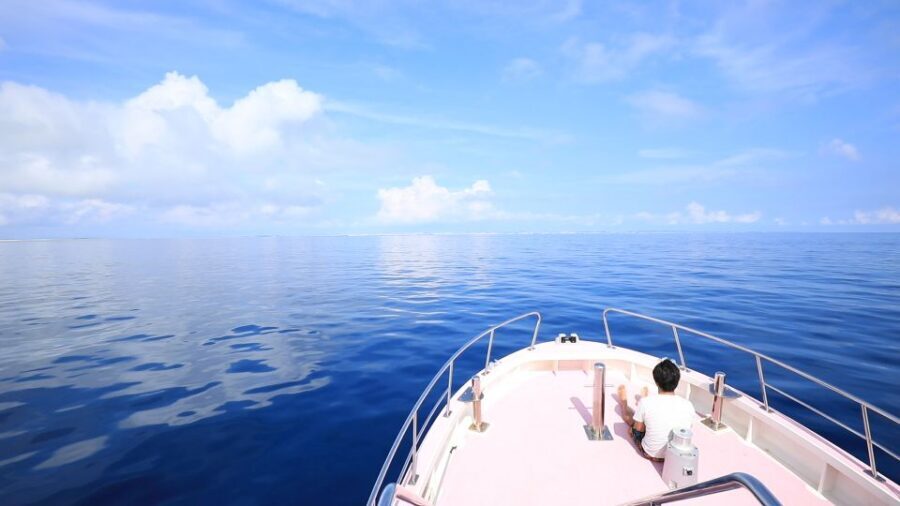
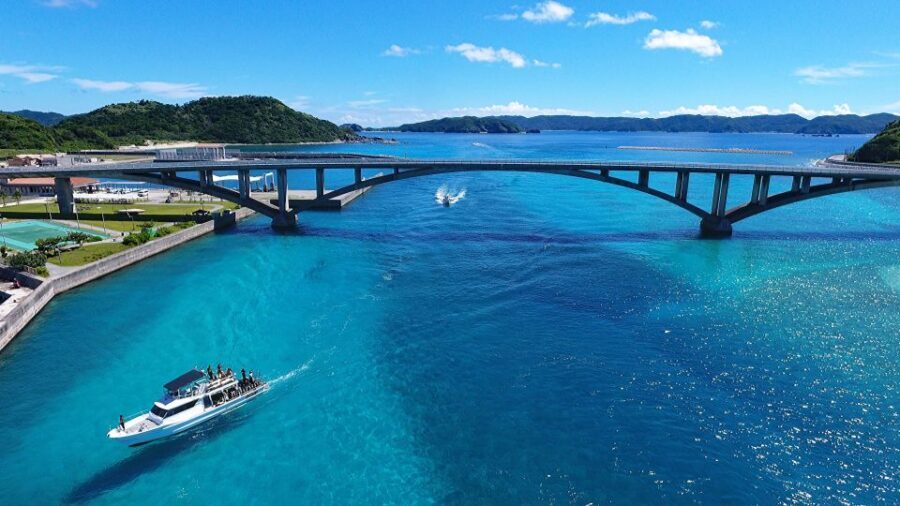
This is a straightforward half-day whale watching trip built around a simple idea: get you from Naha to the right waters fast, then give you a real chance to spot humpbacks without turning it into a whole travel project.
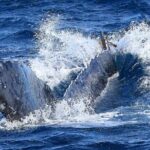
The biggest reason this tour gets attention is the season and location. Humpback whales come every year near Naha to breed and raise calves. You’re not just “hoping for whales,” you’re going where the whales regularly show up. Adults can reach about 15 meters in length and weigh around 30 tons, so when you see one breaching or lifting a fluke, it reads as pure scale.
From the experience details and the on-the-water vibe reported by guests, the crew’s job is less about hype and more about finding and staying with whales when they appear. Some days mean lots of action like tail slaps and playful jumps. Other days are quieter: you might see backs, blows, and flukes with less jumping. Either way, it’s the same species story unfolding—moms, calves, and family behavior on the open water.
You can also read our reviews of more whale watching tours in Naha

Getting to the port: pickup timing and what to wear
The tour’s comfort starts before you ever reach the boat. You’ll get hotel pickup and drop-off from a select list of hotels and pickup locations in Naha. After pickup, you head to the port and board from there.
Here’s the practical part I’d treat seriously: you need to wait outside your pickup point, not in the lobby. Also, the driver waits no longer than 5 minutes after the scheduled pickup time, and you’re expected to be ready about 10 minutes early. That tight timing matters because it keeps the trip running on schedule once everyone’s loaded.
What to wear is another big factor. Bring a jacket, and plan for wind. Even in winter months, people report it being cool and breezy. If you run warm, bring layers anyway because sea air changes fast once you’re out on the water. You can also bring motion sickness prevention—and if you’re the kind of person who gets queasy on buses, I’d treat this as a must.
You’ll get a life jacket on board and drinking water is included. If rain happens, you may get a raincoat if needed, but don’t count on having dry hair and a dry phone the whole time.
On the water: how the crew searches for humpbacks (and when you’ll feel it)
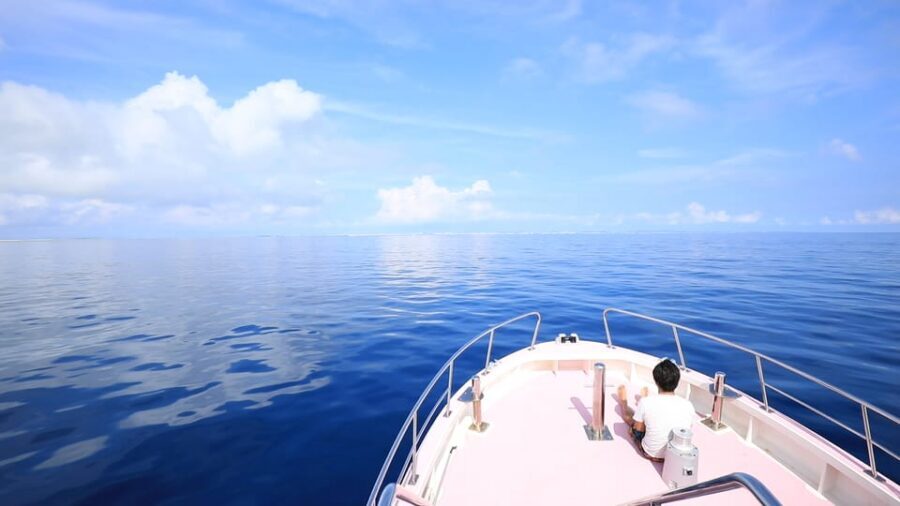
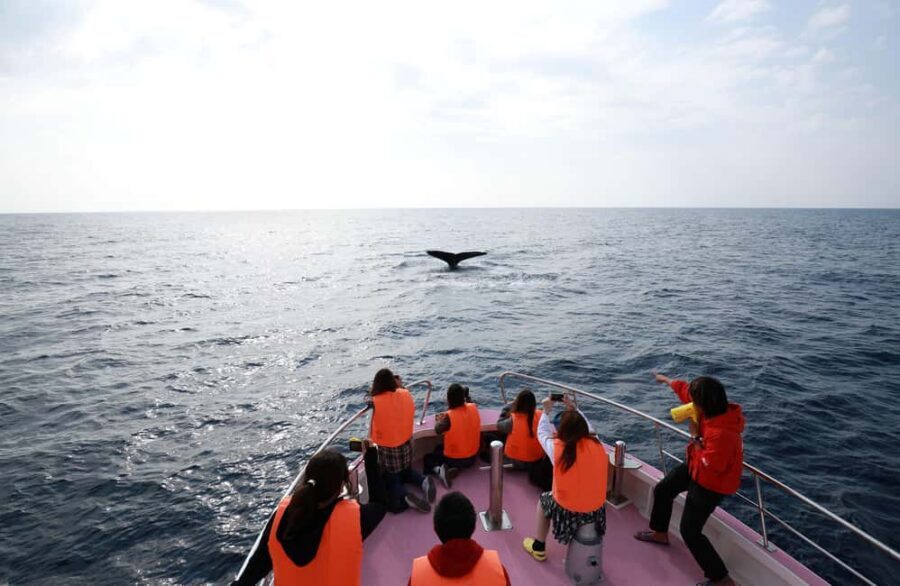
Once you’re on the boat, the experience becomes a mix of waiting and watching, with a crew that’s trying to put you where the whales are. The tour focuses on humpbacks near Naha, and you’ll spend roughly 1 hour observing after a sighting period.
That means your total time at sea feels productive, but not constant action. You might watch the sea for a while, then the pace changes quickly when whales surface. One guest even described the approach as “followed a pair” for a long stretch before good viewing, which fits the real-world pattern: when whales show themselves, the crew positions the boat to maximize visibility without turning it into a reckless chase.
You’re also likely to hear facts and whale behavior explanations during the ride. English support is available through the guide, and guests have praised how staff explained breeding and mother-calf behavior. Names that came up include Miguel and Stephane, both noted for giving useful background while you’re waiting for the next show.
One more practical note: the boat crew works for visibility. Several reviews mentioned staff asking passengers to move toward the front of the boat so everyone could see the whales clearly. If you’re the type who likes the best angle, take it seriously when they ask.
What you’ll actually see: humpback behavior, tail flukes, and dolphins
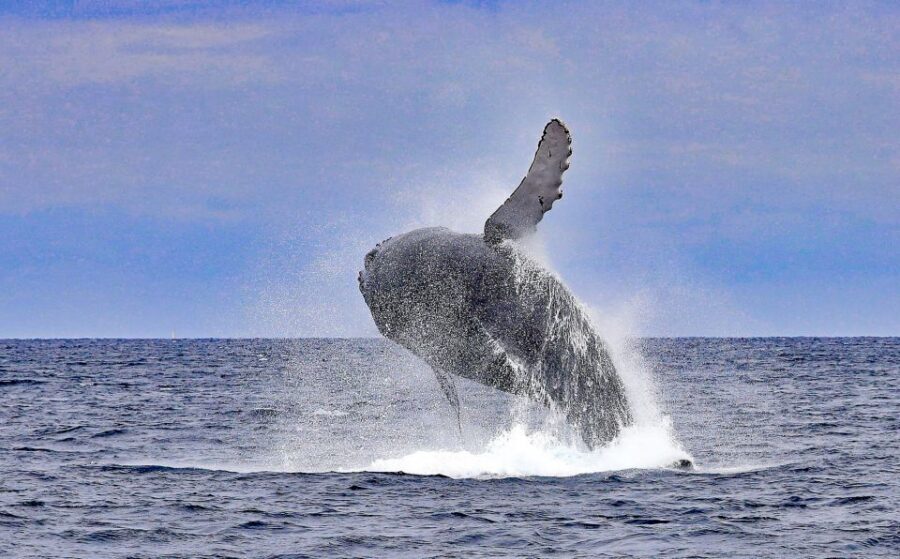
Humpbacks in this area show up with a family theme. You’re often looking for signs like surfacing patterns, blows (the spout), and body movement that tells you where the whale is headed next. The tour description calls out tail slaps and playful jumps, and that’s exactly the kind of behavior people get excited about when the day is really on.
But the most consistent viewing tends to be the stuff you can plan around:
- You’ll watch surfacing and diving sequences.
- You’ll likely see flukes and backs when whales come up to breathe.
- You may see a mom and calf together, which is usually the most emotional and memorable moment of the whole trip.
For dolphins, the tour says you might spot them during the cruise. That matches the overall “possible bonus” vibe: humpbacks are the main goal, and dolphins are the extra if the ocean hands them to you.
How close you get is handled carefully. Guests described the crew as thoughtful about staying at a respectful distance. One detail that stood out: some days included whales coming close by themselves, not because the boat forced it. That’s what you want to hear for an animal-focused experience.
Also, don’t set your expectations purely on big jumps. Some days include few or no breaches, but you can still get amazing viewing if a mother and calf are active at the surface. In fact, a quieter “show” with lots of surfacing can be just as thrilling when you understand what you’re seeing.
Comfort and included extras: small details that make a difference
This tour’s value isn’t only the whale chance. It’s how much is already handled.
Included basics
- Life jacket
- Drinking water
- Raincoat if needed
- Digital copies of photos taken during your tour (with a download link afterward)
Those photo copies matter more than they sound. If you try to take your own pictures from a moving boat, you’ll quickly learn how difficult it is to capture a blow or fluke at the right moment. Having digital photos available is a nice backup, and it removes the pressure of getting the perfect shot.
The ship size also comes up in feedback. Multiple guests liked the fact that the boat wasn’t overly crowded, which translates to better sightlines and a calmer atmosphere. On a whale watch, crowded boats mean crowded viewing, and crowded viewing means you spend more time trying to find a gap than watching whales.
Guide support is another comfort piece. English and Chinese are offered, but languages can’t always be guaranteed. One group reported the guide used mostly Japanese during the whale talk. That doesn’t mean the experience is worse; it just means you should go with a flexible mindset and focus on the visual portion too.
A few more Naha tours and experiences worth a look
Price and value: is $37 a good deal for this kind of tour?
At $37 per person for a half-day trip, this is one of the more budget-friendly ways to try whale watching around Okinawa. The price becomes more reasonable because the tour includes hotel pickup and drop-off, plus essentials like life jackets and water.
If you’ve priced whale tours elsewhere, you already know that transfers and “basic safety gear” often get charged separately. Here, they’re folded in. That’s why guests repeatedly called it good value, especially when the day delivered humpbacks close enough to follow their behavior for nearly an hour.
Is it a bargain if you don’t see whales? Nature doesn’t care about your itinerary, and this operator addresses that differently based on season:
- If no whales or dolphins are spotted in Feb and Mar, you get a full refund.
- If no whales or dolphins are spotted in Dec and Jan, you receive a re-trial voucher for use another day.
That policy matters because it reduces the “I might just pay for empty water” risk. Still, weather can cause cancellations on some dates, so having flexibility helps.
Seasickness, rules, and who this is not for
A boat ride means motion. Even if the sea looks calm from shore, ocean conditions can hit you once you’re out. Bring your motion sickness prevention if you’re even mildly sensitive. A jacket is also strongly suggested because wind and spray add cold fast.
There are also clear onboard rules:
- No intoxication
- No swimming
- No alcoholic drinks in the vehicle
These are the kinds of rules that keep the trip safe and keep attention on the wildlife, not on risky behavior.
Suitability is important too. This tour is listed as not suitable for pregnant women and people with epilepsy. If that applies to you, skip this one and look for alternatives designed for your situation.
If you’re traveling with a baby under 2, you’ll need a baby carrier with a harness that attaches to an adult, and you must bring your own. The tour also notes that if sea conditions are too rough to bring infants, you may be advised to reschedule the day before.
When you should choose this tour (and when you shouldn’t)
You should strongly consider booking if you want:
- A half-day whale watch without the hassle of navigating to the port yourself
- A chance at humpback whales with a family focus (mother and calf)
- A fairly efficient experience: get on the water, get a sighting window, go back
- Helpful English or Chinese guidance, plus onboard staff who guide where to look
You might choose something else if you want:
- Long, marine-biologist style instruction for hours and hours
- Constant action the entire time
- A guaranteed “jumping whales” spectacle
Some guests felt the viewing window can feel short since the active spotting portion is about 1 hour. That doesn’t mean it’s bad; it just means the tour is built for a good balance of cost, comfort, and chance of a sighting.
Should you book the Kerama Islands half-day whale watch from Naha?
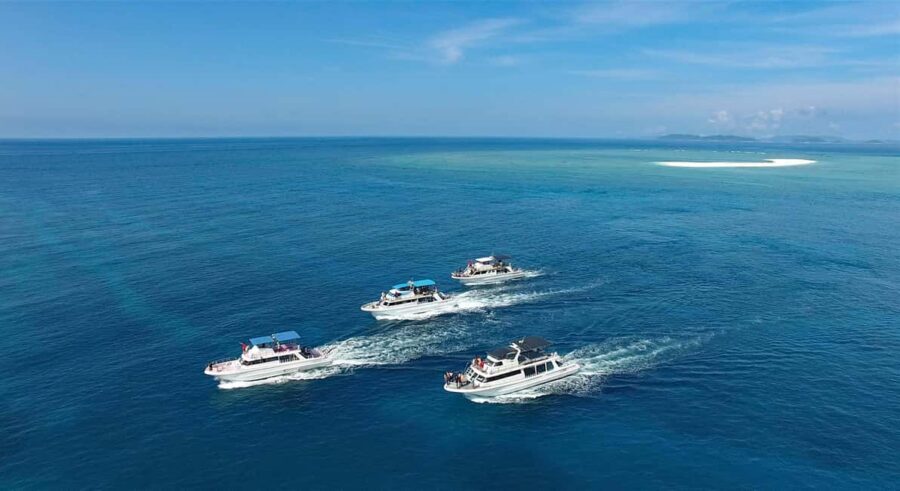
Yes, if you’re visiting Okinawa with a realistic goal: see humpbacks in their breeding area and enjoy the moment when whales surface close enough to read their behavior. The pickup convenience, included water and safety gear, and digital photo option make this feel efficient and fair for the price.
Book it when you can dress for wind, bring seasickness help, and accept that whales are wild animals. If you’re lucky, you’ll get that magical mother-and-calf viewing that people describe as a highlight of the trip. If conditions don’t cooperate, the seasonal refund or re-trial option helps you feel less stuck.
FAQ
How long is the Kerama Islands half-day whale watching tour from Naha?
The total duration is about 4 hours, including roundtrip pickup, time at sea, and the return to Naha.
Does this tour include hotel pickup and drop-off?
Yes. Hotel pickup and drop-off are included, but you must reserve at least 2 days prior to the tour and choose from the listed pickup locations. You should wait outside the pickup location (not in the lobby) about 10 minutes before pickup time.
What’s included on the boat?
Life jacket, drinking water, and a raincoat if needed are included. You also receive digital copies of photos of whales taken during the tour via a download link after the trip.
Is food included?
No. Food is not included, so plan to eat before or after the tour.
What languages are available for the guide?
The live tour guide offers English and Chinese. The guide language cannot always be guaranteed, but they will try to accommodate your request.
How long do you watch whales once you spot them?
The tour includes about 1 hour of whale observation before sailing back to Naha.
What happens if no whales or dolphins are spotted?
If no whales or dolphins are spotted in Feb and Mar, you get a full refund. If no whales or dolphins are spotted in Dec and Jan, you receive a re-trial voucher to use on another day.
What should I bring for the trip?
Bring a jacket and motion sickness prevention. If rain is possible, you’ll be provided a raincoat if needed.
Are there any rules or restrictions during the tour?
Yes. Intoxication is not allowed, swimming is not allowed, and alcoholic drinks in the vehicle are not allowed.
Who should not book this tour?
This tour is not suitable for pregnant women and people with epilepsy. Also, for children under 2 years old, you must bring your own baby carrier with a harness attaching them to an adult.