REVIEW · NAHA
Okinawa: From Naha: Kerama Islands 1-day snorkeling tour
Book on GetYourGuide →Operated by JOY CREATE OKINAWA TEA-DA · Bookable on GetYourGuide
Kerama Islands snorkeling from Naha is where Okinawa’s underwater shows up fast. You’ll take a boat cruise out from Naha, then snorkel with instruction at 2-3 different spots around islands like Tokashiki, Zamami, and Aka, with plenty of time in clear water. I especially like the way they handle comfort and first-timer confidence, including life-jacket support and practical guidance from English-speaking instructors like Christina. The second thing I really appreciate is the value: snorkeling gear, towels, showers, and hot drinks are part of the deal for $81.
My main drawback to flag is the cold factor in winter and the real chance that the exact sites can shift with weather and sea conditions. The tour notes water around 22°C in winter and outside about 20°C, but you’ll still feel chilly if you’re not properly set up.
If you want a day that’s mostly about clear water, reef life, and easy logistics, this is a strong pick. Just go in with the right expectations about conditions and being respectful around wildlife.
In This Review
- Key things that make this Kerama snorkeling day work
- Kerama Islands snorkeling from Naha: what you’re really paying for
- Pickup, port, and the boat ride: your day’s first test
- The snorkeling plan: 2-3 stops, and why that’s better than one
- Marine life you can actually recognize: turtles, squid, coral fish
- Comfort in winter: heat blocks, wetsuits, and staying warm enough to enjoy it
- On-board tea, shaved ice, and how to handle lunch
- Weather, currents, and the reality of changing snorkeling points
- Culture moments you might catch, depending on your travel date
- Rules around wildlife: the line between seeing and messing it up
- Value check: is $81 a good deal for Kerama snorkeling?
- Who this tour is best for (and who should skip it)
- Should you book this Naha to Kerama Islands snorkeling tour?
- FAQ
- Is snorkeling equipment included in this tour?
- How many snorkeling spots will I visit?
- Is lunch included, and what should I eat?
- Will I see sea turtles?
- Is whale watching included?
- Do they offer hotel pickup from Naha?
- What should I bring, and what’s not allowed?
Key things that make this Kerama snorkeling day work
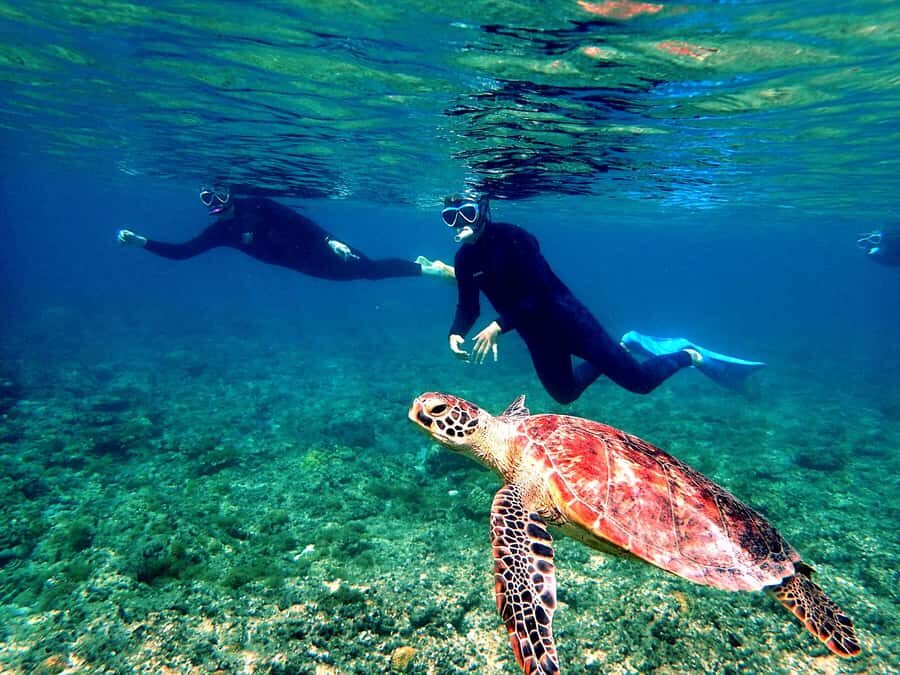
- 2–3 guided snorkeling sites around Tokashiki, Zamami, and Aka, so you’re not stuck at one location all day
- Instructor-led snorkeling where staff help you find fish and turtles (Christina is repeatedly mentioned for spotting clown fish)
- Winter-ready comfort: a 3mm hooded vest or coat helps, and heat blocks are used for later snorkels
- Cold-water and seasickness planning: motion sickness advice, plus medicine available onboard in some cases
- On-board snacks and warmth: tea, hot water shower, and seasonal Kerama blue shaved ice in Aug–Sep
- Photos included: staff take photos and upload them to Facebook at no extra cost (per multiple reviews)
Kerama Islands snorkeling from Naha: what you’re really paying for
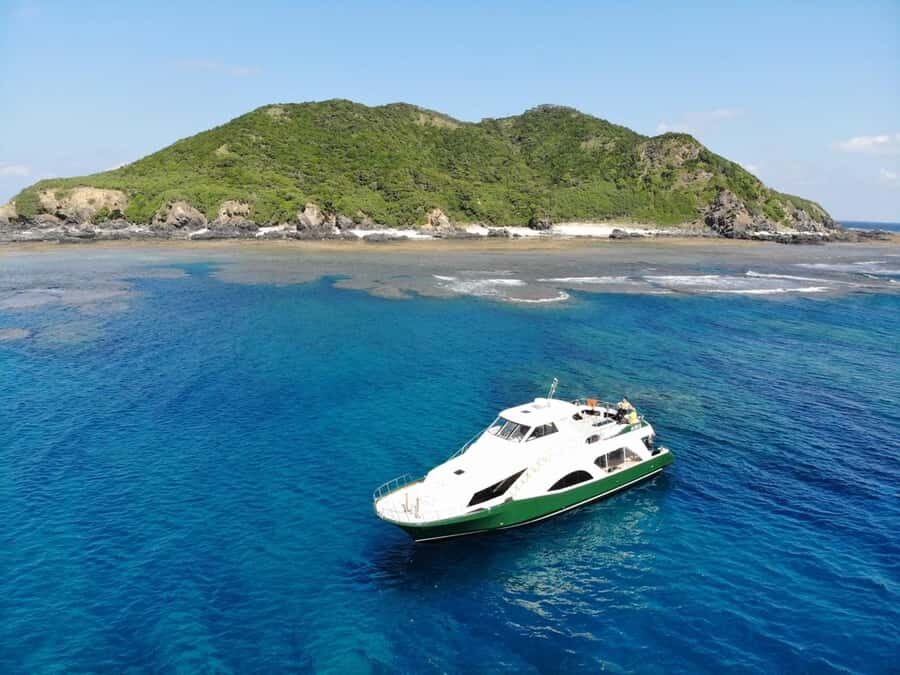
This isn’t a “drive you to a beach and wish you luck” kind of day. You’re paying for access to a cluster of world-famous snorkeling waters, plus the boat logistics, plus rental gear, plus an instructor presence in the water.
What you get in the price (about $81 per person) is the core setup:
- snorkeling included
- snorkeling equipment rental
- towels
- tea and hot water
- a boat coat and a hot-water shower on the vessel
- basic onboard facilities like toilets and changing rooms
- insurance
That matters because the Kerama area is best experienced by boat. You’re not just seeing “pretty sea.” You’re getting the kind of reef variety that makes snorkeling feel different at each stop: coral patches, sandy edges, and channels where turtles cruise by.
And yes, you can see big animals without turning it into a circus. The rules are clear about not touching marine life, no fishing, no littering, and no alcohol in the vehicle. One review did mention concerning staff interactions with wildlife, which is why your own “no-touch” awareness matters even if you’re there to watch.
You can also read our reviews of more snorkeling tours in Naha
Pickup, port, and the boat ride: your day’s first test
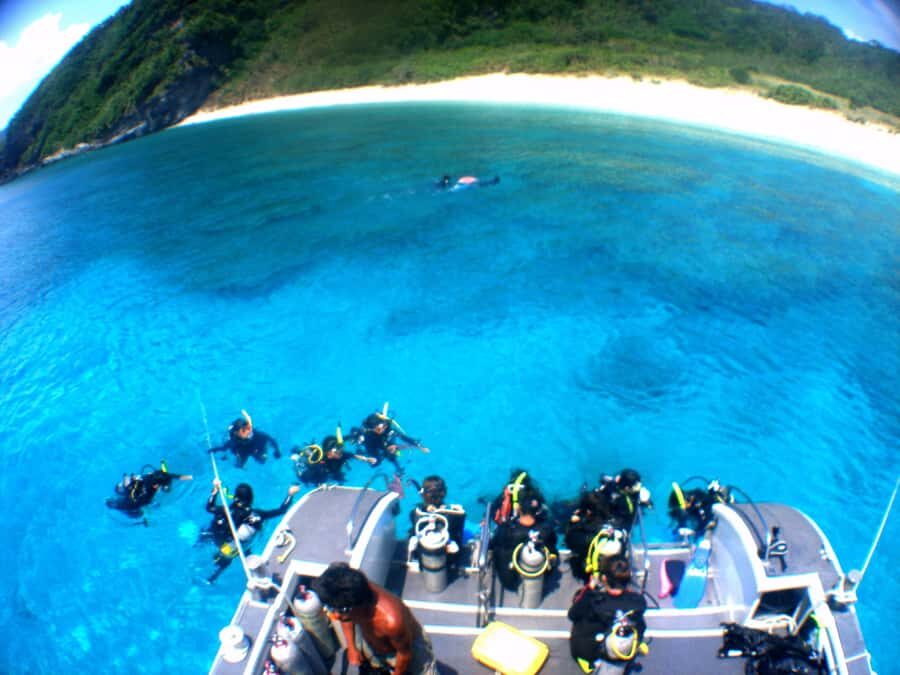
Most of the comfort of this tour happens before you even put on a mask. You’ll either get picked up from where you’re staying (if you tell the provider where you’ll be staying), or you’ll receive a meeting place if you don’t. Language options include English, Japanese, and Portuguese, which helps if you’re trying to understand safety steps quickly.
Once you reach the port, you’ll switch into snorkeling gear with wetsuits and the rental kit. Then it’s onto a larger ship for the cruise. In the reviews, that ride is often described as about an hour outward, and the return ride can feel rough at times. If you get seasick, plan for it. The tour explicitly advises using motion sickness medicine in advance, and some reviewers noted seasickness at the start. There’s also mention of medicine available onboard.
Two small practical notes I’d take seriously:
- Bring a change of clothes in a bag you can keep dry until you need it.
- Pack sandals for port-to-boat movement; the water world starts the moment you step off the deck.
If you’re driving yourself, there’s a customer parking lot, and paid parking at the port runs 500 yen per day.
The snorkeling plan: 2-3 stops, and why that’s better than one
The biggest reason to choose a multi-stop boat tour is simple: reef life changes fast. Even within the Kerama group, visibility, currents, and the kind of marine life you spot can shift from one location to the next.
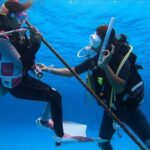
On this trip, you’ll snorkel at 2–3 spots with an instructor. Tokashiki, Zamami, and Aka islands are named as part of the experience, and many days include three separate snorkeling sessions. You don’t just follow a guide like a group field trip either. You get to move at your own pace within the safety boundaries, and staff will point out what to look for.
Here’s what to watch for at each stop:
- White-sand edges: reviewers highlight snorkel areas near white sand beaches where coral groups and colorful fish show up close to the surface.
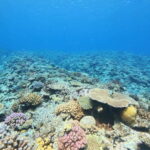
- Reef zones: these are where you’ll see coral variety and more fish density.
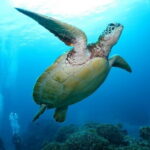
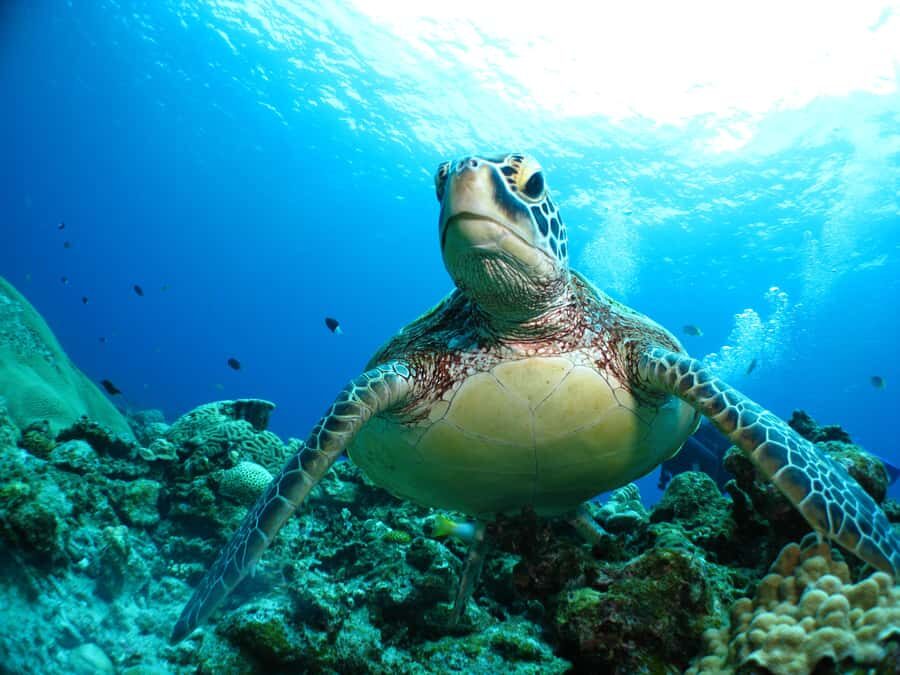
- Turtle-y areas: turtles show up often enough that the tour runs like it expects them. Guides help you find them and manage the group so you aren’t constantly staring at everyone else’s fins.
One more detail that helps: some snorkeling groups may include scuba participants on the same boat. That can occasionally crowd the view at a turtle sighting from the snorkel perspective, but it’s described as limited to one stop in at least one account.
Marine life you can actually recognize: turtles, squid, coral fish
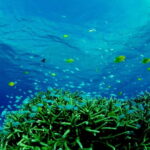
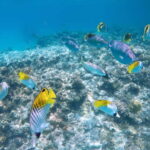
Kerama snorkeling gets praised for a reason: the reefs tend to be healthy and the fish variety is high. In reviews, the repeat stars are:
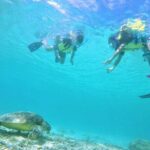
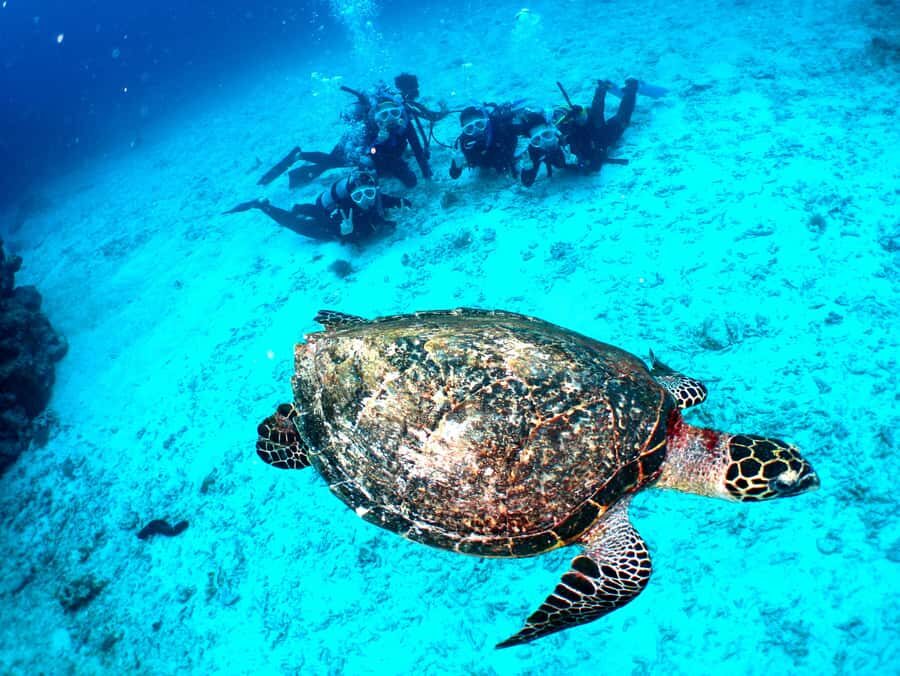
- Sea turtles (multiple sightings, sometimes even multiple turtles)
- Squid and “black squids” specifically mentioned
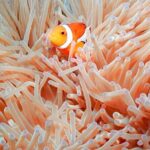
- clown fish and other colorful reef fish
- sea cucumbers
- giant trevally and other larger fish
Sometimes you’ll get bonus sightings too—one person mentioned a sea snake, and another mentioned black top sharks. Visibility is repeatedly called out as excellent, which is what you want for reef viewing and photo-worthy moments.
But here’s the “real life” lesson I’d pass on: turtles and other animals don’t show up on a schedule. The best strategy is to listen to the instructor’s direction, stay calm in the water, and keep your mask clear. Life jackets are part of the safety plan, especially for first-timers who aren’t planning to go fully horizontal and track every movement like a pro swimmer.
One reviewer noted that life jackets kept them from going down too fast when spotting turtles. That’s a good safety reality, and it also means your focus stays on observing instead of panicking or rushing.
Comfort in winter: heat blocks, wetsuits, and staying warm enough to enjoy it
In winter, this tour can still feel pleasant—but only if you handle the cold. The tour lists water temperature in winter around 22°C with outside air around 20°C. That can sound fine until you’re holding still in a wetsuit with wind moving across the deck.
What helps:
- Wetsuits are provided (rental equipment includes them)
- The boat provides a coat (you’ll use it between snorkels)
- Some reviews mention heat blocks placed into your wetsuit for the 2nd and 3rd snorkeling session
- The tour also recommends a 3mm hooded vest or coat if you get chilly
I’d treat the cold like a real variable, not a minor note. If you plan to go in a colder month, bring warm layers for after the water and consider extra insulation beyond what’s provided, because the experience is much more fun when you can actually relax in the water.
A few more Naha tours and experiences worth a look
On-board tea, shaved ice, and how to handle lunch
This is one of those tours where small comforts add up. You’ll have:
- complimentary tea on the boat
- hot water
- water (reviewers explicitly mention bringing lots of water and that it’s available onboard)
If you travel in the summer, there’s a seasonal perk: Kerama blue shaved ice in August and September. It’s the kind of thing that makes a long sea day feel lighter.
Lunch is where you’ll want to read your expectations carefully:
- Lunch is listed as not included
- You’re encouraged to bring a packed lunch
- Several reviews mention a lunch option they ordered and ate onboard, and described it as rice-and-sauce style or hot and tasty
So here’s the practical move: pack a lunch anyway if you like having control over what you eat, especially if you want protein. One reviewer suggested bringing extra snacks because the standard meal is often more rice-based and not heavy on meat. If you do order onboard, confirm what it is that day and adjust your expectations.
Also remember the motion of the day: you’ll be in and out of the water, changing clothes, and moving around the deck. Keep meals simple and easy to eat.
Weather, currents, and the reality of changing snorkeling points
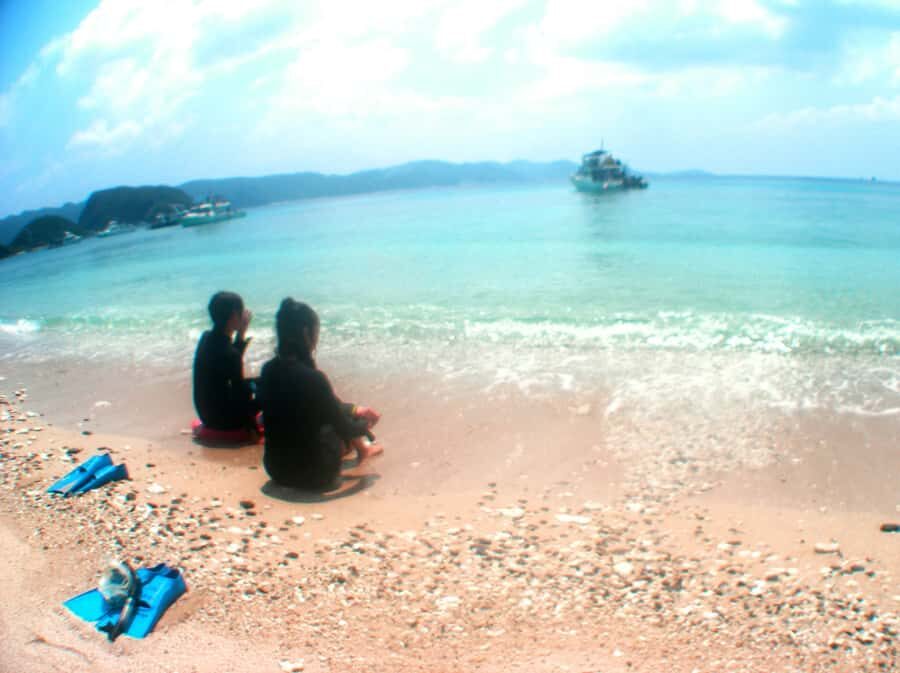
This tour is weather-dependent. The operator may change the destination to nearby points other than the Kerama Islands if conditions demand it, and the day can be canceled based on sea conditions.
Currents are another practical factor. One review mentioned a strong ocean current and that it caused seasickness early for some passengers. That’s not something you can “out-will.” You can only plan:
- use seasickness medicine if you’re prone to it
- keep your energy for the water
- follow the instructor’s safety guidance
The good news is that the staff seem used to this. They give equipment support based on comfort level, and for beginners, they focus on keeping you safe and helping you see things without forcing you to do anything risky.
Culture moments you might catch, depending on your travel date
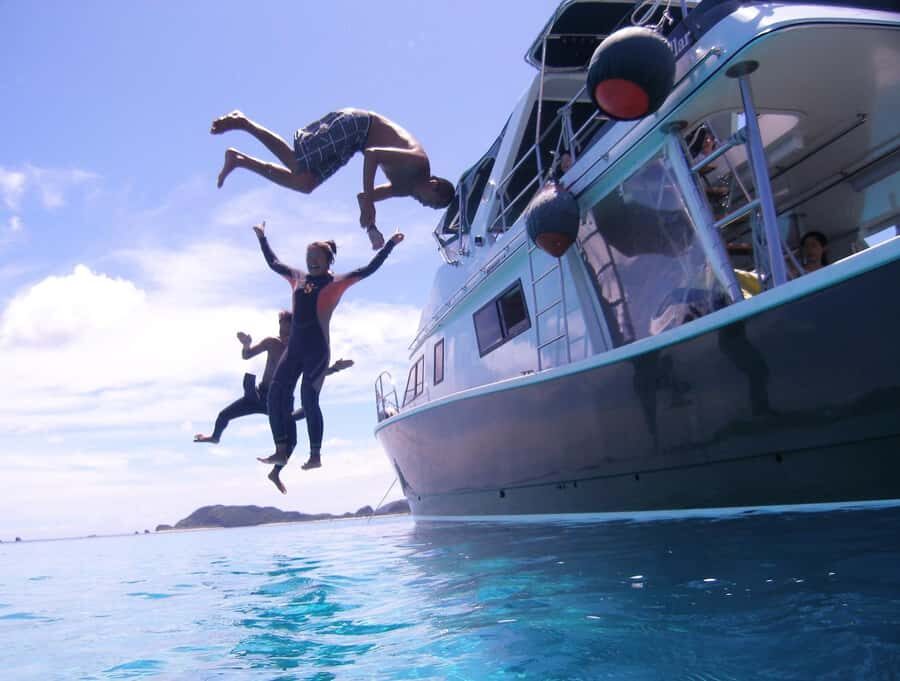
This isn’t only reef time. The tour notes that on the first day of the New Year there are events such as traditional mochi pounding. If you happen to be in Okinawa around that season, it’s worth asking the provider what’s happening that day so you can plan your mindset. You’ll still snorkel, but it’s nice to know the day can include a local ritual moment too.
Rules around wildlife: the line between seeing and messing it up
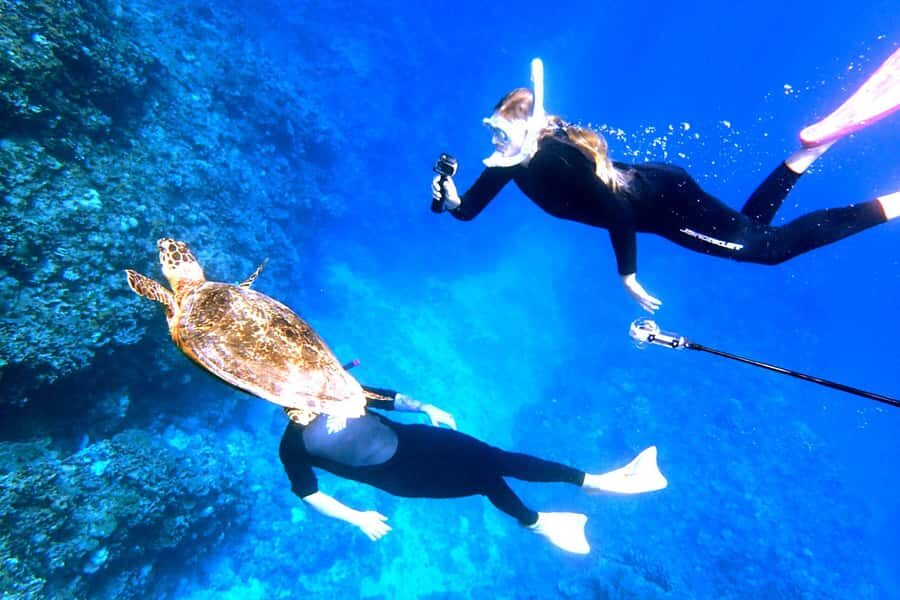
Kerama’s reefs depend on responsible behavior. The tour explicitly forbids:
- touching marine life
- fishing
- littering
- making noise
- alcohol and drugs
- intoxication
This matters because when people start grabbing animals or breaking coral, the ecosystem pays the price. One review did call out staff behavior that sounded inappropriate during turtle sightings and coral handling, and that’s exactly the kind of moment where your own calm attention matters. If you see anything questionable, you can alert staff immediately so it’s corrected.
Most of the praise in the reviews points to attentive guidance and help spotting marine animals. The best snorkel days feel like you’re visiting an underwater classroom, not forcing wildlife to perform.
Value check: is $81 a good deal for Kerama snorkeling?
For Okinawa snorkeling, value is about what’s included versus what you’d otherwise pay for separately. At roughly $81, the big value points are:
- snorkeling gear rental (including wetsuits)
- instruction and multiple snorkeling sessions
- towels, changing area, toilets
- hot shower onboard
- tea and water
What isn’t included:
- lunch (but you can pack your own)
- island landing (you snorkel from the boat and don’t land)
That “no landing” detail is important. You’re not spending time walking around an island. You’re maximizing water time for reef viewing. For many people, that’s exactly the point.
It also helps if you’re someone who wants a smooth day without extra planning. A lot of reviewers mention strong organization and easy pickup. When it works, the day feels controlled: you get suited up, you go to multiple sites, you return clean and warm-ish with showers and towels already handled.
Who this tour is best for (and who should skip it)
This tour is a strong fit for:
- first-time snorkelers who want instruction and life-jacket safety support
- people who want to hit multiple reef areas in one day
- travelers who appreciate staff pointing out fish and turtles (including clear English support when available)
- anyone traveling in winter who’s okay planning for cold water
Not suitable for:
- children under 5
- pregnant women
- people with heart problems, respiratory issues, epilepsy, diabetes, high blood pressure, kidney problems
- people who have recent surgeries
- wheelchair users
- people with a cold
If you fall into one of those groups, don’t try to “tough it out” for the reef. Safety comes first, and the tour already flags these categories.
Should you book this Naha to Kerama Islands snorkeling tour?
Yes, you should book it if your goal is a well-run day focused on snorkeling at 2-3 sites with real marine-life spotting and comfort support. The repeated highlights—sea turtles, coral reefs with tons of fish, multiple snorkel stops, warm drinks, and onboard showers—match the experience you want from Kerama.
I’d pause and plan extra carefully if you’re sensitive to seasickness or very cold. Bring motion sickness medicine, wear layers for after the water, and consider a hooded 3mm vest or coat in winter.
If you’re traveling during Jan 12 to Mar, keep an eye out for whale watching during that season. If you’re here in Aug or Sep, the shaved ice perk is a nice bonus. And if you’re serious about turtle sightings, remember the single rule that matters most: don’t touch wildlife. Watch quietly, move slowly, and let the water do the showing.
FAQ
Is snorkeling equipment included in this tour?
Yes. Snorkeling equipment rental is included, along with towels. Wetsuits and other gear are provided so you can focus on the water instead of shopping for rentals.
How many snorkeling spots will I visit?
The tour is described as snorkeling at 2-3 spots with an instructor, and many days include three separate snorkeling locations.
Is lunch included, and what should I eat?
Lunch is not included in the tour price. The tour asks you to bring your own packed lunch, though there are reviews mentioning an onboard lunch option you can order.
Will I see sea turtles?
Sea turtles are one of the most frequently mentioned sightings. Guides also help point them out, but wildlife sightings can’t be guaranteed.
Is whale watching included?
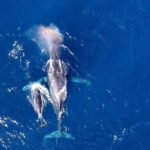
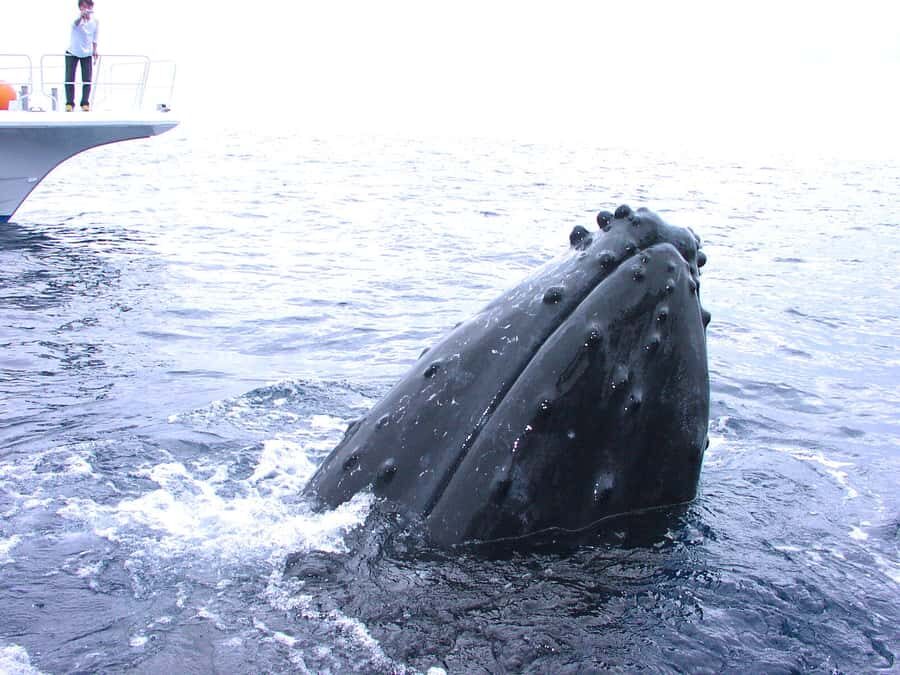
Whale watching is offered during January 12th to March as a limited-time service, depending on the day’s schedule and conditions.
Do they offer hotel pickup from Naha?
You may get pickup if you provide your accommodation address to the provider. If you do not, you’ll be given a meeting place instead.
What should I bring, and what’s not allowed?
Bring swimwear, change of clothes, sandals, and a packed lunch (plus any food and drinks you want). The tour does not allow alcohol or drugs, fishing, littering, touching marine life, or drinking in the vehicle.