REVIEW · NAHA
Okinawa Whale Watching From Naha
Book on Viator →Operated by マリンハウスシーサー那覇店 · Bookable on Viator
One good whale day in winter changes your whole trip. This Naha outing is built for offshore action from January through March, with whales often surfacing close to the boat and a guide giving you context as you scan the sea.
I really like the English guide orientation (and the chance to learn from a guide named Rita, noted for clear English and advanced marine biology study). I also love the practical setup: hot and cold drinks, life jacket rentals, and a double-deck yacht with two toilets, so the trip feels organized instead of chaotic.
The main drawback is the ocean and the weather. Even on a sunny day, it can be windy on the boat, and some people get sea sick, so you need to dress smart and plan for motion.
In This Review
- Key things to know before you go
- Winter Whales From Naha: Why This Trip Hits Different
- Boat Comfort and Wind-Smart Packing
- Getting to Marine Club Berry Naha and the Departure Rhythm
- Kerama Islands Offshore: How the Whale-Spotting Works
- A Real Whale Guide, Not Just a Mic and a Map
- Drinks, Photos, and the Whale Booklet That Keeps the Trip Going
- Price and Value: What $38.22 Buys You (and What It Doesn’t)
- Who This Tour Suits Best in Naha
- My Booking Checklist for Better Chances (Without Making Promises)
- Should You Book Okinawa Whale Watching From Naha?
- FAQ
- Where does the tour start and end?
- How long is the whale watching trip?
- Is pickup available from hotels in Naha?
- What’s included in the price?
- Are meals included?
- What happens if no whales are spotted?
- Is there an alternative if whales aren’t spotted earlier in the season?
- What health restrictions apply?
- How many people are on the boat?
Key things to know before you go
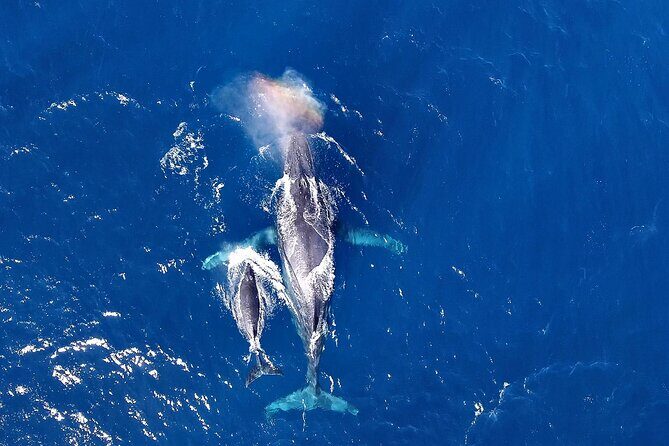
- Winter season timing (Jan–end of Mar): this is when whale watching is an ongoing local obsession.
- On-board sonar and radar plus a trained naturalist: they track whale presence and aim for 99% of recorded appearances.
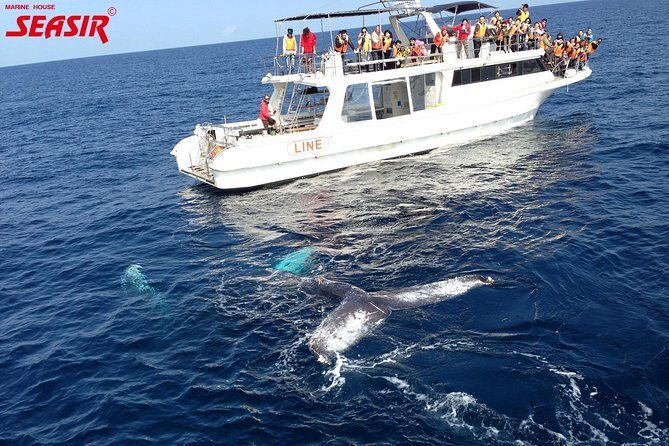
- A max group size of 35: you get a spacious feel on the yacht rather than a cramped scramble.
- You get more than a ride: drinks, a downloadable photo set, and a whale booklet to help you understand what you’re seeing.
- Refund rules that depend on the spotting window: full refund applies Feb 1–Mar 31 if no whales are spotted.
Winter Whales From Naha: Why This Trip Hits Different
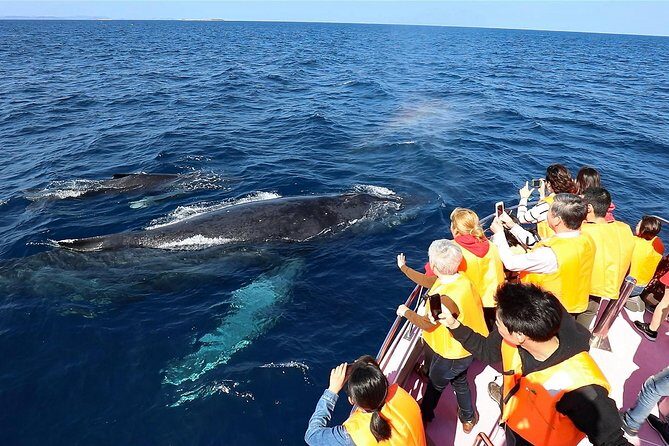
Okinawa whale watching in winter is a different kind of sightseeing. From January through the end of March, you’re not just hoping for wildlife—you’re going out when conditions are right and the operator has built an entire routine around it.
This trip runs about 4 hours on a high-speed, double-deck yacht. Expect that classic offshore rhythm: scanning, listening, and then a sudden burst of excitement when whales surface.
Value-wise, what you’re paying for isn’t only time at sea. You’re buying guided interpretation, comfort basics, and a tracking approach that’s meant to raise your odds when you’re out in winter waters.
You can also read our reviews of more whale watching tours in Naha

Boat Comfort and Wind-Smart Packing
The yacht is built for real ocean time. It’s a large double-deck vessel with two toilet rooms, so you’re not stuck waiting in line every time nature calls.
Dress for wind. Even when the day looks calm from shore, the boat can feel cold and gusty once you’re offshore. I’d pack a wind breaker and a hat, because staying warm helps you enjoy the whole ride instead of hiding in your jacket.
If you’re prone to motion sickness, take it seriously. One review flagged that some people got sea sick, and the best move is planning ahead (for example, bringing your own sea sickness medication if you usually react to boats). You’ll still likely have a great time if you prepare, but preparation is the difference between watching whales and watching the inside of your own stomach.
Good news: you can rent a rain coat if needed, and you’ll be given a life jacket. That covers the essentials if weather shifts.
Getting to Marine Club Berry Naha and the Departure Rhythm
This tour starts and ends at the Marine Club Berry Naha location in Naha: 2-chōme-3-13 Minatomachi, Naha, Okinawa 900-0001. The activity returns you back to that same meeting point, which makes it easier to plug into the rest of your day.
Transportation is flexible. You can get a free shuttle bus for designated hotels, but advance booking is required. If you’re driving, there’s free parking available, which is a big convenience in a city where parking can otherwise eat time.
The practical tip: if you’re using the shuttle, give yourself cushion time. Check in early enough that you’re not rushing when the group lines up and the boat schedule tightens.
Kerama Islands Offshore: How the Whale-Spotting Works
Your main destination is the Kerama Islands. This is the kind of place where whales can show up in the open water near the route, not just as a tiny speck in the far distance.
Here’s what makes this operator’s approach feel more serious than casual sightseeing. They use sonar and radar, with a naturalist on board. They also emphasize that they’ve spotted and successfully recorded a very high percentage of whale appearances each season. In plain terms, they’re not guessing. They’re searching.
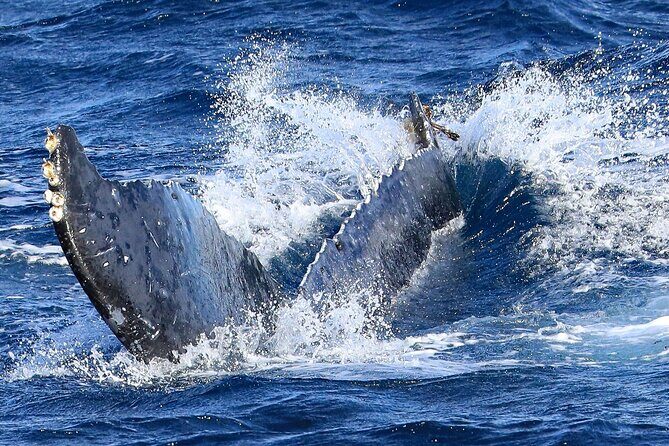
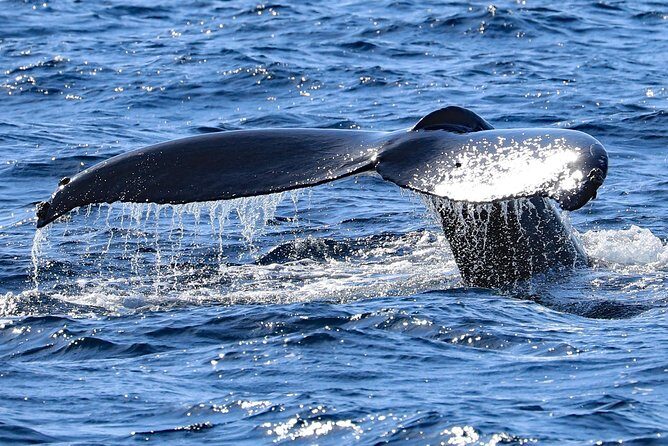
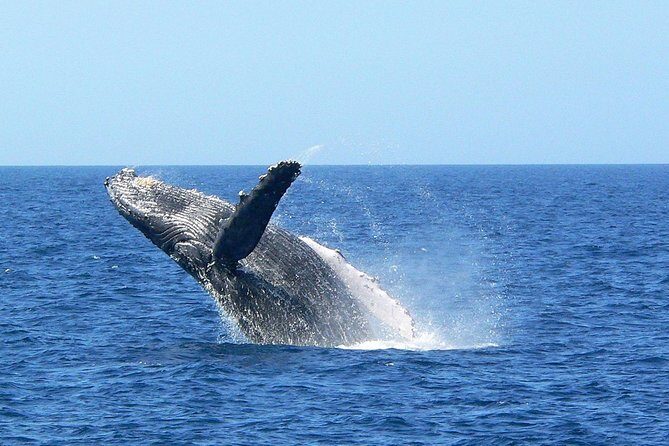
What the viewing can feel like: during successful days, whales can surface repeatedly and often quickly. One person noted whales surfacing about every 5–7 minutes, including a breach. Another talked about seeing multiple whales and even family groups. You might get a similar burst of sightings, but the sea is still the sea—so think in terms of “chance of repeated encounters,” not a guaranteed species count.
Important expectations: the team keeps distance for safety and respect. That’s not a deal-breaker; it’s part of how whale watching stays ethical. Also, the boat can’t approach closer unless whales swim toward it, so your best viewing comes from staying alert, dressing for the wind, and watching where the guide directs you.
A Real Whale Guide, Not Just a Mic and a Map
This experience isn’t only about spotting. It’s about understanding what you’re seeing while you’re out there.
You’ll get an English-speaking guide who orients you on the world of whales. That matters because once you learn the basic behavior—how blows look, how surfacing patterns repeat, and what you’re likely seeing—you spend less time wondering and more time noticing.
A guide named Rita is specifically mentioned for very clear English and strong marine biology knowledge. If she’s on your date, that’s a great sign. Even when the guide team changes, the structure is the same: orientation first, then help interpreting what the boat crew and naturalist are tracking.


Drinks, Photos, and the Whale Booklet That Keeps the Trip Going
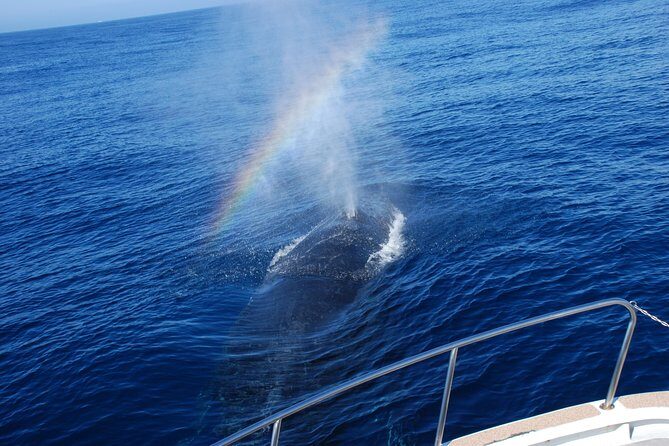
Expect more little comforts than you’d get on a bare-bones excursion. You’ll have hot and cold drinks during the cruise, plus a downloadable photo set after the trip. There’s also a whale-watching booklet you can download, which is useful because it lets you review what you saw while the details are still fresh.
Those items sound small, but they improve the whole experience. Drinks help you stay warm in wind. The booklet and guide help you connect what you saw to real whale behavior instead of leaving with vague memories like big animal somewhere out there.
No meals are included. So plan your lunch around the tour time. If you’re doing this as a half-day activity, think about eating before you go or building a post-boat meal into your schedule.
Price and Value: What $38.22 Buys You (and What It Doesn’t)
At $38.22 per person, this isn’t a luxury cruise—it’s a focused wildlife outing. The value comes from what’s included: guide, drinks, life jacket rental, raincoat rental (if needed), and the booklet and downloadable photos.
Also, the company notes they’ve been operating for over 35 years and are legally recognized as safe and reliable. That’s the kind of background detail that can matter when you’re spending real time offshore in winter.
The price also links to their refund approach, at least during certain dates. For Feb. 1 to Mar. 31, if no whale is spotted, a full refund is available under their policy. The wording is specific: no refund if staff or anyone on board spots a whale, dolphin, or their blows—so the decision hinges on what is officially recorded during the trip.
If you’re considering this for early winter, there’s a different fallback. If no whales or dolphins are spotted on trips between Dec. 22 and Jan. 31, you get a re-trial voucher for another day. That gives you a second chance without starting over from zero.
One more value factor: the group size cap is 35 travelers. That’s not just comfort—it’s also better for viewing. When fewer people are craning at once, the viewing experience stays clearer.
Who This Tour Suits Best in Naha
This tour is friendly for different travel styles.
If you’re a solo traveler, you’re welcome. A small group size also helps you avoid the feeling of being lost in a crowd. If you’re traveling with children, you’ll want to bring a baby carrier for kids who can’t stand on their own, since the data specifically calls that out.
It also fits people who like structured nature time—someone explains the whales while you watch, rather than it being pure wandering on a boat.
On the flip side, skip this if you’re in a restricted category. The tour does not allow people with a history of epileptic seizure or loss of consciousness for unknown reasons, or those with hyperventilation syndrome. Pregnant or possibly pregnant travelers cannot participate.
If you fall into any of those categories, it’s best to choose a different activity that matches your situation and safety needs.
My Booking Checklist for Better Chances (Without Making Promises)
Whale watching is weather-dependent, and the ocean doesn’t follow calendars. Still, you can stack the odds in your favor.
Dress warm even if the sun is out. Wind is the enemy of comfort on a fast boat. I’d prioritize a wind breaker, warm layers, and a hat.
Plan for motion. If you’re even slightly prone to sea sickness, take prevention seriously rather than hoping for the best. A calm day ashore doesn’t always mean smooth ride offshore.
Bring what you need for your group. If you’re traveling with a small child, a baby carrier is specifically suggested. If you drive, the free parking is a plus, but don’t wait until the last second to arrive.
If your schedule is tight, know the timing matters. This activity runs in the winter season, and it’s designed for that window from January through late March. Booking closer to that peak makes sense if you’re chasing winter whale sightings.
Should You Book Okinawa Whale Watching From Naha?
If your goal is a guided winter whale experience out of Naha, this is a solid choice. The combination of a tracked approach (sonar/radar), English explanation on board, and included comfort basics like drinks and rentals makes it feel like more than a lottery ticket.
Book it if you can handle wind and motion and you’re comfortable spending about 4 hours offshore. Also book it if you like the idea of learning as you watch, especially with guides who have strong English skills (Rita is one name to look for in your planning).
Skip it if you can’t meet the medical restrictions or if you’re likely to struggle with sea conditions without proper preparation. In that case, you’ll have a better time choosing a different type of Okinawa experience that keeps your day comfortable.
FAQ
Where does the tour start and end?
The tour starts and ends at Marine Club Berry Naha, located at 2-chōme-3-13 Minatomachi, Naha, Okinawa 900-0001, Japan.
How long is the whale watching trip?
The duration is about 4 hours (approx.).
Is pickup available from hotels in Naha?
Yes. A free shuttle bus is available for designated hotels, but advance booking is required.
What’s included in the price?
Included items are life jacket rental, hot & cold drinks, rain coat rental (if needed), downloadable photos, a whale-watching booklet (download), and a guide. Free shuttle bus (for designated hotels) and free parking space are also included.
Are meals included?
No meals are included.
What happens if no whales are spotted?
From Feb. 1 to Mar. 31, you can get a full refund if no whale is spotted. The policy notes that no refund is given if someone on board (including staff) spots a whale, a dolphin, or their blows.
Is there an alternative if whales aren’t spotted earlier in the season?
Yes. If no whales or dolphins are spotted between Dec. 22 and Jan. 31, you receive a re-trial voucher to use on another day.
What health restrictions apply?
People with a history of epileptic seizure or loss of consciousness for unknown reasons, or attack of hyperventilation syndrome, cannot join. Pregnant or possibly pregnant travelers also cannot participate.
How many people are on the boat?
The tour has a maximum of 35 travelers.