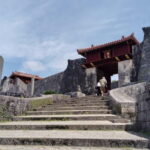
REVIEW · NAHA
Naha: Okinawa Shuri Castle Peace Walking Tour
Book on GetYourGuide →Operated by MagicalTrip · Bookable on GetYourGuide
Shuri’s history walks uphill. I like how this tour links Shurijo Castle and Tamaudun to everyday street scenes and sacred Utaki spots, so the Ryukyu story feels real, not like a worksheet. One thing to plan for: there are steep inclines and the weather can swing hard, so bring good shoes and dress for heat or winter cold.
I also appreciate the hands-on pacing. With a small group (up to 7), the English-speaking local guide keeps things moving but relaxed, and you even get photos taken on the tour emailed to you afterward. If you have a tight schedule or you’re sensitive to hills, this may feel like more effort than a flat city stroll.
In This Review
- Key things that make this tour worth your time
- Entering Shuri’s Royal World From Suikara Textile Museum
- Shureimon Gate: The moment the Ryukyu Kingdom becomes visible
- Kinjo Stone Road: cobblestones, daily life, and small details
- Shuri’s hilltop museum time: Shurijo Castle and what you’ll learn
- Tamaudun and the royal mausoleum: ancestors as part of the landscape
- Utaki sacred sites: where beliefs show up in everyday spaces
- Wartime legacy context: Shuri’s story includes loss and resilience
- Lunch on the route: Okinawan soba and other real options
- Photo stops and a guide who keeps the story moving
- Price and value: is $70 a fair deal?
- Getting there, timing, and what to pack for an Okinawa hill walk
- Who should book this Shuri Peace Walking Tour?
- Should you book it? My practical take
- FAQ
- How long is the Naha Shuri Castle Peace Walking Tour?
- What does the tour cost?
- Where do I meet the guide?
- Is Shurijo Castle entrance included?
- Is Tamaudun entrance included?
- Is lunch included, and what will I eat?
- Is the tour suitable for people who need vegetarian or gluten-free options?
- Is the tour in English?
- Is the tour very difficult to walk?
Key things that make this tour worth your time
- UNESCO focus with Shurijo Castle and guided museum time, not just quick photo stops
- Tamaudun Mausoleum entrance included, with context for Ryukyu royal history
- Utaki sacred sites on the cobblestones, where beliefs and nature connect
- A real local lunch on the walking route, with Okinawan soba and other menu options
- Small group energy (max 7) and a guide who can answer questions in English
Entering Shuri’s Royal World From Suikara Textile Museum
Most walking tours start with a landmark. This one starts with a purpose: in front of the Shuri Textile Museum Suikara, where you can get a sense of Okinawa’s arts before you even hit the main historic areas. Your guide will be holding a red/orange sign that says Magical Trip, which makes it easy to spot.
From there, you’ll connect to the Shuri area that sits high above Naha. The vibe is very “walkable history,” with narrow streets, traditional-looking architecture, and the kind of quiet that makes the stories feel closer.
If you’re coming by train, Suuri Station is about a 10-minute walk from the meeting point. I’d recommend arriving early, because the tour starts promptly and if you show up more than 15 minutes late, you can’t join or reschedule.
You can also read our reviews of more walking tours in Naha
Shureimon Gate: The moment the Ryukyu Kingdom becomes visible
Your first real stop is Shureimon Gate. It’s only a short visit, but it matters because it frames what you’re walking into: Shuri wasn’t just a neighborhood—it was the center of the Ryukyu Kingdom.
On the guided portion, you’ll get context for the symbols and layout around the gate, and why Shuri became a meeting point of ideas from China, Japan, and Southeast Asia. Even if you know a little about Okinawa history, this is where the tour gives you the “map in your head” you’ll use for the rest of the walk.
This section is also a good place to reset your expectations. It’s not a rushed sprint. The guide builds understanding step by step, so the castle and sacred sites later don’t feel random.
Kinjo Stone Road: cobblestones, daily life, and small details
Next up is Kinjo Stone Road, a key corridor for the walking part of the day. The tour uses this street like a bridge between royal history and normal life—how people moved, lived, and kept traditions close.
You’ll get a guided walk through the stone-road atmosphere, with explanations that help you picture daily routines instead of only kings and warriors. I like this approach because Okinawa isn’t only a museum theme; it’s a living culture. The guide’s commentary helps you notice that.
Expect stops and walking segments that last roughly 30 to 45 minutes at a time. That’s usually comfortable for most people who can handle stairs and short uphill stretches, but it’s still active. Bring water and pace yourself.
Shuri’s hilltop museum time: Shurijo Castle and what you’ll learn
Shurijo Castle is the anchor. You’ll visit Shurijo Castle and the museums with your local guide, and that’s one of the biggest reasons this tour feels more valuable than a “see it, move on” itinerary.
The castle complex brings Ryukyuan history into focus through architecture, the layout of the grounds, and exhibits that help explain how the Ryukyu Kingdom blended outside influences while keeping its own identity. You’ll also get a sense of how Shuri remained meaningful even after World War II devastation, since the community rebuilt and preserved heritage with quiet pride.
A practical note: castle and museum areas often involve walking, uneven surfaces, and time spent indoors. Plan to enjoy the explanation time rather than trying to speed through. The guide is there to turn “what you see” into “why it matters.”
If you enjoy history with a human angle, this is where you’ll likely feel it most. The point isn’t just dates—it’s how people lived, what they valued, and how diplomacy and art shaped daily life.
Tamaudun and the royal mausoleum: ancestors as part of the landscape
Then comes Tamaudun, the royal family’s stone mausoleum. Entrance fees are included, which is a smart value add—this is one of the moments where the tour saves you money compared with piecing things together yourself.
Tamaudun is treated with respect on the tour, and you’ll get guidance on what the site represents. For many visitors, this is a surprisingly emotional stop, because it’s not staged for entertainment. It’s a place tied to ancestors and continuity.
You’ll also get the broader story of Okinawa’s beliefs and traditions, including how nature and memory intersect in Ryukyuan culture. Even if you’re not a “cemetery person,” this works because the guide explains it as living tradition rather than a formality.






Utaki sacred sites: where beliefs show up in everyday spaces
One of the most interesting parts of the route is the visit to Utaki—sacred sites tied to religious practice and respect for the past. Utaki are often located in places that feel ordinary until you’re told what to notice. That’s why they’re so powerful on a guided walk.
The tour ties Utaki into the bigger theme of Okinawa’s daily beliefs. You’ll connect the sacred sites to the cobblestone streets and traditional architecture you’re passing, instead of treating spirituality as a separate topic.
There’s also a practical benefit here: the guide gives you context so you know what you’re looking at. Without that, sacred spaces can feel like “just another stop.” With it, they become understandable.
If you’re hoping for a cultural tour that doesn’t only focus on buildings, Utaki is one of the best reasons to choose this format.
Wartime legacy context: Shuri’s story includes loss and resilience
Shuri’s history includes wartime legacy, and this tour mentions it as part of the way the community rebuilt and preserved what matters. That matters because Okinawa history is not only about old traditions; it’s also about survival and recovery.
The guide doesn’t treat this as a doom topic. The emphasis stays on how the community carried on, protected heritage, and rebuilt with strength. That makes the walk feel grounded rather than overly dramatic.
If you like learning history through place—seeing how a location carries memory—this piece of the narration will likely land well. It also helps you understand why so many sites in Shuri feel emotionally important, even when they’re visually quiet.
Lunch on the route: Okinawan soba and other real options
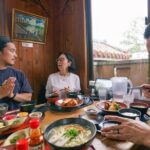
You’ll take a break and then enjoy lunch at a locally loved restaurant along the walking path. The meal is included, and you get to choose from a menu of traditional Okinawan dishes. Okinawan soba is specifically included, plus other items depending on what’s on offer that day.
This is one of my favorite parts of the day for a simple reason: it keeps you from having to hunt for food after you’re tired from walking. It also helps you eat something that feels connected to the places you just visited.
Two things to be honest about. Vegetarian options are limited because many Japanese restaurants aren’t set up for full vegetarian menus, and gluten-free requests can’t be accommodated. If you have dietary needs or allergies, you’ll want to inform the operator at least a day in advance, and you should expect that allergy-free meals cannot be guaranteed.
Photo stops and a guide who keeps the story moving
This tour includes photos taken during the walk by your guide. You’ll receive them by email after the tour, which is a nice little convenience if you don’t want to constantly juggle your phone and your questions.
I also like the way the guide handles pacing. The group is small, up to 7 participants, and the pace is described as gentle with breaks. That helps if you want a cultural walk but don’t want to feel like you’re being marched.
Based on past experiences with this tour format, guides such as Eiko-san and Sara have been praised for being careful with explanations and for continuing to study Okinawan traditions. You can ask questions along the way, and the guide is set up to answer in English.
Price and value: is $70 a fair deal?
For $70 per person and about 4 hours, this can be good value if you care about more than a quick sightseeing loop. Here’s why: admission fees are included for Shurijo Castle and Tamaudun Mausoleum, plus lunch and the guided storytelling throughout.
You’re not paying only for access to gates and buildings. You’re paying for context—how the Ryukyu Kingdom blended influences, how daily life ties to sacred spaces, and why places were preserved after devastation.
The small group size also matters. In a group of 7, it’s easier to hear, ask, and stay oriented through the hilltop maze of streets and stops.
If you’re traveling solo, the lunch and photo add-ons feel especially helpful. If you’re traveling as a couple or with friends, you’ll likely like the shared experience of a guided walk through one of Okinawa’s most meaningful districts.
Getting there, timing, and what to pack for an Okinawa hill walk
This is a walking tour with steep inclines. That means it’s not ideal if you have mobility issues, and it’s not the kind of stroll you do in soft sneakers and hope for the best.
I’d pack:
- Comfortable shoes with grip (stone roads can be unforgiving)
- Water, especially in hot months
- Weather-appropriate layers (summer can reach up to 40°C; winter can drop to -5°C)
- A small plan for sun or cold exposure
Okinawa weather can be extreme, so your comfort depends a lot on the season. Even if the tour includes breaks, you don’t want to get stuck feeling miserable halfway up a hill.
Also note that the tour starts promptly. Arriving early helps you settle in and start on time without stress.
Who should book this Shuri Peace Walking Tour?
This is a great fit if you want history with atmosphere—places where culture, spirituality, and resilience are all part of the same story. I’d especially recommend it if you’re the type of traveler who enjoys:
- UNESCO sites with guided context (not only photos)
- Utaki and sacred spaces as part of daily belief, not as a side note
- A planned lunch so the day doesn’t turn into “where do we eat?”
It may not be ideal if you dislike hills or you need step-free routes. The tour also has limits for dietary restrictions, especially vegetarian-only or gluten-free requirements.
Should you book it? My practical take
Book this tour if you want an organized, guided way to understand Shuri. The combination of Shurijo Castle, Tamaudun, and Utaki sacred sites makes the day feel like one connected story, and the included admissions and lunch help the $70 price feel earned.
Skip it if your priorities are strictly low-effort sightseeing or if your mobility needs require more accessible routes. Also think twice if you need strict gluten-free meals; the tour can’t guarantee that.
If you’re ready for a guided walk with cultural meaning—and you can handle some uphill walking—this one is a strong choice for Shuri and for Okinawa beyond the beach.
FAQ
How long is the Naha Shuri Castle Peace Walking Tour?
It runs for 4 hours.
What does the tour cost?
The price is $70 per person.
Where do I meet the guide?
Meet in front of Shuri Textile Museum Suikara. Your guide will hold a red/orange sign that says Magical Trip.
Is Shurijo Castle entrance included?
Yes. Shurijo Castle entrance fees are included in the tour.
Is Tamaudun entrance included?
Yes. Tamaudun Mausoleum entrance fees are included.
Is lunch included, and what will I eat?
Lunch is included. You can choose from a menu of traditional Okinawan dishes, including Okinawan soba.
Is the tour suitable for people who need vegetarian or gluten-free options?
Vegetarian options are limited, and gluten-free requests cannot be accommodated. If you have dietary needs or allergies, you should inform the operator at least a day in advance since meals are prepared in external kitchens.
Is the tour in English?
Yes. The guide is English-speaking and the tour is guided in English.
Is the tour very difficult to walk?
It involves steep inclines, so it’s not recommended for those with mobility issues. The pace is described as gentle with breaks, but you should still expect uphill walking.