REVIEW · KYOTO
Kyoto: Top Sights Guided Tour – Gion, Kinkaku, Fushimi, Nijo
Book on GetYourGuide →Operated by DeepExperience, Inc. · Bookable on GetYourGuide
Kyoto can feel huge. This tour keeps it focused. You hit the big sights with a live guide, walking where it matters and using quick train and bus segments to save your legs. You also get the rare treat of seeing five icons in one day without having to stitch together routes.
What I like most is the way this day is built around iconic experiences, not just stop-and-snap photos. Two standouts for me are the thousands of torii gates at Fushimi Inari and the Golden Pavilion at Kinkaku-ji with its calm garden setting. They bookend the day with two very different Kyoto moods, then the middle delivers the classic temple-and-streets balance.
One drawback to plan for: it’s an 8-hour schedule, so expect a full day of moving between spots. Also, lunch isn’t included, so you’ll need to budget time and money for food on your own.
In This Review
- Key points at a glance
- Starting at JR Inari Station with your guide-led flow
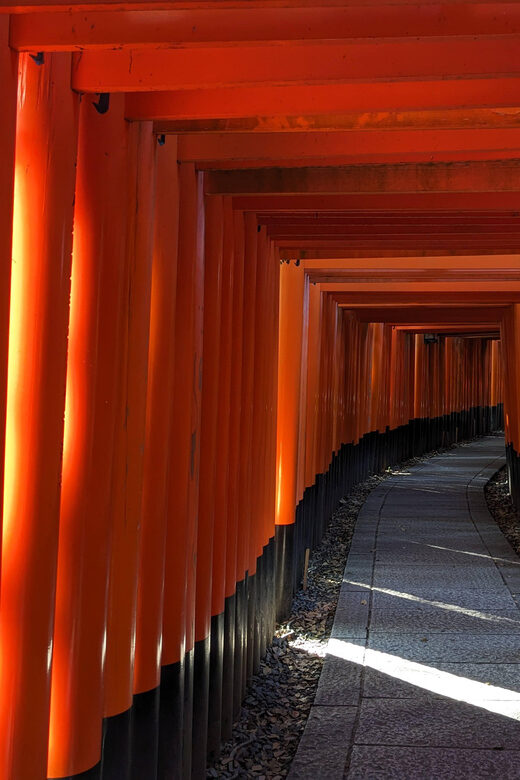
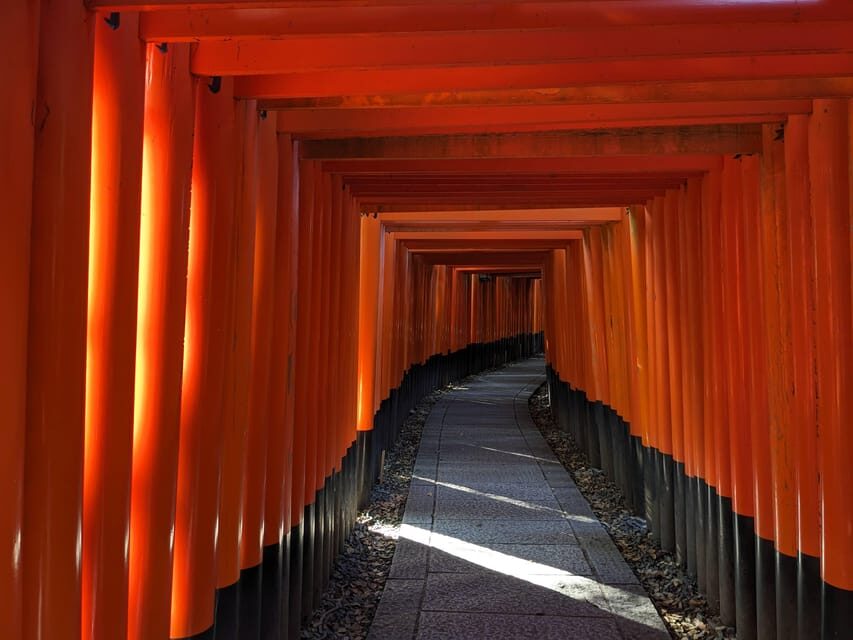
- Fushimi Inari Taisha and walking the torii tunnel
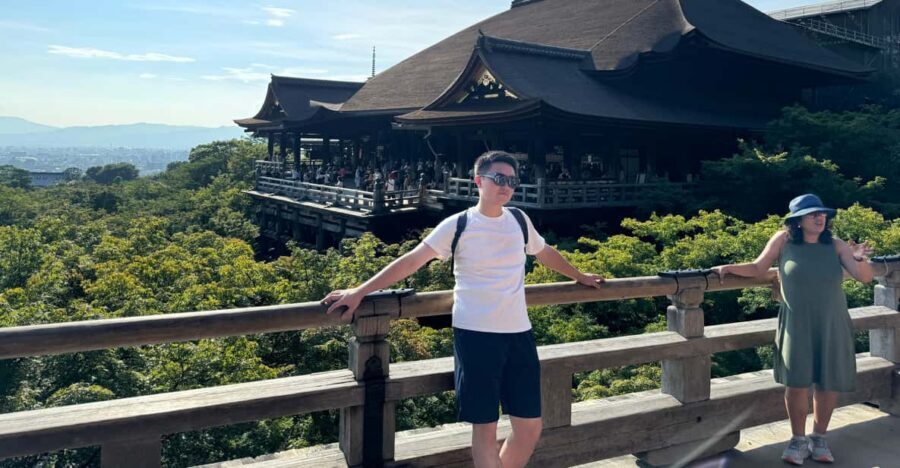
- Quick train hop to Kiyomizu-dera, then the wooden stage
- Sannenzaka slopes and the easy path to Gion
- Lunch in Gion and your guided stroll of old Kyoto streets
- Nijo Castle: palace architecture with a guide-led focus
- Kinkaku-ji Golden Pavilion to end the day right
- Why $131 feels reasonable for an 8-hour guided hits-the-spot day
- What to watch for
- Who this tour fits best
- Should you book the Kyoto Top Sights Guided Tour?
- FAQ
- Where do I meet the guide?
- How long is the tour?
- What sights are included in the guided day?
- Are entry tickets included?
- Is lunch included?
- Is there free cancellation?
Key points at a glance
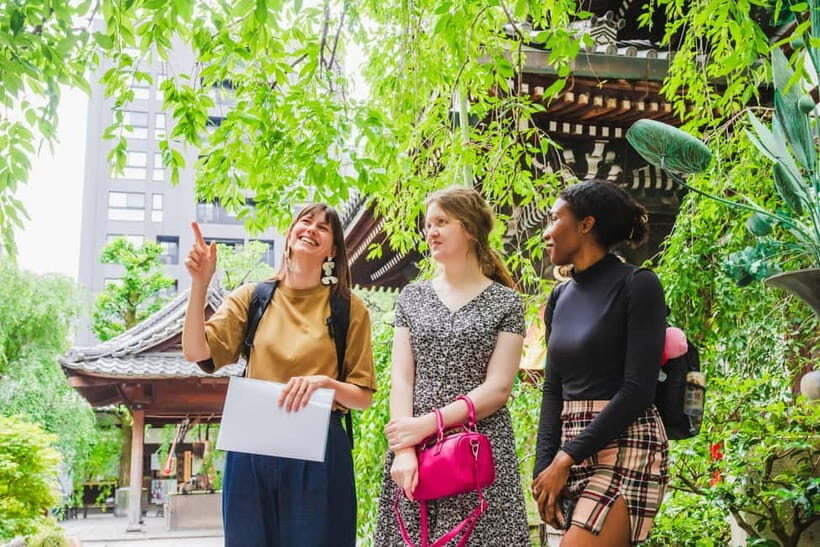
- Fushimi Inari’s torii corridor: you’ll walk through the vermilion gate tunnel that Kyoto is famous for.
- Kiyomizu-dera views from the wooden stage: the classic viewpoint is a centerpiece of the day.
- Sannenzaka slopes plus Gion: old-street atmosphere with a lunch break built in.
- Nijo Castle’s palace architecture: interior highlights get real attention with a guide.
- Kinkaku-ji timing: you finish at the Golden Pavilion, so the last stop feels like a payoff.
Starting at JR Inari Station with your guide-led flow
Your day starts at JR Inari Station, at the central ticket gate. Look for your guide holding a yellow DeepExperience logo sign. This matters more than it sounds: Kyoto is busy, and the fastest way to feel relaxed is knowing exactly where you’re meeting and where you’re going next.
The tour runs about 8 hours, with a live guide in English or Japanese. It also offers private or small groups, which usually means less crowd friction than big bus tours. Expect lots of short transitions: a mix of walking, plus train and bus rides timed to keep the day moving.
You can also read our reviews of more guided tours in Kyoto

Fushimi Inari Taisha and walking the torii tunnel
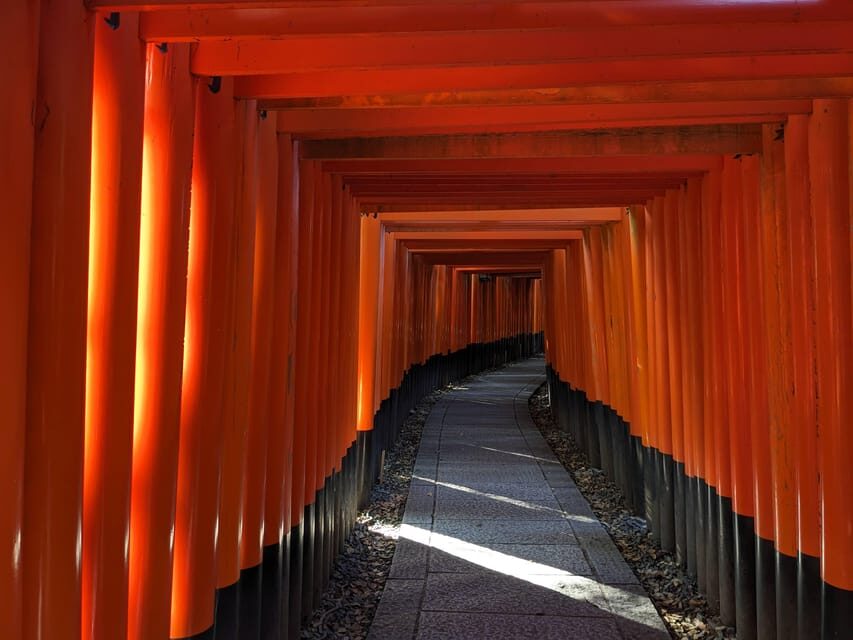
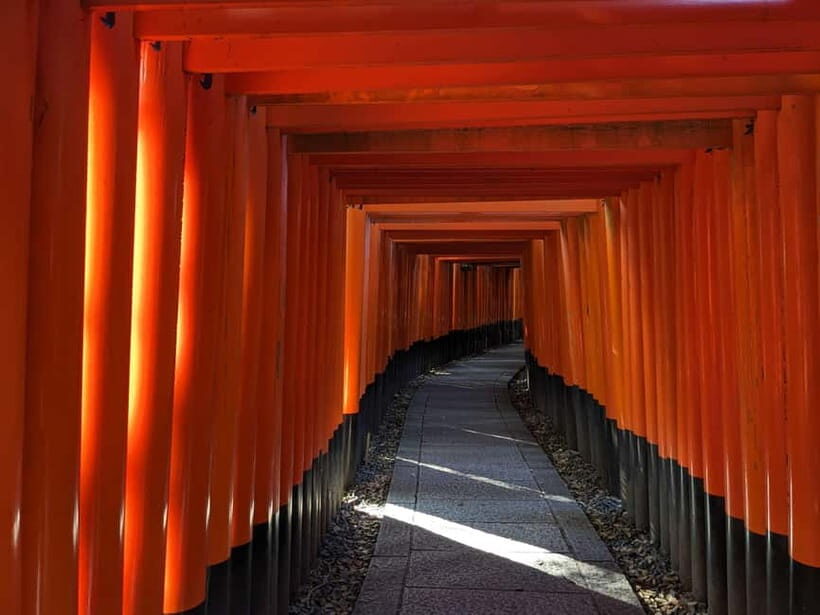
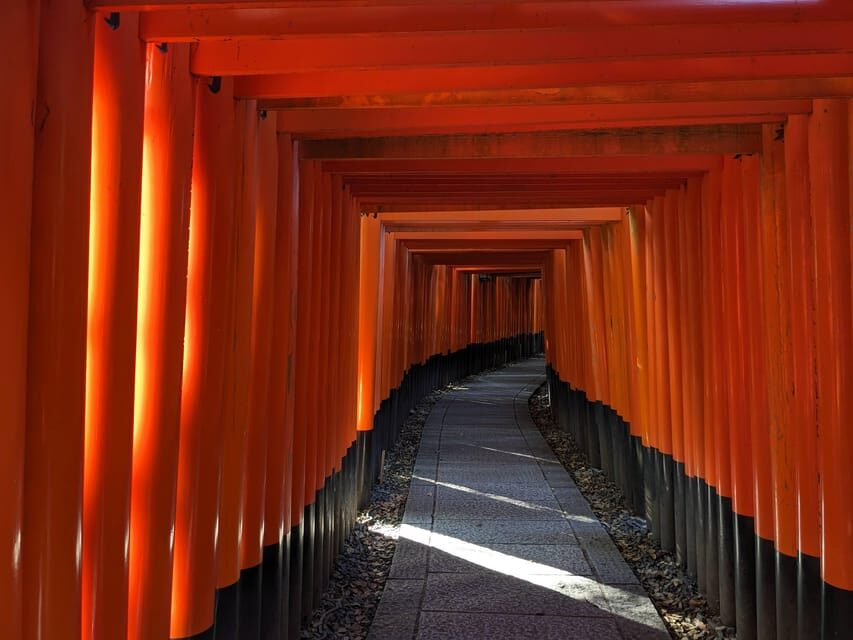
The tour’s first temple stop is Fushimi Inari Taisha, with a guided visit of about 40 minutes. This is Kyoto’s signature spiritual maze: thousands of vermilion torii gates line the pathways, creating a tunnel-like walk that changes how you move through the space. Instead of one grand view, you get rhythm—gate, passage, turn, repeat.
In this time window, you’re not aiming to climb all the way up to the distant end of the trails. You’re doing the part that gives you the heart of the place: the feel of the shrine complex and the iconic gate corridor. The guide also helps you avoid wandering in circles, which is easy to do here because the pathways branch.
Practical tip: wear shoes you can walk in for a full day. Even on a guided route with set time, the surfaces add up—stairs and packed stone are common near major Kyoto temple approaches. If you’re sensitive to crowds, go in with the mindset that it’s a popular site. The gates still deliver, even when the foot traffic is steady.
Quick train hop to Kiyomizu-dera, then the wooden stage
After your first stop, you’ll take a train segment (about 40 minutes in the plan). This is one of those clever uses of public transit that helps you see more without spending the whole day stuck in traffic.
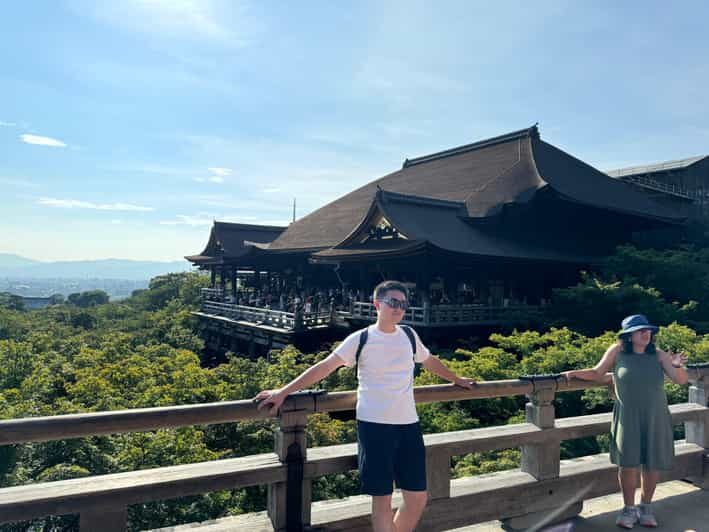
Next is Kiyomizu-dera, your guided visit lasting about 70 minutes. The star here is the famous wooden stage, the viewpoint that’s become part of Kyoto’s global image. From there, you get panoramic city-and-temple views that feel like the “Kyoto from above” version of a temple day. The guide’s job is to make the stage meaningful, not just photogenic—explaining what you’re looking at and why the site has that enduring pull.
A smart move at Kiyomizu-dera is to slow down around the viewing areas. The stage doesn’t reward rushing. Give yourself a moment to take in the lines of the structures and the way the temple sits in the broader area. It’s also where you’ll start feeling the contrast of the day: you came from an open gate corridor (Fushimi Inari), and now you’re inside one of Kyoto’s most theatrical temple viewpoints.
Sannenzaka slopes and the easy path to Gion
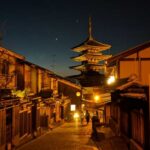
From Kiyomizu-dera, you’ll move on foot for short stretches, including time around Sannenzaka (about 15 minutes guided). Sannenzaka is known for its preserved old-street charm—think stone paths, traditional storefront vibes, and a walk that feels like you’re stepping into an older Kyoto street scene.
It’s a brief stop, but it works as a mood shift. The temple stage gives you a wide view. Sannenzaka gives you a close-up texture of streetscapes—walls, steps, and the pedestrian scale that makes Kyoto feel walkable and human.
Then you continue on foot for about 20 minutes toward Gion. This is a long enough walk to transition you mentally from temple mode to neighborhood mode, which is exactly what you want. Gion is where Kyoto stops feeling like a list of famous sites and starts feeling like a place you could wander for hours.
Lunch in Gion and your guided stroll of old Kyoto streets
Gion is one of the best districts for seeing Kyoto as a living neighborhood, not just a sightseeing circuit. In this tour, you get lunch plus a guided tour of about 1.5 hours. That’s a useful length: long enough for the guide to point out what matters, short enough that you still keep the day from dragging.
This is where you’ll enjoy the traditional streets and historic wooden machiya style houses. Even if you’ve seen photos before, the street scale changes everything when you’re actually walking it—doors, narrow lanes, and the way the district opens and closes visually around corners.
Two practical things I’d keep in mind for your Gion lunch stop:
- Budget extra time for getting your bearings and finding a spot that fits your preferences, since lunch cost isn’t included.
- Watch your pace. The district is compact, and there’s plenty to look at, which can slow you down if you’re not paying attention.
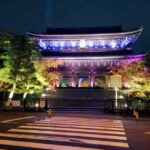
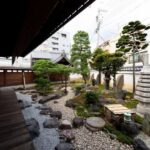

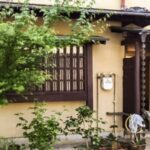
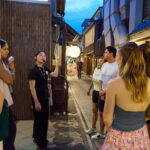
Nijo Castle: palace architecture with a guide-led focus
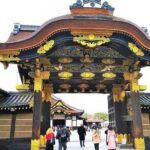
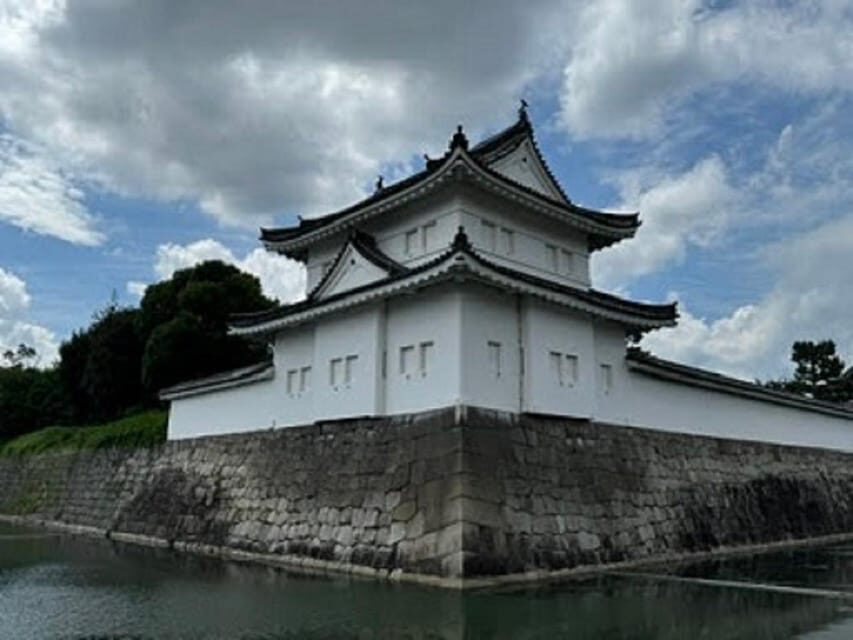
After Gion, you’ll take a bus/coach ride (about 30 minutes) to Nijo Castle, with about 1 hour guided inside. Nijo Castle feels different from the temple stops earlier in the day. Instead of gates and stages, you get the feel of power and design—rooms, corridors, and architectural details that reflect a different Kyoto chapter.
The big value of having a guide here is simple: it turns the castle from a walk-through into something you can read. You’re not just looking at walls; you’re learning how the spaces are arranged and what the architecture is communicating.
Time-wise, one hour can feel tight if you linger in every room, so listen closely when the guide points you toward the key interior highlights. If you’re the type who wants to maximize photos, decide on a couple of must-shots early so you don’t lose time later.
Kinkaku-ji Golden Pavilion to end the day right
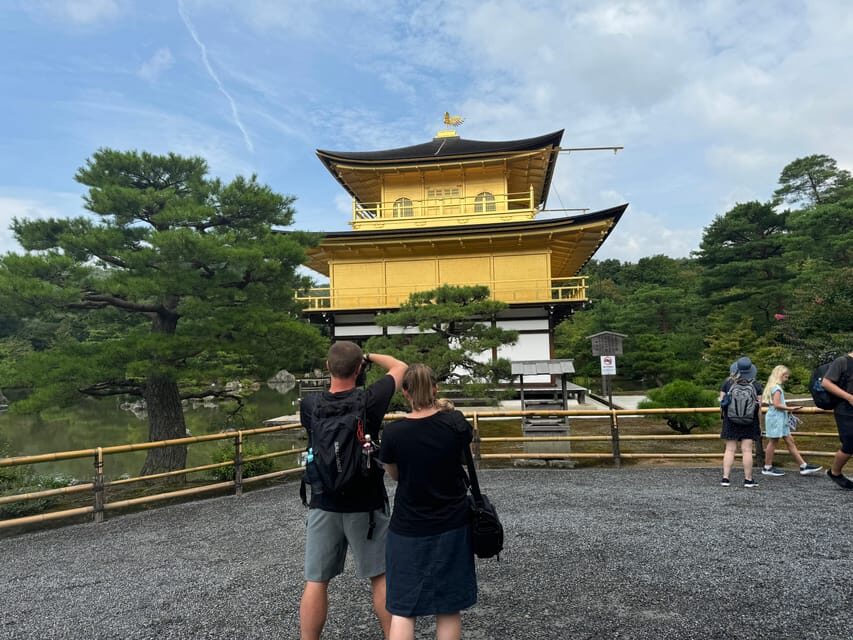
Your final stop is Kinkaku-ji (the Golden Pavilion), with about 1 hour guided. The tour finishes at 金閣寺, so you’ll end where most people want to end: right at the temple itself.
This is the payoff stop. The Golden Pavilion glints over a serene garden setting, giving you a calmer, more composed feeling than the street-and-stairs energy earlier. It’s also a great ending because it’s visually iconic in a way that feels rewarding after a long day.
If you want to get the most out of the hour:
- Slow down around the main pavilion viewpoint so your eyes adjust to the gold detail and the garden composition.
- Don’t treat it like a quick photo stop. The garden framing makes the pavilion feel like part of a designed scene, not an isolated building.
Why $131 feels reasonable for an 8-hour guided hits-the-spot day
At $131 per person for roughly 8 hours, the real value here isn’t just the list of attractions. It’s the combination of a live guide plus entry tickets included. When you’re stacking major sites—Fushimi Inari, Kiyomizu-dera, Nijo Castle, Kinkaku-ji—those admissions and the time saved by having someone map the day can add up fast.
This tour also uses transportation smartly: short bus and train segments break up the day so you’re not doing everything on foot. That’s important if you’re visiting Kyoto for a limited time and want a structured “greatest hits” day.
One detail that stands out from guide feedback: some guides, like Takashi, have a reputation for being especially attentive and thoughtful, and for keeping the program organized. That shows up as reduced guesswork for you. When a guide runs a route well, the day feels less chaotic and you spend more time actually seeing.
What to watch for
- It’s a full-day format. If you like long, unhurried wandering with no schedule pressure, you might prefer a slower plan.
- Lunch isn’t included, so you’ll want to mentally budget for food during your Gion stop.
Who this tour fits best
This is a good match if you:
- Have limited time in Kyoto and want the top sights covered in one day.
- Prefer guided context over reading everything from scratch on your phone.
- Like walking, but want the walking planned rather than open-ended.
- Want a clear end-to-end route that starts at Inari Station and finishes at Kinkaku-ji.
It may feel less ideal if you:
- Want to spend lots of extra time inside each building without time limits.
- Travel with very strict pacing needs and prefer short days.
Should you book the Kyoto Top Sights Guided Tour?
If you want a well-structured Kyoto day that covers Fushimi Inari, Kiyomizu-dera, Gion, Nijo Castle, and Kinkaku-ji with entry tickets included, I’d say this is worth considering. The biggest reason is not just the sites—it’s the guided flow that keeps you from losing time figuring out connections.
Book it if your priority is seeing Kyoto’s best-known places and learning how they connect as a city. Skip it (or consider something lighter) if you want lots of free time and flexible detours. For many first-timers and anyone with a tight schedule, this hits the sweet spot.
FAQ
Where do I meet the guide?
Please meet your guide in front of the central ticket gate at JR Inari Station. The guide will be holding a yellow sign with the DeepExperience logo.
How long is the tour?
The duration is 8 hours.
What sights are included in the guided day?
The guided day covers Fushimi Inari Taisha, Kiyomizu-dera, Gion (including lunch), Nijo Castle, and Kinkaku-ji (Golden Pavilion).
Are entry tickets included?
Yes. The guide fee and entry ticket are included.
Is lunch included?
No. Lunch cost is not included.
Is there free cancellation?
Yes. You can cancel up to 24 hours in advance for a full refund.