REVIEW · TOKYO
Tokyo: Shinjuku Bar Hopping & Karaoke Night Tour
Book on GetYourGuide →Operated by Local Guide Stars · Bookable on GetYourGuide
Neon alleys guide you to real Tokyo nights. This Shinjuku night tour pairs you with a local guide in Kabukicho and Golden Gai, helping you read menus, find the right vibe, and keep moving through the crowd without getting lost. One heads-up: some bars have limited seating, so standing is part of the plan.
What really makes the night work is the mix of small, character-filled drinking spots plus a proper karaoke finish. I like how guides such as Shun and Naoto set the tone, and I love that karaoke is about laughing with your group, not hitting a perfect note.
In This Review
- Key Things That Make This Night Tour Worth It
- Shinjuku After Dark: Why This Tour Feels Different
- Meeting at Shinjuku Station East Exit (and Staying On Time)
- Kabukicho First: Neon Streets, Quirky Bars, and Fast Orientation
- Golden Gai: Tiny Alleys, Basement Rooms, and Real-Feeling Chaos
- The Izakaya Side of Drinking Culture (Without Making It Complicated)
- Karaoke With the Locals: Fun First, Skill Not Required
- Price and Value: What $32 Really Buys You
- Timing, Crowds, and the Stuff You Should Know Before You Go
- Who This Tour Fits Best (and Who Might Prefer Something Else)
- Should You Book This Shinjuku Night Tour?
- FAQ
- Where is the meeting point?
- What time does the tour start?
- Is hotel pickup and drop-off included?
- What should I bring?
- Are food and drinks included in the price?
- Is karaoke included?
- Can under-20 guests join?
- What about vegetarian options?
- What languages are used on the tour?
- Does the tour run in bad weather?
Key Things That Make This Night Tour Worth It
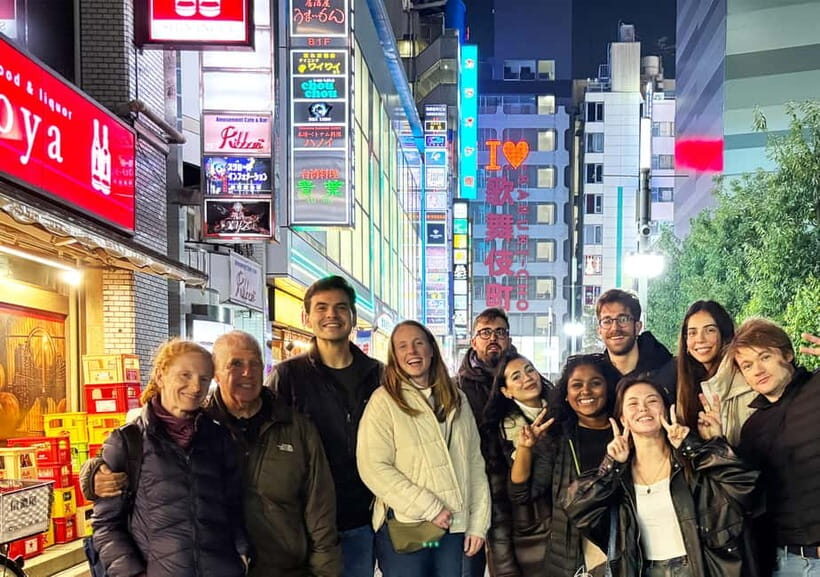
- Local guide connections in Golden Gai that help you get into places you might not find on your own
- Kabukicho backstreet energy that feels like Tokyo after dark, not just bright storefronts
- Underground izakaya culture with the kind of casual rules and rhythm that locals take for granted
- Karaoke with real people, where picking your song is the hard part
- Photos during the tour, so you do not have to spend the whole night behind your phone
Shinjuku After Dark: Why This Tour Feels Different
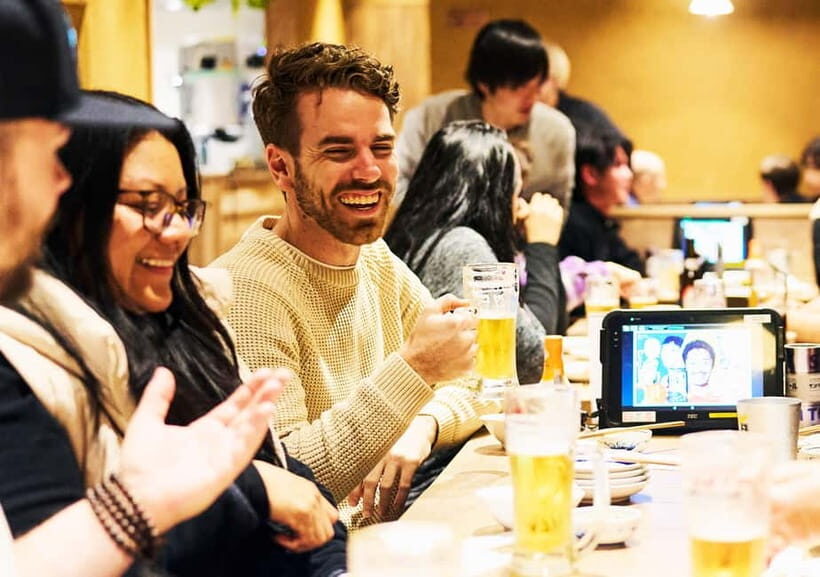
Shinjuku is where Tokyo’s nightlife gets louder, stranger, and more fun. The value here is not just that you walk around at night. You get a guide who knows how to handle the practical stuff: where to go next, how to order, and how to make first-timers feel like they belong.
I also like that the tour is built around two well-known zones you can visit in a normal night—Kabukicho and Golden Gai—but the guide turns them into a guided route with local pacing. You see what the neighborhood feels like at street level, then shift into the smaller lanes where Tokyo drinking culture looks totally different.
And yes, the whole thing is simple: you do a bar hop, then you sing. If you want a night that is active, social, and easy to manage, this hits the mark.
You can also read our reviews of more evening experiences in Tokyo


Meeting at Shinjuku Station East Exit (and Staying On Time)
Your evening starts at Shinjuku Station East Exit Police Box (3-38-1 Shinjuku, Shinjuku-ku, Tokyo). You meet in front of the Shinjuku Police Station East Exit Police Box, and the guide holds a sign that says Local Guide Stars.
This matters more than people think. Bar hopping in Shinjuku runs on momentum. The tour specifically starts on time, even if someone is still walking over. If you are late and miss the group, refunds or rescheduling are not offered.
Bring a little cash. Food and drinks are not included, and in Japan that often means cash is the fastest way to handle small payments without delays.
Kabukicho First: Neon Streets, Quirky Bars, and Fast Orientation
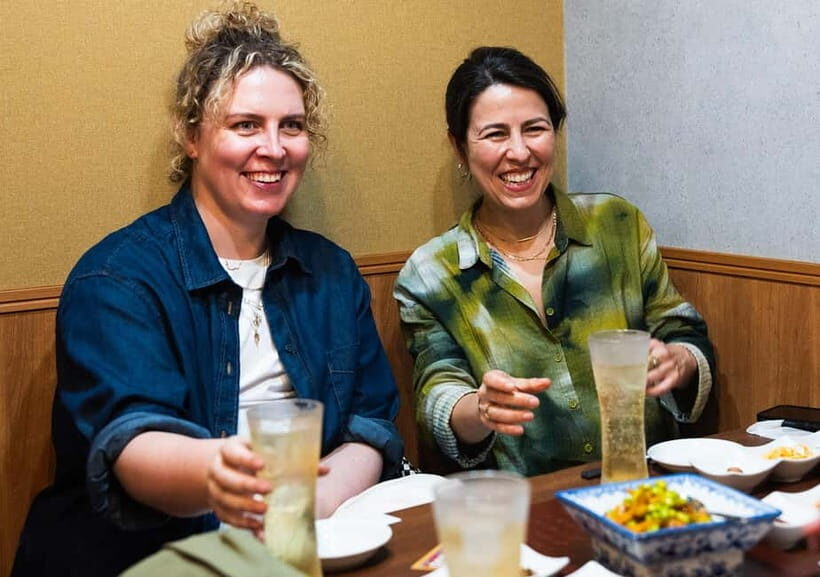
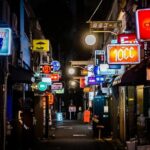
Most nights kick off in Kabukicho, Shinjuku’s famous entertainment district. This is the part where the streets feel like a movie: neon signage, quick turns, and lots of people doing different versions of the same thing—looking for a drink and a good time.
What you get with a guide is early orientation. You are not just passing storefronts. You are learning how the neighborhood works once you step off the main drag. The guide can point you toward bars that match the group mood and help you avoid the awkward moments that come with ordering while language skills are limited.
A big theme in the experience is comedy-by-context: characters, signs, and tiny rules that are normal once you have someone explain them. That is also where English helps. Guides like Chihiro and Kann (and others on different nights) tend to keep things clear, so you spend more of the hour enjoying the scene and less time stuck staring at a menu.
Golden Gai: Tiny Alleys, Basement Rooms, and Real-Feeling Chaos
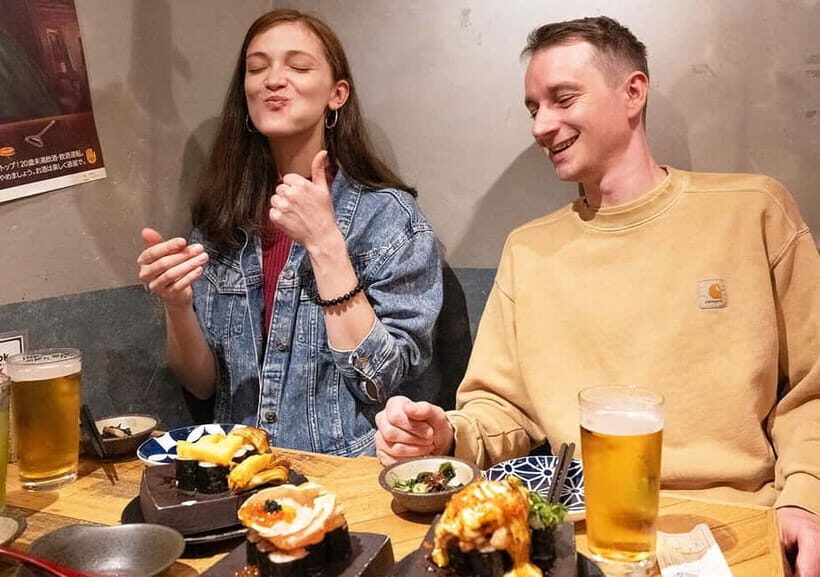
After the neon outside, the night moves into Golden Gai, the maze of narrow alleyways filled with small bars. This area can feel intimidating if you arrive on your own because most places are compact, and many look like they belong to someone who has been coming for years.
Golden Gai is where the tour earns its name. You are not just walking through it—you are getting help with the most important part: figuring out which door to try, when to go in, and how to handle the social flow once you are inside.
Some nights include access to hidden spots that usually do not welcome first-time visitors. One example from the night experience includes karaoke in a small, very Japanese-feeling basement bar that many people would never spot without local help.
Two practical notes for Golden Gai:
- Seating is often tight. The tour may involve standing more than you expect.
- The rhythm can be slower inside because these are small rooms. You may linger longer at a stop while the group figures out what it likes.
If you are expecting a formal, sit-down dinner kind of tour, adjust your expectations. This is Tokyo at bar temperature.
The Izakaya Side of Drinking Culture (Without Making It Complicated)
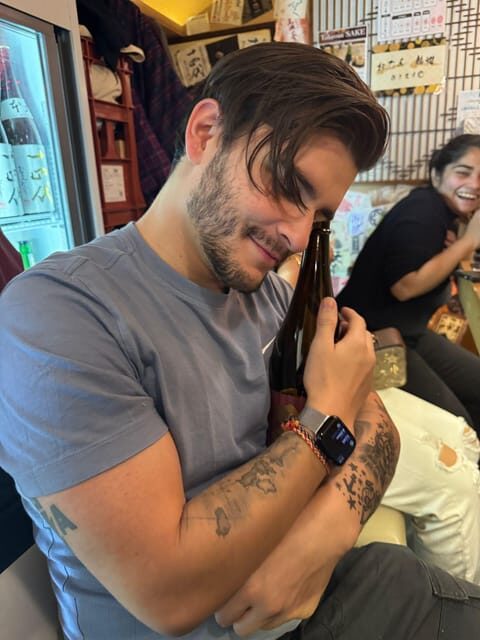
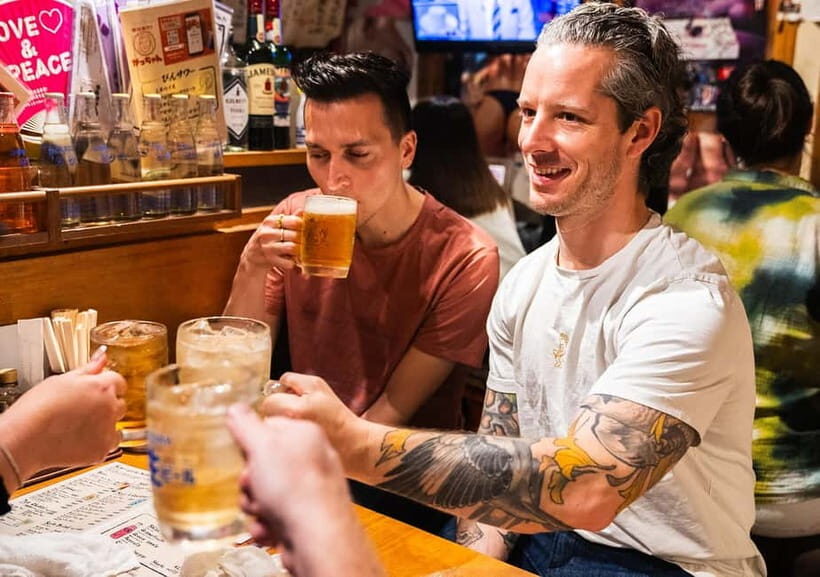
Tokyo’s nightlife is not only about cocktails and big venues. A major part of the experience is the izakaya-style atmosphere—casual, social, and built for sharing drinks and snacks.
Food and drinks are not included, but the tour still nudges you into the right places. In practice, that means you might order things like sushi or sake if that fits what the group is doing, and you might split bills depending on how the restaurant handles it. The main point is that the guide helps you participate without feeling like you need to know every custom before you step in.
Also, do not expect vegetarian options to be broad. Most restaurants in Japan are not built around full vegetarian menus. Vegetarian choices can exist, but they are limited, so it helps to have a plan: choose a light diet if needed and be ready to ask for what you can eat.
You can also read our reviews of more nightlife experiences in Tokyo


Karaoke With the Locals: Fun First, Skill Not Required
The night ends with karaoke, and that part is the emotional payoff. The tour frames it correctly: it is not about perfection. It is about picking a song, singing with your group, and enjoying the moment.
If you have never done karaoke in Japan before, this is still a good setup. The guide is there to keep things smooth, and you will not be the only person learning the routine.
The best karaoke experiences tend to have two ingredients:
- You feel relaxed enough to try.
- You get comfortable enough to laugh at your own mistakes.
This tour aims for both. And because you are walking in after a bar hop, you already have that social energy that makes karaoke feel natural instead of forced.
One more practical detail: some bars require standing. Karaoke rooms usually have seating, but you may still be moving around before the main sing session starts. Wear shoes you can stand in.
Price and Value: What $32 Really Buys You
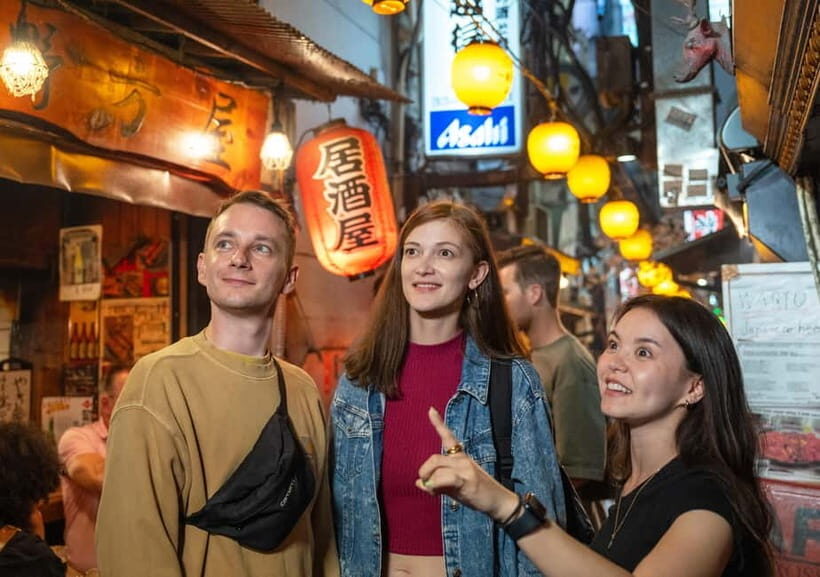
At $32 per person, you are paying for more than walking around. The tour includes:
- a walking tour
- a local guide
- photos during the tour
Food and drinks are not included, so your total night cost depends on what you order. Still, the price feels fair when you look at what you avoid:
- spending time figuring out where to go next in an area like Shinjuku
- language friction that can slow you down and drain the fun
- the awkwardness of trying to get into small Golden Gai bars without local help
You can do Shinjuku on your own, sure. The question is how much of the night you want to spend guessing. For many people, paying for guidance is the difference between a good night and a stressful one.
Also, guides bring real personality. You may meet guides like AYAKA, MEIKO, Fiona, Jan, Shun, Naoto, or others depending on the evening. The common thread is that they make you feel comfortable fast and help you build a night that makes sense.
Timing, Crowds, and the Stuff You Should Know Before You Go
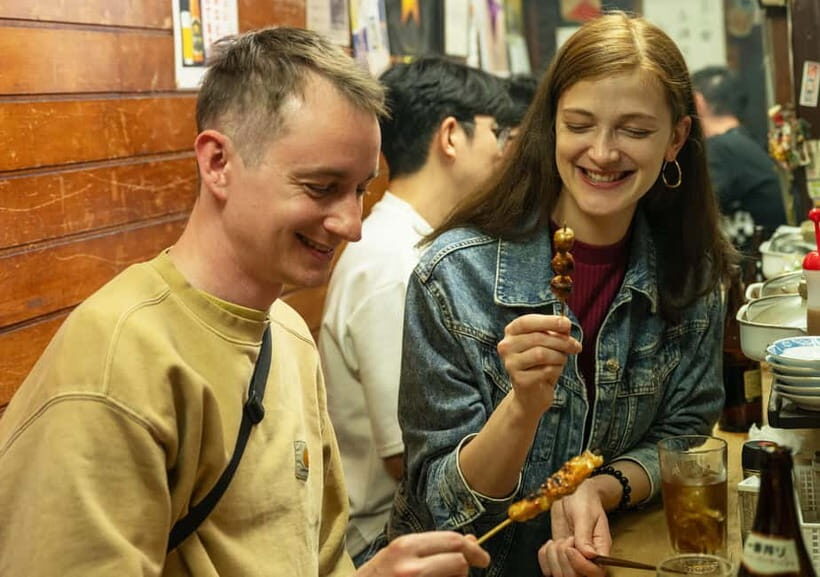
This experience is rain or shine. It continues even if the weather is messy, so bring a compact jacket or umbrella you can manage while walking.
Food and drink service can be delayed at some stops. That can push the tour beyond the originally scheduled time. If you have a tight next plan after the tour ends, give yourself a cushion.
Also note the alcohol rule. By Japanese law, only people aged 20 and over are allowed to drink alcohol. The tour is not suitable for people under 20, so you can expect the night to be structured around legal drinking from that age group.
Language barriers and cultural differences can show up. That is part of the experience. If you want less friction, keep a translator app handy and be ready to point, smile, and ask simple questions.
Who This Tour Fits Best (and Who Might Prefer Something Else)
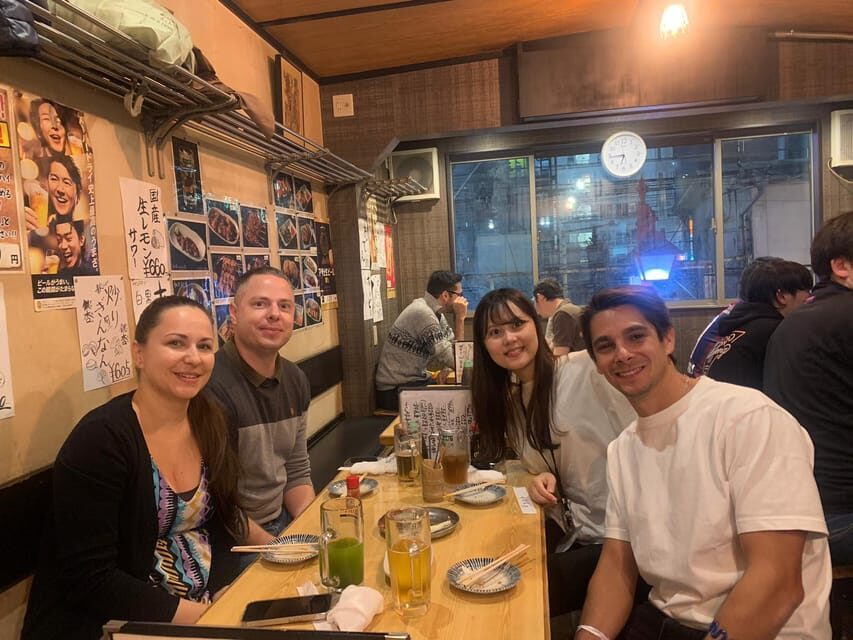
This is a strong fit if you want:
- a guided introduction to Shinjuku’s nightlife that does not require deep local knowledge
- a route that includes Golden Gai and karaoke without you hunting for doors and timing
- a social night where you can follow along even if your Japanese is limited
It is also a good choice for groups who want shared experiences with enough flexibility to enjoy the stops in their own pace. Some nights include moments where the group splits bills and then meets again at karaoke, which can feel like a good balance of structure and freedom.
You might want to skip (or choose a different style of night) if:
- you need fully seated dining and do not want standing in compact bars
- you require a wide vegetarian menu (options are limited)
- you dislike alcohol culture entirely, since much of the tour’s flow is built around drinking spots
Should You Book This Shinjuku Night Tour?
If you want an evening that feels like Tokyo’s nightlife without the trial-and-error, I would book it. The best reason is the combination: local guide + Golden Gai access + karaoke. That combo is hard to replicate solo unless you already know where to go and how to navigate the social rhythm.
Bring cash, expect some standing, and plan your day so you are not rushing. If you go in ready to laugh, order simply, and sing even a little off-key, this tour is likely to give you the kind of night you remember for the right reasons.
FAQ
Where is the meeting point?
Meet at Shinjuku Station East Exit Police Box, in front of the Shinjuku Police Station Shinjuku East Exit Police Box. The guide will be holding a sign that says Local Guide Stars.
What time does the tour start?
The tour starts on time. If you arrive late and miss the group, refunds or rescheduling are not offered.
Is hotel pickup and drop-off included?
No. Hotel pickup and drop-off are not included, and the tour ends back at the meeting point.
What should I bring?
Bring cash. Food and drinks are not included, and some bars may require standing.
Are food and drinks included in the price?
No. Food and drinks are not included, though you will have chances to buy what you want at each stop.
Is karaoke included?
Yes. The tour ends with karaoke, and you will pick your favorite song and sing with the group.
Can under-20 guests join?
No. The tour is not suitable for people under 20, and by Japanese law only guests aged 20 and over are allowed to drink alcohol.
What about vegetarian options?
Vegetarian options are available, but they are limited since most Japanese restaurants are not fully equipped to offer vegetarian menus.
What languages are used on the tour?
The tour languages are English and Japanese.
Does the tour run in bad weather?
Yes. The tour proceeds as scheduled rain or shine.