REVIEW · TOKYO
Tokyo: Know about Kabuki performing – Ginza Walking
Book on GetYourGuide →Operated by gotcha Corporation · Bookable on GetYourGuide
Kabuki culture, in a two-hour walk. I love seeing the Kabukiza theater building up close and learning from the gallery exhibits rather than rushing past it. I also like how the tour builds in time for Kabukiza-only souvenirs, so your stop has payoff even if you can’t catch a full performance. One thing to consider: Kabuki viewing is not included, so it’s more of a culture-and-context visit than a ticketed show.
You get an English-speaking guide, and in my experience the tone is friendly and practical, not academic. One guide name that comes up is Fumei, and that personal touch matters when you’re trying to make sense of theater cues, symbols, and the role of Kabuki in daily Tokyo sights.
The small group size keeps it manageable (limited to 9), but that also means you should come with a bit of curiosity. If you’re hoping for a deep, performance-style explanation of Kabuki itself, you may wish the tour went further in that direction.
In This Review
- Key things you’ll notice on this Ginza Kabuki walk
- Getting Oriented at Nissan Crossing, Then Heading Straight for Kabukiza
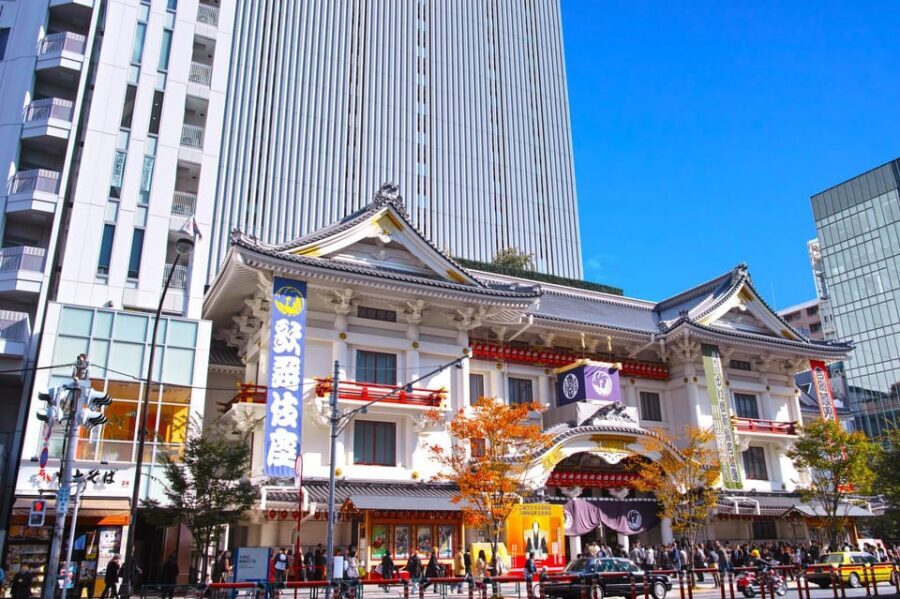
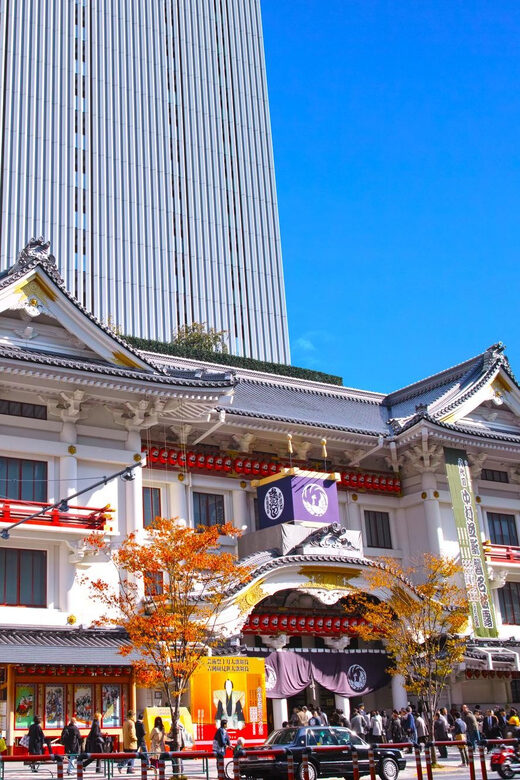
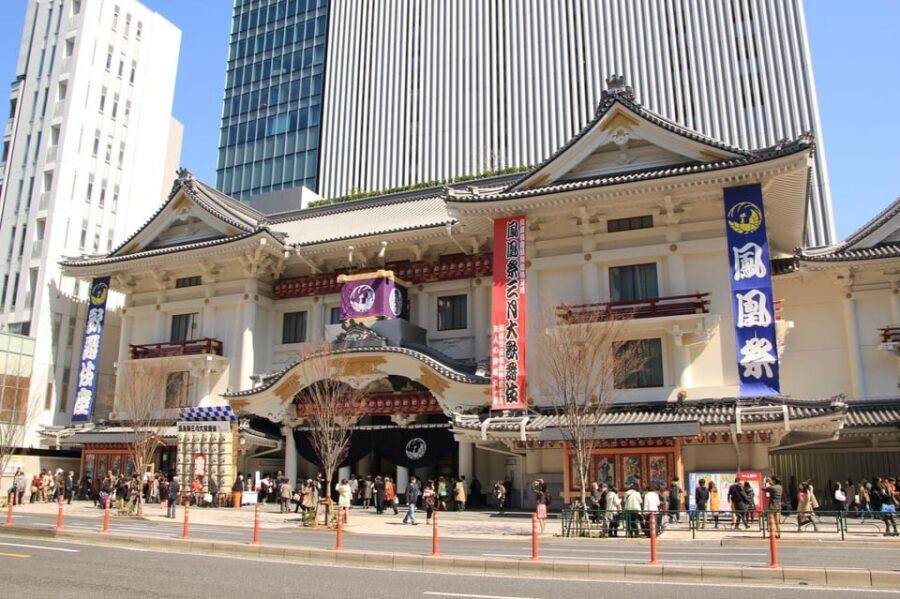
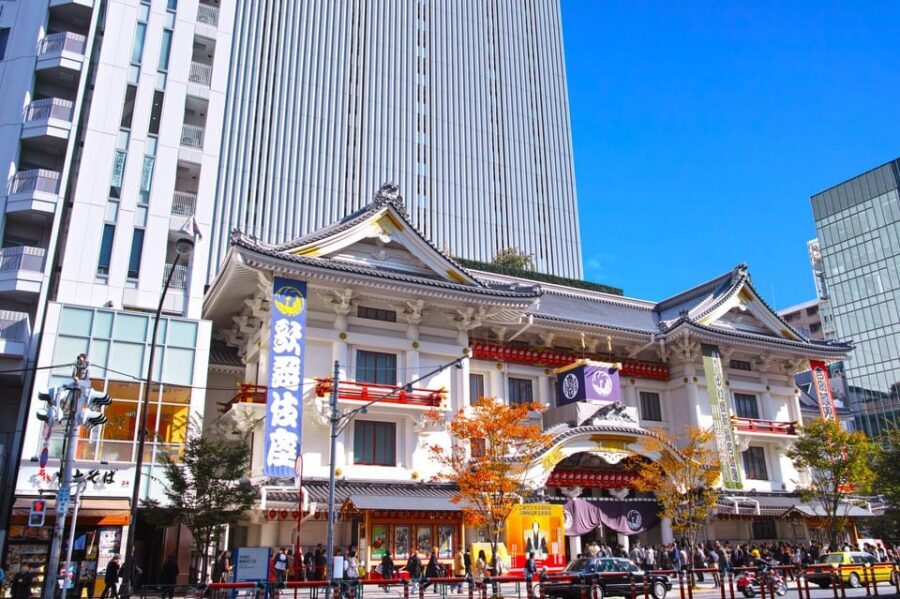
- Kabukiza Building + Gallery Exhibits: The Fastest Way In
- Kabukiza Souvenirs: Shopping With Real Purpose (and a Few Rules)
- A Shrine Connected to Kabuki Traditions
- Ginza’s Famous Clock Tower: A Scenic Break With Meaning
- What the 2-Hour Timeline Feels Like on the Ground
- Guide Quality: Small Group Size Makes a Big Difference
- Price and Value: Is $56 Worth It?
- Who This Tour Fits Best (and who might want a different plan)
- Should You Book This Kabuki Performing Ginza Walking Tour?
- FAQ
- How long is the Kabuki culture and Ginza walking tour?
- How much does the tour cost?
- Where do we meet for the tour?
- Is Kabuki viewing included?
- What’s included in the tour price?
- What language is the tour guide?
- How big is the group?
- Can I buy souvenirs during the tour?
- What stops should I expect besides Kabukiza?
- Is free cancellation available?
Key things you’ll notice on this Ginza Kabuki walk
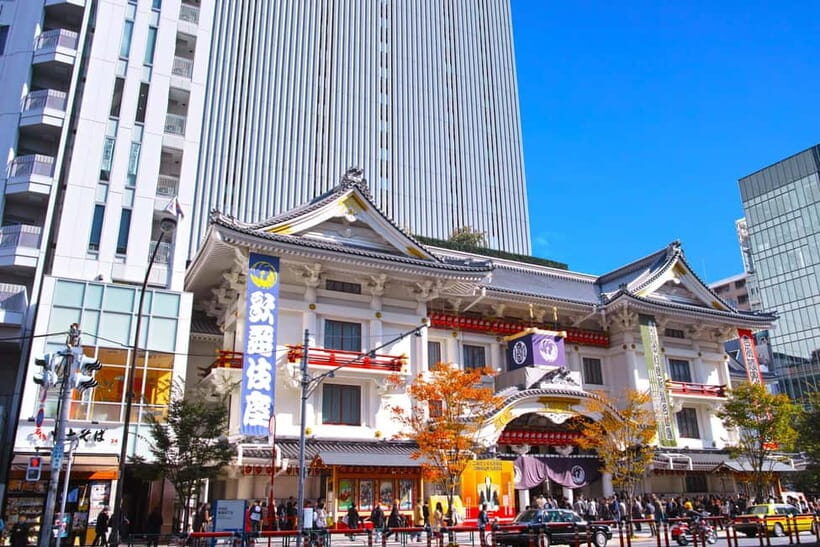
- Kabukiza theater in focus: You spend time looking around the Kabukiza building and its gallery.
- Kabukiza-only shopping: There are souvenir options you can’t easily find elsewhere.
- A shrine tied to Kabuki: You’ll add a spiritual-culture stop connected to Kabuki.
- Ginza sightseeing pair: You also visit a famous Ginza clock tower area.
- Small group, English guide: Limited to 9 participants, with live interpretation.
- No show ticket included: The experience is built around learning and sights, not sitting in a theater.
Getting Oriented at Nissan Crossing, Then Heading Straight for Kabukiza
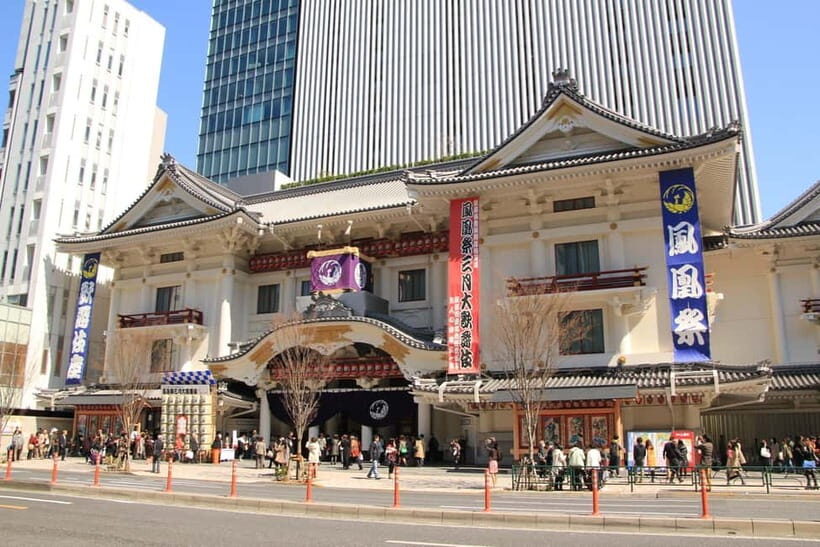
I like this tour’s start because it gets you anchored quickly. You meet in front of NISSAN CROSSING, which is a clear, easy waypoint in the Ginza area—useful when Tokyo street navigation is still new to you.
From there, the idea is simple: you’re not trying to win the marathon of Tokyo sightseeing. You’re going to one key theater landmark (Kabukiza) and then layering in a few nearby cultural sights that connect to Kabuki.
This matters because Ginza can feel like a big shopping grid. With a guide holding the thread, you don’t waste that 2-hour window guessing what’s worth your attention.
You can also read our reviews of more walking tours in Tokyo


Kabukiza Building + Gallery Exhibits: The Fastest Way In

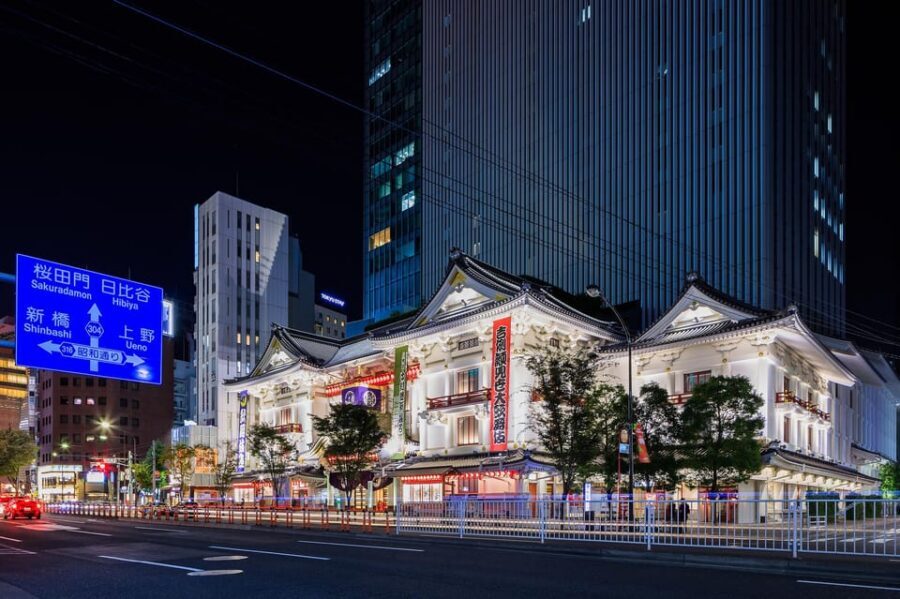
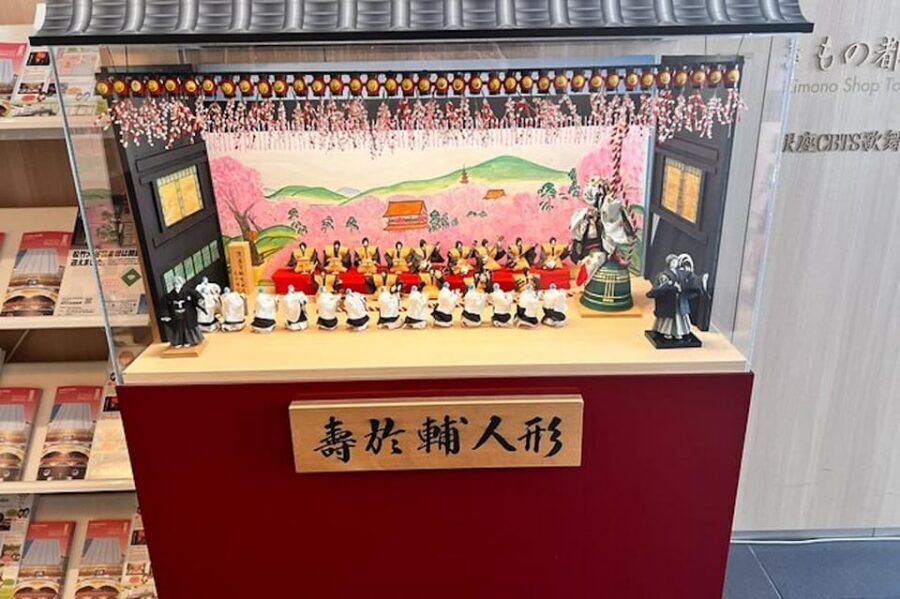
The heart of the experience is your time at Kabukiza. You’ll see the theater building and then spend time in the gallery where you can learn about Kabuki. This is a smart format if you’re in Tokyo for a short stay or you didn’t line up tickets for a performance.
Why I think this works: gallery exhibits give you a way to understand Kabuki as a world, not just as a single performance night. You get the chance to connect what you’re seeing on the street—this famous theater presence—with the bigger idea of traditional Japanese performing arts.
Also, you’re not alone in it. Having a live guide helps you pick up context you might otherwise miss, especially around what you’re looking at inside the Kabukiza exhibits. In one highlight from the experience, the tour includes time to see the gallery and learn directly while you’re there, which keeps the stop from feeling like a quick photo-op.
If you want one clear takeaway: this is a Kabuki primer built for limited time.
Kabukiza Souvenirs: Shopping With Real Purpose (and a Few Rules)
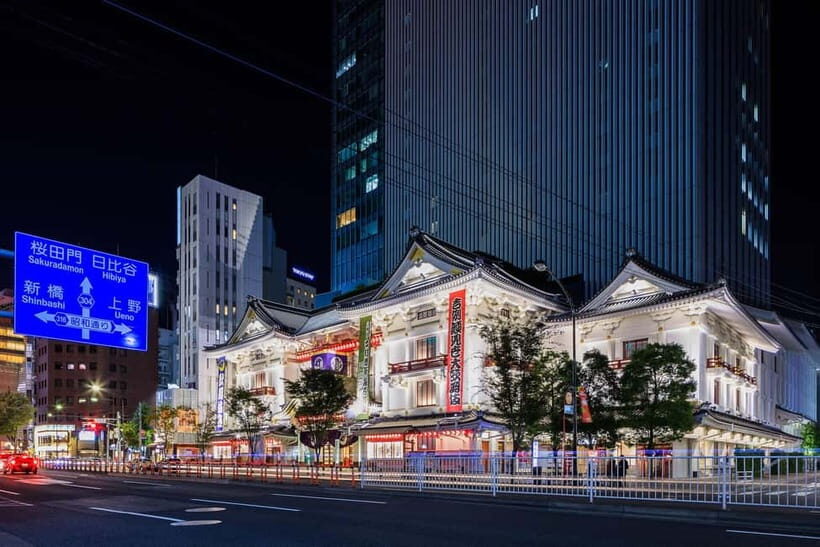
One of the best practical perks is the shopping angle—specifically, the chance to buy souvenirs only available at Kabukiza. That turns shopping from random strolling into a mission with a payoff.
Here’s how to think about value for your money. The tour costs $56 per person, and your guide isn’t selling items. But your time is being used to direct you toward stores in the Kabukiza area where the selection is tied to the theater. Since shopping cost isn’t included (it depends on what you buy), the tour is really paying for your access to the right places and the cultural context that makes the purchases feel connected, not impulsive.
One practical tip for your planning: if you care about specific Kabukiza goods, consider bringing some extra cash or card flexibility so you can move quickly once you see what you want.
And a quick expectation check: this tour isn’t just for souvenir hunters. It’s for anyone who wants to leave with tangible memories of the Kabuki world—even if those memories are small.
A Shrine Connected to Kabuki Traditions
Beyond Kabukiza, the tour adds a shrine associated with Kabuki, which changes the mood in a good way. After learning about theater culture indoors, you’re guided to a spiritual/cultural spot that links Kabuki to the wider traditions people recognize in Japan.
I like this kind of pairing because it stops the experience from becoming purely entertainment-themed. It’s still about Kabuki, but it’s framed through another lens: community tradition, ritual space, and cultural continuity.
What’s useful for you here is that you’re not trying to hunt for the right shrine on your own. You go with a guide who’s already connecting the dots between the theater world and nearby cultural landmarks.
Ginza’s Famous Clock Tower: A Scenic Break With Meaning
The other outside stop is a famous clock tower in Ginza. This is the kind of sight that helps you balance the tour: you get one structured cultural activity (Kabukiza), then one more cultural stop (the shrine), then a straightforward landmark in Ginza.
Even if you don’t go into deep detail about the clock tower itself, it’s helpful as a navigation and pacing tool. You’re likely walking through streets you might otherwise only partially notice. The guide’s route turns it into an organized loop you can actually remember.
And because the tour is only 2 hours, these stops need to work fast. A clock tower is a reliable way to mark progress, take a breather, and reset your brain after gallery time and shopping browsing.






What the 2-Hour Timeline Feels Like on the Ground
At 2 hours, this is built for efficiency. You’re not trying to do everything in Tokyo. You’re choosing one theater-centered experience and topping it with a couple of nearby sights tied to Kabuki and Ginza.
That time structure is ideal if:
- you want Kabuki culture but you didn’t book a performance seat
- you’re short on hours and need a focused plan
- you prefer small-group attention instead of a large crowd tour
It also means you won’t get a long, slow museum-style route. One consideration that came up is that people may want more insight into the ways of Kabuki. The tour seems designed for first impressions: enough to understand the world around Kabukiza, with guided explanation and time to see the key places.
My advice: come with a few questions in mind. Even simple ones like what you’re seeing in the gallery or what makes Kabukiza goods unique can help you squeeze more meaning out of the short format.
Guide Quality: Small Group Size Makes a Big Difference
This tour runs as a small group limited to 9 participants. That’s not just a comfort thing. It changes what your guide can do. You’re more likely to get attention when you’re looking at exhibit details or when you’re deciding what to buy at specific shops.
English is supported with a live tour guide, and a name that stood out is Fumei. A friendly, clear guide can turn an exhibit visit into an actual learning moment, instead of a quick walk-through.
If you want to feel confident asking questions during the walk, this group size helps. You won’t get lost in the shuffle.
Price and Value: Is $56 Worth It?
$56 per person sounds reasonable for Tokyo, but value depends on what you want.
You’re paying for:
- a live English guide
- entry into the Kabukiza gallery experience as part of the guided flow
- a short walk plan that includes Kabukiza, a Kabuki-linked shrine, and a Ginza clock tower
- structured time for Kabukiza-only souvenir shopping
You’re not paying for:
- Kabuki viewing (a key point)
- shopping purchases (those are separate and depend on what you buy)
So here’s how to decide: this tour is worth it if you want Kabuki context fast and you like the idea of leaving with theater-tied souvenirs. If your main goal is to watch a performance in the theater, you’ll need a different plan—because this experience is clearly not built around show tickets.
Who This Tour Fits Best (and who might want a different plan)
This experience is a great match if you:
- want to understand Kabuki basics without committing to a full performance night
- enjoy guided cultural stops over self-guided guesswork
- like Ginza sights but want them connected to a real theme
It may not be the best fit if you:
- are hoping for a full Kabuki viewing included in the price
- expect a very deep, long-form explanation of Kabuki performance details
- prefer to wander without any structure
The good news is the tour’s design is honest about the trade-off: you get guided access and key stops, but not a theater show ticket.
Should You Book This Kabuki Performing Ginza Walking Tour?
I’d book it if you want a short, organized Kabuki taste while you’re in Ginza. The combo of Kabukiza gallery learning, Kabukiza-only souvenirs, and cultural stops like a Kabuki-associated shrine gives you a lot of meaning for the time.
I’d skip or adjust expectations if you’re specifically chasing a full Kabuki performance. Since Kabuki viewing isn’t included, you’ll want to plan that separately.
If you’re the type of traveler who likes a theme-driven walk and appreciates a friendly small-group guide, this one is a smart, low-stress way to connect Ginza with Kabuki culture.
FAQ
How long is the Kabuki culture and Ginza walking tour?
The tour duration is 2 hours.
How much does the tour cost?
The price is $56 per person.
Where do we meet for the tour?
Meet in front of NISSAN CROSSING.
Is Kabuki viewing included?
No. Kabuki viewing is not included.
What’s included in the tour price?
A tour guide is included.
What language is the tour guide?
The tour guide speaks English.
How big is the group?
It’s a small group limited to 9 participants.
Can I buy souvenirs during the tour?
Yes. You’ll visit souvenir shops, and you can buy items like Kabukiza-only goods. Shopping costs are not included and depend on what you purchase.
What stops should I expect besides Kabukiza?
You’ll also stop at a shrine associated with Kabuki and at a famous clock tower in Ginza.
Is free cancellation available?
Yes, you can cancel up to 24 hours in advance for a full refund.