REVIEW · KURASHIKI
Kurashiki Full-Day Private Tour with Government-Licensed Guide
Book on Viator →Operated by Japan Guide Agency · Bookable on Viator
Kurashiki feels like a film set. I love the Bikan Historical Quarter for its canal atmosphere and preserved merchant-town feel, and I also like how this tour is run by a government-licensed English guide who keeps things efficient. One thing to plan for: you’ll still pay for several museum entries (not included), and it’s a walking tour, so good shoes matter.
This is a private, customizable day built around choosing 3–4 stops from a menu. Your guide meets you within a designated Kurashiki area on foot, and the whole pace works well when you want a calmer alternative to nearby, faster-moving cities.
In This Review
- Key Highlights You’ll Actually Care About
- Kurashiki’s Quiet-Time Machine: Bikan Canal Walk
- A Government-Licensed English Guide That Keeps You From Wandering
- Choosing Your 6-Hour Mix: 3–4 Stops, Not a Marathon
- Ohara Museum of Art: Western Art in a Canal-Side Setting
- Merchant-Era Kurashiki: Ohashi House as a Reality Check
- Ivy Square and Kurabo Memorial Hall: The Textile Story You Can Walk Through
- Kojima Jeans Street and Denim Street: When Fashion Meets Local Art History
- Museums That Add Play and Variety: Natural History and Momotarō
- Price and Value: What $152.82 Buys in Real Terms
- Who This Tour Fits Best (and Who Might Skip It)
- Practical Tips That Make the Day Smoother
- Should You Book This Kurashiki Private Tour?
- FAQ
- Is this a walking tour?
- How long is the Kurashiki private tour?
- Do I get to choose which sites to visit?
- Are museum and attraction entrance fees included?
- Is the guide English-speaking and licensed?
- How does pickup work?
- Can I buy entrance tickets on my own during the tour?
- Is this tour private?
- What’s the cancellation policy?
Key Highlights You’ll Actually Care About
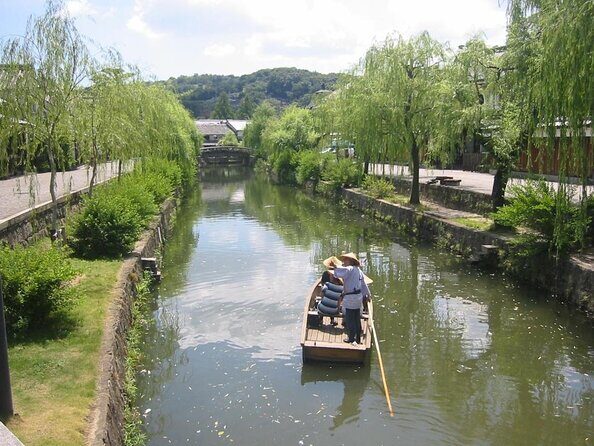
- Bikan canal quarter: A preserved slice of old Kurashiki with storehouse-and-port canal links
- Licensed English guide: Smooth explanations and practical routing in good English
- Smart 6-hour structure: Pick 3–4 sites so you don’t feel rushed or lost
- Ohara Museum of Art pair: Western art in the same neighborhood, plus the Torajiro Kojima memorial annex option
- Textile-era stops: Ivy Square and Kurabo Memorial Hall connect the dots between mills, merchants, and modern design
- Playful Kurashiki legends: Momotarō museum options add a fun reset from art and architecture
Kurashiki’s Quiet-Time Machine: Bikan Canal Walk
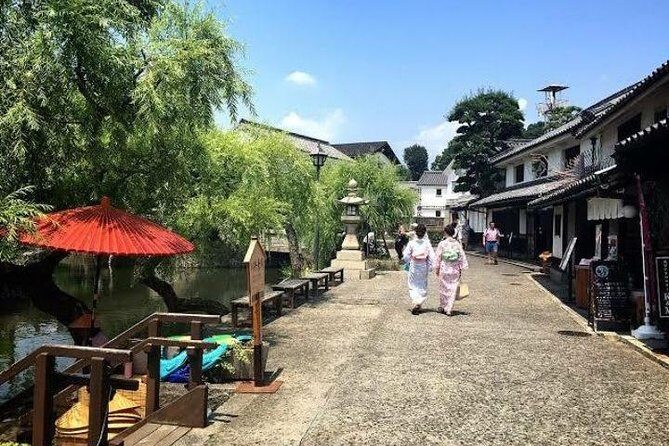
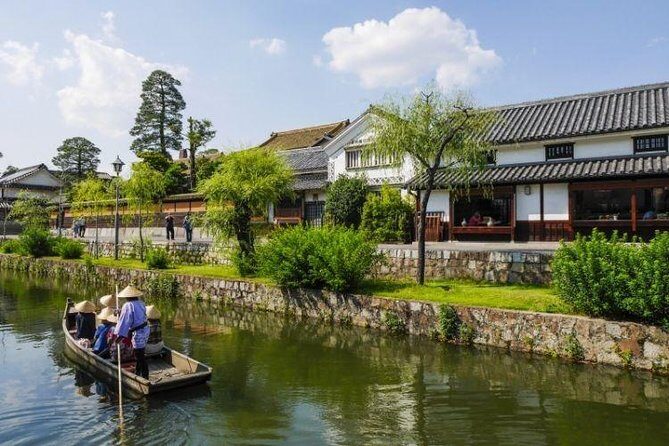
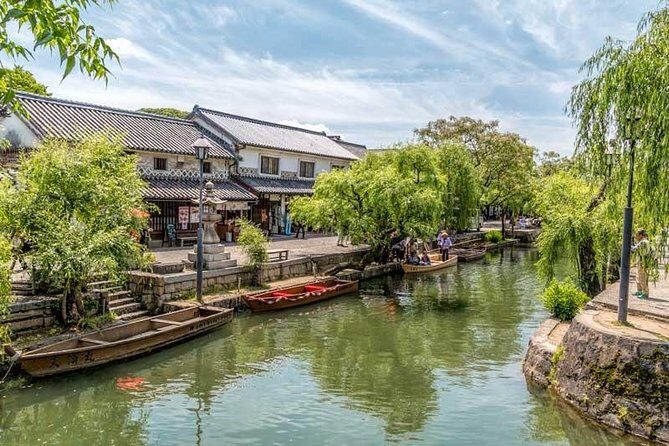
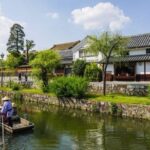
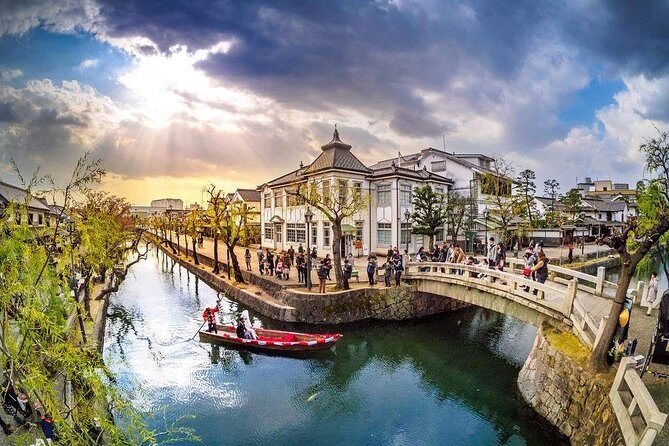
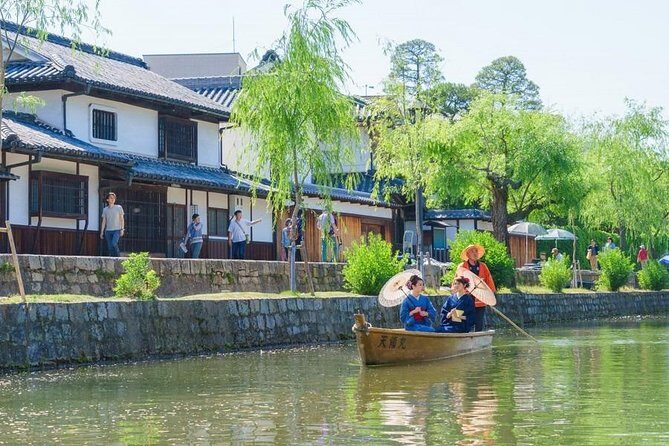
If you only do one part of Kurashiki, make it the Bikan Historical Quarter. The canal system here wasn’t decoration—it was built so boats and barges could move between the city’s storehouses and the port. That practical purpose explains why the whole area feels so logical on foot: you can sense how trade shaped the streets, warehouses, and everyday life.
I like the way Bikan doesn’t try to entertain you with modern distractions. It’s historic buildings, narrow lanes, and the canal-side atmosphere that makes you slow down without being forced to. If you’re the type who enjoys “watching the place work” (even when it’s not actively working now), this is the right kind of sightseeing.
The tour includes admission-free time here, so you can spend your money on the stops that charge. The only real catch is timing. If you’re hoping to do multiple museum entrances plus the canal walk, keep your priorities tight—otherwise the day can start to feel like you’re sprinting between doors.
You can also read our reviews of more guided tours in Kurashiki


A Government-Licensed English Guide That Keeps You From Wandering
This isn’t just a generic walking loop. The big value is the licensed local English guide, who helps you understand what you’re seeing without turning it into a lecture. In a place like Kurashiki—where the story is spread across buildings, water, and old trade infrastructure—that kind of guidance saves you from reading signs slowly and missing the connections.
Also, because it’s a private tour, your route can match your style:
- If you love art, you can anchor around the Ohara Museum area.
- If you’re more into architecture and merchants’ homes, you can tilt toward residences and industrial spaces.
- If you want a photo-heavy day, you can pick the streets and views that give you the best “Kurashiki feeling” per hour.
One practical note: pickup is offered, but it’s on foot. You’ll meet your guide within a designated area rather than being collected by a private vehicle. That’s fine—and honestly, it’s often better—because you start walking right away instead of burning time waiting and navigating.
Choosing Your 6-Hour Mix: 3–4 Stops, Not a Marathon
The tour is designed around customization. You select 3–4 sites from the list, and your guide builds a six-hour plan around them. That matters because Kurashiki isn’t huge, but it is layered. Try to cram all options in and you’ll lose the fun to transit time and line/entry timing.
A good strategy is pairing:
- One main atmosphere stop (Bikan) with
- One museum-heavy stop (Ohara or a themed museum) plus
- One textile or design stop (Ivy Square, Kurabo Memorial Hall, Jeans/Demnin lanes)
That gives you variety without the day turning into a checklist.
And if the weather shifts—rain in particular—factor in flexibility. One of the most useful things a good guide can do is keep your schedule reasonable instead of forcing you to march through bad conditions. Plan to dress for Japan weather and keep an umbrella handy.
Ohara Museum of Art: Western Art in a Canal-Side Setting
The Ohara Museum of Art is Japan’s first museum of Western art, which is exactly the kind of detail that makes a visit more meaningful than a generic “nice museum.” It’s a private museum with multiple buildings positioned right next to the canal area, so you get the museum-and-stroll combo in the same neighborhood.
In the same tour window, you can also add the Ohara Museum of Art Torajiro Kojima Memorial option. This is useful if you’re interested in how art style traveled and changed, especially since the Kojima-related stop connects to Western painting in Kurashiki’s creative story. Even if you’re not an art specialist, the museum setting helps you understand why Western-style art became part of local identity.
What’s not included: admission tickets for these Ohara stops. So if you’re cost-conscious, decide early whether you want one museum entry or two. For many people, one Ohara visit plus Bikan is the best “value per yen” mix.
Merchant-Era Kurashiki: Ohashi House as a Reality Check
The Ohashi House is a residence built in 1796 for the Ohashi family, from Kurashiki’s merchant class. This is where the tour’s architecture storytelling clicks. Instead of only looking at canal views and streetscapes, you get a stronger sense of how wealthy merchant families lived inside the machiya-style town house tradition.
This stop is especially worth it if you like the “before tourism” perspective—seeing how people actually arranged daily life. The drawback is simple: it’s time inside a paid/unpaid site depending on your pick, and it’s not a hands-on place. If you prefer movement over interior viewing, you can still appreciate it, but you may want to be selective about which indoor stop you add.
You can also read our reviews of more private tours in Kurashiki
Ivy Square and Kurabo Memorial Hall: The Textile Story You Can Walk Through
Kurashiki’s modern identity is tied to textiles, and two stops do a great job explaining that without making it feel like a textbook.
Kurashiki Ivy Square is built of brick buildings covered in ivy, and it includes museums, restaurants, and a hotel. The key historical point is that the site was home to the first modern cotton mill in Japan. You’re not just looking at pretty brick—this is an industrial legacy repurposed for today.
Admission is free for Ivy Square time, which helps you keep your budget under control. And the atmosphere makes it an easy break between heavier art or house visits.
Then there’s Kurabo Memorial Hall, focused on the Kurashiki Bosekijo spinning mill company history. It’s organized with five rooms spanning different time periods—from the company’s foundation in 1888 onward. If you enjoy “how did we get here?” stories, this stop gives structure to the textile theme.
Admission is not included for Kurabo Memorial Hall, so again: choose based on how many ticketed entries you want in your six hours. In my view, this is one of the best “pairing stops” with Ivy Square because they’re connected by theme, not just proximity.
Kojima Jeans Street and Denim Street: When Fashion Meets Local Art History
Kurashiki isn’t only old canals. It also has a design-and-crafts side, and the Kojima area is where that shows up.
Kojima Jeans Street is dedicated to Torajiro Kojima (1881–1929), a painter known for working in a Western style. The stop includes his works and also references his own collection, which includes Egyptian and Islamic art. That mix is a big part of why this area feels more thoughtful than a typical shopping street—it has an art-historical spine.
Then Kurashiki Denim Street brings you into the more everyday lane vibe. Okayama has been Japan’s denim capital since the 1970s, and Kurashiki’s textile heritage is shown through vintage-styled denim and brands. This is a great add-on if you like browsing and picking up one special item rather than doing lots of small stops.
One consideration: these denim lanes are most fun if you actually want to look at products. If you’re not shopping, you may still enjoy the atmosphere, but the value is higher when you’re open to browsing.
Museums That Add Play and Variety: Natural History and Momotarō
To keep a day from feeling too serious, Kurashiki has options that shift the mood without leaving the area.
Kurashiki Museum of Natural History is housed in an attractive complex of rice warehouses dating from the late 18th century. That building alone is a strong reason to go. Inside, you can expect exhibits of household items from across Japan, including ceramics and glassware (and more beyond that). If you like “objects and everyday life” more than big grand galleries, this one hits a sweet spot.
Admission is not included, so it’s another ticket decision. If you’re selecting only one museum entrance beyond Ohara, this is often a smart alternative.
For a lighter, fun stop, consider Momotarou-no-Karakuri-Hakubutsukan. It’s part gallery and part fun-house, centered on the local legend Momotarō. You’ll see memorabilia, toys, and depictions of the peach boy across time. On the ground floor, there’s also a collection of amusement-related items. This is the kind of stop that breaks up the adult-only vibe and can be surprisingly memorable even if you’re not a “legend person.”
Price and Value: What $152.82 Buys in Real Terms
At $152.82 per person for a private, about-6-hour experience, the value depends on how you plan your 3–4 site choices.
Here’s the simple way to think about it:
- You’re paying for the licensed guide and a private route built around your choices.
- Some key stops are free (like Bikan and Ivy Square), which helps offset ticket costs.
- Several other listed sights have admissions not included, meaning your final spend will depend on what you add.
The tour is also described as having group discounts. That matters if you’re traveling with 2–4 people—often the per-person cost becomes easier to justify when you split the private-guide value. Still, because the tour is private and time-based, don’t treat it like a cheap public tour; treat it like time-and-translation insurance.
And because transport fees and lunch aren’t included, I suggest you budget:
- entrance fees for your selected ticketed museums
- lunch on your own
- any local transit you might need before/after your meeting area
Who This Tour Fits Best (and Who Might Skip It)
This experience works best if you want:
- a calmer Kurashiki day with a guide handling the “what matters” parts
- flexible stop selection instead of being locked into a fixed route
- a walking-focused overview that makes the city feel coherent
It’s especially well-suited as a post-Osaka reset. Kurashiki’s quieter pace gives your feet and brain a break. If you love canals, merchant-town architecture, textile history, and a little playful legend, you’ll feel like you’re seeing the real Kurashiki personality.
You might hesitate if you:
- dislike walking (this is a walking tour)
- want zero extra ticket payments beyond the base price
- only care about shopping and want a pure retail day
Practical Tips That Make the Day Smoother
A few small choices can make the difference between a fun walk and a sore-foot day:
- Wear comfortable walking shoes. The tour is designed for feet-on-ground sightseeing.
- Pick a theme for your day before you book: art, industry, design, or a mix.
- If you’re sensitive to weather, plan your “must-see” indoor stop as a second anchor, not your only one.
- Have a rough lunch plan. Lunch isn’t included, so decide in advance how you’ll handle it.
Your guide will help you keep the day logical, but your own preferences drive the best results. Decide what you’d regret missing, then build everything else around that.
Should You Book This Kurashiki Private Tour?
I’d book it if you want a high-efficiency, English-friendly way to understand Kurashiki instead of just taking photos and hoping the story clicks later. The licensed guide factor and the ability to choose 3–4 stops make it a strong fit for visitors who want both atmosphere and context.
I wouldn’t book it if you’re strictly budget-only and hate paying separate museum admissions, because several of the strongest options are ticketed. Also skip it if you don’t like walking or you want a car-based tour that avoids any foot time.
If you fall somewhere in the middle—curious, time-limited, and willing to pay for a guide to make the day meaningful—this is a solid Kurashiki day.
FAQ
Is this a walking tour?
Yes. It’s described as a walking tour, with the meeting/pickup on foot within a designated Kurashiki area.
How long is the Kurashiki private tour?
It runs about 6 hours.
Do I get to choose which sites to visit?
Yes. You customize your itinerary by selecting 3–4 sites from the provided options.
Are museum and attraction entrance fees included?
Not for all sites. Some stops are free, but admissions for several locations are not included.
Is the guide English-speaking and licensed?
Yes. The tour includes a licensed local English-speaking guide.
How does pickup work?
Pickup is offered, but you meet the guide on foot within a designated meeting area in Kurashiki rather than using a private vehicle.
Can I buy entrance tickets on my own during the tour?
The tour notes that entrance fees are not included, so you should plan to pay any required admissions yourself for the sites you choose.
Is this tour private?
Yes. It’s a private tour/activity with only your group participating, and multiple groups can’t be combined.
What’s the cancellation policy?
You can cancel for a full refund up to 24 hours before the experience starts. If you cancel less than 24 hours before, the amount paid is not refunded.