REVIEW · KURASHIKI
Kurashiki History and Culture Guided Cycling Tour
Book on Viator →Operated by TAKAHASHIGAWA TRAVEL · Bookable on Viator
400-year-old streets meet a real bike ride. I love how the guide connects the Kurashiki Bikan Historical Quarter to the city’s water story, then sends you upstream toward the Sakazu Reservoir using details like underground ankyo culverts and the canal-era Takasebune boats. The biggest standout for me is the Sakazuyaki Kamamoto workshop visit, where you spend time with potter Kensaku Okamoto. One drawback to plan for: it’s still cycling with a moderate fitness level, and children are recommended at 140 cm or taller.
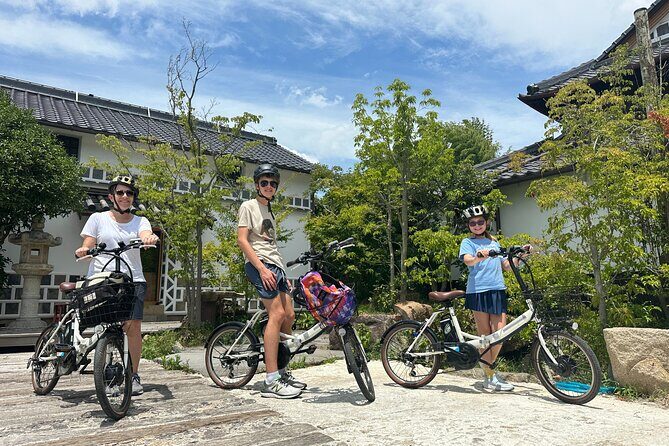
Shota (Shota Oura) runs the tour with patient, clear explanations and a calm pace. With a maximum of three travelers, it never feels crowded, and even in tough summer heat he keeps things workable by offering alternatives when needed. You’ll also appreciate that the rental setup makes it easier to move as a group without slowing down.
At about $53.65 per person, the value comes from what’s included: a rental bicycle and insurance, plus a mobile ticket for smoother check-in. Food isn’t included, so budget for a cafe lunch stop along the way and keep snacks/water in your bag.
In This Review
- Key things I’d bet on before you go
- Kurashiki Bikan first: the quarter where the past feels close
- The upstream ride: from Takasebune-style canals to the ankyo culvert
- Sakazu Reservoir: the brief stop that ties water to daily life
- Sakazuyaki Kamamoto and potter Kensaku Okamoto: the highlight stop
- Bike comfort and pacing: small group means you actually get time
- Price and value: what your $53.65 actually buys
- Logistics that matter: where to meet and how to plan your timing
- Who should book this cycling tour (and who should skip it)
- Should you book this Kurashiki History and Culture Guided Cycling Tour?
- FAQ
- FAQ
- How long is the Kurashiki History and Culture Guided Cycling Tour?
- What does the tour include for the price?
- Is food included?
- Are there admissions fees for the stops?
- Is the tour suitable for children?
- What’s the group size?
Key things I’d bet on before you go
- Kurashiki Bikan’s water history, explained on foot: you start with the historic quarter, then carry those clues to the river system.
- The “invisible river” concept you can actually picture: you’ll learn how parts of the Kurashiki River flow underground through an ankyo culvert.
- A practical upstream ride toward Sakazu: the destination is about 3 km away, with meaningful stops along the route.
- Sakazuyaki Kamamoto pottery with Kensaku Okamoto: a short, real workshop visit tied to Kurashiki’s past industries.
- Small-group pacing with Shota Oura: not rushed, with room for questions when the weather turns.
- Cycling that works for families who meet the height guideline: children 140 cm or taller are recommended, and the ride is planned for manageable participation.
Kurashiki Bikan first: the quarter where the past feels close
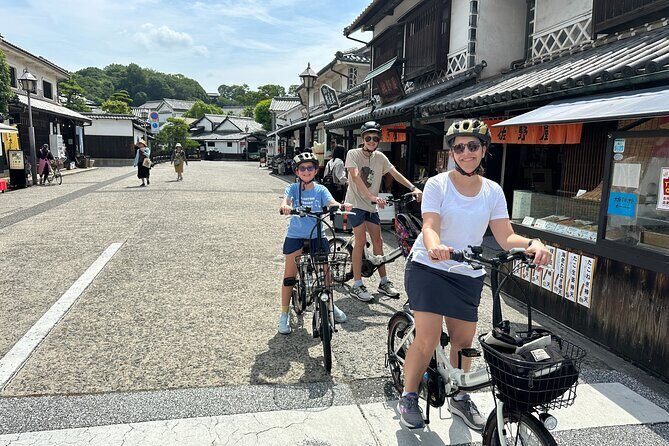
Kurashiki’s Bikan Historical Quarter is famous for holding onto its look from around 400 years ago, but what makes this tour special is how you’re guided to read it. Instead of just taking photos of old streets, you’re given the story thread that connects buildings, the river system, and how people moved goods and water in earlier centuries.
The walking portion is about 45 minutes and includes a free admission stop, so you’re not burning time on ticket lines. This start matters because it sets your mental map. You learn what to watch for, like how the city’s water once worked like a wide canal. Once you get on the bike, those same ideas suddenly make the route feel logical, not random.
The real win here is context. Kurashiki can look like “pretty old town” to a casual passerby. On this tour, the guide keeps steering you back to why the river mattered—how it shaped transportation, industry, and even entertainment districts that used to sit along the waterways.
A small caution: the tour begins with walking, so wear comfortable shoes even if you’re mainly coming for the cycling. It’s not a long hike, but you want your feet happy.
You can also read our reviews of more tours and experiences in Kurashiki.

The upstream ride: from Takasebune-style canals to the ankyo culvert
After the Bikan quarter, you move onto bicycles and ride upstream along the Kurashiki River and irrigation canals. The destination, the Sakazu Reservoir, is about 3 kilometers away. That distance is short enough to feel like a tour ride, not a workout mission, but it still takes steady focus and a moderate fitness level.
What I like about the route description is that it doesn’t treat the river like a background feature. The Kurashiki River used to resemble a canal, with a wide riverbed where Takasebune boats traveled back and forth. Today, part of the waterway flows underground as a culvert known as ankyo. Those are the kinds of details that can sound abstract—until a guide points out what changed and why.
Along the way, you pass sites connected to daily life and local economics: places that once functioned as entertainment districts, areas that highlight Kurashiki as a transportation hub, and spots where spinning mills once stood. Even when nothing looks dramatic, the guide’s explanations help you see the patterns: water routes and industry tend to appear in the same places, decade after decade.
Also, you’ll notice how cycling changes your pacing. On foot, you stop constantly. By bike, you can cover ground while still stopping when it matters. That combination is great for travelers who want more than a museum-and-market itinerary but don’t want the stress of navigating on your own in a new city.
Practical tip: bring a bottle of water and take it easy at turns and crossings. Since the ride follows historic waterways and canal-like routes, you’ll be transitioning between streets and pathways, and it’s worth staying alert rather than trying to look cool and fast.
Sakazu Reservoir: the brief stop that ties water to daily life
You’ll reach the Sakazu Reservoir and spend around 15 minutes there. This stop is short by design, but it works like a payoff. After learning about how water used to move openly and how portions now run underground, you get a tangible reference point: a reservoir tied into the irrigation network.
Think of it as a “why you’re cycling” moment. Kurashiki’s water system isn’t just a fun trivia topic. It’s part of how the region fed itself, powered certain activities, and supported the kind of city growth that made Kurashiki a transportation hub.
The reservation stop also helps you break up the ride mentally. Even if you’re not someone who loves reservoirs, you’re there with a purpose: to connect the past descriptions to a visible piece of the present landscape.
If you’re visiting in hotter months, plan to use your 15 minutes wisely. Don’t rush the stop—stand where you can feel the breeze, and take a quick break before continuing.
Sakazuyaki Kamamoto and potter Kensaku Okamoto: the highlight stop
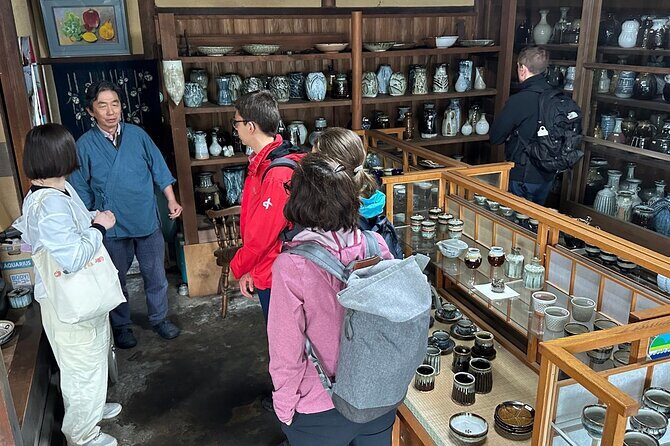
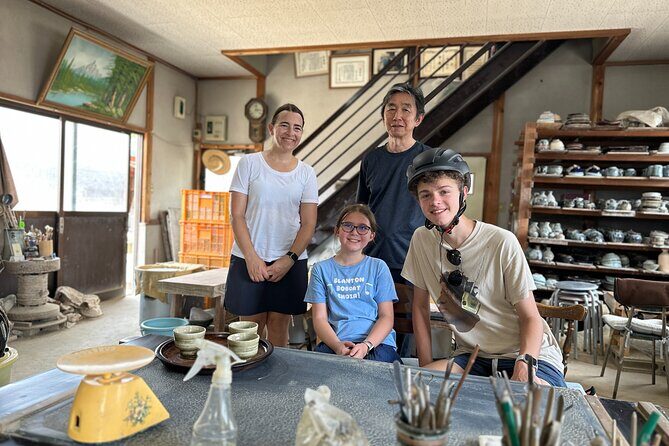
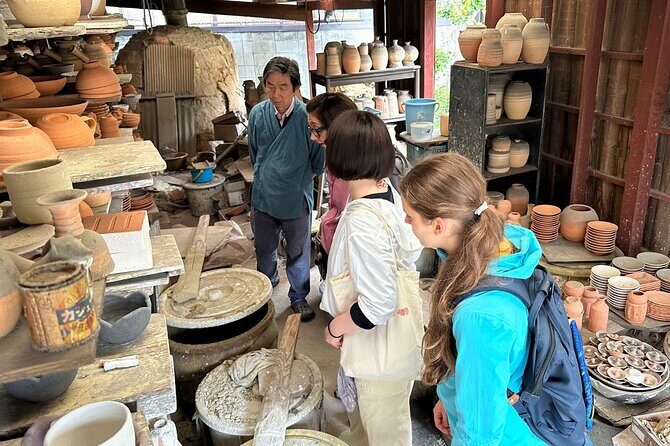
One of the biggest reasons to choose this tour is the pottery workshop visit at Sakazuyaki Kamamoto. The workshop stop takes about 20 minutes, and it’s centered on potter Kensaku Okamoto. This is not a long shopping detour, and it’s not just a photo op in front of a kiln.
What makes it feel worthwhile is the way it connects to the broader story of Kurashiki. You’re learning about a region shaped by water systems and industry. Pottery fits naturally into that. Clay, firing, making—these are practical crafts that have always relied on time, tools, and a steady rhythm. Even in a short visit, you can often tell when a guide is helping you notice what a studio does and why it matters.
Lunch happens before this workshop visit at a cafe stop, but food and drinks are not included. So treat this as a “pay attention to the craft” segment, not a meal segment. Budget for lunch, and consider bringing a light snack too if you get hungry faster while cycling.
If you’re traveling with kids, this stop tends to hold attention because it’s hands-on in spirit even when you’re mostly watching and listening. The ride is designed to be family-friendly for those who meet the height guideline, and the workshop adds a calmer, more interactive-feeling break from road motion.
Bike comfort and pacing: small group means you actually get time
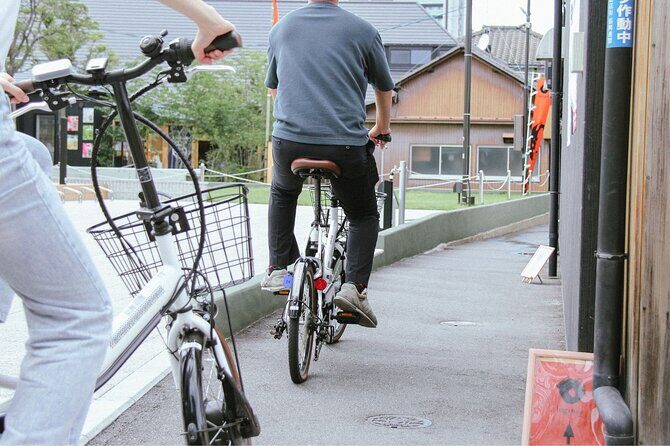
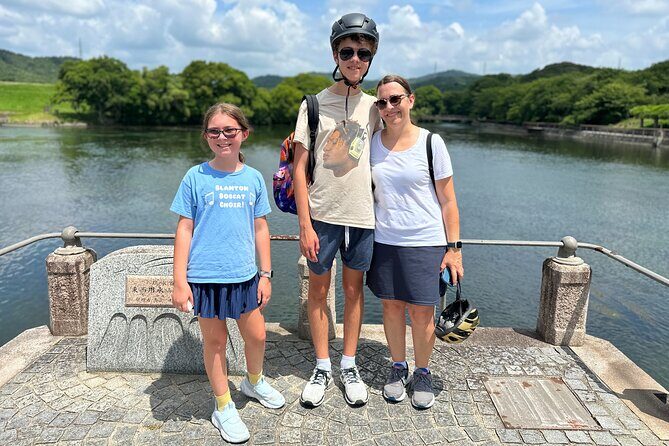
This is a group experience with a maximum of three travelers. That small size changes the entire feel of a tour. You’re not trying to hear over ten people, and the guide can adjust the pace when someone needs a breather. If you like asking questions—about the river, the old industries, or what you’re looking at—this format gives you room to do it.
Shota Oura is repeatedly praised for being patient and informative, and that matters because history talk can sometimes turn into a blur. Here, explanations land in a clear sequence that follows what you’re physically passing. It also helps that the tour doesn’t feel rushed. In about 3 hours 45 minutes total, you cover the historic quarter, ride to Sakazu, and visit the workshop without the frantic “go go go” energy.
Bike comfort is another real factor. The tour uses bicycles, and people specifically note that e-bike options (when used) can make the ride a lot more comfortable, especially in warm weather. Even if you don’t choose an e-bike, the planning still aims for a manageable cycling experience by keeping the overall distance short and the stops meaningful.
A key consideration: moderate fitness level is required. That doesn’t mean you need to be a cyclist. It does mean you should be able to ride for stretches, handle transitions, and not expect the guide to stop every minute.
You can also read our reviews of more guided tours in Kurashiki

Price and value: what your $53.65 actually buys
At $53.65 per person, the price looks reasonable once you break down the included parts. You get:
- a rental bicycle
- insurance premium
- guided time with Shota Oura
- free admission at the key stops
- a mobile ticket
Those components add up fast if you try to assemble them yourself. The guide is also doing the heavy lifting: translating the river’s past into something you can track visually and physically during the ride.
What isn’t included is also clear: food and drinks at the cafe. So plan to pay for lunch yourself. If you’re sensitive to hunger during tours, add a small snack strategy so you don’t feel stuck waiting for the cafe.
Group discounts are listed as a feature too. With a small maximum group size, a discount can make the overall cost feel even better if you’re booking with a travel partner.
Overall, this tour offers value for travelers who want more than a quick stroll through old streets. You’re paying for interpretation plus movement—walking to set context, cycling to follow the water story, and pottery to end on a human craft note.
Logistics that matter: where to meet and how to plan your timing

The meeting point is in Kurashiki: 2-chōme-6-1 Chūō, Kurashiki, Okayama 710-0046, Japan. The tour ends at TAKAHASHIGAWA TRAVEL (高梁川トラベル) in Kurashiki (Achi, 2-chōme 209). It’s near public transportation, so you should be able to reach it without a car.
You also get a mobile ticket, which helps if you’re already juggling other reservations and transport plans. Keep your phone charged and screen brightness up just in case you need to show something right away.
The tour confirmation happens within 48 hours of booking, subject to availability. So if your schedule is tight, don’t wait until the last minute.
Timing is fairly compact: about 3 hours 45 minutes total. That makes it a smart choice for a day when you want one guided anchor activity but still have time afterward to explore on your own.
And yes, cancellation is free up to 24 hours in advance for a full refund. It’s comforting if you’re watching weather, but you still shouldn’t count on changing plans at the last minute.
Who should book this cycling tour (and who should skip it)
This tour is a great fit if you:
- like history when it connects to real streets and real infrastructure
- want to see Kurashiki beyond the most obvious postcard angles
- enjoy guided interpretation instead of solo wandering
- travel with kids who are at least 140 cm tall and can handle a short cycling ride
You might want to skip it if you:
- don’t want to cycle at all (even though the distance is short)
- prefer only major landmarks with no craft-studio time
- have very limited stamina for moderate physical activity
If you’re the type who likes to understand how a city works—how water, transport, industry, and crafts connect—this tour delivers that feeling fast.
Should you book this Kurashiki History and Culture Guided Cycling Tour?
If you want a Kurashiki experience that goes beyond the surface and still feels easy to manage, I’d book it. The combination is strong: a focused start in the Kurashiki Bikan Historical Quarter, a meaningful upstream ride that explains the invisible river through ankyo, and a short workshop visit with potter Kensaku Okamoto at Sakazuyaki Kamamoto.
The only real decision factor is whether you’re comfortable with cycling for a few kilometers at a moderate fitness level, plus a bit of walking at the beginning. If that’s within your range, this tour is a practical way to get authentic Kurashiki texture in one afternoon.
FAQ
FAQ
How long is the Kurashiki History and Culture Guided Cycling Tour?
The tour lasts about 3 hours and 45 minutes.
What does the tour include for the price?
It includes a rental bicycle and an insurance premium.
Is food included?
No. Food and drinks at the cafe are not included.
Are there admissions fees for the stops?
The tour information lists the key stop admissions as free.
Is the tour suitable for children?
Children are welcome, but it is recommended that they be 140 cm or taller.
What’s the group size?
The tour has a maximum of 3 travelers.