Kyoto feels different with a local pace. This private 7-hour walking tour maps the city around your interests, with a guide who can read the day and adjust on the fly. I also like that the experience is built for real conversation, not a rigid checklist, and Masaya’s fluent, confident English makes the cultural details easy to follow.
What I really enjoyed is the personal customization. Before you go, you answer a short questionnaire and your host reaches out directly to shape the route—whether you’re into history, food, shrines, or just getting out of the crowd stream. That same “your day, your pace” feeling shows up in how long you spend in each area and when you start.
One consideration: it’s a walking-first tour, and food, drinks, and attraction tickets aren’t included. If you’re hoping for a vehicle ride between every stop or you want everything handled end-to-end, you’ll need to plan a bit more yourself.
In This Review
- Key things to know before you go
- A private Kyoto day that adjusts to your interests
- Sanjo-ohashi Bridge and the Kamo River: more than a pretty view
- Machiya lanes, teahouses, and geiko traditions on Kyoto’s east side
- A Shinto shrine with lanterns and purification rituals
- A public garden break when cherry blossoms season shows up
- Cobblestone alleys, ryokan-lined streets, and Kyoto’s quiet charm
- What Masaya (and a good host) adds beyond sightseeing
- Walking logistics: hotel pickup, transfers, and keeping your feet happy
- Price and value: is $251.52 worth it for 7 hours?
- Should you book this Kyoto private 7-hour tour?
- FAQ
- How long is the Kyoto private tour?
- Is this a private tour?
- Where does the tour start?
- Is pickup available?
- Is the tour walking-only?
- Do I need to pay for food or drinks during the tour?
- Are attraction tickets included?
- Will I need to pay for transportation between stops?
- How is the itinerary customized?
- Can I cancel for free?
Key things to know before you go
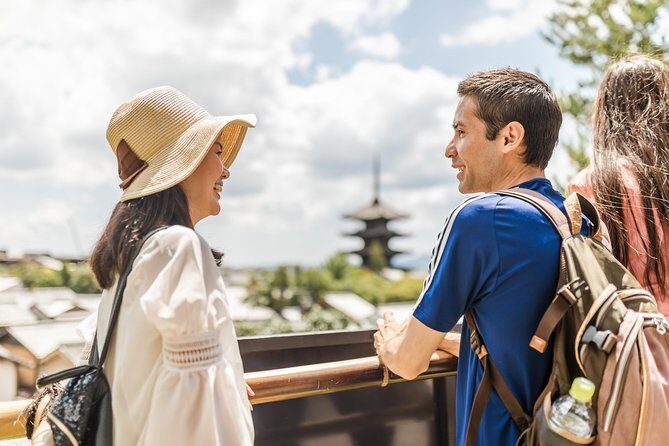
- Your itinerary starts with a questionnaire so the route is tailored to you, not a generic Kyoto script
- Flexible pacing and start times help you fit the day to your energy and interests
- Edo-era connections come up naturally at the Kamo River crossing
- Shrines and neighborhood lanes mix iconic sights with quieter, off-main-street paths
- Most transfers are on foot, with public transport or taxi only if needed
- A private group only you goes together, so the guide can focus and talk without rushing
A private Kyoto day that adjusts to your interests
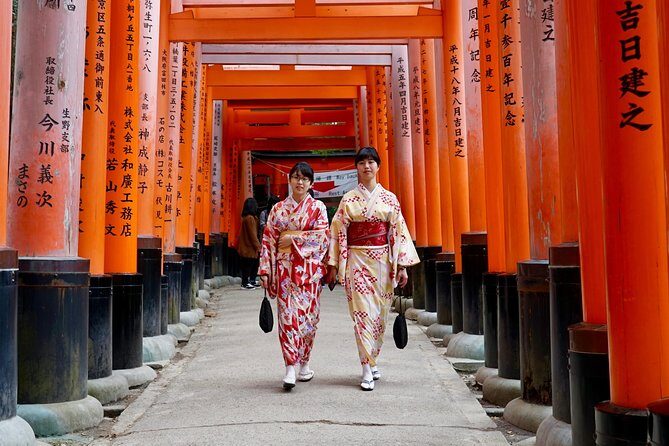
The big idea here is simple: you don’t follow a pre-set loop of temples with the same timing as everyone else. You and your host plan a route based on your interests, your personality, and what you want to feel by the end of the day. That matters in Kyoto, where the most memorable moments are often the small turns—the back streets, the pause at the right angle, the quiet pocket you didn’t know existed.
I like that this tour is explicitly private. It’s not about being surrounded by strangers while you try to overhear facts. Instead, you get a local perspective through conversation and context, with room to ask why something looks the way it does, or how a place fits into the city’s daily life.
The other value point is the flexibility. You’re walking for about seven hours, so you’ll naturally discover what you want more of: a neighborhood atmosphere, a deeper explanation of a shrine, or extra time for photos. A good guide doesn’t force you through time slots. Here, your host can shift durations as you explore.
The experience also leans practical: it includes hotel pickup can be arranged from centrally located hotels, but it’s still a walking format. That means you’re not trapped waiting for a car schedule, and you’re not spending most of your day watching traffic. For many people, that’s where the Kyoto magic comes from.
You can also read our reviews of more private tours in Kyoto
Sanjo-ohashi Bridge and the Kamo River: more than a pretty view
Many Kyoto tours toss you at the river and call it a day. This one starts you where the city’s history and geography meet: the Kamo River crossing near Sanjo-ohashi Bridge, starting from Starbucks Coffee at the bridge area (Kyoto Sanjo-ohashi Bridge, Nakagyo Ward).
You’re not just looking at a landmark. Your host may explain how this crossing relates to travel patterns from the Edo period and its connection to the old Tokaido Road. Even if you don’t know Japanese history going in, that kind of context helps everything you see later click into place. Why do certain areas feel like they connect to each other? Why do streets follow older routes? The guide can make those links feel obvious rather than academic.
The river setting also works as a warm-up. It’s a good first stop because it gives you a calm starting point before you move into denser neighborhoods. You can get your bearings fast and settle into your guide’s pace early.
Machiya lanes, teahouses, and geiko traditions on Kyoto’s east side
After the river area, the route is designed to move into one of Kyoto’s most atmospheric zones: a neighborhood known for machiya townhouses, quiet stone alleys, and traditional teahouses. Your host can guide you through lesser-known paths rather than steering you only to the most photographed stretch.
Here’s what makes this type of stop worth your time: the atmosphere isn’t just scenery. It’s the lived-in structure of the neighborhood—the wooden facades, the narrow lanes, the way doors and walls create small corridors of privacy. A local guide can point out what to notice and what to ignore, so you don’t spend the day chasing photo angles that don’t tell you anything.
You may also learn about geiko traditions, with explanations that can be grounded in how the culture works rather than a tourist trivia quiz. The benefit of having a private guide is that you can ask follow-up questions as you walk. In a group tour, those questions often get swallowed by the schedule.
One practical note: stone alleys and narrow lanes can be uneven in places. If you have mobility concerns, tell your host early. Since this is a private experience, the route can likely flex around what feels comfortable.
A Shinto shrine with lanterns and purification rituals
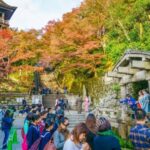
Next up is a Shinto shrine open to all and known for bright lanterns and seasonal festival energy. This is a great stop for learning how Kyoto’s religious life blends with everyday movement—people visit because it’s part of the city’s rhythm, not because it’s a distant museum piece.
Your host may demonstrate purification rituals and can take you through tranquil sub-shrines within the shrine complex. That’s a meaningful way to slow down. Instead of rushing from sign to sign, you understand the steps and what they symbolize.
There’s also a social benefit here. Shrines are calmer than busy shopping streets, so it’s an ideal moment for your guide to talk more at a human pace. You can absorb details without constantly scanning for where you’re supposed to go next.
If you’re the kind of person who likes to understand how a place is used, not just how it looks, this stop is built for you. And because it’s private, you’re not pushed through it at the speed of a group.
A public garden break when cherry blossoms season shows up
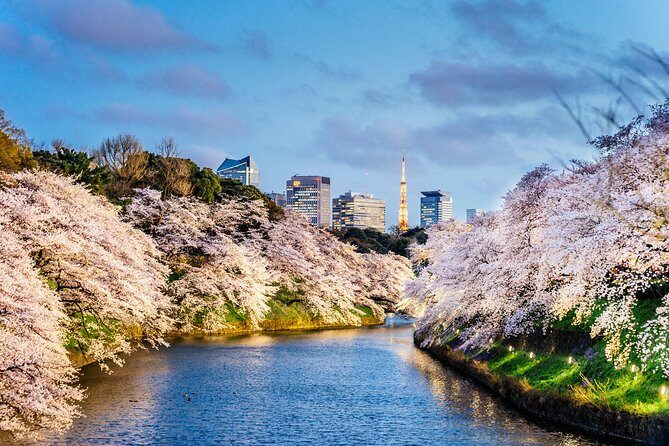
After the shrine, the tour includes a spacious public garden beloved by locals, especially during cherry blossom season. The garden setup—tree-lined walkways, reflective ponds, and shaded benches—makes it a perfect break in the day.
I love garden pauses on walking tours because they reset your brain. After time in alleys and shrine paths, you’re ready for open space and slower sightlines. This stop also gives you a natural chance to get water, sit down for a few minutes, and watch how the space feels in use by locals.
The garden is also a good snack break option. The experience doesn’t include food or drinks, so you’ll likely plan your own timing. But the layout makes it easier to grab something and then actually enjoy it rather than eating on the move.
If you’re visiting outside cherry blossom months, you’ll still get the value of shade, ponds, and quiet pathways—just with different seasonal colors. Either way, it’s a nice rhythm shift.






Cobblestone alleys, ryokan-lined streets, and Kyoto’s quiet charm
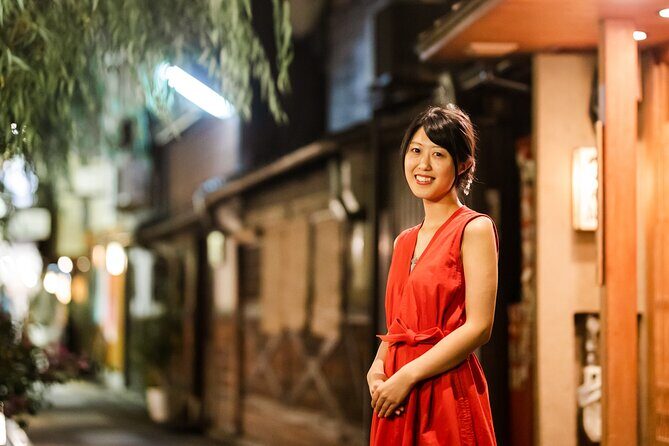
The last stretch leans into Kyoto’s old-world texture: a beautifully preserved cobblestone alley in central Kyoto, lined with traditional ryokan and secluded gardens.
This kind of lane is where Kyoto often feels most specific. The cobbles create a different walking sound and pace. The buildings look more intentional up close. And the secluded gardens behind quiet walls make you realize how much of Kyoto’s charm is designed to be seen gradually.
Your host can help you interpret what you’re seeing—like why the ryokan presence matters in understanding the neighborhood’s culture of hospitality. Even if you never step inside, seeing how the street supports that environment gives you a deeper read than you’d get from a single exterior photo.
Drawback to keep in mind: if it’s rainy, cobblestones can be slippery. Comfortable shoes matter even more in bad weather. Since you’re on foot for most of the day, you’ll feel that weather quickly in your ankles.
What Masaya (and a good host) adds beyond sightseeing
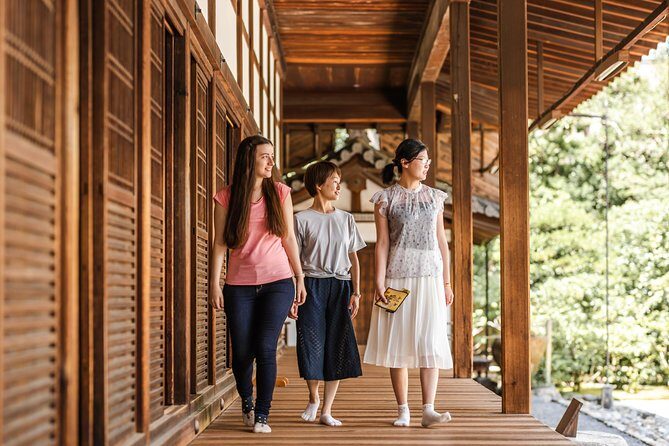
The strongest signal from the experience feedback is the guide effect. Masaya’s personalized approach is highlighted as making the day feel truly special, not just informative. The other repeated theme: deep knowledge expressed in clear, fluent English.
That combination matters. Kyoto is full of details that are easy to miss if you don’t have someone to interpret them. For example, the connection between the river crossing and older routes, or what geiko traditions mean in practical terms, won’t land the same way from signage alone.
The tour also includes insider tips, and you communicate directly with your host for itinerary planning and local recommendations. In a city like Kyoto, that’s often what makes the rest of your trip smoother. You get direction that fits your tastes, not generic advice.
Walking logistics: hotel pickup, transfers, and keeping your feet happy
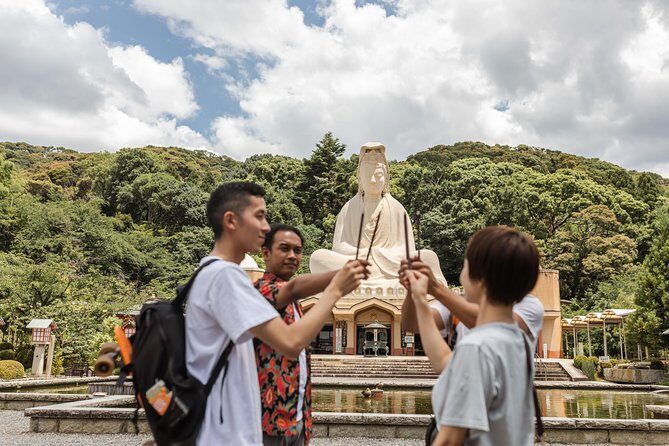
This is primarily a walking experience. A private vehicle is not included. Hotel pickup can be arranged from centrally located hotels, which helps a lot if you’re staying a bit farther from the starting point.
Between stops, public transportation or local taxis may be used to transfer. Exact transportation costs can be discussed with your host after your reservation is finalized. In other words: if you need a break, your host can likely help you manage it in a realistic way.
Two things to plan for:
- Your comfort matters: you’re walking most of the day, so shoes are not optional.
- Food and tickets are on you: the tour doesn’t include meals, drinks, or attraction tickets, so you’ll want to decide ahead of time where you’ll eat and whether any sites you visit require additional entry fees.
If you’re someone who hates spending vacation time figuring out logistics, this tour still helps because your guide handles the flow and timing. But you’ll still want to cover your own costs for anything not listed as included.
Price and value: is $251.52 worth it for 7 hours?
At $251.52 per person, this tour isn’t a budget add-on. It’s priced like what it is: a private, custom walking day with a local host shaping the route around you.
So where does the value come from?
- Privacy: only your group participates, which makes the experience feel personal and lets you ask questions without racing the clock.
- Customization effort: the pre-tour questionnaire and direct communication aren’t just marketing. They affect where you go and how the day feels.
- Flexibility: start times and durations can be adjusted, which reduces the frustration of feeling trapped in someone else’s schedule.
- Fewer wasted moments: in Kyoto, “having time” doesn’t help if you’re in the wrong place. This tour aims to keep you in the places that match your interests.
What pushes cost up sometimes is also what keeps the experience focused. Since food, drinks, and tickets aren’t included, you’re not paying for things you might not want. You pay for the guide time, the planning, and the route logic.
If you’re traveling solo or as a small group, private tours often feel expensive until you realize how much you’d otherwise spend on confusion, separate bookings, and time spent trying to figure out what to see next. This approach turns your day into a guided plan that still feels like Kyoto, not a conveyor belt.
Should you book this Kyoto private 7-hour tour?
Book it if you want a Kyoto day that adapts—you like asking questions, you care about context, and you want more than a quick hit of famous landmarks. It’s especially good if you want a mix of iconic anchors (like the river crossing and shrine area) plus calmer neighborhood streets, with time to sit and reset in a garden.
Skip it (or at least think carefully) if you dislike walking or you’re expecting food, drinks, and attraction tickets to be handled for you. Also, if you only want super-famous sites with minimal interpretation, a custom route might be more than you need.
For most people who enjoy Kyoto’s details and want a day that feels made for them, this is the kind of tour that turns a trip into stories you can actually explain later.
FAQ
How long is the Kyoto private tour?
It’s listed as about 7 hours.
Is this a private tour?
Yes. It’s a private tour/activity, and only your group participates.
Where does the tour start?
You start at Starbucks Coffee – Kyoto Sanjo-ohashi Bridge (Kyoto, Nakagyo Ward, Nakajimachō, 113 近江屋ビル 1F).
Is pickup available?
Hotel pickup can be arranged from any centrally located hotel.
Is the tour walking-only?
It’s primarily a walking experience, and a private vehicle is not included.
Do I need to pay for food or drinks during the tour?
Food and drinks are not included.
Are attraction tickets included?
No. Tickets to attractions are not included.
Will I need to pay for transportation between stops?
Transportation is not included. Public transportation or local taxis may be used at additional cost discussed with your host after booking.
How is the itinerary customized?
After booking, you receive a short questionnaire about your interests and must-sees. Your guide will reach out to craft a fully customized itinerary.
Can I cancel for free?
Yes. Free cancellation is available up to 24 hours in advance for a full refund.