REVIEW · KYOTO
Pure Silver Spoon Making Workshop in Kyoto
Book on Viator →Operated by OKUMURA · Bookable on Viator
A real silver spoon starts with your hands. This Pure Silver Spoon Making Workshop in Kyoto has you shape and decorate cutlery-grade silver into a spoon you can actually use, in a calmer pocket of the city near the Shugakuin Imperial Villa.
I especially love that you start with raw material and do the handwork yourself, not just watch. I also like the way the OKUMURA team sets you up for success, including English instructions and a host who welcomes you with tea and snacks.
One thing to consider is that you are paying for real silver and a private, tool-supported craft session, so it is not a quick budget activity, and transportation to the meeting point is on you.
In This Review
- Key highlights I’d bookmark before you go
- Why Pure Silver Spoons Matter in Kyoto
- Where the Workshop Starts Near Shugakuin Imperial Villa
- The 2.5-Hour Flow: From Silver Pattern to Spoon Shape
- 1) Add your pattern
- 2) Hammer it into a spoon shape
- 3) File and burnish the sides
- 4) Machine polishing by the craftsman
- 5) Your final polish with an abrasive
- Finished size and what it’s for
- Tools, Safety, and the Polishing Moment
- What You Take Home: Paulownia Box and Daily Use
- Language Help and Private Workshop Style
- Price and Value: What $141.22 Really Covers
- Who This Workshop Fits Best (and Who Should Think Twice)
- Should You Book This Pure Silver Spoon Workshop?
- FAQ
- How long is the pure silver spoon making workshop?
- Where does the workshop take place in Kyoto?
- Is this workshop private?
- What will I make during the workshop?
- What materials and supplies are included?
- Is private transportation included?
- Do I need Japanese language skills?
- What is the cancellation policy?
Key highlights I’d bookmark before you go
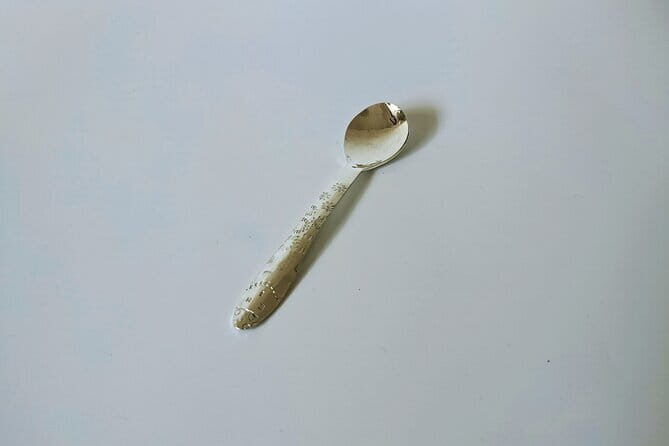
- Make a full spoon from pure silver and take home a finished piece in a paulownia box
- Hands-on design: add your pattern using a chisel or a stamp
- Hammering, filing, and burnishing: you’ll feel the process from rough shape to refined edges
- Polishing in two stages: machine polishing for safety, then your own final polish
- Friendly, patient hosting with tea and snacks, plus English instructions
- Private workshop format: your group works together without mixing with strangers
Why Pure Silver Spoons Matter in Kyoto
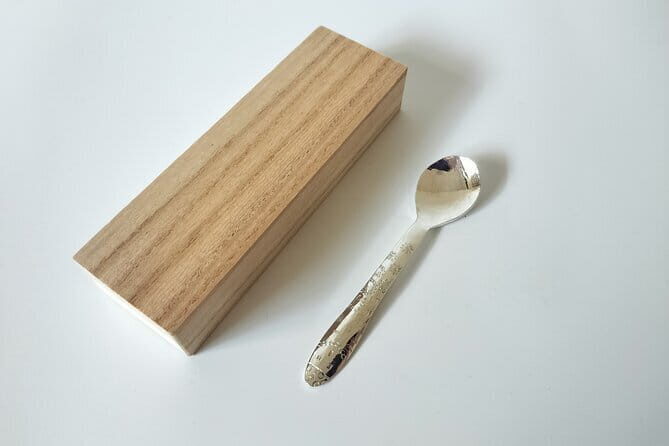
Silver in Japan is more than just a pretty metal. It has long been treated like a talisman, linked to protection from misfortune and evil spirits. That belief shows up in a very specific tradition: a silver spoon is sometimes given to a baby to wish them happiness.
So when you make a silver spoon here, it is not just a souvenir project. You’re doing something tied to a meaningful custom that people recognize in everyday life, especially in Japan’s craft culture. You’ll notice the tone of the workshop matches that idea: calm, careful, and focused on doing the steps right.
And yes, the practical side matters too. Once your spoon is finished (about 12cm long), you can actually use it as a teaspoon. That turns a craft day into something that keeps paying off at home every time you reach for your drawer.
A few more Kyoto tours and experiences worth a look


Where the Workshop Starts Near Shugakuin Imperial Villa
The workshop meets at 1-15 Shūgakuin Yamanohanachō, Sakyo Ward, Kyoto, 606-8025, Japan. It’s an 8-minute walk from Shugakuin Imperial Villa, which is useful because it gives you an easy way to build a half-day plan.
How I’d think about location: you get to step away from the loudest tourist routes, while still being close enough that you can pair this with other nearby sights. If your Kyoto days usually look like crowds and lines, this is a good reset.
You’ll also want to plan around how you’ll arrive. The tour does not include private transportation, so you’ll need your own way to get to the meeting point. The upside is that it is near public transportation, so you’re not forced into a taxi-only day.
The activity uses a mobile ticket, so have it ready on your phone when you arrive. You’ll finish back at the meeting point, which makes the end of your day simple.
The 2.5-Hour Flow: From Silver Pattern to Spoon Shape
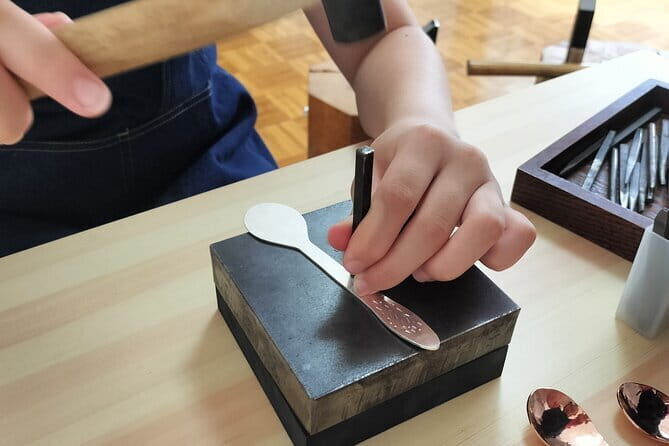
This is a private workshop that runs about 2 hours 30 minutes. The structure is straightforward, and that matters because working with metal goes best when you understand what comes next.
Here’s what you can expect, step by step:
1) Add your pattern
You’ll start with a spoon-making piece that’s prepared for decoration. Your job is to add your favorite pattern using a chisel or stamp of your choice. This is where you can make the spoon feel like yours, not a generic product.
Practical tip: choose a design that you’re happy to repeat carefully. Fine, overly intricate patterns may be harder than you expect on a first attempt, especially with metal that needs firm, controlled pressure.
2) Hammer it into a spoon shape
Once the pattern is set, it’s time for the workshop’s “hands awake” moment: you hit it with a hammer to help shape it into a spoon. You’re not trying to become a blacksmith. You’re following the craftsman’s guidance to reach the right curves.
This part is fun because it goes from flat-ish metal to the actual object you came for. If you like tactile activities, this will be your favorite section.





3) File and burnish the sides
After shaping, you smooth the sides using a file and burnisher. This step is less dramatic but more important than it sounds. Clean edges and refined surfaces make the spoon feel good in-hand and help the final polish look better.
If you’re the type who rushes at the end, slow down here. Your final polish is only as good as your prep.
4) Machine polishing by the craftsman
Next, a craftsman polishes the spoon using a machine. The workshop describes this as done with safety in mind, which is a smart approach when precision polishing can create heat or metal dust.
You get the best of both worlds: professional technique at the most technical stage, then your own touch after.
5) Your final polish with an abrasive
Finally, you polish it yourself with an abrasive. This is the “I made this” moment that turns the spoon from a workshop object into something with your fingerprints on it.
Practical tip: use steady, even motion. Rushing can leave uneven shine, while careful polishing makes the spoon look more finished than you’d expect from a first-timer.
Finished size and what it’s for
Your finished spoon is approximately 12cm long and 2.7cm wide. The workshop recommends it for use as a teaspoon, which makes sense for the scale you’re making.
So you’re not walking away with a decorative trinket only. You’re making something functional enough to show off, then use without babying it like glass.
Tools, Safety, and the Polishing Moment
This workshop is set up with tools rental included. Your package includes:
- Material
- Rental of tools
- Paulownia box
- Metal polishing cloth
That list matters more than it looks. When silver crafting is done well, the process relies on having the right implements and materials in the right condition. You’re not hunting down supplies or guessing how to handle metal safely.
The polishing sequence is also a thoughtful design. Machine polishing is handled by the craftsman, and then you do the final polish yourself. That keeps the safety part under control while still giving you the satisfaction of finishing the shine.
If you’re wondering whether you’ll be “good enough” for polishing: the workshop gives you a clear final step, and the included cloth suggests they want you to leave with a spoon you can keep looking great.
What You Take Home: Paulownia Box and Daily Use
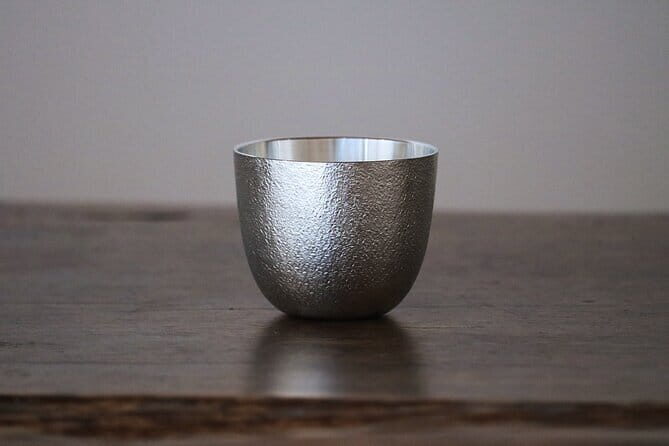
The finished spoon comes in a paulownia box. That’s a practical choice, not just a fancy container. Silver can tarnish over time, and storage that protects the spoon from handling and dust is a big deal.
The box also makes gifting much easier. If you want to give something special, a handmade silver spoon in an appropriate storage presentation feels thoughtful rather than random.
And because the spoon is sized like a teaspoon, it has a real-life job. After you make it, you can decide whether to keep it for ceremonies, daily tea, or a drawer “for guests only” moment. Either way, it’s a souvenir you’ll remember when you use it.
Language Help and Private Workshop Style
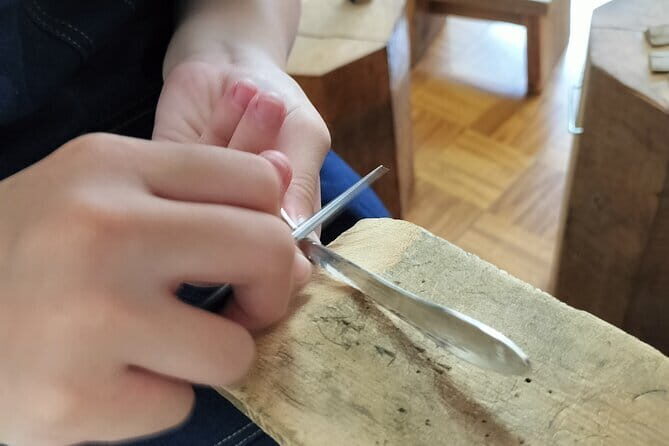
You don’t need Japanese to enjoy this workshop. The key is that English instructions are prepared, and the hosts are patient. In the feedback for this experience, people point to the language barrier not being a problem, and that patience is exactly what you want in a metal craft session where steps must be followed carefully.
Hosting also sounds genuinely warm. The workshop welcomes you with tea and snacks, which makes the whole thing feel like a conversation and not a production line.
Another practical plus: you get a private tour/activity, meaning only your group participates. That matters if you want to ask questions without feeling rushed, or if you travel with someone who learns best at their own pace.
Service animals are allowed, and the experience is described as near public transportation. So you’re covered on the basics for getting there and participating comfortably.
Price and Value: What $141.22 Really Covers
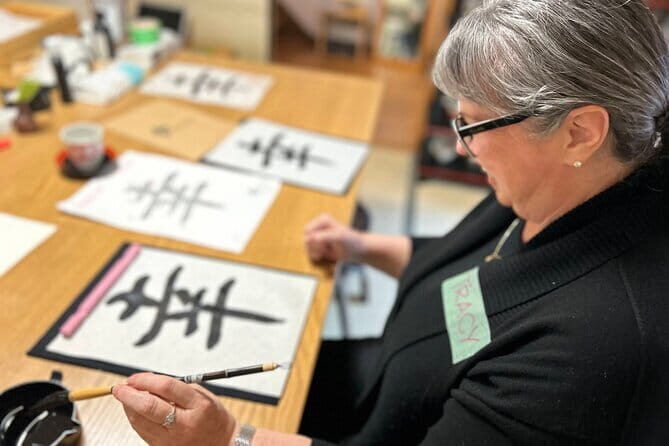
At $141.22 per person for about 2.5 hours, the price might look steep if you’re comparing it to generic craft workshops. But here’s the value logic.
You’re paying for:
- Real pure silver material (not imitation or plated metal)
- Tools rental designed for shaping and finishing metal
- Craft time plus instruction, including machine polishing support
- Presentation via the paulownia box
- A private format for your group
Silver isn’t cheap, and it also isn’t the kind of material you can improvise with. The workshop structure exists because the process needs correct tools and correct handling. That’s what the price is doing: covering both materials and the know-how that gets you a spoon shape that holds up.
Also, the finished result is small enough to carry, but meaningful enough to keep. A spoon gives you a daily-use object, not just a photo-op.
Finally, the experience is commonly booked about 30 days in advance on average, which is a clue that the workshop slots are limited. If you want a specific date, don’t leave it for the last week.
Who This Workshop Fits Best (and Who Should Think Twice)
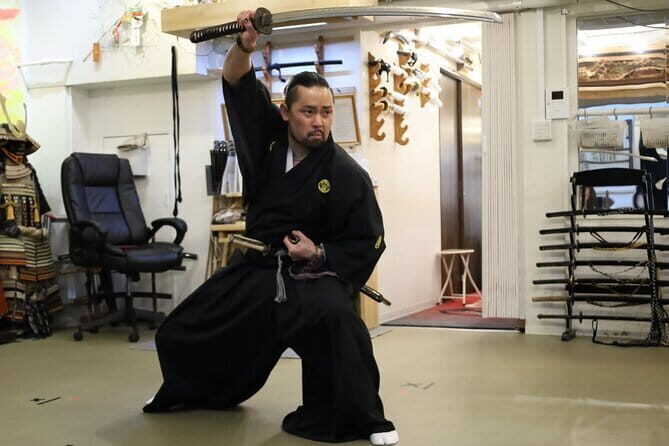
This workshop is best for you if you like hands-on crafts and want something that feels personal. You’ll likely enjoy the process if you’re the type who likes making choices, like picking your stamp or chisel pattern, then seeing that choice become shape and shine.
It’s also a great idea if you want a Kyoto activity that is calm and not crowded all the way through. Being near Shugakuin, plus the workshop’s private setup, tends to create a slower rhythm than the big sightseeing loop.
You might think twice if:
- You want only big landmark viewing and minimal time in a workshop setting
- You are strictly budget-focused and comparing every activity by sticker price alone
- You prefer experiences where you don’t touch tools or metal at all
For most people who enjoy crafts, though, this feels like a strong mix of meaning and practical satisfaction.
Should You Book This Pure Silver Spoon Workshop?
Yes, I’d book it if you want a Kyoto souvenir with real craft work behind it. The workshop’s core strength is simple: you make the spoon, then you finish it with your own polishing step, and you take it home in a proper paulownia box.
I’d also book it if you value instruction that doesn’t assume language fluency. English support plus patient hosting is a big deal when the steps involve hammering, shaping, and careful finishing.
One last decision helper: choose it when you want a half-day that feels personal. Pair it with a plan that lets you arrive calm and leave proud, rather than squeezing it between two rushed bullet-train connections.
If that sounds like your kind of travel, this is a workshop you’ll still feel later, every time your spoon catches the light—or when you hand it to someone you care about.
FAQ
How long is the pure silver spoon making workshop?
The workshop runs for about 2 hours 30 minutes.
Where does the workshop take place in Kyoto?
It meets at 1-15 Shūgakuin Yamanohanachō, Sakyo Ward, Kyoto, 606-8025, Japan, about an 8-minute walk from Shugakuin Imperial Villa.
Is this workshop private?
Yes. It’s a private tour/activity, so only your group participates.
What will I make during the workshop?
You’ll make one spoon from pure silver, including shaping, finishing, and polishing steps.
What materials and supplies are included?
Included are the material (pure silver), tool rental, a paulownia box, and a metal polishing cloth.
Is private transportation included?
No. Private transportation is not included.
Do I need Japanese language skills?
No. Confirmation of English instructions is part of the experience setup.
What is the cancellation policy?
You can cancel for a full refund up to 24 hours in advance of the experience start time. If you cancel less than 24 hours before, the amount paid is not refunded.