REVIEW · KYOTO
Kyoto: The Original Geisha Walking Tour (established 2002)
Book on GetYourGuide →Operated by Kyoto Geisha Waling Tours · Bookable on GetYourGuide
Kyoto’s geisha lanes are best walked slowly. This tour puts you right into Hanamachi and keeps things real, with native English interpretation and stories from Peter MacIntosh that explain what you’re seeing (and what you’re probably picturing wrong). I love the focused, scenic cobblestone walk through Kyoto’s famous geisha districts, and I also love that you get photography tips built into the stroll. One thing to plan for: seeing maiko and geiko is possible, but it’s never guaranteed.
What makes the experience feel worth your time is the depth behind the storytelling. You’re getting three decades of research plus firsthand perspective, and you’ll have a chance to ask questions and clear up myths or misconceptions about these iconic women. The walk runs about 105 minutes, stays small (up to 9 people), and includes a set of souvenir postcards—useful if you want a keepsake that isn’t another photo on your phone.
In This Review
- Key Things I’d Pay Attention To
- Where You Start: Minamiza Kabuki on Shijo and Kawabata
- The 105-Minute Hanamachi Walk: Streets, Architecture, and What You Notice
- What you’ll focus on during the walk
- Peter MacIntosh’s Storytelling: 30 Years of Research and Answering Questions
- Why the “myths and misconceptions” focus is valuable
- Photography Tips That Keep Your Pictures (and People) in Mind
- What this means for your results
- The Real-Maiko/Geiko Moment: The Part You Can’t Control
- What’s Included (and What You’ll Need to Handle)
- What to Bring for a Comfortable Walk
- Small Group Size: Why Up to 9 People Changes the Experience
- Price and Value: Is $54 Worth 105 Minutes?
- Weather and Timing: What to Expect Before You Step Out
- Who This Tour Suits Best
- Should You Book This Kyoto Geisha Walking Tour?
- FAQ
- Where do I meet for the Kyoto geisha walking tour?
- What time does the tour start and end?
- How long is the walking tour?
- Is the tour guide speaking English?
- How large is the group?
- Is the tour wheelchair accessible?
- What’s included in the price?
- Are tripods or recording allowed?
- What should I bring?
- Is seeing maiko and geiko guaranteed?
- Is this tour suitable for young children?
Key Things I’d Pay Attention To
- Peter MacIntosh’s geisha culture expertise: You’re walking with someone who treats the subject like a craft, not a script.
- Hanamachi cobblestone strolling: The route is built around traditional streets and striking old architecture.
- Photo guidance that respects privacy: You’ll get tips on how to take pictures thoughtfully while you’re out there.
- Myth-busting Q&A focus: The tour is explicitly set up to answer questions and correct common misconceptions.
- Small group pace (max 9): It’s paced so you can actually hear details, not just keep up.
- Optional maiko/geiko spotting: You might see real performers, but the tour doesn’t promise it.
Where You Start: Minamiza Kabuki on Shijo and Kawabata
Your tour begins in a very practical spot: meet in front of the Minamiza Kabuki Theatre, on the corner of Shijo and Kawabata. The time is 4:00 p.m., and you’ll finish around 5:45 p.m. That late afternoon start matters in Kyoto. It gives you enough daylight for photographs, but it’s also close to the part of the day when streets start feeling calmer and more atmospheric.
Before you even walk, you’re in the right frame of mind. This tour is meant to be a cultural walk with context, not a sightseeing sprint. I like that it starts with a clear landmark and then transitions into the neighborhoods, which makes it easier to relax and listen.
You can also read our reviews of more walking tours in Kyoto



The 105-Minute Hanamachi Walk: Streets, Architecture, and What You Notice
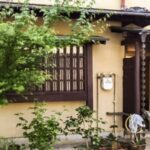
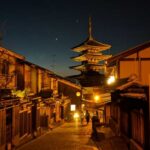
Once you’re moving, you’ll enjoy a scenic stroll through Kyoto’s famous Hanamachi (geisha districts). The tour emphasizes charming cobblestone streets and traditional architecture, and that’s the point: it’s not just about seeing signs or taking a quick photo. It’s about training your eye to notice what’s distinctive in the setting.
A practical benefit of this structure is pacing. You have about 105 minutes to absorb explanations while your feet do the work. With a small group limited to 9 participants, you’re less likely to get stuck behind bigger clusters or lose audio. You can also ask follow-up questions without the guide feeling rushed.
What you’ll focus on during the walk
The tour is designed around seeing and understanding:
- The traditional architecture and street character of the geisha districts
- The role of geisha culture as a subject in art and stories (the tour references woodblock prints, literary works, and cinematic portrayals)
- The real-life context behind what people think they know
The best part here is how the walk helps you slow down. Kyoto’s geisha districts are visually memorable, but they can also trigger the wrong assumptions if you’re relying on stereotypes. This tour is set up to keep you grounded in the details you’re actually encountering.
Peter MacIntosh’s Storytelling: 30 Years of Research and Answering Questions
A big selling point is the guide: Peter MacIntosh, described as a geisha culture expert and a photographer. You’re not just getting generic history. The tour is built on years of research and firsthand stories that Peter has accumulated over three decades.
I like this approach because it changes how you listen. Instead of a lecture style, it feels like a guided walk where the guide connects the physical environment with the cultural meaning behind it. You’re also told upfront that the tour aims to answer questions and dispel myths or misconceptions—so you know you’re going to be encouraged to ask rather than just silently watch.
Why the “myths and misconceptions” focus is valuable
Kyoto geisha culture is one of those topics where popular media can make things look tidy and simple. This tour pushes back gently with questions and explanations while you walk. That’s exactly where it works best: you can look at the street scene in front of you, then get the context that helps you interpret it.
And yes, the guide’s years of experience are part of what makes the walk feel credible. The tour also leans into the phrase flower and willow world, a poetic way of pointing you toward the idea that this culture has its own rhythms and rules beyond what most visitors expect.

Photography Tips That Keep Your Pictures (and People) in Mind
This is a photography-forward walking tour, but it’s not a free-for-all. You’ll get photography tips as you go, and you’re encouraged to bring your camera. At the same time, the rules are clear:
- Photography is allowed
- But you must respect the privacy of geishas and locals
- No tripods
- No video recording
- No audio recording
That combination is smart. Without tripods and recording, the walk stays less intrusive. It also forces you to work more like a traveler with a smartphone or compact camera, using quick timing and thoughtful framing instead of setting up gear like you’re on a photo shoot.
What this means for your results
If you’ve ever tried to photograph small details in crowded places, you know how fast it becomes frustrating. Here, the tour’s emphasis on respect and tips helps you avoid the common mistakes: blocking someone’s path, lingering too close, or getting caught in awkward angles.
Also, because the tour includes a set of souvenir postcards, you might not need to chase every last photo. You can focus on collecting one or two strong shots and then use the postcards as a practical memento of the walk.
The Real-Maiko/Geiko Moment: The Part You Can’t Control
The tour makes a clear promise in one direction and a clear disclaimer in the other: if you’re lucky, you might see real maiko and geiko along the way. But there’s no guarantee.
I like that honesty because it sets your expectations correctly. When a tour promises sightings, you can end up tense and disappointed if nothing happens. With this one, you can stay curious, enjoy the district and explanations, and treat any sighting as a bonus rather than the core requirement.
If your priority is guaranteed encounters, you’ll want to know in advance that this tour is not designed that way. It’s designed for the walk and the cultural context, with sightings as a hopeful possibility.
What’s Included (and What You’ll Need to Handle)
Here’s the straight breakdown of what you get:
Included:
- Walking tour with a guide
- Photography tips
- A set of souvenir postcards
Not included:
- Meals and drinks
- Hotel pickup and drop-off
That matters for planning. Since there’s no meal included, you’ll want to think about timing and hunger. The start time is 4:00 p.m., which can fall right in that late-afternoon window where you might still be making dinner plans. Bring water if you can, and keep your energy steady.
Also, because there’s no hotel pickup, you’ll be responsible for getting yourself to the corner of Shijo and Kawabata. The good news: meeting at a major theatre is easy to find, and the address-style landmark helps you avoid the common “Where exactly is the group?” headache.
What to Bring for a Comfortable Walk
The tour’s practical list is simple:
- Comfortable shoes
- Camera
- Water
That’s it. I appreciate that. This is a 105-minute walking experience through cobblestone streets, so your shoes matter more than you might think. If your footwear is even slightly uncomfortable, Kyoto cobbles will remind you fast.
A camera helps, but even if you’re using your phone, follow the spirit of the rules. Keep it respectful, stay aware of privacy, and don’t try to turn every minute into a photoshoot. Your best photos usually come when you’re still listening to the guide and looking at the details around you.
Small Group Size: Why Up to 9 People Changes the Experience
The tour caps the group at 9 participants, which is a big deal for a walking tour. With fewer people, the guide can actually keep track of questions, adjust pacing, and give you a better chance to hear the explanations without shouting over the crowd.
You also get a better rhythm. Instead of being stuck in a long line, the group can move like a unit through narrow areas and around interesting viewpoints. That makes it feel more like a guided stroll with cultural context than a checklist loop.
And because it’s limited to a small group, you’re more likely to get that myth-busting conversation. If you like asking questions, this structure supports it.
Price and Value: Is $54 Worth 105 Minutes?
At $54 per person, this Kyoto geisha walking tour sits in the mid-range for organized experiences, and you should judge it by what you’re buying:
You’re paying for:
- A native English live guide
- Specialized expertise as a geisha culture expert and photographer
- Photography tips (not just “take pictures”)
- A walk through the Hanamachi geisha districts
- A small-group format
- A set of souvenir postcards
If your goal is a quick, casual look, you can do Kyoto on your own. But if you want the context—why people portray geisha culture the way they do, what misconceptions to watch for, and how to photograph respectfully—this tour is structured to deliver exactly that in 105 minutes.
I’d especially consider it good value if you care about photography and you don’t want to guess your way through etiquette. The rules matter, and having a guide who understands both the culture and the camera side of things saves you from a lot of awkward trial and error.
Weather and Timing: What to Expect Before You Step Out
The walk runs from 4:00 p.m. to about 5:45 p.m., and you should be ready for whatever Kyoto weather throws at you. The tour advice is straightforward: be prepared for any weather condition.
That means you should plan clothing you can handle on foot, plus a quick way to stay comfortable if it changes. You’re also walking cobblestones, so keep your pace steady and your footing secure.
Also note what’s not allowed: smoking is prohibited. It’s one of those small things that keeps the experience pleasant and focused, especially in close walking areas.
Who This Tour Suits Best
This tour fits well if:
- You want a guided walk through Hanamachi rather than a self-guided photo tour
- You like learning from someone who has spent years researching and observing
- You want photography tips with clear boundaries
- You enjoy Q&A and want myths or misconceptions corrected directly
It’s also a good option for people who prefer smaller groups and a structured cultural focus. It’s listed as wheelchair accessible, so mobility needs can be supported.
It’s not suitable for children under 8 years, which makes sense for a walking experience that also depends on quiet attention and respectful behavior in sensitive cultural areas.
Should You Book This Kyoto Geisha Walking Tour?
I’d book it if you want more than views. This is a Kyoto geisha walking tour that gives you a guided way to understand what you’re seeing, with a small group, photography tips, and a guide who’s been working on the subject for 30 years.
Skip it only if you specifically need guaranteed maiko and geiko sightings. This tour treats sightings as a possible bonus, not a promise, and it puts the real value on the walk and the cultural context.
If you’re the type who likes to learn, ask questions, and come home with a couple of respectful photos plus postcards, it’s a strong pick.
FAQ
Where do I meet for the Kyoto geisha walking tour?
You meet in front of the Minamiza Kabuki Theatre on the corner of Shijo and Kawabata.
What time does the tour start and end?
The tour starts at 4:00 p.m. and finishes at approximately 5:45 p.m.
How long is the walking tour?
The duration is 105 minutes.
Is the tour guide speaking English?
Yes, the live tour guide speaks English.
How large is the group?
The group is limited to 9 participants.
Is the tour wheelchair accessible?
Yes, it is listed as wheelchair accessible.
What’s included in the price?
The price includes the walking tour, the guide, photography tips, and a set of souvenir postcards.
Are tripods or recording allowed?
Tripods are not allowed, and video recording and audio recording are also not allowed. Smoking is not allowed either.
What should I bring?
Bring comfortable shoes, a camera, and water.
Is seeing maiko and geiko guaranteed?
No, there is no guarantee of seeing maiko and geiko along the way.
Is this tour suitable for young children?
No, it is not suitable for children under 8 years.