REVIEW · KYOTO
Train Katana with Real Dojo Students in Kyoto
Book on Viator →Operated by Yushinkan Co., Ltd. (株式会社勇進舘) SETO Yushin · Bookable on Viator
Kyoto katana training is not a costume class. You’ll work inside a real dojo run by Yushinkan Kyoto, learning proper iai (drawing) and kenjutsu (katana fighting) alongside committed local students.
The other thing I really like is the end of session: you get to watch students cut rolled tatami mats with a real katana, then see the headmaster’s powerful two-katana performance.
One caution: this is strict about rules. There’s no video recording, and participants aren’t offered test cutting with a real katana. If what you want is purely “sword sightseeing,” this may feel more like homework than entertainment.
In This Review
- Key highlights at a glance
- Why This Katana Class in Kyoto Feels Real
- Getting Dressed Like a Dojo Student (Dōgi, Obi, Hakama)
- Iai Lessons: Drawing the Katana With Control
- Kenjutsu Practice: Katana Fighting Basics
- Watching Real Tatami Cuts and a Two-Katana Performance
- Price and Value: $195.09 for Three Hours of the Real Thing
- Who This Katana Training Is Best For
- Tour Flow: What Happens During the 3 Hours
- Small Details That Make a Big Difference
- Should You Book This Katana Training in Kyoto?
- FAQ
- How long is the Train Katana with Real Dojo Students in Kyoto experience?
- What is the price per person?
- What age do I need to be to participate?
- Is video recording allowed during the training?
- Will I be able to do test cutting with a real katana?
- What will we actually do during the session?
- How many people are in a group?
- Where do I meet the group?
- What’s the cancellation policy?
Key highlights at a glance
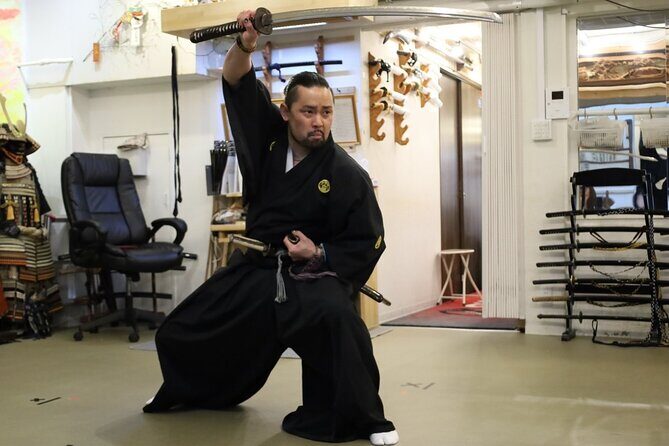
- Real dojo training with local students: Not a staged “samurai show,” and you’ll train with people who actually practice every week.
- Headmaster-led instruction with 20+ years of experience: You learn from someone who’s been doing this for decades.
- Dōgi, obi, hakama included: You’ll gear up like you mean it before you start moving.
- Iai and kenjutsu practice: You’ll cover both the drawing side and the combat side, not just one.
- Tatami cuts plus a two-katana performance: This is the kind of technique you don’t easily see on the tourist circuit.
- Small group size (max 3): More attention, less waiting around, and you can ask real questions.
Why This Katana Class in Kyoto Feels Real
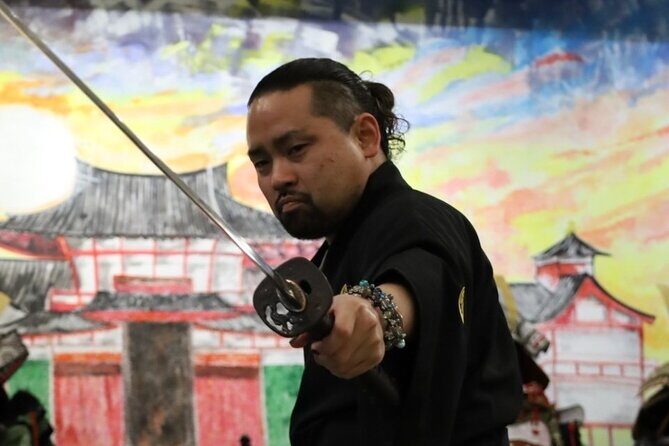
This experience is built on a simple idea: katana practice should look and feel like katana practice. You’re not handed a prop and sent to take photos. Instead, you step into an active training environment where etiquette and technique matter.
I like that the session is anchored by the dojo itself. The training is led by the headmaster at Yushinkan Kyoto, with 20+ years of experience. That time shows in how you’re taught—things are explained with purpose, and the moves aren’t treated like cosplay.
And I really value the balance between learning and watching. You get hands-on instruction for iai and kenjutsu, then you’ll watch what the dojo does well—students cutting rolled tatami mats, followed by the headmaster’s katana performance, including a rare two-katana moment.
The vibe is not “performance first.” It’s practice first.
You can also read our reviews of more tours and experiences in Kyoto.



Getting Dressed Like a Dojo Student (Dōgi, Obi, Hakama)
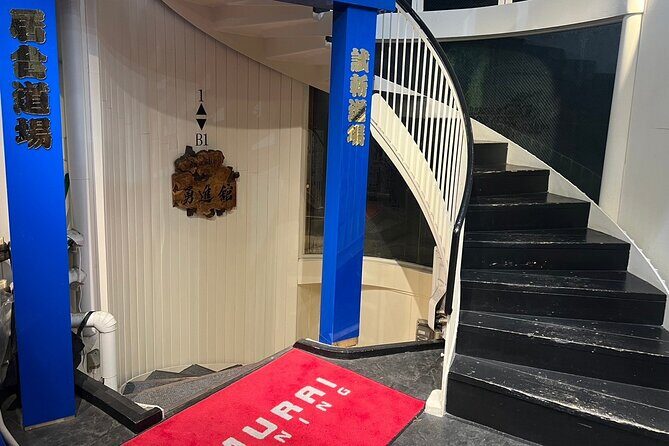
Your session starts with gear: dōgi, obi, and hakama. Even if you’ve worn a kimono before, this feels different. Hakama in particular changes how you move and stand. You’ll see right away that the outfit isn’t decoration—it’s part of how the body positions for training.
The instructor support here matters. Dressing correctly helps you focus on technique instead of fiddling with your clothes. Expect the staff to get you set up before you start drilling basic movements.
Practical tip: wear easy footwear for the meeting point, because once you change into dojo gear, you’ll want to stay ready to move. You’re training for about three hours, so plan on being on your feet and moving steadily—not just standing and watching.
Iai Lessons: Drawing the Katana With Control
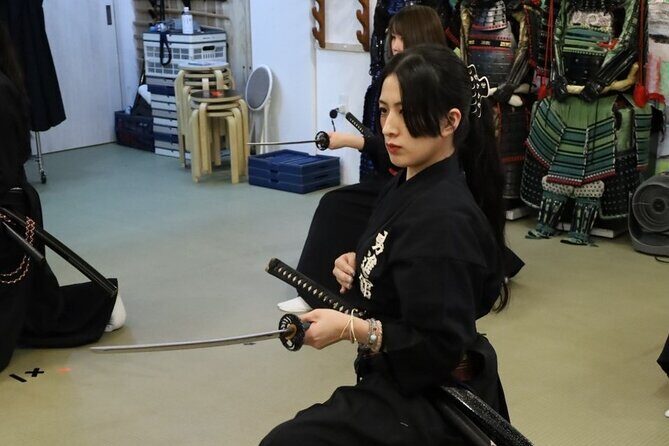
Iai is the heart of this dojo experience. It’s not just “how to pull a sword.” It’s drawing with timing, posture, and intent.
During the iai portion, you’ll learn the katana drawing techniques used in dojo training. That means you’ll practice how to handle the weapon safely while focusing on control: body alignment, smoothness of the draw, and the mental side of the sequence.
If you have martial arts experience, you’ll likely pick up faster. But the class isn’t only for experts. One of the best signals from prior attendees is that the training still works well for people with limited katana background—especially if you’re willing to listen, slow down, and get your fundamentals right.
One more thing I appreciate: the session keeps the order logical. You don’t jump straight into chaotic sparring. You build the “start” (the draw and control), and that makes the later fighting practice feel less random.
Kenjutsu Practice: Katana Fighting Basics
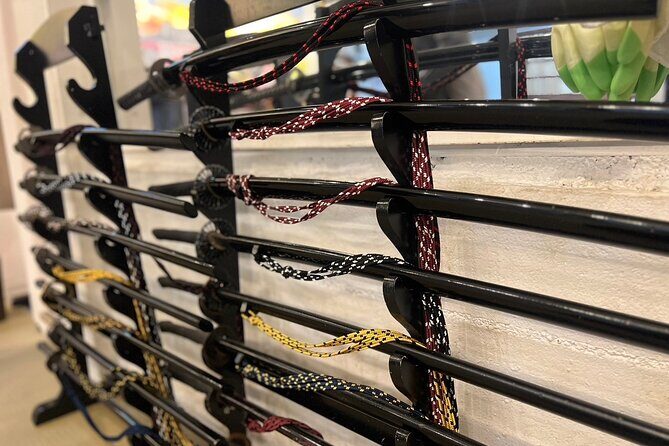
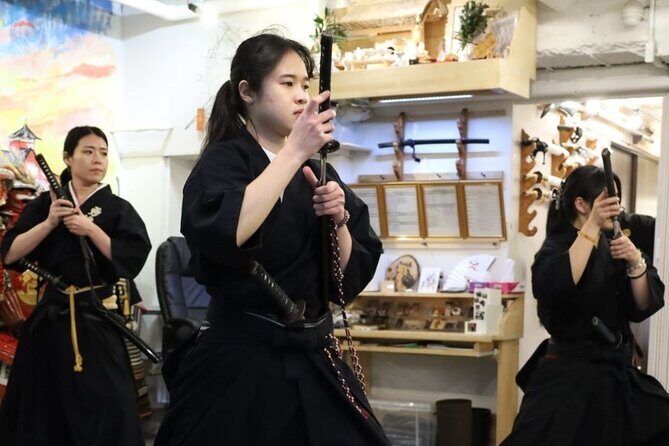
After iai, you move into kenjutsu—katana fighting techniques. Here, the goal is not showmanship. It’s training fundamentals: controlled movements, stable stances, and learning how techniques connect.
Because the group is capped at 3 travelers, you’re less likely to feel like a spare body in the corner. Smaller groups also mean the instructor can adjust your form faster. That matters in a dojo setting, where tiny posture problems can break the technique.
Your physical role will likely be more active than you expect if you’re used to “watch-only” Japan experiences. You should be prepared for moderate physical effort. This isn’t a couch-and-ceremony class.
And yes, there are real safety boundaries. The rules around recording and test cutting (more on that later) are part of why the dojo keeps control and focuses on disciplined training rather than spectacle.
Watching Real Tatami Cuts and a Two-Katana Performance
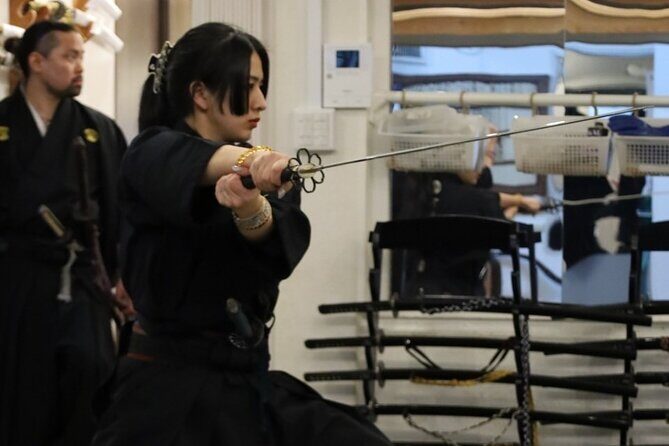
This is the part that makes the whole experience feel special.
First, you’ll watch students cut rolled tatami mats with a real katana. You can see the mechanics of power and precision without having to pretend you’re the one doing it. Watching is still valuable here—your brain starts connecting what you practiced (stance, timing, control) to what you’re seeing.
Then the headmaster performs with a katana, including the powerful two-katana presentation mentioned in the overview. A lot of sword demonstrations you’ll see in Kyoto are built like theater. This is different. It’s demonstration, yes—but it’s also training culture on display.
One important note: you will not be offered test cutting with a real katana. If you were hoping to swing and cut your own target, this is not that. But if you want technique-focused observation and instruction, the session is set up exactly for that.




Price and Value: $195.09 for Three Hours of the Real Thing
At $195.09 per person, this isn’t a bargain-basement activity. But you should look at what you’re buying:
- Instruction from a headmaster with 20+ years of experience
- A small group size (max 3)
- Real dojo training gear (dōgi, obi, hakama)
- Time spent practicing iai and kenjutsu
- A structured show-and-learn format with tatami cuts and a two-katana performance
The value comes from access. You’re stepping into a training space that normal tourists usually never see from the inside. The cost also reflects that this is not a one-off “performance gig.” The dojo has real students who genuinely train, and your presence fits into that rhythm.
Another value point: the experience is guided and organized professionally. The lesson plan is clear—dress, learn, practice, watch—so you’re not left wandering and guessing what to do.
If you’re budgeting in Kyoto, compare this to other martial-arts experiences that mostly stay at the “watch and pose” stage. If you want actual instruction and a real dojo atmosphere, this tends to feel worth it.
Who This Katana Training Is Best For
This experience makes the most sense for people who want to learn, not just photograph.
You’ll probably enjoy it most if:
- you have some martial arts background (but you don’t need to be a pro)
- you like hands-on practice and listening carefully to form corrections
- you’re curious about how older training traditions actually operate in a modern city
- you can follow dojo rules and respect that this is for training, not entertainment
You might skip it if:
- you want to do your own real cutting with a katana (test cutting isn’t offered)
- you want lots of video content (recording isn’t allowed)
- you’re looking for a big group, loud show, and lots of sightseeing stops
Age-wise, it’s for participants 12+ years old. If you’re bringing a teen who likes disciplined activities, this can be a strong choice.
Tour Flow: What Happens During the 3 Hours
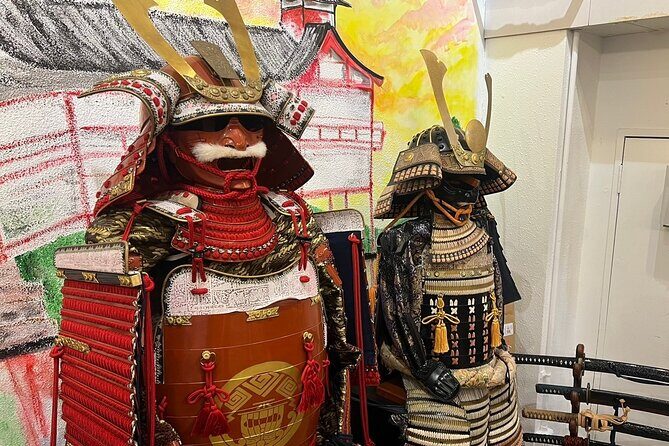
Here’s the practical rhythm you can expect in a typical session:
1) Meet at the dojo area at 452-4 Matsugaechō, Nakagyo Ward, Kyoto, 604-8034. It’s also described as near public transportation, so you’re not stuck with complicated transfers.
2) Gear up in dōgi, obi, and hakama. You’ll get dressed before technique work starts.
3) Iai instruction and practice: drawing techniques with focus on control and correct form.
4) Kenjutsu practice: basic fighting techniques, trained with attention to posture and safe movement.
5) Watching cutting demonstrations: you’ll see students cut rolled tatami mats with a real katana.
6) Headmaster performance: the headmaster performs with a katana, including a two-katana segment.
7) End back at the meeting point.
The “watch plus practice” format is smart. It gives you quick feedback loops: do a movement, then see the standard in action.
Small Details That Make a Big Difference
A few things will help you get the most out of the session:
- Video recording is not allowed. Come prepared to remember with your notes and attention, not your camera roll.
- Observing without paying is not allowed. This is a training environment. Treat it like one.
- Be ready for moderate physical fitness. You’re moving for a few hours, not just sitting.
- Small group size matters. Max 3 travelers means you’ll have a better chance to get corrections when you need them.
- Mobile ticket: bring your phone (or whatever device holds your ticket).
Also, confirmation is quick in many cases—you’ll receive confirmation within 48 hours of booking, if there’s availability. That helps if you’re planning on a tighter Kyoto schedule.
Should You Book This Katana Training in Kyoto?
If your goal is a real experience—actual instruction, real dojo etiquette, and a chance to learn what iai and kenjutsu training really looks like—this is a great pick. I particularly like that it stays disciplined: you learn, you practice, then you watch real technique from real students and a headmaster with 20+ years of experience.
Book it if you’re willing to follow rules, keep your ego in check, and focus on form. It’s not built for casual spectatorship, and it doesn’t promise tourist perks like cutting targets or recording your session.
Skip it if you mainly want a photo-and-moment experience or if test cutting with a real katana is non-negotiable for you.
If you’re on the fence, use this simple test: do you want to learn technique or collect souvenirs? If it’s technique, you’ll likely leave with a sharper understanding—and a story that feels genuinely Kyoto.
FAQ
How long is the Train Katana with Real Dojo Students in Kyoto experience?
It lasts about 3 hours.
What is the price per person?
The price is $195.09 per person.
What age do I need to be to participate?
Participants must be 12 years old or older.
Is video recording allowed during the training?
No. Video recording is not allowed.
Will I be able to do test cutting with a real katana?
No. Test cutting with a real katana is not offered. You can watch students and the master cutting.
What will we actually do during the session?
You’ll get dressed in dōgi, obi, and hakama, learn iai, practice kenjutsu, and watch cutting demonstrations and the headmaster’s katana performance.
How many people are in a group?
There’s a maximum of 3 travelers.
Where do I meet the group?
The meeting point is 452-4 Matsugaechō, Nakagyo Ward, Kyoto, 604-8034, Japan, and the activity ends back at the same meeting point.
What’s the cancellation policy?
You can cancel for a full refund up to 24 hours before the experience starts. If you cancel less than 24 hours in advance, the amount you paid isn’t refunded.