REVIEW · KYOTO
Kyoto Samurai and Geisha Town Private Walking Tour
Book on Viator →Operated by KAMNAVI Tours · Bookable on Viator
Samurai Kyoto, timed for fewer crowds. This private walking tour threads Nijo Castle and Kinkaku-ji into the day’s story, then slows down in Gion so you can actually see the details. I like that the route is built to help you follow the timeline of Kyoto’s power centers and traditional culture, without getting stuck in a giant line-and-wait loop.
I also like the value math: admission fees, the guide’s time, and public transportation are handled for you, so you’re not constantly stopping to pay and re-plan. The only real drawback to consider is that it’s about 7 hours of walking with a moderate fitness level, and it’s not stroller-friendly—so plan your shoes accordingly.
In This Review
- Key Highlights You’ll Feel on This Route
- Samurai Power Meets Everyday Kyoto at 8:00 AM
- Nijo Castle: Where the Shogun Stayed in Kyoto
- Kinkaku-ji’s Golden Pavilion: The Samurai-Age Icon
- Gion on Foot: Geisha District Without the Guesswork
- Kennin-ji Temple: Dry Garden Zen Near the Streets of Gion
- How the 7-Hour Private Walking Plan Feels in Real Life
- Price and What You’re Really Getting for $135.59
- Who Should Book This Samurai and Geisha Tour
- Should You Book This Kyoto Samurai and Geisha Private Walking Tour?
- FAQ
- How long is the Kyoto Samurai and Geisha Town private walking tour?
- What time does the tour start?
- Where do we meet and where does it end?
- Is this tour private?
- What’s included in the price?
- Which stops are part of the tour?
- Is Gion admission included?
- Does the tour use a mobile ticket?
- What fitness level do I need?
- What if the weather is bad?
Key Highlights You’ll Feel on This Route
- Shogun-era sites in one morning-start plan, so you get the story in sequence and avoid peak crush.
- Nijo Castle with the shogun’s Kyoto role front and center, not just generic castle photos.
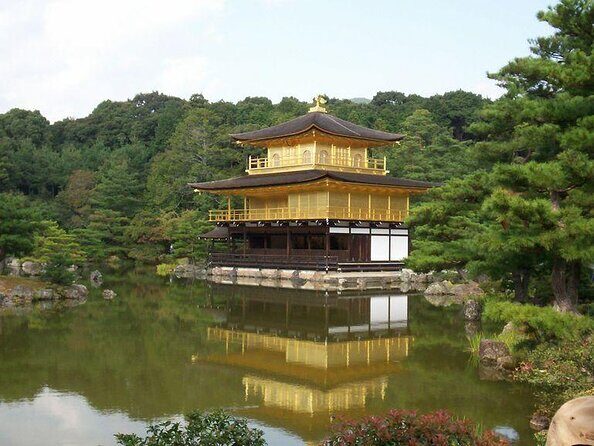
- Kinkaku-ji’s golden pavilion + pond reflection timing, with guide help for what to look for.
- Gion as a geisha district with context, including how it fits among Kyoto’s Kagai.
- Kennin-ji Zen contrast right in the Gion area, including its famous dry garden.
- Private pacing for your group, meaning you can move efficiently without feeling rushed.
Samurai Power Meets Everyday Kyoto at 8:00 AM
Kyoto is famous for temples. It’s also famous for crowds. This tour starts at 8:00 am, which matters more than it sounds. Earlier hours help you get into major sights before the biggest waves, and you spend more time looking at stone, wood, and street life instead of staring at a bottleneck.
You’ll be meeting at Kyoto Station Building at 901 Higashishiokōjichō in Shimogyo Ward, then finishing back at the same spot. The structure is simple: move to the big samurai-era stops, then transition into Gion for the geisha-district atmosphere, and end with Zen calm nearby. It’s a day that works well if you like your sightseeing with a timeline, not just a checklist.
One practical perk: it’s a private tour, so your group sets the tempo within reason. You’ll also get a mobile ticket, which is useful in Japan when you’re hopping between transit and admissions quickly. If you’re the type who hates last-minute confusion, this setup is reassuring.
You can also read our reviews of more walking tours in Kyoto



Nijo Castle: Where the Shogun Stayed in Kyoto
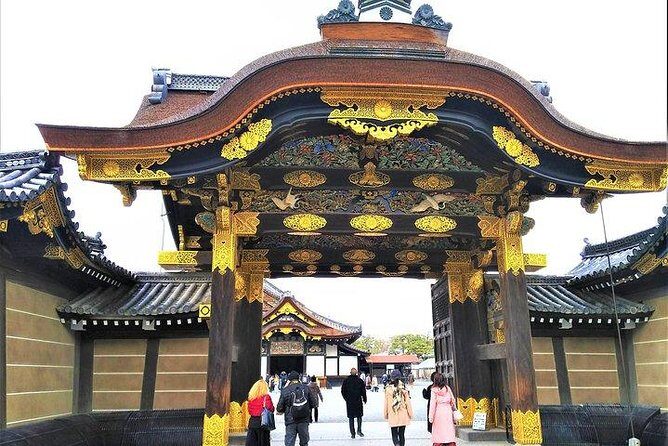
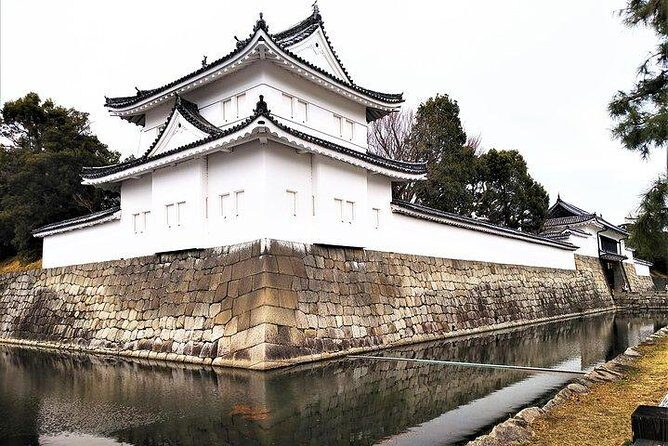
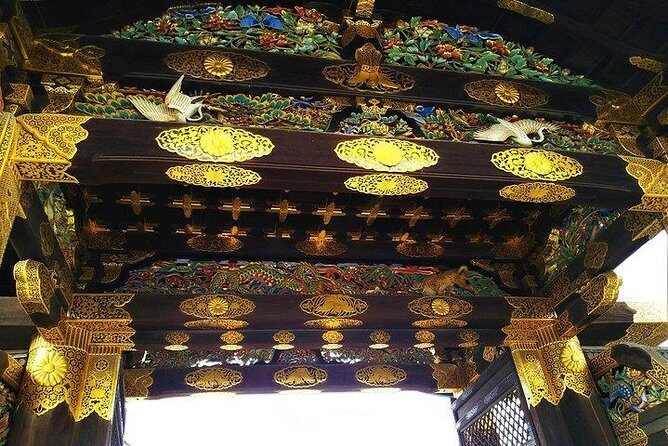
The first stop is Nijo Castle, and it’s a strong start because it anchors the whole theme: the shogun’s connection to Kyoto. The background is that the Tokugawa shogun relocated the shogunate to Edo (present-day Tokyo) in 1603. Kyoto still mattered, so castles like this became a staging ground for official visits.
Inside, you’ll be walking through key spaces where you can feel the “official” nature of the residence. This isn’t just a pretty building—this is a political space. A guide will point you toward what to notice as you move, so you don’t end up taking the same wide-angle shots everyone else takes.
What to watch for: castles are easy to photograph, but harder to understand. Focus on the layout and the sense of formality—this place was built for governance and ceremonial presence. If you like power dynamics in old cities, Nijo is a great anchor.
Potential drawback: it’s an admission stop and it takes time. If you’re hoping for a quick photo-and-go, you might feel the pace is a bit more “stay and learn” than “run through everything.” But if you enjoy context, that investment pays off later when the story shifts to the temples.
Kinkaku-ji’s Golden Pavilion: The Samurai-Age Icon
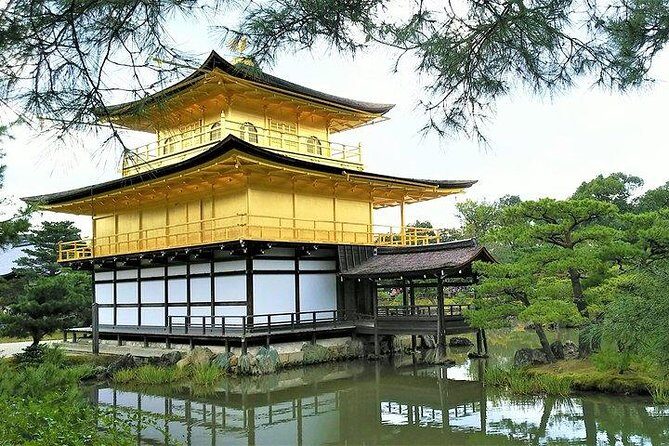
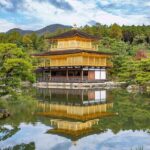
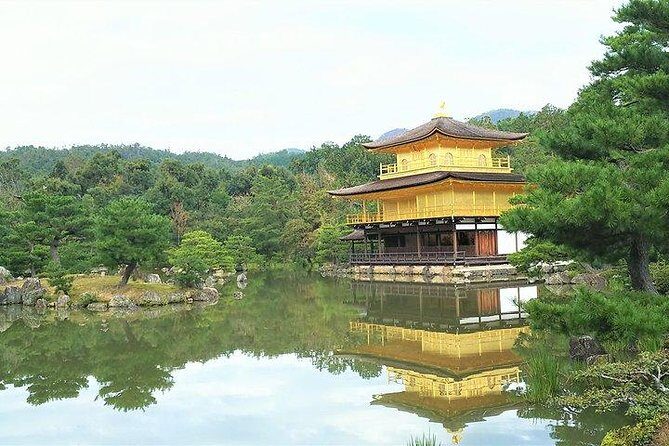
Next up is Kinkakuji Temple (Kinkaku-ji), also known as the Golden Pavilion. This one hits hard because it’s instantly recognizable: you’re looking at a major Zen temple with strong symbolic pull tied to the Ashikaga shogunate. The pavilion dates to 1397, associated with the 3rd Shogun of the Ashikaga shogunate.
The signature feature is the golden pavilion and its reflection on the pond. That sounds like a postcard description, but the guide’s job is to help you see what makes it visually work: where the light hits, how the water changes the feel, and what angles give you that classic mirror effect.
I like how this stop builds on the “samurai” side of the tour. Yes, it’s a temple, but it’s also an icon tied to the culture of military rule and the prestige that came with it. You get a sense that power and aesthetics weren’t separate things in this era.
Watch your timing: this is also a popular site. Even with an early start, don’t expect to be totally alone. The advantage here is that you’ll know what to look for, and you won’t waste time figuring out the flow on your own.
Gion on Foot: Geisha District Without the Guesswork
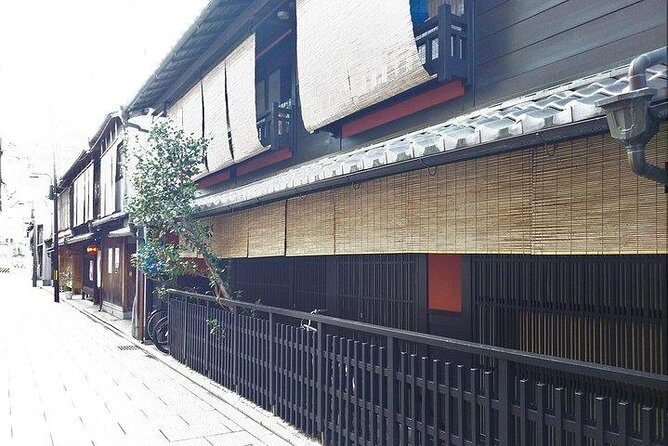
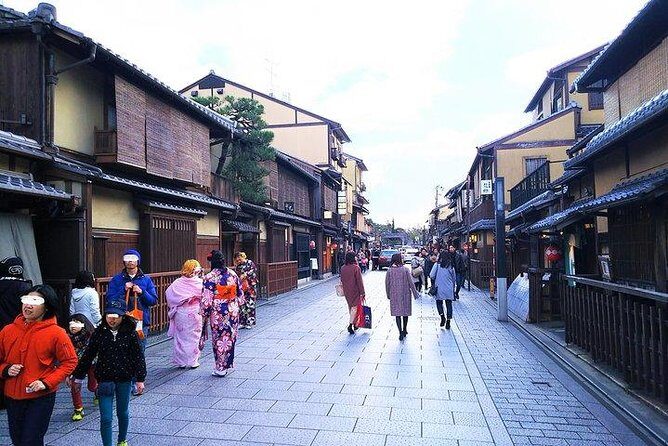
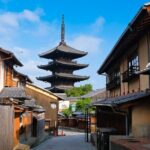
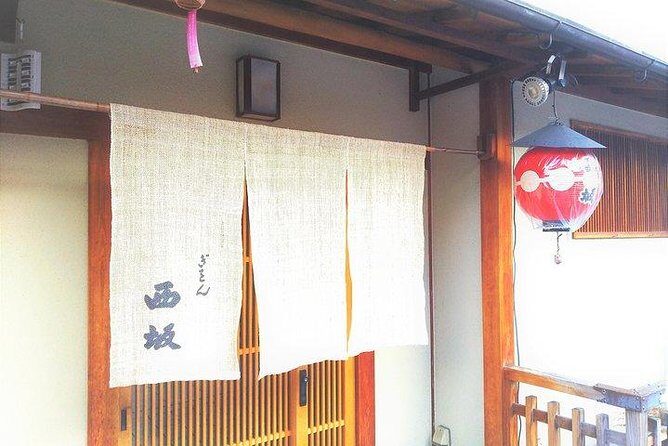
After the temple stops, you’ll shift into Gion, Kyoto’s best-known geisha district. Gion is the biggest among Kyoto’s five geisha districts (Kagai), and that’s useful context because it explains why it’s the one most people recognize. Geishas are trained professional performers and successors of traditional arts, and the district is the stage where that culture can still be seen in everyday form.
This segment is about 40 minutes, which is just enough time to get the feel without turning it into an all-day crowd marathon. Your guide will help you notice the difference between what’s performative and what’s simply part of local life here.
How to get value in a short time: don’t only aim your camera. Slow down for the street rhythm—wooden facades, small turns, and the way the lanes open up. If you’re sensitive to loud tourist patterns, you’ll appreciate that the earlier start gives you more breathing room.
Possible consideration: Gion is a cultural district. That means you should keep your behavior respectful and quiet—especially when you’re close to homes and side streets. If you want a party vibe, this isn’t that tour. If you want to see tradition with context, it’s a smart fit.
Kennin-ji Temple: Dry Garden Zen Near the Streets of Gion
Then comes Kennin-ji, located in the Gion area. It was founded in 1202 and is described as the first Zen temple in Kyoto, linked to the 3rd Shogun of the Kamakura shogunate. That early dating matters. It makes Kennin-ji feel like more than a stop—it feels like the Zen thread that runs under the city.
The tour’s highlights include its dry garden. Even if you’re not a Zen expert, you can still appreciate it as a carefully designed landscape meant to be read slowly. Dry gardens reward patience: they’re built around composition rather than seasonal color, so the quiet details become the point.
The guide will also point out another must-see feature, though the key thing for you is this: don’t rush. This stop works best when you treat it like a short pause in the day’s momentum.
Why it’s a great contrast: you’ve just been walking a district linked to geisha culture. Then Kennin-ji gives you a different kind of discipline—order, restraint, and intention. Together, they help you understand Kyoto as more than one theme park.
You can also read our reviews of more private tours in Kyoto


How the 7-Hour Private Walking Plan Feels in Real Life
This tour is about 7 hours total, and it includes public transportation. That matters because Kyoto walking can be deceptive: distances look manageable until you hit slopes, crowds, and the time it takes to move between areas.
Because it’s private, the guide can keep your group moving efficiently without making you feel like you’re sprinting from one photo to the next. In the best version of this kind of tour, you get off-beat stops when they make sense, and you stay on schedule when they don’t. That balance is what makes a “private walking” day actually feel worth it.
You’re also outdoors for a good chunk of the day, and the experience is noted as weather-dependent. If the weather’s poor, you’ll be offered a different date or a full refund. So if you’re planning tightly, keep a flexible day on your schedule.
Bring basics: comfortable walking shoes, water, and a light layer. Kyoto mornings can be cool even when the sun comes out.
Price and What You’re Really Getting for $135.59
At $135.59 per person, this tour isn’t the cheapest way to see Kyoto’s highlights. But you’re paying for a plan that handles several “small costs” that add up fast on your own: admission fees, the guide fare, and public transportation are included.
That inclusion is where the value shows. Many DIY days in Kyoto turn into a string of separate ticket lines and transit decisions. Here, the tour is designed to reduce those frictions, which is especially helpful when your time is limited or you want to avoid decision fatigue.
Also, it’s private, which changes the math. If you’re traveling as a couple or small group, paying for one guided route can be a smart swap for spending extra time figuring out logistics and still missing the context.
Worth noting: food and drink are not included. Kyoto has great meals, but you’ll need to plan for lunch or snacks on your own.
Who Should Book This Samurai and Geisha Tour
This is a good fit if you want a Kyoto day that’s built around meaning. You like when a guide connects temples and districts to the people who ruled, shaped, and preserved the culture.
You’ll also likely enjoy this if you want:
- clear pacing with no sense of being rushed
- a walk-first style that still uses transit when helpful
- a mix of samurai-era sites and Gion culture
It’s less ideal if you want a low-walking day, since it’s described as moderate physical fitness and it’s not stroller accessible. If your mobility needs are flexible, you should still bring a realistic view of a 7-hour walk with admissions.
Should You Book This Kyoto Samurai and Geisha Private Walking Tour?
If you’re excited by shogun-era Kyoto and you want the Gion district with context—not just photos—this is an easy yes. The biggest win is the way the day is paced: early start, efficient transitions, and stops that each contribute to a single theme.
I’d book it when you:
- want admission included instead of doing ticket math all day
- prefer private pacing over group herding
- care about understanding why these places matter
I’d think twice if you’re looking for minimal walking or you don’t want a guided layer at all. Otherwise, this is a practical, story-driven day that helps you see Kyoto as more than a list of famous stops.
FAQ
How long is the Kyoto Samurai and Geisha Town private walking tour?
It runs for about 7 hours.
What time does the tour start?
The start time is 8:00 am.
Where do we meet and where does it end?
You meet at Kyoto Station Building, 901 Higashishiokōjichō, Shimogyo Ward, Kyoto, and the tour ends back at the same meeting point.
Is this tour private?
Yes. It’s private, and only your group participates.
What’s included in the price?
The price includes admission fees, guide fare, and public transportation. It does not include food and drink.
Which stops are part of the tour?
The tour includes Nijo Castle, Kinkakuji Temple, Gion, and Kennin-ji.
Is Gion admission included?
Gion is listed as admission free.
Does the tour use a mobile ticket?
Yes. It includes a mobile ticket.
What fitness level do I need?
The tour calls for moderate physical fitness.
What if the weather is bad?
The experience requires good weather. If it’s canceled due to poor weather, you’ll be offered a different date or a full refund.