REVIEW · KYOTO
Traditional Tea Ceremony in Kyoto
Book on Viator →Operated by byFood · Bookable on Viator
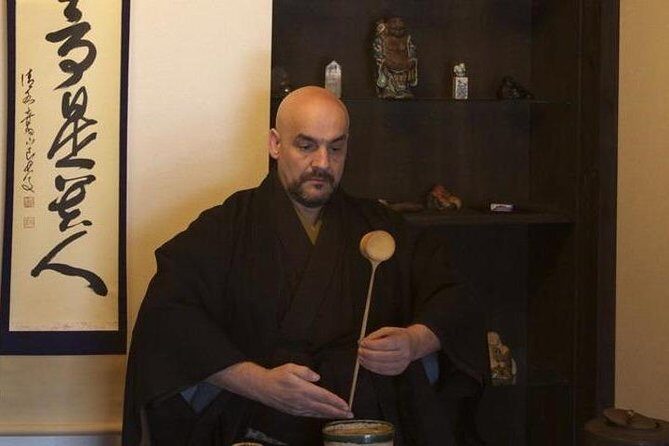
Tea in Kyoto can feel like time travel. This Traditional Tea Ceremony in Kyoto focuses on ryurei, the formal style of chanoyu, and it’s led by Randy Channell Soei, a top-ranked tea master from outside Japan. You’re not just tasting tea you’re learning why each movement matters, with Kyoto-grown matcha and sweets built into the lesson.
What I like most is the structure: you get the full flow of a formal ceremony, then you actually practice making a bowl. The matcha experience is also supported with Kyoto sweets and a Kyoto-grown matcha, so the tea lesson doesn’t feel like a one-note demo. One consideration: you are not seated on tatami mats or low tables, and the setting can feel compact, so if you’re picturing a full-on tea room moment, go in with flexible expectations.
In This Review
- Key highlights at a glance
- Tea ceremony, but make it formal: ryurei in Kyoto
- Who is Randy Channell Soei and why that matters
- What happens during the ceremony: etiquette you can actually use
- Matcha snacks and tasting: the lesson has a flavor track
- Making your own bowl: the hands-on part you’ll remember
- The setting and seating: what to expect when you arrive
- Price and value: is $56.34 worth it?
- Logistics that matter in Kyoto: what to plan for
- Who should book this (and who might skip)
- My booking advice: how to get the most out of it
- Should you book this traditional tea ceremony in Kyoto?
- FAQ
- Where does the tea ceremony start?
- How long does the ceremony last?
- What is included in the price?
- Is transportation included?
- Is a kimono included?
- Will I sit on tatami mats or low tables?
- Is there a maximum group size?
- How close is it to public transportation?
- Do I get to make matcha myself?
- How and when will I receive confirmation?
- What is the cancellation window for a full refund?
Key highlights at a glance
- Ryurei style: the formal, hospitality-focused approach going back to the 1870s
- Randy Channell Soei teaching: a rare, high-level perspective on chanoyu
- Make your own bowl: hands-on matcha whisking, not just watching
- Kyoto-grown matcha plus sweets: tasting pairs taught alongside etiquette
- Group size up to 25: easier pace for a question-and-practice style lesson
Tea ceremony, but make it formal: ryurei in Kyoto
Kyoto is the cultural capital of Japan, and tea culture is one of the ways it shows off that heritage. This experience is built around chanoyu, the art of making tea, but it does it the formal way. The star of the show is ryurei, a style used historically as a high-formality display of hospitality.
The value here is not just that the tea is good. It’s that you learn the logic behind everything: the pacing, the etiquette, and the small choices that turn tea-making into an event. If you’ve ever watched a tea ceremony and thought, That seems precise, this is where that precision becomes understandable.
You’ll also get a feel for what formal hospitality meant. This style was used to greet visiting foreign dignitaries as if they were being treated with real diplomatic care. Even if you’re not a diplomat, you’ll likely leave feeling like you were.
You can also read our reviews of more tours and experiences in Kyoto.


Who is Randy Channell Soei and why that matters
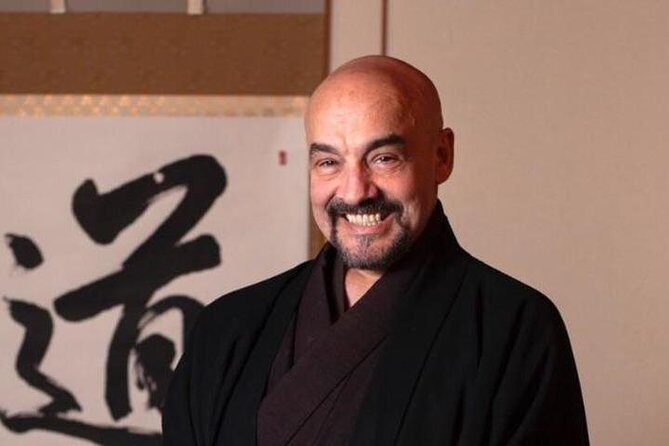
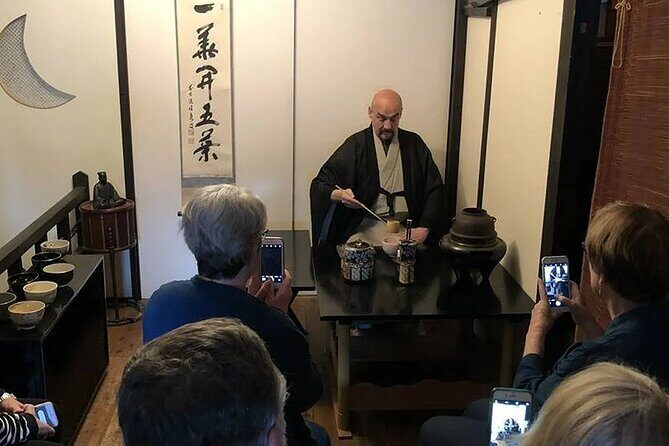
The experience is led by Randy Channell Soei, described as the highest-ranked master of tea ceremony from outside of Japan. That matters more than it sounds. In tea ceremonies, details are the point. The way tea is prepared, served, and received is part of the lesson.
Randy’s role isn’t just a title on a schedule. The ceremony is presented as a proper, traditional style of hospitality, and the session is clearly designed around explanation plus practice. The result is that you don’t just learn what to do; you learn what you’re doing and why.
Also, this isn’t a rushed “look and go” stop. The whole thing runs about 1 hour 30 minutes, which is long enough to cover etiquette, tasting, and hands-on matcha preparation without feeling like you’re constantly waiting for the group to catch up.
What happens during the ceremony: etiquette you can actually use
Tea etiquette can sound mysterious until you see it step-by-step. Here, you learn the details of a formal tea ceremony and the rules of the experience as it unfolds.
You’ll get taught how to behave during the ceremony—how to receive, how to respond, and how to handle the moment with respect. The key for you is that you’re not just memorizing gestures. You’re learning what the etiquette communicates. In formal ryurei, hospitality is the theme, and behavior is part of that hospitality.
This is also where the ceremony gets practical. Once you understand the etiquette, the next time you watch a tea ceremony in Japan you’ll notice things you previously missed. You’ll understand why the timing feels deliberate and why the tea is treated like something more than a drink.
Matcha snacks and tasting: the lesson has a flavor track
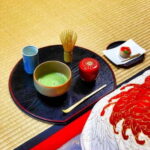
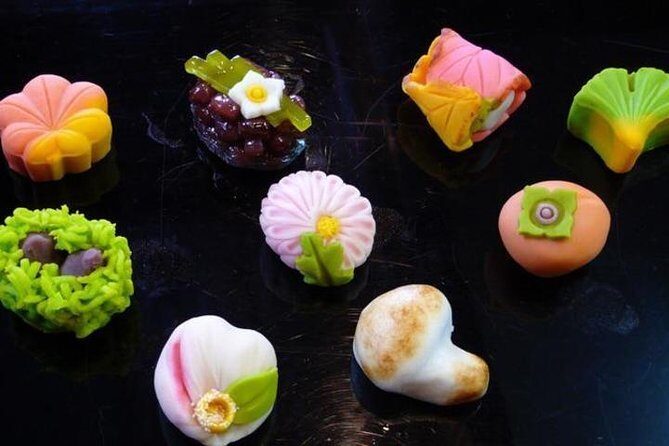
A tea ceremony isn’t only visual. Taste is the other half of the lesson. You’ll have Kyoto-grown matcha and traditional sweets from well-known Kyoto sweet makers, which matters because sweets in a tea ceremony are chosen to set the stage for the tea.
I like this approach because it keeps the experience grounded. Instead of only learning words and rules, you get to experience the taste contrasts that make the ceremony feel real. The sweets aren’t an afterthought, either. They’re part of the ritual pacing, giving you a rhythm: snack first, then matcha, then the final moments of the ceremony.
And if you love matcha already, this can still be satisfying because you get context for what makes the preparation and serving feel intentional. If you’re new to matcha, this format is friendly: you learn, taste, and try again with your own bowl.
Making your own bowl: the hands-on part you’ll remember
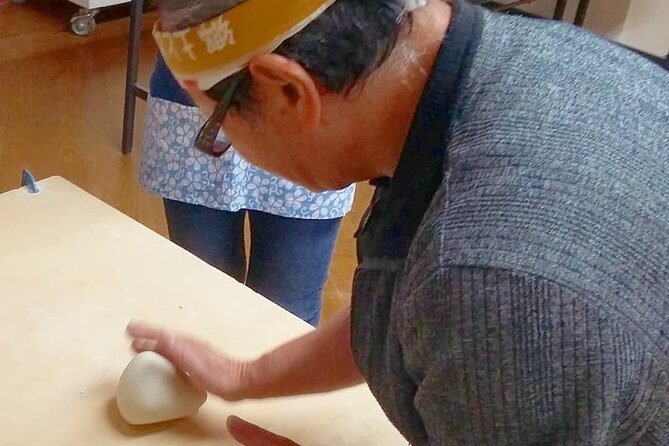
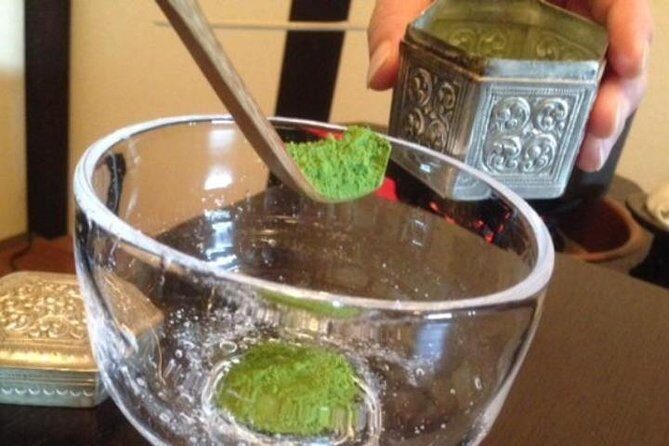
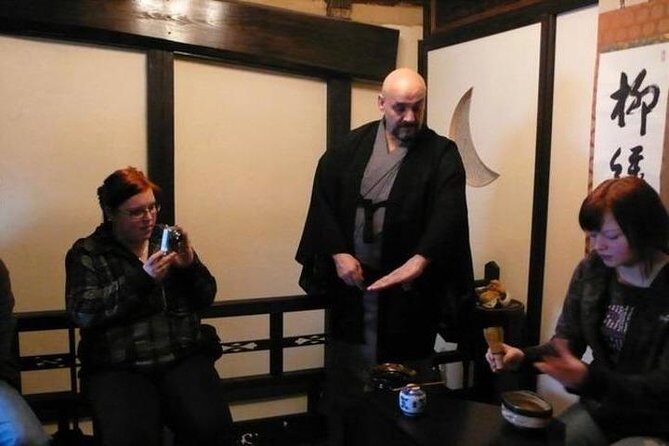
One of the most important inclusions is that you’ll make your own bowl of matcha. This is what turns a cultural show into a skill-building experience.
In a lot of tours, you whisk once, smile for a photo, and move on. Here, the hands-on element is clearly central. You’re learning the process as part of the formal flow, not just doing a quick imitation.
If you want to get value from the money you’re spending, this is the sweet spot: preparing matcha gives you a sensory memory you can recreate later. Even if you can’t replicate everything perfectly at home, you’ll at least remember what good matcha prep feels like and why the ceremony treats it with care.
You’ll also get a group photo, which is a nice touch if you’re traveling with friends or just want a simple record of your Kyoto specialty stop.

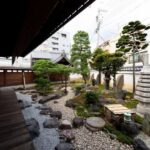

The setting and seating: what to expect when you arrive
The meeting point is in central Kyoto, at ran Hotei (address listed as 64 Kamikawarachō, Nakagyo Ward, Kyoto). The start point is the same as the end, so after your tea ceremony, you return right back to where you met.
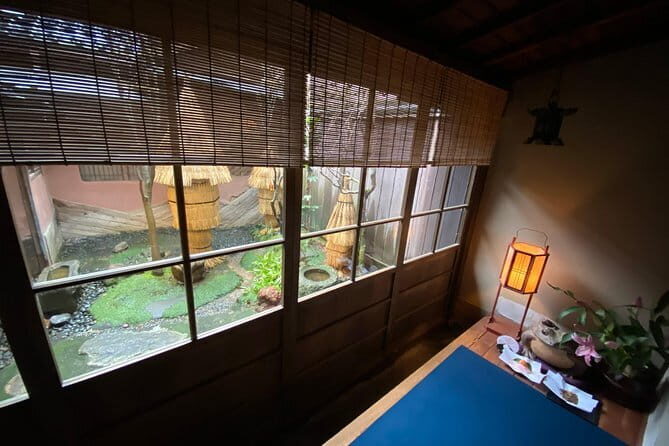
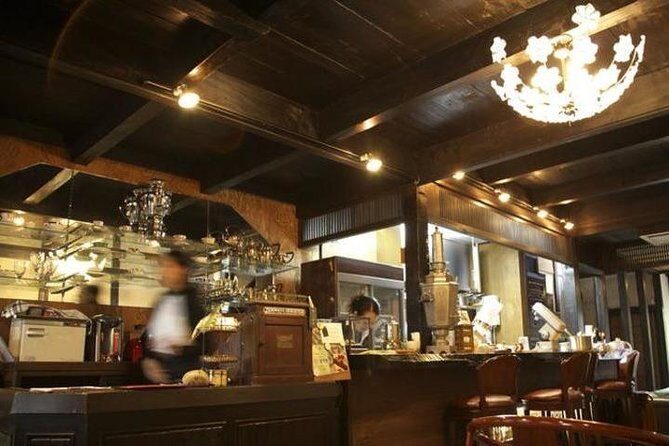
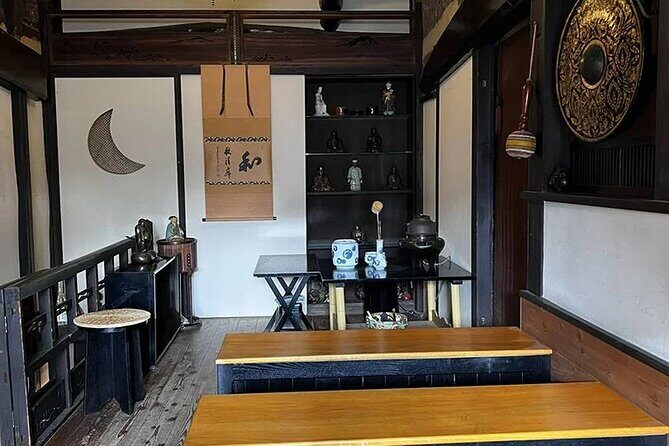
There’s also an important expectation to set: you are not seated on tatami mats or low tables. That doesn’t automatically mean the ceremony feels wrong. It means you’ll have a more accessible seating arrangement than the classic tea-room picture you might have in your head.
One more practical note: the ceremony space can feel small. That’s not necessarily a problem because the session is only about 90 minutes with a maximum group size of 25, so it tends to feel more like a focused class than a showroom performance. But if you’re coming in picturing lots of room to move, just know the environment may be compact.
Price and value: is $56.34 worth it?
At about $56.34 per person for roughly 1 hour 30 minutes, you’re paying for three things: instruction from a high-level tea master, a guided tasting experience, and hands-on matcha practice.
Many tea experiences give you tasting and maybe a brief explanation. This one adds more weight where it counts: formal ryurei etiquette plus you making your own bowl. Add in the included matcha, traditional Kyoto sweets, and the group photo, and the price starts to make sense as a full lesson rather than a quick activity.
Also, this is the kind of experience you book ahead. On average, it’s booked about 61 days in advance, which suggests it’s popular and not something you should plan to wing.
Logistics that matter in Kyoto: what to plan for
This experience is near public transportation, which is a big win in Kyoto. You won’t be stuck planning a long ride just to sit in a tea ceremony for 90 minutes.
Two things to plan for: transportation isn’t included, and kimono isn’t included. If you want to wear a kimono, you’ll need to arrange that separately. If you don’t care about the costume vibe, you’ll still get plenty of ceremony authenticity through the format and instruction.
You’ll also receive confirmation within 48 hours of booking, subject to availability. The ticket is mobile, which makes it easier when you’re moving around Kyoto with phone-based everything.
Who should book this (and who might skip)
This Traditional Tea Ceremony is best for you if:
- You want a formal, structured lesson in chanoyu etiquette
- You’re a matcha fan or even mildly curious and want to learn what good prep feels like
- You like learning through practice, not only watching
It may not be your best match if:
- You want the classic tatami-and-low-table setup specifically
- You’re looking for a lot of space or a big staged venue
- You’re hoping to skip instruction and only have a casual tea tasting
My booking advice: how to get the most out of it
To get value fast, treat this like a short class, not a performance. Show up with enough time to calm your pace before you start. Tea ceremonies follow their own timing, and you’ll enjoy it more if you’re not rushing your whole day.
If matcha is new to you, lean into the learning. The sweets and tasting are part of the education, so don’t rush straight to the tea without paying attention to the sequence.
If you already know a little about Japanese etiquette, bring that curiosity. Even small details in formal tea can be surprising once you learn what they signal.
And if you’re thinking about a photo: yes, you’ll get a group photo, but you might also want to take a moment to look around and notice how the ceremony space is used. That compact setting can actually help the lesson feel focused.
Should you book this traditional tea ceremony in Kyoto?
I’d book it if you want a real, formal tea experience with a serious instructor and a hands-on component. The ryurei focus, the high-level tea master, the included Kyoto-grown matcha, the Kyoto sweets, and the chance to make your own bowl make it feel like more than a typical tourist stop.
I’d reconsider if your priority is a picture-perfect tatami tea room setup or lots of room to roam. In that case, you might find the seating arrangement and smaller environment a mismatch for your expectations.
If your goal is learning etiquette and experiencing matcha as part of a respected tradition, this is a strong choice for Kyoto.
FAQ
Where does the tea ceremony start?
The experience starts at ran Hotei, 64 Kamikawarachō, Nakagyo Ward, Kyoto, and it ends back at the same meeting point.
How long does the ceremony last?
It runs for about 1 hour 30 minutes.
What is included in the price?
Included are the tea ceremony with a tea master, Randy Sensei’s original Kyoto-grown matcha, traditional Kyoto sweets, making your own bowl of matcha, and a group photo.
Is transportation included?
No, transportation is not included.
Is a kimono included?
No, kimono is not included.
Will I sit on tatami mats or low tables?
No. You are kindly noted that you are not seated on tatami mats or low tables.
Is there a maximum group size?
Yes. The activity has a maximum of 25 travelers.
How close is it to public transportation?
It is near public transportation.
Do I get to make matcha myself?
Yes. You make your own bowl of matcha as part of the experience.
How and when will I receive confirmation?
You’ll receive confirmation within 48 hours of booking, subject to availability, and the ticket is mobile.
What is the cancellation window for a full refund?
You can cancel for a full refund up to 24 hours in advance of the experience’s start time (based on local time).