REVIEW · KOBE
Sake Brewery and Japanese Life Experience Tour in Kobe
Book on Viator →Operated by OTOMO Travel Guide · Bookable on Viator
Sake in Kobe comes with real context. I love how this private route pairs Hakutsuru Sake Brewery Museum visuals with Fukuju-connected history, then ties it to everyday flavors like mirin and pickles. I also like the pace: four focused stops in about 4.5 hours, guided end to end. One catch to plan for: the tour does not include a meal, so you’ll want to eat before or after.
What makes it extra fun is the human factor. Guides like Norio and Tomoko show up with energy and specifics, and that matters with something this process-heavy. If you’re bringing friends, the small private-group setup makes it easier to ask questions without feeling rushed.
In This Review
- Why This Kobe Sake Tour Feels Practical, Not Just Fancy
- Quick Reasons to Go
- Price and Value: What You Pay vs. What You Budget
- Your Route in Plain English: Four Stops, Four Different Angles
- Stop 1: Hakutsuru Sake Brewery Museum and the Brewing Process in Context
- Stop 2: Kobe Shushinkan Breweries and Fukuju’s Serious Reputation
- Stop 3: Konan Muko no Sato—Mirin and Pickles That Explain the Flavor Language
- Stop 4: Oyasutei Ichiba Shopping Street and Kobe Life Beyond Beer-and-Brochures
- The Nada Advantage: Why Place Changes Taste
- Guides Make the Difference: Norio and Tomoko Set the Tone
- What It’s Like to Actually Do: Timing, Walking, and Comfort
- Who Should Book This (and Who Might Want Something Else)
- Should You Book This Kobe Sake and Japanese Life Tour?
- FAQ
- How long is the Kobe sake and Japanese life tour?
- Is the tour private?
- Where does the tour start and end?
- Do I need to pay extra for the Hakutsuru Sake Brewery Museum?
- Does the tour include a meal?
- Can I use credit cards at the stops?
- Is there an age limit for drinking sake?
- What happens if the weather is bad?
Why This Kobe Sake Tour Feels Practical, Not Just Fancy
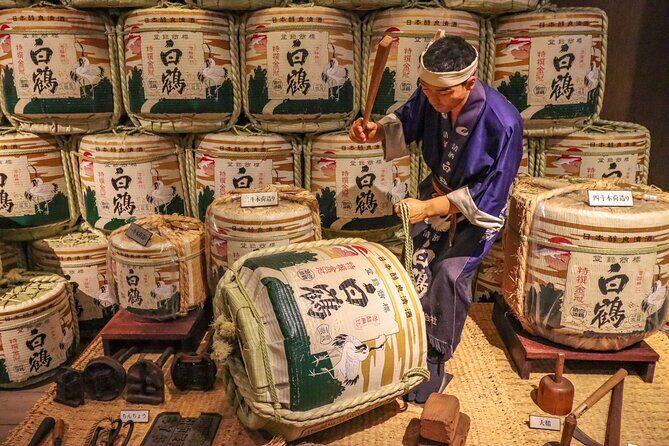
This isn’t a stuffy museum-only day. You’ll walk through places tied to Nada sake—then you’ll see how that same “sake world” shows up in food shopping. The tour also leans into how Kobe people actually live: markets, long-established stores, and snack-style browsing at neighborhood arcades.
And yes, you do get the tasting component. Just remember that under 20 are not allowed to drink in Japan, so plan accordingly if you’re traveling with younger teens.
Quick Reasons to Go
- Fukuju at Nobel Prize dinners connects Kobe sake to global culture
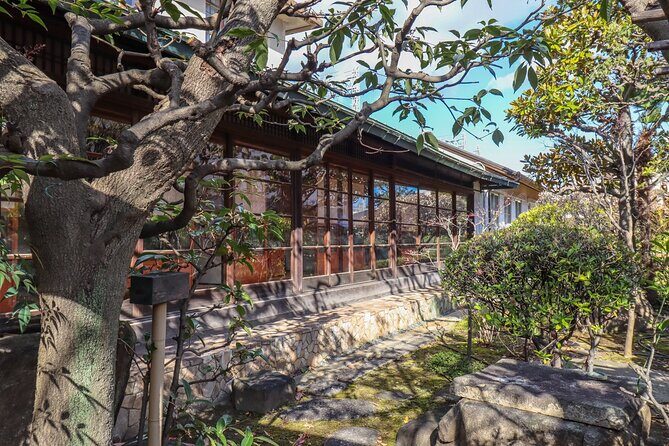
- Hakutsuru Sake Brewery Museum explains brewing operations in a Taisho-era building
- Kobe Shushinkan (250 years, Edo roots) keeps the Edo-to-today storyline coherent
- Mirin and pickles at Konan Muko no Sato shows how sake flavors travel into cooking
- Oyasutei Ichiba shopping street adds a neighborhood feel, not a staged souvenir stop
You can also read our reviews of more food & drink experiences in Kobe
Price and Value: What You Pay vs. What You Budget
The tour price is $83.56 per person for a private guided experience of about 4 hours 30 minutes. That’s the base cost, and it includes the guide and the necessary expenses for the guide during the tour. It’s also sold with a mobile ticket, which keeps check-in simple.
Where value gets real is in what’s extra. You should budget cash for:
- Hakutsuru Sake Brewery Museum admission: ¥530 per person
- Estimated transportation: ¥530 per person
So even though the headline price is clear, you’ll want to plan on roughly ¥1,060 in add-ons before you start buying snacks or anything else you want. No dining is included, so if you get hungry (you will, since you’re walking and tasting), you’ll need to handle food yourself.
Also note: some stops don’t accept credit cards, so bring cash. This is one of those small details that can quietly ruin a day if you’re unprepared.
Your Route in Plain English: Four Stops, Four Different Angles
This is a four-stop tour built to teach you sake from multiple directions: how it’s made, who made it famous, how it becomes food, then how the local shopping streets work as a living part of the culture.
You’ll start at Sannomiya Station (Chuo Ward). The tour ends at Kobe-Sannomiya Station near Onoedori. That end point difference can be convenient, but it’s also something to consider if you planned onward travel right away.
If the weather turns, routes and destinations may change, so keep your day flexible.
Stop 1: Hakutsuru Sake Brewery Museum and the Brewing Process in Context
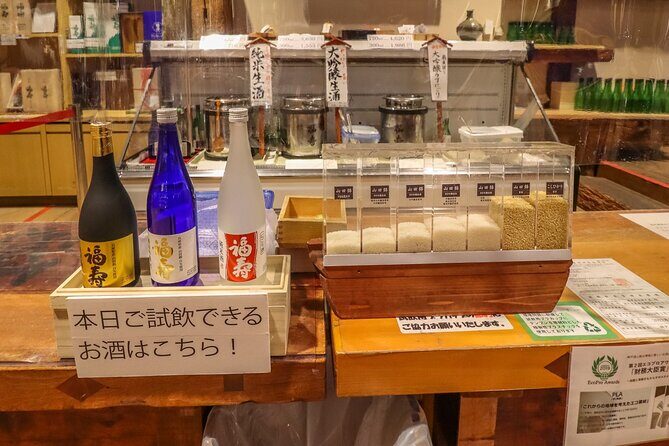
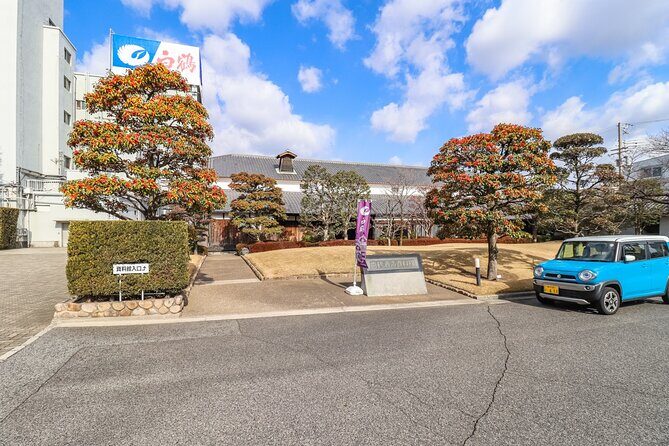
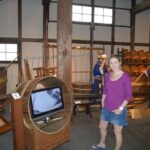
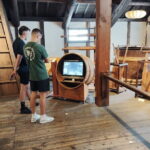
Your first stop is the Hakutsuru Sake Brewery Museum. The building dates to the early Taisho era, and that timing matters because it places the story in the era when Japan’s industrial modernization and cultural preservation were both moving forward.
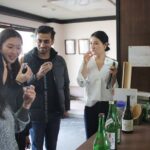
Inside, you’ll see the traditional brewing process and daily operations. This is the part that helps you stop treating sake as a mysterious liquid. Instead, you start noticing the steps that turn rice, water, and time into flavor. For me, this is where a guide earns their pay: when they connect what you’re seeing to what you’ll taste later.
What to watch for: pay attention to the process descriptions the guide gives, even if it feels technical. The payoff is that you’ll understand why certain tastes happen, not just what they are.
Potential drawback: if you’re hoping for mostly food on this tour, you might feel the museum portion takes up more time than expected. This is a sake-and-culture route first.
Stop 2: Kobe Shushinkan Breweries and Fukuju’s Serious Reputation
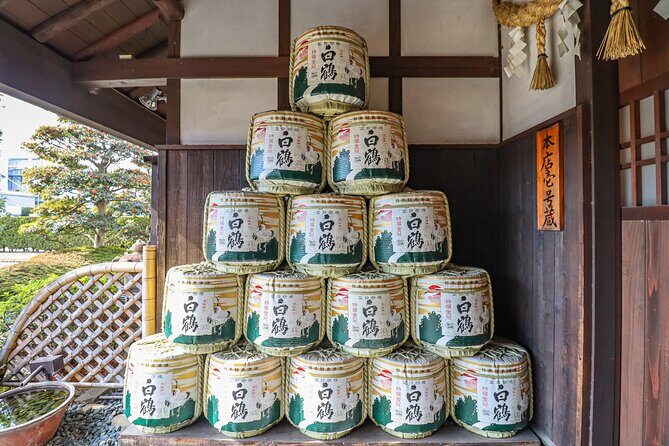
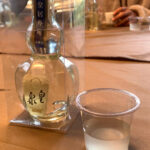
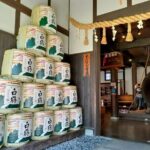
Next comes Kobe Shushinkan, a sake brewery that has been operating for about 250 years since the Edo period. The focus here is Fukuju, a sake associated with Nobel Prize dinners. That detail is more than trivia. It gives you a sense of scale—Kobe brewing isn’t just local pride, it’s something used for formal, high-visibility occasions.
You’ll also learn how Nada’s conditions support brewing. Nada is a major sake-producing area, and the tour explains the ingredients and environment behind the quality—things like the location, climate, rice quality, and water. You’ll come away with a more grounded idea of why the same “sake label” can taste different depending on place.
This stop is usually the most satisfying for people who like to ask questions. If your guide is Tomoko or Norio style-fun (and many tours are), you’ll get explanations that feel like a conversation, not a lecture.
You can also read our reviews of more drinking tours in Kobe

Stop 3: Konan Muko no Sato—Mirin and Pickles That Explain the Flavor Language
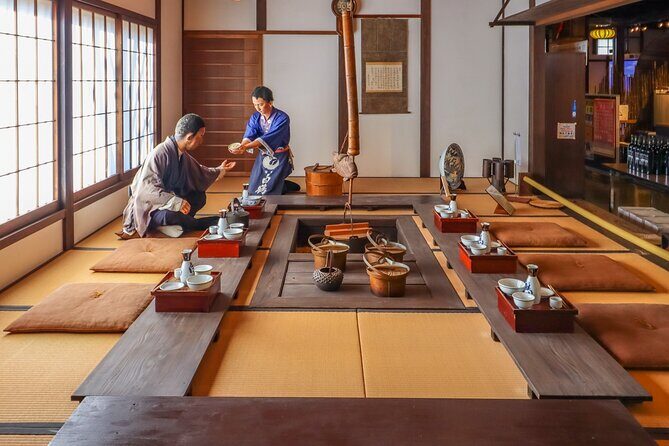
Then you shift from brewing to cooking culture at Konan Muko no Sato. This stop focuses on mirin and pickles. Mirin is sweet cooking rice wine, and the tour makes an important point: mirin comes from similar raw materials as sake, so the flavors share a family resemblance.
In practical terms, this is where you learn how Japanese cuisine uses sake-adjacent ingredients for balance. Mirin can add sweetness and depth to sauces, while pickles show how acidity and salt work as a counterpoint. You’ll start tasting these “supporting characters” instead of treating them like side dishes.
What I like here: it turns the day from a one-time tasting into something you can recognize later when you eat Japanese food. Even if you don’t buy much, the learning sticks.
What to keep in mind: this tour doesn’t include a dedicated meal stop. So if you want to taste foods beyond what’s part of the tour experience, be ready to buy on your own at shops.
Stop 4: Oyasutei Ichiba Shopping Street and Kobe Life Beyond Beer-and-Brochures
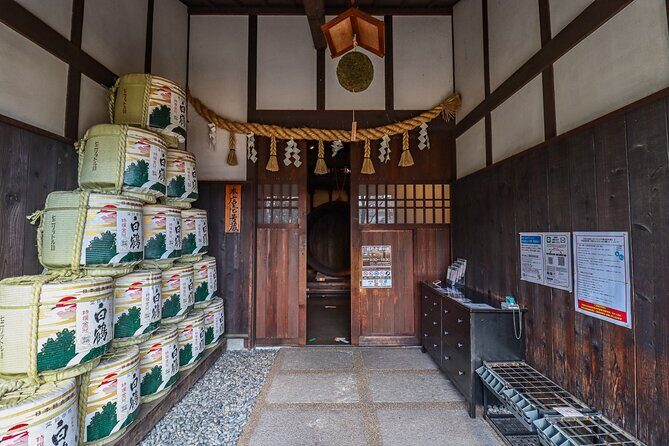
The final stop is Oyasutei Ichiba Shopping Street, a market area with a history of over 100 years. It’s often described as the oldest shopping street in Kobe. Today, you’ll find long-running stores with a postwar-era continuity vibe.
This is where the tour becomes more than “sake class.” You get a chance to see how locals browse—what kinds of items are sold, how shopkeepers talk with regulars, and how shopping streets function as social spaces.
Practical advice: bring small bills. Since some stops don’t take credit cards, you’ll want a simple payment system ready. Also, wear shoes you trust for uneven pavement and short bursts of walking.
The Nada Advantage: Why Place Changes Taste
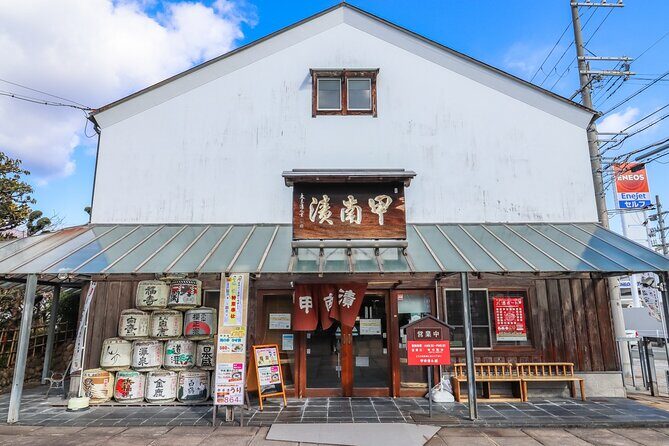
A key takeaway from this tour is that Kobe sake isn’t just branding—it’s geography plus technique. Nada has been brewing sake since the Edo period, and it accounts for about 30% of Japan’s total sake production, which gives you an idea of why the area matters.
The tour also links taste to conditions:
- Nada’s location and climate
- Quality of rice
- Water, which supports brewing and final flavor
When you hear that explanation while you’re touring breweries and tasting, it changes how you read flavor. Instead of saying, This is good, you can start saying, This is how place and process shaped the result.
Guides Make the Difference: Norio and Tomoko Set the Tone
The best part of this tour for me is the guide quality. In the feedback shared for this experience, guides named Norio and Tomoko come up often, and what stands out is not only knowledge but the ability to keep the day moving and the explanations clear.
For a subject like sake—where steps can feel abstract—having someone who can translate the process into what you’ll taste is huge. It also helps that some guides bring real enthusiasm. One piece of practical advice: if you’re booking, mention your interests (brewing process, tasting, or how sake connects to food). A good guide will steer the conversation.
One consideration: guides can have different personal enthusiasm levels. If you want a tour that feels like a party of tasting, you may be happier with someone who leans playful and talkative.
What It’s Like to Actually Do: Timing, Walking, and Comfort
The tour runs about 4 hours 30 minutes, and it involves walking between multiple stops. The company’s guidance is straightforward: wear comfortable clothing, since you’ll be on your feet.
Also plan your day around the fact that:
- This is a private tour for your group.
- Your group will only include you, so you won’t be merged into a big crowd.
- The start and end points differ, so check transit plans accordingly.
Bring a small amount of cash plus a card as backup. And if you know you’ll need coffee or lunch, handle it outside the tour since there’s no dining spot included.
Who Should Book This (and Who Might Want Something Else)
This tour is a great match if you:
- Like cultural learning that connects to what you eat
- Want a focused introduction to sake brewing and tasting
- Enjoy neighborhood walking and shopping streets, not only landmark photos
- Appreciate private guidance where you can ask questions
You might want to skip this (or pair it with another food-focused plan) if you’re expecting a heavy restaurant-style meal schedule. This route is built around museums, breweries, ingredient learning, and local browsing. It’s not a full day of meals.
Should You Book This Kobe Sake and Japanese Life Tour?
I think it’s an easy yes if you’re in Kobe for a short time and want a tour that teaches you why Kobe sake tastes the way it does—then shows you how those flavors show up in cooking ingredients like mirin and pickles.
Book it if you’re comfortable budgeting a bit of extra cash (especially for the Hakutsuru museum admission and local transit), and if you’ll enjoy walking around Sannomiya-area streets and shopping districts. Skip it if you’re mainly looking for a sit-down food crawl. This is sake-first, culture-forward, and guided.
If your group likes breweries and learning-by-walking, this is one of the best “learn something real” tours you can do in Kobe.
FAQ
How long is the Kobe sake and Japanese life tour?
It runs for about 4 hours 30 minutes.
Is the tour private?
Yes. It’s a private tour/activity, and only your group participates.
Where does the tour start and end?
It starts at Sannomiya Station (4丁目-1-1番-1, Nunobikichō, Chuo Ward, Kobe) and ends at Kobe-Sannomiya Station (7 Chome-1, Onoedori, Chuo Ward, Kobe).
Do I need to pay extra for the Hakutsuru Sake Brewery Museum?
Yes. The Hakutsuru Sake Brewery Museum admission fee is listed as ¥530.00 per person.
Does the tour include a meal?
No. The tour does not include a dining spot, so you’ll need to plan food separately.
Can I use credit cards at the stops?
Some spots do not accept credit cards, so it’s smart to bring cash.
Is there an age limit for drinking sake?
Under age 20 are not allowed to drink in Japan.
What happens if the weather is bad?
If the weather is bad, there’s a possibility that transportation, destinations, and routes may change.