REVIEW · KOBE
Kobe 4hr Private Tour with Government-Licensed Guide
Book on Viator →Operated by Japan Guide Agency · Bookable on Viator
Kobe in four hours sounds tight, but it works because the city is compact and easy to walk when you’re not stuck in a big bus line. I like that this is a private, government-licensed guide experience with free-admission stops among the options, so your money goes toward time and local know-how instead of gate fees and crowd wrangling. You do need to plan for one trade-off: it’s a walking tour, and the pace can feel brisk depending on what you choose.
What makes it especially appealing is the way you can shape the day. You choose from a menu of Kobe highlights—mountain viewpoints, historic neighborhoods, earthquake memory, and multiple sake museums—then get local recommendations that match your interests. The biggest consideration is communication and pace: some guides are fluent in English and some are less so, and you’ll be on your feet for a big chunk of the 4 hours.
In This Review
- Key highlights worth caring about
- Kobe in four hours: why this private format fits the city
- Your guide: what “government-licensed” means for you
- Walking-first logistics: meeting on foot, choosing routes
- Mt. Rokko and the Shin-Kobe Ropeway: skyline views without wasting hours
- Port of Kobe Earthquake Memorial Park: a stop that lands with weight
- Kitano Ijinkan-gai and Kobe Harborland: neighborhood history + waterfront energy
- Kitano Ijinkan-gai
- Kobe Harborland
- Nada sake museums: the best way to understand Kobe’s flavor culture
- Chinatown (Nankinmachi): short walk, big flavor contrast
- Akashi Kaikyo Bridge: the one big wow option
- Price and value: where the money actually goes
- Who should book this Kobe private tour
- Should you book this Kobe 4-hour private tour?
- FAQ
- How long is the Kobe private tour?
- How many sites can we choose?
- Is the guide English-speaking, and is the guide licensed?
- Do we get pickup in Kobe?
- Are admission fees included?
- Is transportation included?
- Is lunch included?
- Can I cancel for a full refund?
- Is this tour mostly walking?
Key highlights worth caring about
- Government-licensed, local English-speaking guides with strong Kobe context and practical guidance
- Pick 2–3 stops from a focused list, so you avoid the all-day “checklist tour” feeling
- Mt. Rokko / Shin-Kobe Ropeway area for big city views with minimal time waste
- Nada sake museums for a structured way to understand Kobe’s brewing history (and sample culture)
- Port of Kobe Earthquake Memorial Park for a respectful, meaningful stop that isn’t just sightseeing
- Custom food moments, including Kobe beef recommendations and reservation help mentioned by guides
Kobe in four hours: why this private format fits the city
Kobe is the kind of place where “doing it all” usually means wasting time—waiting, riding, and herding. This private tour format is smarter. You’re not locked into a rigid route; you’re picking what matters most to you from a list of well-known areas and museums. That alone is a big value play, because it keeps your 4 hours from evaporating.
I also appreciate the structure of the day. Many of the stops listed are marked free for admission, which is a rare win in Japan tours. It means you can spend your money on the guide and the time together, not on stacking ticket costs before you even sit down for your first meal.
The other big reason it works: Kobe’s highlights are spread in a way that makes sense when you have local routing help. Mt. Rokko and the Shin-Kobe area give you that “Kobe isn’t flat” perspective fast. Then you can pivot into neighborhoods around Kitano and the waterfront. Or you can go straight into the Nada sake district, which is more interesting than it sounds once you’re there.
You can also read our reviews of more guided tours in Kobe

Your guide: what “government-licensed” means for you
This tour isn’t just someone with a “nice personality” holding a map. The guide is government-licensed, and that shows up in how the day is explained. You’re not only getting directions; you’re getting context—how Kobe’s story connects to Japan’s broader culture and history.
In the guide feedback for this experience, you’ll see patterns that matter to real travelers:
- Guides often arrive early and are clear about the day’s flow.
- They plan around your interests and your stamina, not a one-size schedule.
- Some guides go beyond basics, like helping you figure out the correct train back to Osaka after the tour.
Different guides bring different strengths. One guide named Norio is praised for packing a lot into the time and making sure the group found the right train back to Osaka. Yama is mentioned for storytelling and staying energetic even with a walking pace that can be challenging for some people. Hiro and Mizuho are also noted for practical navigation and restaurant help. In short: the “licensed guide” part isn’t just a badge; it shows up as real-day usefulness.
Walking-first logistics: meeting on foot, choosing routes
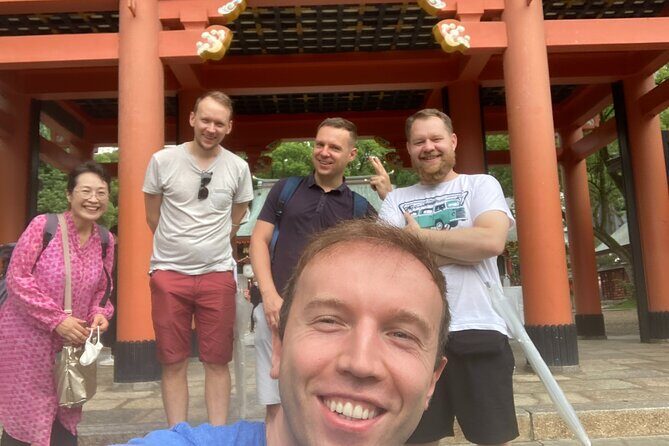
The tour is described as a walking tour, with pickup offered on foot. That means you’ll meet your guide within a designated area in Kobe rather than being collected by a private vehicle at your exact doorstep.
What this means for you:
- You should wear shoes that handle uneven sidewalks and stairs.
- If you’re choosing Mt. Rokko and ropeway access, expect more vertical walking.
- If you’re bouncing between a waterfront zone and older neighborhoods, you’ll likely combine walking with local transport.
Some guide plans in feedback mention taxis and public transit when it saves time between areas. That’s not guaranteed for every itinerary, but it lines up with what makes sense in Kobe: certain hops are faster by train or short rides, while walking is best for neighborhood breathing room.
Also, this is a private tour, so it’s only your group. No “waiting for the slowest person” group effect. If your group moves slower or faster, your guide can respond.
Mt. Rokko and the Shin-Kobe Ropeway: skyline views without wasting hours
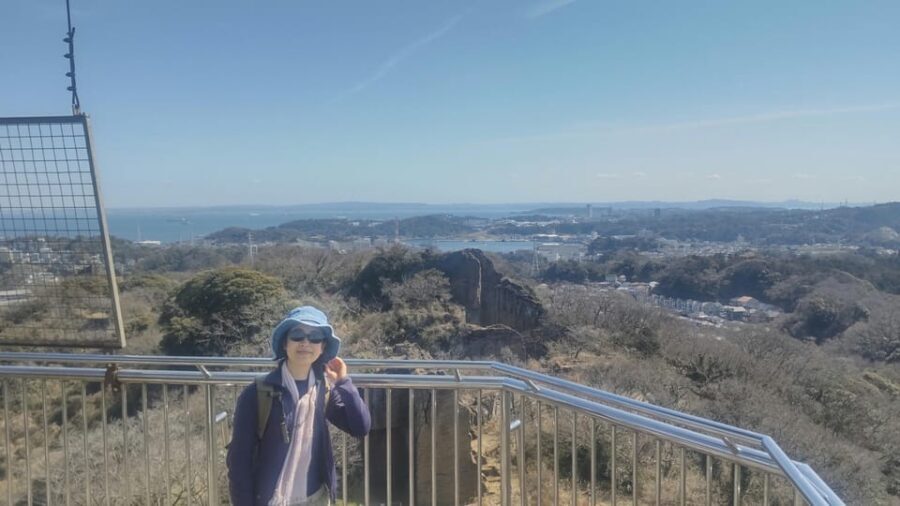
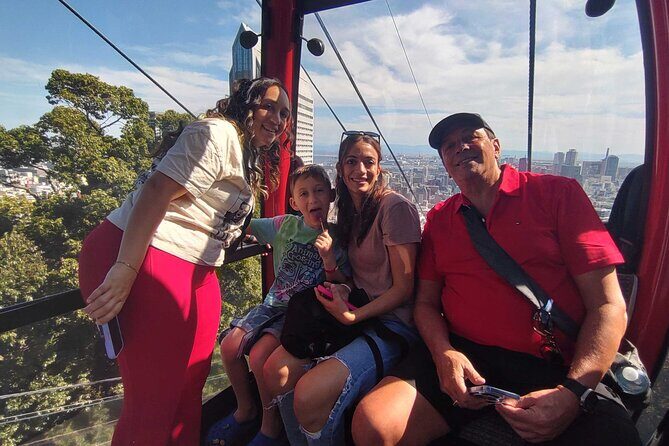
If you want Kobe’s geography to hit you quickly, start here. Mt. Rokko is the highest peak in the Rokko range, and it gives you the green, hilly backdrop that defines the city. The Shin-Kobe Ropeway (near Shin-Kobe Station) is one of the lift options that gets you up the slopes fast.
What to expect at this stop:
- A viewpoint payoff that’s hard to replicate from sea level.
- Clearer photo angles because you’re elevated above the urban sprawl.
- A short “outdoor zone” feel even though you’re still close to the city.
One important practical note: a guide feedback comment points out that people sometimes call it a ropeway, but it functions like a cable car ride. Either way, the experience is smooth and designed for visitors, not hikers hauling a backpack.
Some guide routes connected with this area include garden time. For example, Nunobiki Herb Garden shows up in guide feedback as part of the overall Mt. Rokko-type day, including scent-room-style sampling. You’ll still want to keep an eye on timing because the day is only 4 hours and you’re choosing just 2–3 stops.
Drawback to consider: if fog or low visibility rolls in, you might not get the big panoramic views you hoped for. One guide feedback example mentions heavy fog limiting the view, but the gardens still delivered nice photo opportunities.
Port of Kobe Earthquake Memorial Park: a stop that lands with weight

This is the stop that often turns a “fun tour” into something more human. Kobe was hit by the Great Hanshin Awaji Earthquake on January 17, 1995, and this memorial park marks the tragedy with seriousness and care.
Why this stop is valuable (even if it’s not on your must-do list):
- It’s one of the clearest places to understand why Kobe has a deep culture of resilience.
- It gives meaning to the city beyond food and shopping.
- It’s a quieter kind of sightseeing that doesn’t feel like a checklist box.
Practical tip: treat this stop like you would a museum or cemetery—pace yourself, keep your phone use respectful, and give yourself a little mental space. Even with a short 4-hour day, this memorial park can be the emotional anchor that makes the rest of the tour feel more grounded.
You can also read our reviews of more private tours in Kobe
Kitano Ijinkan-gai and Kobe Harborland: neighborhood history + waterfront energy
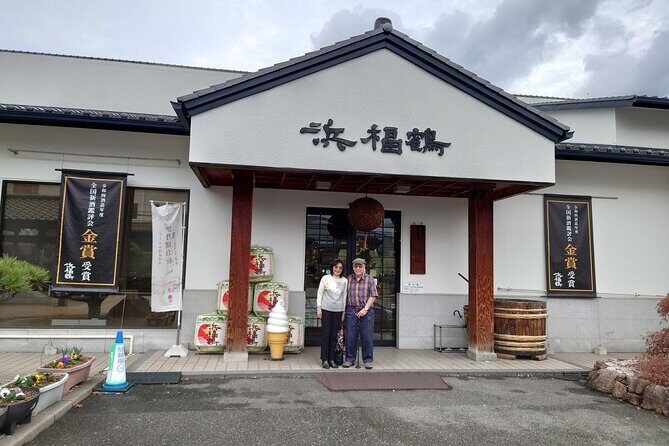
If you like your travel days mixed—beautiful streets plus story—this is your combo.
Kitano Ijinkan-gai
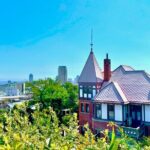
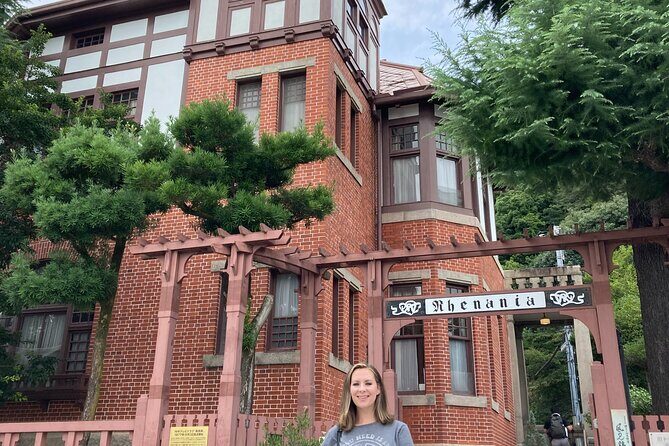
Kitano Ijinkan-gai (in the Kitano district at the foot of the Rokko range) reflects the era when foreign merchants and diplomats settled in Kobe after the port opened to foreign trade. In practice, that means you’re walking through an older-feeling area where the architecture and street layout tell a “this city connected to the world early” story.
This stop pairs well with a viewpoint morning. You get height first (Mt. Rokko / ropeway), then you come down into a neighborhood that feels different from the modern city blocks.
Kobe Harborland
Kobe Harborland sits between JR Kobe Station and the waterfront. It’s a shopping and entertainment district, and it’s a useful last-stop choice if you want options for snacks or an easy place to regroup.
One reason Harborland works: it’s not only scenic. It’s practical. If your group wants coffee, dessert, or to browse after the tour, this is one of the simplest areas to do that without crisscrossing the city.
Nada sake museums: the best way to understand Kobe’s flavor culture
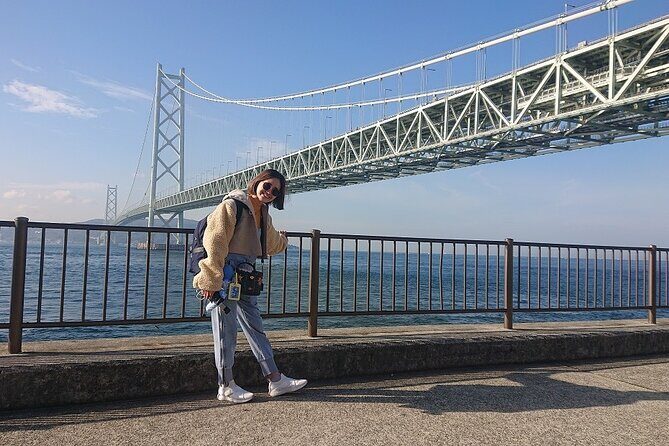
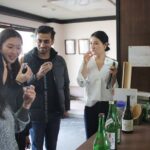
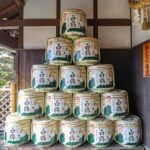
Kobe’s sake story is deeply tied to the Nada region’s brewing conditions—rice, water, and weather that helped make this one of Japan’s top production areas. Instead of treating “sake” as a souvenir, the museum stops give you a guided way to connect the craft to the place.
You can choose among several museums and experiences, and they feel distinct:
- Hakutsuru Sake Brewery Museum: a structured introduction to Kobe/Nada sake, with background on why Nada matters and a place to learn before you taste.
- Sawanotsuru Museum: built to commemorate the brewing heritage, with a rebuilding story after the 1995 earthquake.
- Sakuramasamune Kinenkan Sakuraen: includes tools/machines used in the past, plus a video presentation on traditional brewing.
- Hamafukutsuru Ginjo Brewery: has a focus on ginjo-grade sake and uses diagrams and written information to explain the process.
- Kiku-Masamune Shuzo Kinenkan: set in a nice wooden building, with tools and machinery displayed and traditional music in the room.
- Kobe Shushinkan Brewery: pairs a large shop and restaurant with free guided tours of the sake warehouse held once per day.
How to make this section pay off: choose one museum, not three, unless you’re a serious sake-nerd. In a 4-hour tour, museums stack fast. The goal is understanding, not checking every label.
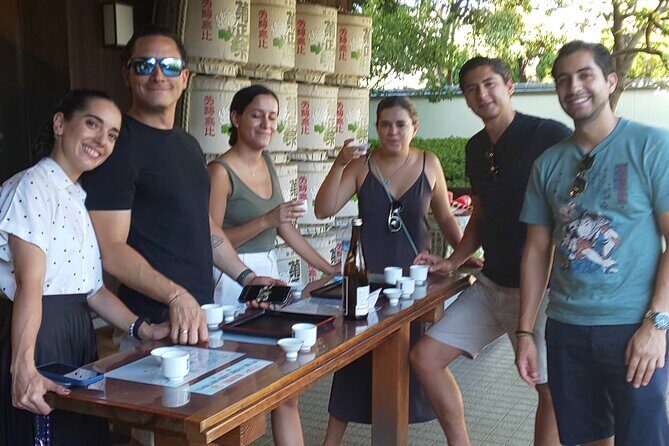
Also, this is where food planning often shines. In guide feedback, guides such as Norio and Hiro are connected with pairing the museum time with good practical meals, including Kobe beef recommendations. One guide named Mizuho is specifically noted for making reservations for Kobe beef after the tour—useful if your timing is tight.
Possible drawback: if you’re not into museums or tasting culture, the sake stops may feel like “lots of reading and displays.” That’s why I suggest pairing one sake museum with either a viewpoint or a neighborhood walk, so the day stays varied.
Chinatown (Nankinmachi): short walk, big flavor contrast
Nankinmachi is Kobe’s compact Chinatown and the center of the Chinese community in the Kansai region. The area developed around Chinese merchants who settled near Kobe Port after the port connected more strongly to international trade.
In practical terms, Chinatown is a high-reward stop for a short private tour:
- It changes the pace from “museum time” to “street time.”
- It gives you an easy place to browse snacks and try something you can’t get back home.
- It’s compact, so you don’t feel like you’re losing your day to transit.
One nice thing for your planning: if you’re already visiting the Port/Harbor area, Chinatown is a logical add-on. If you’re choosing a sake museum in Nada, it’s still doable as one of your 2–3 selected stops, but you’ll want your guide’s routing help to keep the day smooth.
Akashi Kaikyo Bridge: the one big wow option
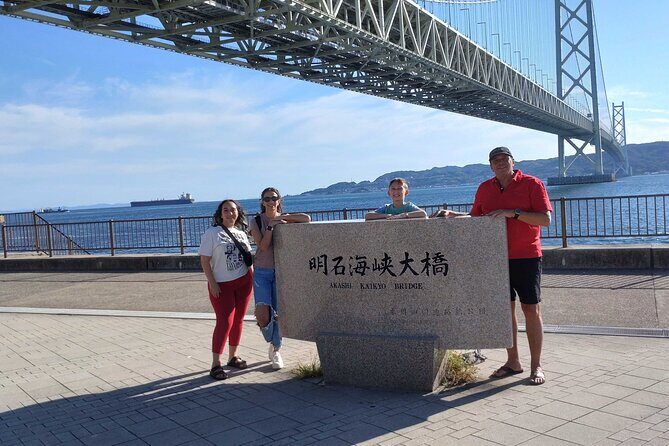
If you want the tour to deliver a dramatic, “wow, that’s huge” moment, consider Akashi Kaikyo Bridge. It’s described as almost 4 kilometers long and the world’s longest suspension bridge, spanning the Akashi Strait between Kobe and Awaji Island.
Why it works in a short tour:
- You get a monumental sight without needing hours of additional side trips.
- It’s memorable even if you only spend a moderate amount of time there.
Trade-off: this is the kind of stop that can consume more time than a neighborhood museum. In a 4-hour day where you’re selecting only 2–3 stops, it may squeeze something else if your group wants a lot of walking.
Price and value: where the money actually goes
The price is $108.99 per person for about 4 hours with a private, government-licensed English-speaking guide. On paper, that sounds like a premium. In practice, it can be good value because:
- You choose 2–3 sites, which prevents the “paying for time you won’t care about” problem.
- Many of the listed stops are marked free admission in the tour options, meaning fewer ticket costs chip away at your budget.
- You also get local tips that help you avoid time-wasters, like guessing routes or searching for the best snack stop after the last museum.
What you should budget for separately:
- Transportation fees (it’s not a private-vehicle tour).
- Lunch and personal expenses.
- Any entrance costs for sites not covered by the included “what to expect” list.
So my rule of thumb: this tour makes the most financial sense if you’ll use the time well—meaning you actually pick the right mix of mountain/viewpoint + one culture block (museum neighborhood or earthquake memorial) rather than trying to force-fit too much.
Who should book this Kobe private tour
This experience is a strong fit for:
- You want a high-impact 4-hour Kobe intro without crowds.
- You prefer walking and neighborhood exploration with a guide who can explain what you’re seeing.
- You like sake culture and want a structured museum stop in Kobe’s Nada brewing zone.
- Your group values flexibility, because you can pick the 2–3 sites that match your day.
It may be less ideal if:
- You want a fully relaxed day with minimal walking.
- You’re sensitive to guide communication differences. Most guides are described as English-speaking, but one feedback example notes limited English clarity. If that matters a lot to you, choose destinations that don’t rely heavily on long explanations.
Should you book this Kobe 4-hour private tour?
If you’re doing Kobe as a day stop, I’d book it—especially if you’re choosing either Mt. Rokko + one cultural neighborhood/memorial or a sake museum day paired with a neighborhood walk. The biggest “yes” factor is the combination of private pace and guide expertise, plus the way many stops are free for admission within the options.
If your travel style is more “I want to wander alone and I don’t need much context,” you might skip a guide and rely on transit and your own reading. But if you want a day that feels organized, meaningful, and tailored—this is the kind of Kobe plan that saves time while adding understanding.
If you’re okay with stairs, outdoor walking, and a brisk pace that can depend on your selected stops, this tour is a smart way to make Kobe click fast.
FAQ
How long is the Kobe private tour?
The tour lasts about 4 hours.
How many sites can we choose?
You choose 2–3 sites from the tour’s list of available highlights.
Is the guide English-speaking, and is the guide licensed?
Yes. The experience includes a licensed local English-speaking guide, and the guide is government-licensed.
Do we get pickup in Kobe?
Pickup is offered, but it’s a walking tour setup, so you meet the guide on foot within a designated area of Kobe.
Are admission fees included?
The included sights are shown with free admission in the tour plan. Entrance fees are listed as not included in general, so plan on paying any extras only if you add anything outside the listed options.
Is transportation included?
No. Transportation fees are not included, and a private vehicle is not included.
Is lunch included?
Lunch is not included.
Can I cancel for a full refund?
Yes. You can cancel up to 24 hours in advance for a full refund. If you cancel less than 24 hours before the start time, the amount paid is not refunded.
Is this tour mostly walking?
Yes. It’s described as a walking tour, with meeting and pickup on foot and the day built around walking between the selected stops.