REVIEW · OSAKA
Osaka: Walking Tour and Top Highlights
Book on GetYourGuide →Operated by Osaka JOINER · Bookable on GetYourGuide
Osaka feels like a game you can walk through. I love the Osaka Castle viewpoints and the way the tour pairs history with quick photo stops, and I love Kuromon Market for eating with zero guesswork. The main catch is it’s still a fast 4 hours on foot, and extra costs like subway fares and the castle entry fee are on you.
What makes this outing work is the human part: an English-speaking guide who helps with photos, keeps the group moving, and explains what you’re looking at in plain language. I also like that you can end in Dotonbori, where neon and street food make it easy to keep exploring after the tour’s done. If you hate crowds, tall stairs, or long subway transfers, plan to go early and take your time at each stop.
The average rating is 4.8 with lots of bookings, and names like Buchi, Tony, Halu, Lily, Minori, and Kyoka come up often—usually for clear explanations and flexible pacing. Just keep realistic expectations: you’ll see the big hits, not live inside each place for hours.
In This Review
- Key highlights at a glance
- Where the tour starts: Namba Walk and that easy meeting point
- Osaka Castle: big scenery, short guided stops, smart pacing
- Subway hopping without getting lost: how the route really feels
- Shinsekai and Tsutenkaku: retro Osaka with time to actually enjoy it
- Shitennoji Temple: a calm reset in one of Osaka’s oldest sites
- Kuromon Ichiba Market: your best chance to eat your way through Osaka
- Dotonbori neon finish: end where the energy is highest
- Price and value: what $64 covers (and what costs extra)
- Guide style: the biggest reason people rate this so highly
- Who should book this walk, and who should skip it
- Brief practical notes you’ll want before you go
- Should you book Osaka JOINER for this 4-hour highlights walk?
- FAQ
- How long is the Osaka walking tour?
- What’s included in the price?
- What extra costs should I budget for?
- Where do I meet the guide?
- Does the tour include a tea or matcha experience?
- Is there an optional pickup service?
- What should I bring and what weather should I plan for?
Key highlights at a glance
- Osaka Castle views without the stress: short guided time plus park scenery built for photos.
- Hokoku Shrine stop: a small detour that adds a traditional layer near the castle area.
- Shinsekai + Tsutenkaku: retro Osaka, quick sightseeing, and time to snack or shop.
- Shitennoji Temple: one of Japan’s oldest temple sites with gardens and calm you can feel.
- Kuromon Market street-food timing: a focused break where you can eat first, ask questions second.
- Dotonbori neon finish: a final hit of lights and food options right where you’ll want to wander.
Where the tour starts: Namba Walk and that easy meeting point
Most people start the day already in the Osaka “do stuff” zone. This tour meets at the base in Namba Walk, an underground shopping area, inside the section between exit B21 and B23. The store is between DOCOMO and MIZUNO, and there are two walkways in Namba Walk—so if you can’t find it on one side, simply cross to the other.
Why this matters: Namba is one of the easiest places to get oriented in Osaka. Starting underground also helps on hot days or rainy days, since you’re not immediately exposed. If you’re using transit, you’ll likely have to do a bit of metro hopping anyway, so meeting here keeps you from losing time to street navigation.
You can also read our reviews of more walking tours in Osaka

Osaka Castle: big scenery, short guided stops, smart pacing
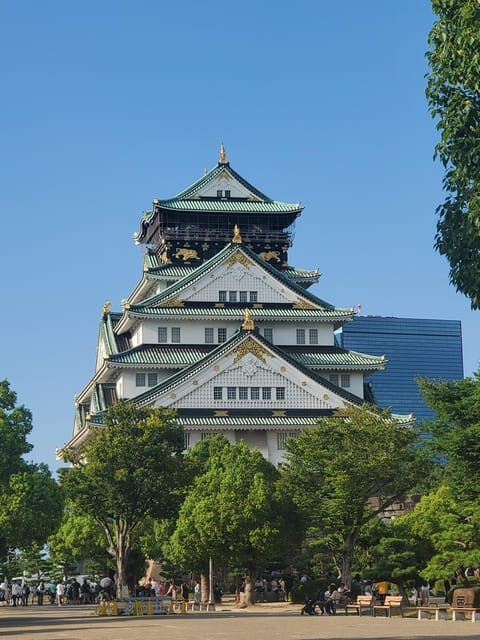
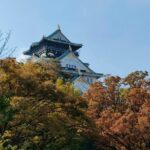
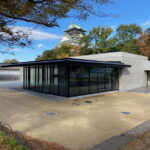
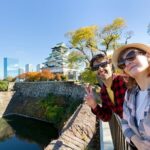
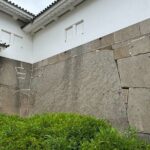
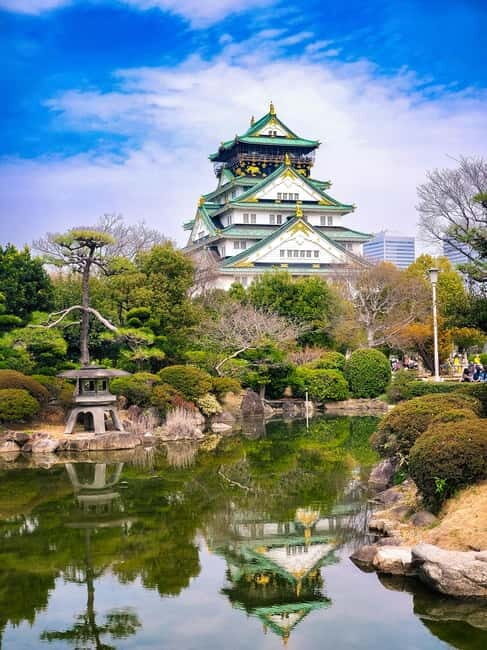
You’ll head to Osaka Castle with a quick subway transfer, then get about 50 minutes around the castle area. Expect a photo stop plus guided sightseeing in the grounds and nearby park. Even if you’ve seen castle exteriors online, being there in person hits differently—especially if the weather is clear. The higher viewpoints and open grounds give you lots of angles for skyline-style photos.
Practical note: castle entry fees aren’t included (1200 YEN), so decide ahead of time if you want to go in. If you’re mainly there for the exterior views, you can still enjoy plenty of time in the surrounding grounds. If you want the inside, bring cash and factor in the extra time it may take.
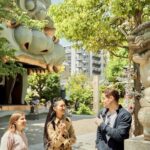
After the castle, you’ll also hit Hokoku Shrine (about 15 minutes), mostly as a photo stop with a guided explanation. This is the kind of small stop that makes the tour feel more than just postcard hopping. It adds a traditional element right when your eyes are still soaked in castle scenery.
Subway hopping without getting lost: how the route really feels
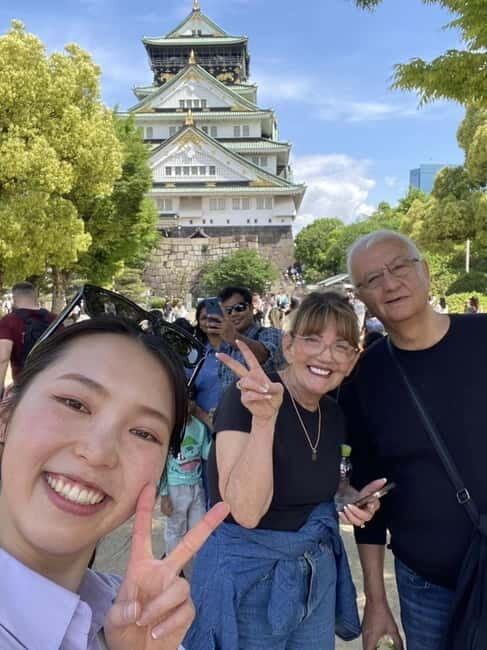
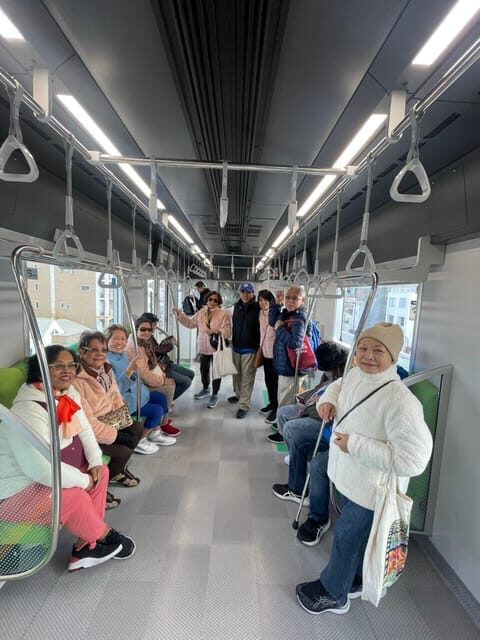
This is a walking tour with frequent short metro segments. That sounds tiring on paper, but in practice it’s a good trade-off: you spend time on foot where it counts and use the subway to connect Osaka’s major zones efficiently.
Two details help a lot. First, the guide supports photography, so you’re not fumbling your camera every time the light changes. Second, the pace includes brief guided segments followed by short free moments—so you’re not stuck in a nonstop lecture.
If you have a Suica card (or similar contactless transit card), you can use it for subway rides. One guide recommendation you’ll see repeated is skipping special all-day ticket purchases when you can just tap in and out. Either way, budget subway fares of about 800 YEN total, since that’s listed as not included.
Shinsekai and Tsutenkaku: retro Osaka with time to actually enjoy it
Next comes Shinsekai, a district known for retro street vibes and the presence of Tsutenkaku Tower. You get a break time plus photo stop, sightseeing, some free time, and a chance to shop (around 20 minutes total in the area).
This is where the tour starts to feel like a real day out, not just sightseeing. Shinsekai works because it’s visual and snack-friendly. Even if you don’t buy much, walking these streets gives you that Osaka “characters and signage” feel.
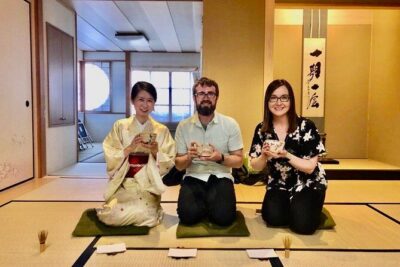
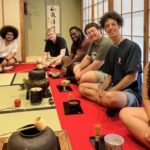
Then you’ll visit Shinsekai Market for about 15 minutes and include a tea moment. If you selected the matcha option, this portion becomes even more relevant. The idea isn’t that you’ll spend an afternoon in a tea room. It’s that you’ll get a quick taste of Japanese tea culture while the district’s energy stays on around you.
Tsutenkaku itself is a short photo stop and sightseeing visit (about 10 minutes). You don’t need long here—because the tower is the whole point, and your time is better spent absorbing the surrounding streets.
Shitennoji Temple: a calm reset in one of Osaka’s oldest sites
Shitennoji takes you into a different rhythm. You’ll get about 30 minutes here, including a photo stop and guided sightseeing. Shitennoji is one of Japan’s oldest Buddhist temples, so you’re not just looking at old buildings—you’re standing in a place with a long continuity.
What I like about this stop is the balance. After Shinsekai’s loud, playful street scene, Shitennoji gives you space to slow down. The gardens and temple grounds help your brain switch from shopping-snack mode into history-and-art mode.
If you’re the type who reads every sign, you’ll probably want extra time. Since the tour keeps things tight to fit in other highlights, you won’t have hours. But you should still leave with a clear sense of why this temple has staying power.

Kuromon Ichiba Market: your best chance to eat your way through Osaka
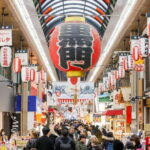
Kuromon Ichiba Market is where the tour turns practical. You get about 20 minutes here with a break time, a visit to the market, and time for breakfast and street-food style tasting. Food and drinks aren’t included, so you’re paying for what you choose—but the guide’s presence helps you avoid the usual newbie problem: picking the wrong stall or missing the best options.
This is also the stop where you can learn what “Osaka’s kitchen” means. You’ll see seafood and snack-style foods, plus lots of locals moving through the market like it’s daily life (because it is). If you’re traveling with limited time, this is one of the most efficient places to try multiple things without constantly changing neighborhoods.
A smart strategy: buy one small item you’re curious about, then use the rest of your time for one bigger or heartier bite. That way you don’t accidentally turn your market visit into a sugar-and-snack marathon.
Dotonbori neon finish: end where the energy is highest
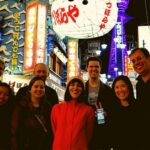
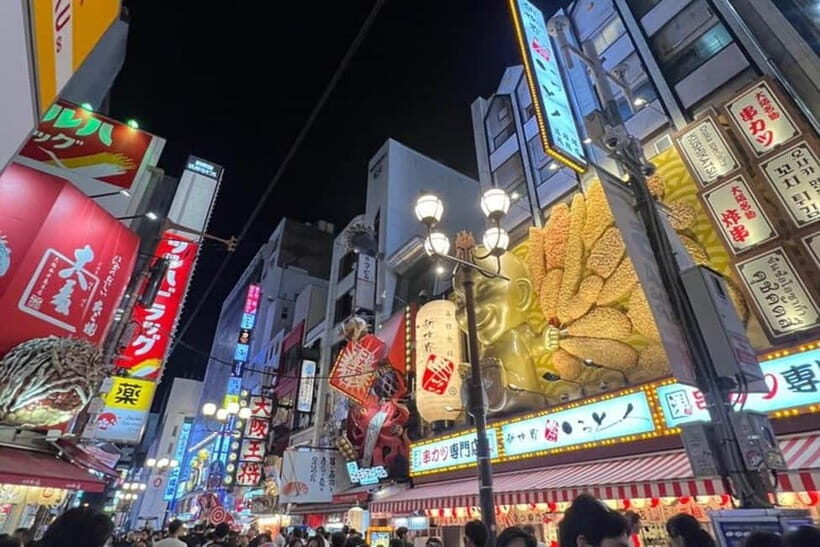
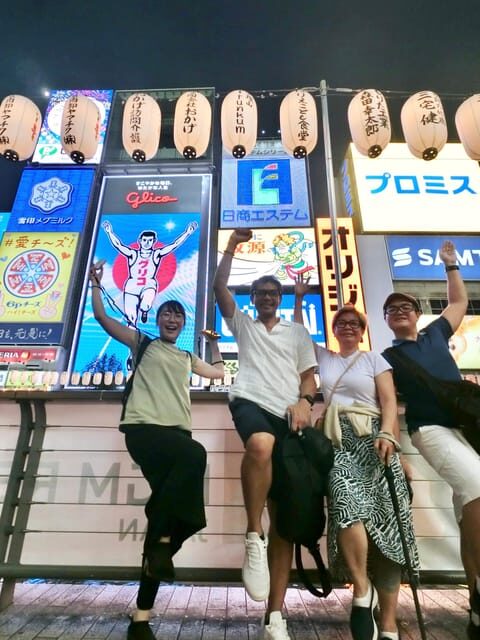
The final stretch is Dotonbori, with a photo stop and visit for about 15 minutes. You’ll arrive by subway, then you’ll finish in Osaka’s neon-food zone. Dotonbori is the kind of place where you can’t help noticing signage, lights, and crowds.
The tour ends with drop-off in Dotonbori (and Osaka), and that’s a huge plus. You’re not forced to leave Osaka’s most fun looking area right when you’re just getting into it. If you still want to wander, you’re set up for that.
One practical note: Dotonbori can be loud and busy. If you want photos without elbows, keep your expectations realistic and go slower for a minute or two. This is a great place to use the last part of your energy wisely.
Price and value: what $64 covers (and what costs extra)
At $64 per person for a 4-hour guided experience, the value is mainly in the guide time and the logistics. You’re paying for someone to connect Osaka’s big landmarks efficiently and explain what you’re looking at in English, including photography support.
Here’s what you should plan for as extra:
- Subway fees (around 800 YEN)
- Castle entry fee (1200 YEN)
- Food and drinks at Kuromon and Shinsekai
So the math is simple: if you eat at markets and if you enter the castle, your total day cost rises. But even then, you still save time versus trying to coordinate everything solo—especially if you’re new to Osaka subway lines and transfer points.
Optional matcha/tea experience can add value if you actually want a cultural stop, not just more sightseeing. If you don’t care about tea, you can still enjoy the market break and district walk.
Guide style: the biggest reason people rate this so highly
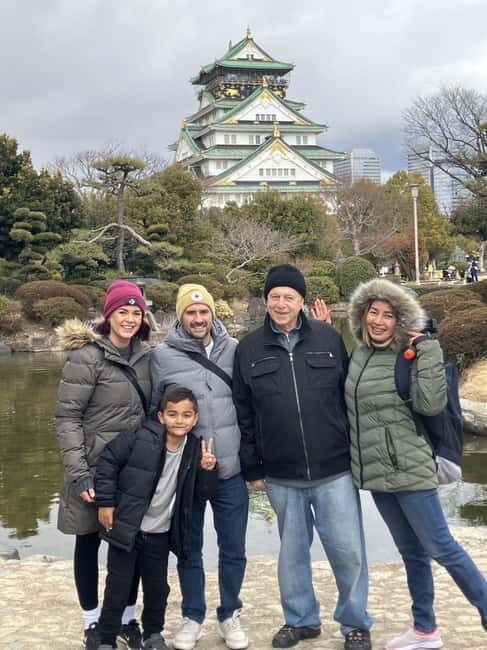
The most consistent praise in the guide feedback isn’t just facts. It’s handling real traveler needs: waiting when someone’s late, helping take photos smoothly, and giving restaurant or food ideas after you’re done.
Names that show up for strong pacing and friendly help include Buchi and Tony, plus guides like Halu, Lily, Minori, Kyoka, Nagi, Victor, and Kenji. You’ll see a pattern: guides often keep explanations clear, answer questions, and adjust the day when the group needs a breather.
That matters because Osaka rewards curiosity. When a guide points out what to look for—tower details, temple layout basics, market eating tips—you can explore better after the tour ends too.
Who should book this walk, and who should skip it
This tour is a great fit if you want a first organized hit of Osaka. It also works well if you like mixing classic landmarks (Osaka Castle, Shitennoji) with modern street energy (Shinsekai and Dotonbori).
You might want to choose another plan if:
- You have mobility challenges, recent surgery, or need step-free access (this tour isn’t set up for mobility impairments).
- You’re over 75 and worried about stamina. The walking and transit segments add up.
- You want long, slow time inside major sites. This is a highlights-and-overview style day.
For most visitors, the walking is manageable if you wear comfortable shoes and keep your expectations aligned: you’ll see a lot, but you’ll move.
Brief practical notes you’ll want before you go
Bring comfortable shoes. You’ll be on your feet through multiple neighborhoods, with short breaks but real walking time.
Bring cash. Payment for the guide is in cash, and you may want cash for castle entry and small snacks.
Rain plan: the tour proceeds in rainy weather, so pack a raincoat or umbrella. That’s not a small detail in Osaka; downpours can change how you enjoy the streets.
Optional cruise pickup exists near the cruise terminal for an extra ¥5,000 (tax included). If you need it, send a message at least one day before.
Should you book Osaka JOINER for this 4-hour highlights walk?
If it’s your first time in Osaka and you want the major sights without planning every subway hop, I think this is a strong choice. The combination of Osaka Castle, Shitennoji, market eating time at Kuromon, and a neon finish in Dotonbori gives you a full spread of what Osaka feels like on one timeline.
Book it if:
- You want an efficient overview in English with photo help
- You like food markets and street snacks
- You’re okay paying a bit extra for subway and the castle entry
Skip it if:
- You want slow pacing or long stops inside one site
- You can’t handle walking and short transit segments
- You don’t want to deal with cash payments for the guide
If you do book, set yourself up for success: wear good shoes, bring cash for the parts that aren’t included, and pick one or two foods at Kuromon that you’ll truly look forward to eating. Then let the guide handle the rest.
FAQ
How long is the Osaka walking tour?
It runs for about 4 hours.
What’s included in the price?
You get an English-speaking guide, a walking tour, support for photography by the guide, and a matcha tea experience if you choose that option.
What extra costs should I budget for?
Subway fees are around 800 YEN, food and drinks are not included, and Osaka Castle entry fees are 1200 YEN.
Where do I meet the guide?
Meet at the base in Namba Walk, located between exit B21 and B23, between the DOCOMO and MIZUNO shops.
Does the tour include a tea or matcha experience?
A tea experience is part of the program at Shinsekai Market, and the matcha tea experience is included if you select that option.
Is there an optional pickup service?
Yes. There’s an optional pickup near the cruise terminal for an additional fee of ¥5,000 (tax included), and you need to request it at least one day before the tour.
What should I bring and what weather should I plan for?
Wear comfortable shoes and bring cash. The tour runs in rainy weather, so bring a raincoat or umbrella.