REVIEW · TOKYO
Samurai Experience – Learn Bushido through Kendo, in Tokyo
Book on GetYourGuide →Operated by Kendo Spirit · Bookable on GetYourGuide
If you think kendo is just sword swings, think again. This 2-hour class teaches Bushido through etiquette, body work, and intent, guided by instructors like Daichi-san and Makoto.
I like that you do not start by grabbing a shinai. You begin with where kendo comes from, then you learn the mindset piece by piece before you ever spar.
I also like the structure: Ki, Tai, Ken, then the idea of ki-ken-tai-itchi (spirit, sword, body as one). One thing to consider is that the final match and armored practice can feel physically demanding and intense, especially in full gear.
In This Review
- Key things to know before you book kendo in Tokyo
- Why Kendo Teaches Bushido Better Than a Museum Talk
- From Tokyo Station to the Dojo: Small Group, No-Fuss Logistics
- What Happens in the Dojo: Rei, Ki, Tai, and Ken
- Etiquette First: Bowing as a Practical Skill
- Ki and Tai: Learning Presence Without Anger
- Ken: The Shinai Basics That Let You Actually Participate
- The Match and Instructor Demonstration: When Intensity Shows Up
- Gear, Pace, and Comfort: How to Prepare for the Workout Part
- Price and Value: What You Get for About $103
- Who Should Book This Kendo Experience, and Who Should Skip It
- Should You Book Samurai Experience – Learn Bushido Through Kendo?
- FAQ
- Can I book a private session?
- Will I receive photos or videos from the experience?
- Is the dojo far from central Tokyo?
- I don’t speak Japanese. Is that okay?
- Do I need to bring anything?
- I’m not athletic. Can I still join?
- Can large groups participate?
Key things to know before you book kendo in Tokyo
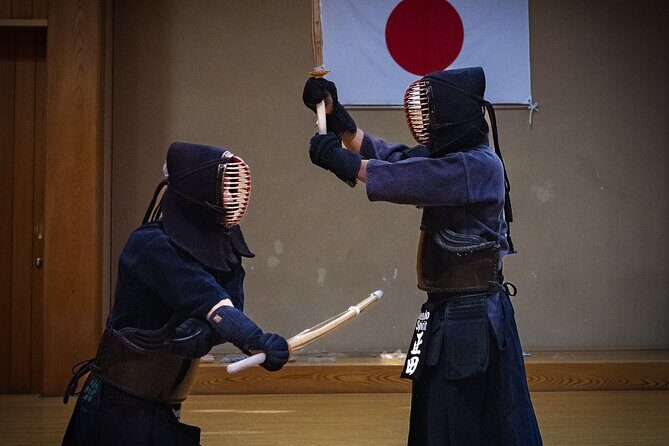
- You start with spirit and etiquette, not the sword in your hands
- Small groups (up to 8) mean more time for correction
- English instruction is built in, even if you do not speak Japanese
- Your final practice includes a match, plus a demonstration by instructors
- Everything is provided: attire, shinai, and drinks
- Photos and videos are sent by email after the session
Why Kendo Teaches Bushido Better Than a Museum Talk
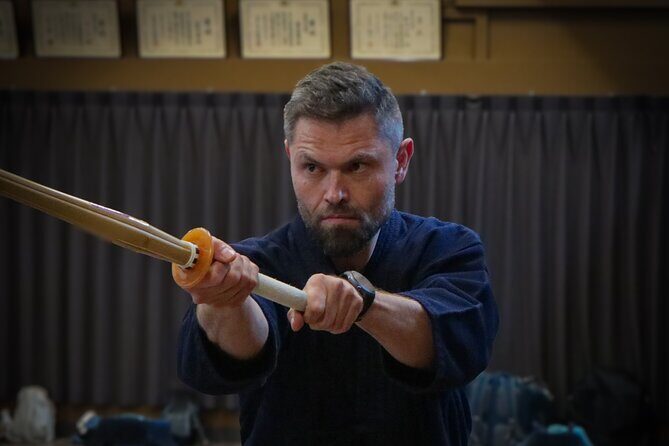
Tokyo is full of history on display. This experience is different because it’s history you do with your body. Kendo is a living tradition, shaped from martial survival and refined into a practice focused on self-control.
The class frames it in a clear way: Japan is not for everyone. It opens to people who actually want to meet it halfway. Here, that means respect first, then technique, then challenge. No cosplay sword-fighting.
If you are the kind of traveler who likes meaning, this fits. You’re not just learning moves. You’re learning why those moves exist: discipline, presence, and intent.
You can also read our reviews of more tours and experiences in Tokyo.



From Tokyo Station to the Dojo: Small Group, No-Fuss Logistics
The dojo is about 15 minutes from Tokyo Station. That matters because you’re not spending your whole day planning transit like it’s a second job.
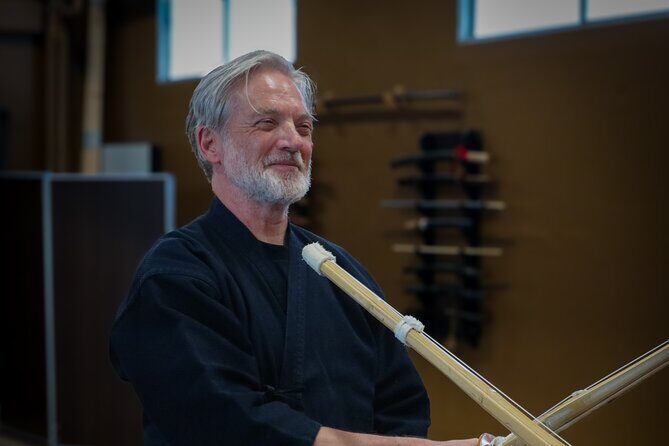
The group is kept small, limited to 8 participants. In practice, that usually makes the instruction calmer and more individual. You can ask questions, and the instructors have an easier time adjusting your footwork and posture.
Duration is 2 hours. It’s long enough to go beyond a demo, but short enough that it fits cleanly into a busy Tokyo schedule.
What Happens in the Dojo: Rei, Ki, Tai, and Ken
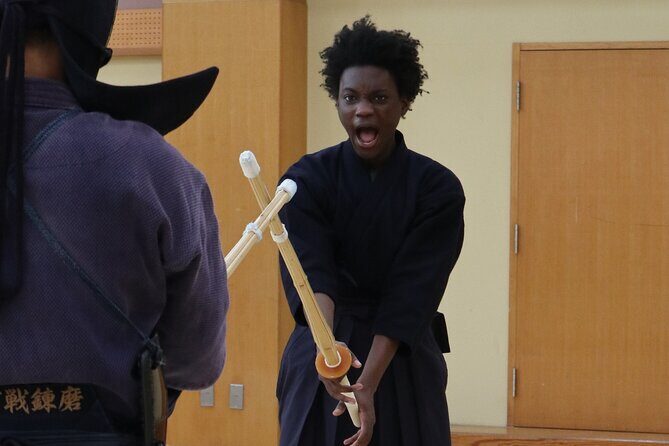
The training is paced as a sequence you can feel. It’s almost like learning a language: first pronunciation, then grammar, then conversation.
You start with the origin of kendo and why its spirit still matters. Then the class moves into the body basics that make the mindset usable.
Here’s the flow you can expect:
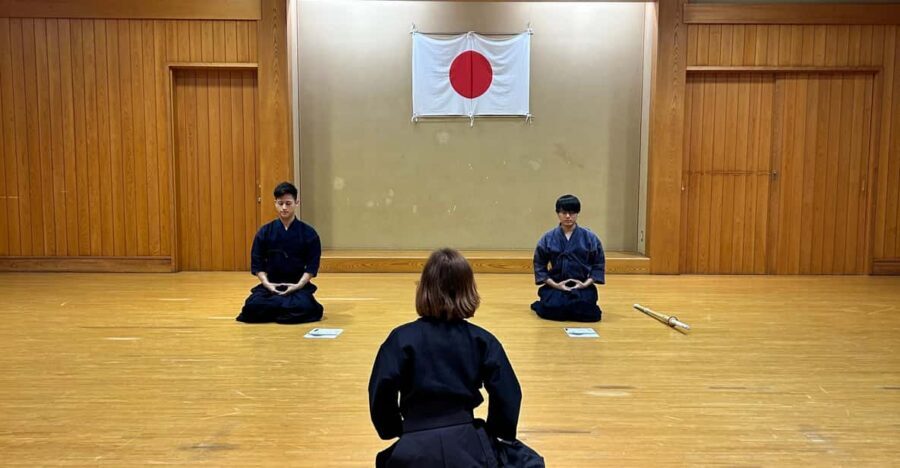
- Etiquette and respect (Rei): calm your mind, bow properly, and learn the purpose behind it
- Ki (spirit): learn presence and fighting intent without anger
- Tai (body): practice rooted footwork and balance so you can move safely and effectively
- Ken (sword): learn how to hold, swing, and move with the shinai
- Ki-Ken-Tai-Itchi: spirit, sword, and body unify into one strike idea
- Match practice: put it all together in a kendo match format
- Demonstration: watch intense control from the instructors
- Closing etiquette: a final bow, carrying respect through the end
The instructors keep it grounded. Reviews back up that you’re taught step by step, and most people leave feeling they learned fundamentals correctly rather than just taking pictures.
Etiquette First: Bowing as a Practical Skill
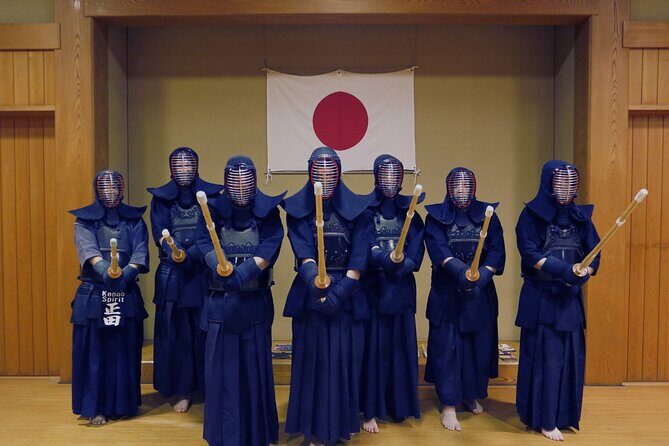
Rei (bowing) is one of those things that can sound ceremonial if you only hear about it. In the dojo, it becomes practical.
You calm down before you train. You face other people with respect. And you learn that kendo is not about dominating the room. It’s about controlling yourself in that room.
This part is surprisingly useful even outside the dojo. The bow is a reset button. It also forces punctual, focused behavior. If you’ve ever sat in a class where everyone talks over the instructor, you’ll appreciate the opposite here.
Ki and Tai: Learning Presence Without Anger
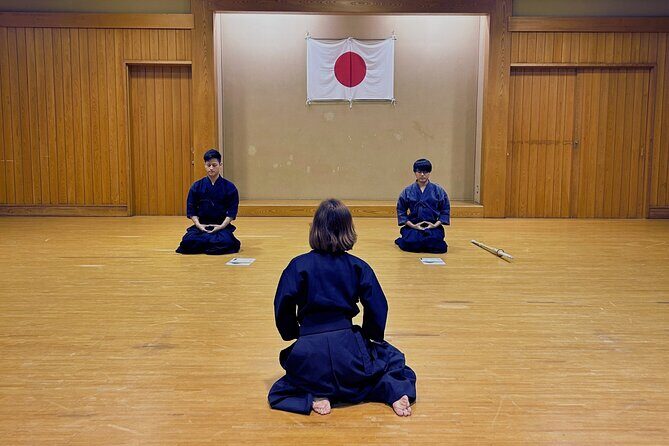
The class teaches fighting spirit without the drama. Ki is described as presence and intent. Not rage. Not showiness. Focus.
That shift changes how you move. Instead of flailing with the shinai, you learn to stand with purpose. Then you learn footwork that keeps you balanced.
Tai is the part beginners often underestimate. Rooted movement, stable stance, and timing make the sword work make sense. If your feet are sloppy, your swing will be too. The instruction aims to fix that early, before you practice full-speed motions.
This is also where you’ll feel whether kendo suits you. If you enjoy precision and self-control, you’re going to get more out of it. If you want constant action only, you may need a little patience during the early drills.






Ken: The Shinai Basics That Let You Actually Participate
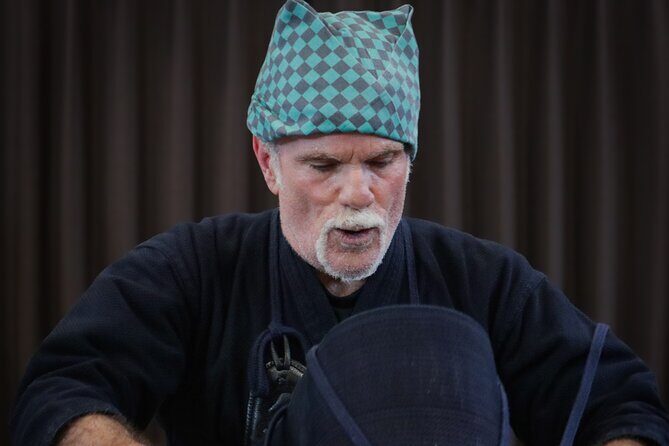
Only after the etiquette, spirit, and body pieces come together do you learn sword handling. That order is smart. The shinai is not just a prop here. It’s part of a system.
You’ll learn how to hold the shinai, how to swing it, and how to move with it. You also practice the technique ideas that lead into kendo attack concepts.
The goal is simple: make you competent enough to participate in the match safely. People often leave impressed that the teaching stayed clear and structured, even for complete first-timers.
And yes, putting on the protective gear changes everything. It feels official in a way that makes you behave like this matters.
The Match and Instructor Demonstration: When Intensity Shows Up
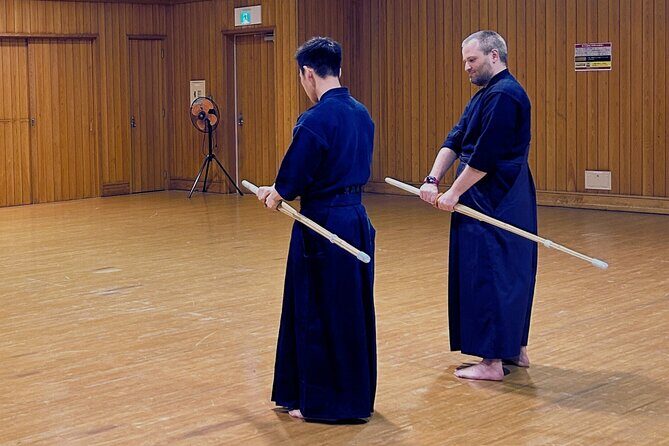
The training ends with a match component, plus a demonstration where instructors show real kendo power and control.
This is the moment that separates an authentic class from a tourist activity. In the match, you get the pressure up close. It’s not a Hollywood duel. It’s quick, focused, and you learn to react while staying disciplined.
Some participants describe freezing for a second when the sword was pointed at them. That reaction is normal. Kendo has a psychological edge because respect and intent are visible.
Then you watch instructors spar. It’s intense, and it shows the difference between practicing movements and expressing kendo. The demonstration also helps you understand what the drills are building toward.
If you’re nervous about being out of your depth, that’s exactly why small-group instruction matters. The match is your chance to test what you just learned with guidance and boundaries.
Gear, Pace, and Comfort: How to Prepare for the Workout Part
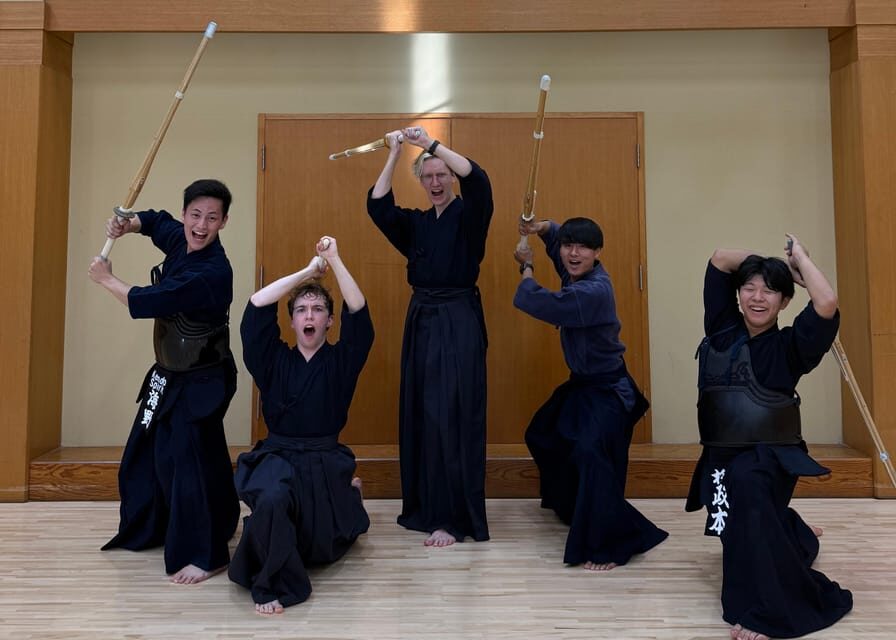
You do not need to bring anything. The class includes kendo attire and a bamboo sword (shinai), plus drinks. The protective equipment is also part of the experience once you move into more advanced practice.
Expect it to be warm once you’re in full gear. One person noted it was warm during the activity, and then cool water helped. That’s practical advice: bring patience for heat, drink the water offered, and take rest when the instructors pause the group.
Most participants are beginners. Even if you aren’t athletic, the instruction is paced carefully. That doesn’t mean it’s effortless. Kendo asks for stamina through repetition, footwork, and controlled movement. But it’s approachable because you’re taught the sequence, not thrown into chaos.
Price and Value: What You Get for About $103
At $103 per person for 2 hours, this isn’t the cheapest thing you can do in Tokyo. It is also not a generic workshop.
Here’s the value case:
- You get full instruction, not just a walk-through
- Equipment is included (attire and shinai)
- You practice the core components: etiquette, presence, footwork, sword basics
- You end with a match and a demonstration, which is the real payoff
- Drinks are included, so you’re not juggling purchases during training
- You receive photos and videos by email afterward, which turns the experience into an actual memory
- Souvenirs are included
So you’re paying for coached time in a disciplined environment, plus the safety and structure that makes learning possible quickly.
If you like meaning and you want hands-on cultural learning, the value lands well. If you only want a casual photo op, you might prefer something less physical and more lightweight.
Who Should Book This Kendo Experience, and Who Should Skip It
This experience fits best if you want Japan beyond surface-level entertainment. You’re aiming to learn discipline and respect, and you want the spirit of Bushido through your body, not just your mind.
You do not need kendo experience. You do need an open mind and a willingness to face yourself a bit. That sounds intense, but it’s really about humility: listen first, follow the steps, and don’t try to muscle through.
You might especially like it if:
- you enjoy structured instruction
- you want a short but memorable Tokyo activity
- you like learning traditions that still function as living practice
Skip it if the class format won’t work for you. It is not suitable for pregnant women, babies under 1 year, or people over 95 years. Also, alcohol and drugs are not allowed.
Should You Book Samurai Experience – Learn Bushido Through Kendo?
Book it if you want a real taste of Japanese discipline, delivered through etiquette, footwork, and intent. The class is built for beginners but still ends with the kind of intensity that makes you understand why kendo matters.
I’d pass if you’re looking for an easygoing, purely recreational session. This is active, and the match and protective gear can feel demanding.
If you can handle a workout and you like learning with structure, this is one of the most memorable ways to spend two hours in Tokyo.
FAQ
Can I book a private session?
Yes. Before payment, add Exclusive Private Session (one add-on per group). Private sessions are only available on dates that still show 8 available spots.
Will I receive photos or videos from the experience?
Yes. The team takes photos and videos during the experience, and the data is sent to you by email afterward.
Is the dojo far from central Tokyo?
No. The dojo is located within approximately 15 minutes of Tokyo Station.
I don’t speak Japanese. Is that okay?
Absolutely. The experience is conducted in English, and you can ask questions during the session.
Do I need to bring anything?
Nothing at all. Kendo attire and equipment are provided, and drinks are included.
I’m not athletic. Can I still join?
Yes. Most participants are beginners, and the instruction is paced carefully for comfort. The group is also kept small.
Can large groups participate?
Yes. Sessions for large groups can be arranged, but you’ll need to contact in advance.