REVIEW · OSAKA
Katsuo-ji Temple, Arashiyama Forest, & Nara Park
Book on Viator →Operated by S.A. Tour · Bookable on Viator
One day can feel like three different worlds. This Osaka-to-Kyoto-and-Nara day trip strings together Katsuo-ji Temple, Arashiyama Bamboo Grove, and Nara Park with real time to wander, not just stare out a bus window.
I like the way the stops are built around iconic sights, plus the mobile ticket keeps it easy to get moving. The big plus for me is you get meaningful chunks of free time at each place, instead of being herded nonstop. The possible drawback: this is often more of a group transfer plus self-exploring than a deep, stop-by-stop lecture.
In This Review
- Key highlights worth knowing
- A long day trip that actually feels doable
- Katsuo-ji Temple: Daruma dolls and a fortune you can hold
- Arashiyama Bamboo Grove: the quiet part of the day
- Nara Park: deer that bring instant fun and real responsibility
- What $91.65 buys you (and what it doesn’t)
- How the guiding feels in real life: transport plus freedom
- Logistics that make or break the day
- Who this tour suits best (and who should skip it)
- Should you book it?
- FAQ
- How long is the tour?
- Where does the tour start?
- What’s included in the price?
- What’s not included?
- Are admission tickets included for the stops?
- Do I need a paper ticket?
- What if the tour doesn’t meet the minimum group size or the weather is bad?
- Final thought
Key highlights worth knowing

- Daruma fortunes at Katsuo-ji with thousands of Daruma dolls and fortune readouts
- Arashiyama Bamboo Grove timing that gives you a real window to walk through the trees
- Nara deer encounters in a public park setting where deer roam close to visitors
- Air-conditioned round-trip transport from Osaka with driver/guide support included
- A tour style that can vary by guide, so you should expect both talking and free wandering
A long day trip that actually feels doable
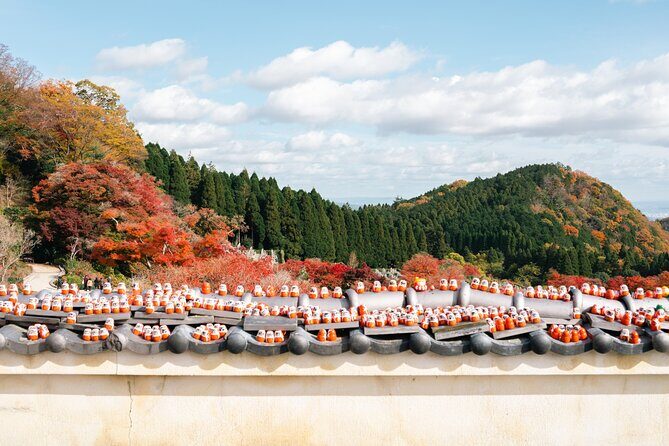
This tour is about 11 hours total, running between Osaka and two of Japan’s most famous regions: Kyoto’s Arashiyama area and Nara Park. The schedule is built around three stops with listed time on site: Katsuo-ji for 2 hours, Arashiyama for 1.5 hours, and Nara Park for 2 hours.
The value here is simple: you’re paying to cover distance and coordination, while still getting enough time at each place to feel like you did more than just pass through. Also, entry is listed as free for each stop, which helps your day stay affordable once you’re there.
One thing to keep your expectations honest: the tour has mixed reports about how much on-site guiding you get. Some groups get more explanation and attention; others feel more like drop-off and return times. If you love learning on the spot, I’d treat this as a guided-transport day that can become more guided depending on the day’s guide.
You can also read our reviews of more tours and experiences in Osaka.

Katsuo-ji Temple: Daruma dolls and a fortune you can hold
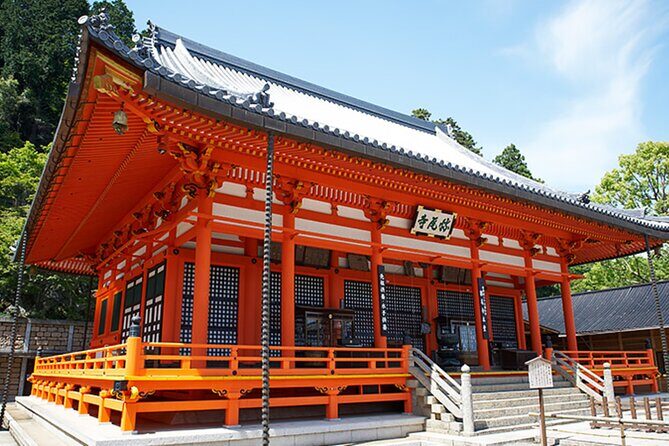
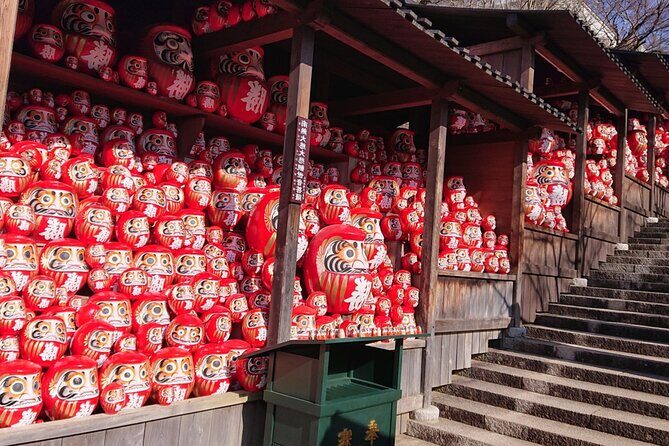
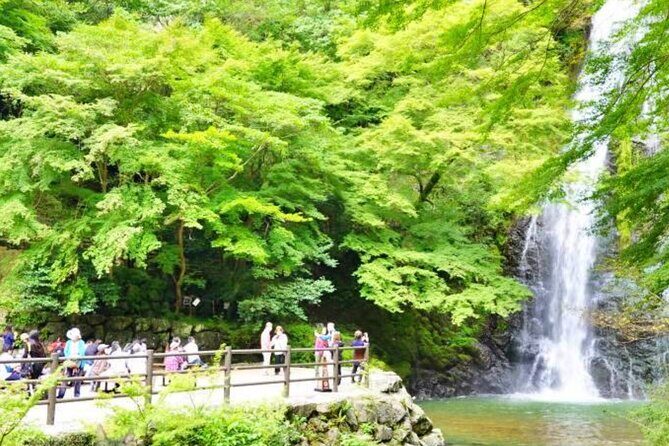
Your first real stop is Katsuo-ji Temple, known for its huge collection of Daruma dolls and the chance to get a personal fortune readout. This is the kind of place that hits fast: you walk in and the visual is immediately there, long before anyone starts talking about meaning.
What I like about a temple like this for a day trip is that it works even if you only have a short window. You don’t need hours of context to enjoy the atmosphere, because the experience is built into what you can see and do. And since the stop is 2 hours, you can do the big sights without rushing yourself into back-to-back temples.
If you want to maximize your time at Katsuo-ji, go with a simple plan:
- Spend your first part of the visit getting your bearings and finding the Daruma areas.
- Save time near the end for the fortune moment so it doesn’t feel squeezed.
The only real drawback is that a temple stop can get crowded in peak hours. If the crowd energy isn’t your thing, you’ll want to keep a calm pace and use your time wisely.
Arashiyama Bamboo Grove: the quiet part of the day
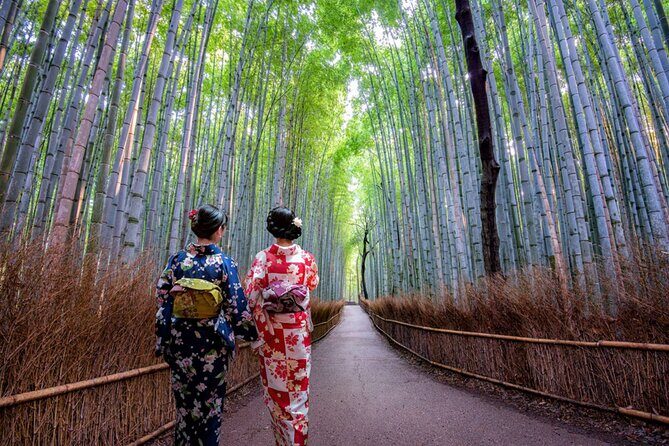
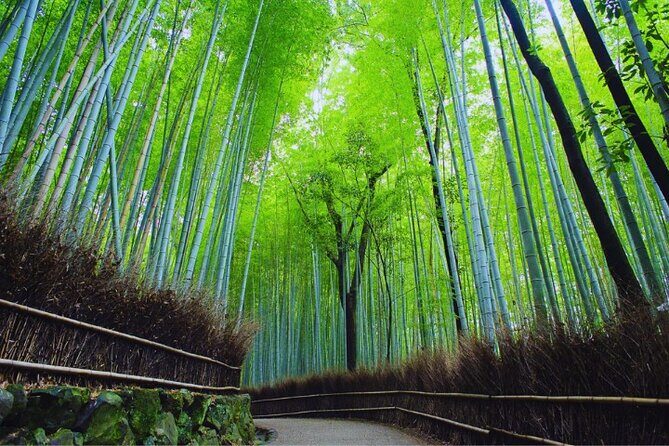
Then you head to Arashiyama Bamboo Grove, a scenic bamboo forest in the Arashiyama district of Kyoto. The grove is famous for towering bamboo stalks that create a calmer, almost hushed feeling as you walk among them.
I love this stop because it’s visually strong and slow in a good way. Even with a 1.5-hour window, it’s enough time to take your photos and still enjoy the walk rather than sprint through. And this is the stop where you’ll feel the difference between a good day trip and a rushed one: bamboo is best when you slow down for a moment.
Practical tip: after you arrive, resist the urge to only chase the first photo angle. Walk a little deeper first, then circle back if you want a second view. With the time you have, you’ll thank yourself.
The consideration here is timing. Bamboo groves can be packed, and the quieter it feels, the more you notice how crowded it gets. If you’re traveling for atmosphere, bring a patient mindset and treat it like a scenic walk, not a museum.
Nara Park: deer that bring instant fun and real responsibility
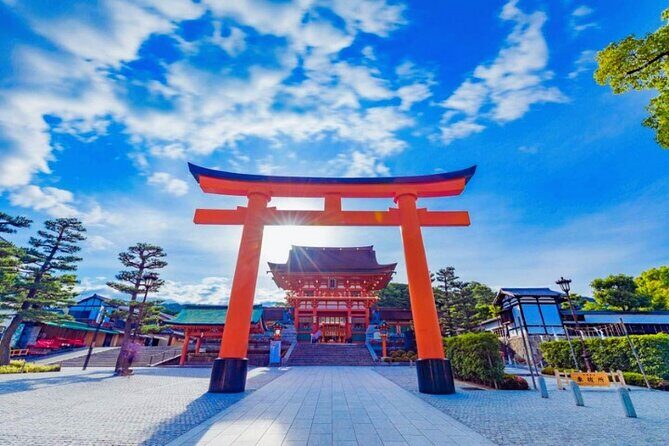
Finally, you reach Nara Park, a public park known for its many tame deer roaming around visitors. The deer are friendly in the sense that they come close and may approach you, often looking for food.
This is the most heartwarming part of the whole day if you like animals and candid moments. It also makes the day feel less scripted: you can’t control where deer decide to hang out, so you’re more likely to stumble into small, unexpected scenes.
For me, the best way to enjoy Nara Park in this limited time is to plan around two things:
1) Use your first minutes to find a comfortable path or viewpoint area where you can watch calmly.
2) Keep your focus on the deer and the nearby temples rather than over-optimizing your walking route.
The caution is simple: because deer roam freely, you need to be careful and respectful in how you interact. Stay alert, keep your distance when needed, and don’t do anything that encourages the deer to get too bold. You’ll get more fun out of the park if everyone stays calm.
What $91.65 buys you (and what it doesn’t)
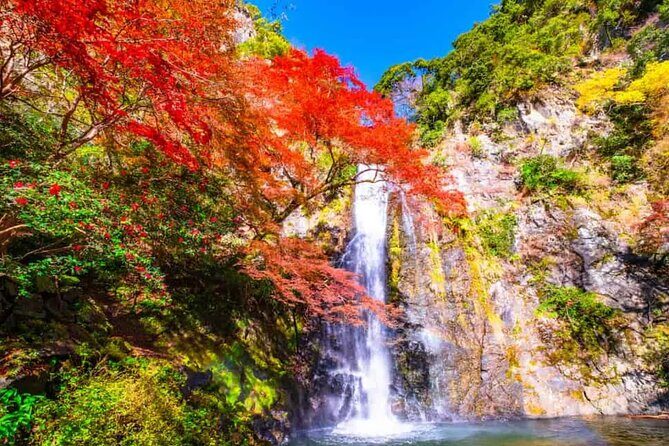
The price is $91.65 per person, and the included items are what make the day trip make sense:
- Air-conditioned vehicle
- Round-trip traffic
- Driver/guide tip
On top of that, you’ll likely find it helpful that the tour uses a mobile ticket, so you’re not juggling paper vouchers while moving between transit and meeting points.
What’s not included is also important: meals and beverages, plus personal spending. That means your real cost on the ground comes down to what you eat and how many extras you buy while you’re roaming.
Is it good value? For most people, yes—if you want to see Katsuo-ji, Arashiyama, and Nara in one day without wrestling with changing trains, transfers, and timing. If you prefer deep, guided explanations at each site, you might feel the value slipping, especially if your guide is more about logistics than storytelling.
I’d call this a strong value purchase for convenience and access, not for heavy instruction.





How the guiding feels in real life: transport plus freedom
The tour can work two different ways depending on your group and the guide’s style.
Some guides are clearly focused on keeping everyone comfortable and helping people enjoy the day. In past groups, names like Nancy, Alex, Marco, Pohey, and Alice show up with praise for being attentive and friendly, plus (in some cases) handling multiple languages. When that happens, the day feels smoother and more meaningful.
Other experiences described a more limited guiding approach, where the guide mainly tells you where to meet and what time to return, leaving you to explore largely on your own. If that’s your experience, the tour can feel expensive compared to self-planning.
My advice is to prepare like it’s a guided-free-time hybrid. In other words, research each stop just enough so you know what to look for. With only 2 hours here and 1.5 hours there, you’ll enjoy the day more if you arrive with a short list of what matters to you.
Also, group language can affect how much you understand in real time. If you’re traveling as an English speaker in a mixed-language group, you might want to bring your own curiosity so you’re not dependent on constant translation.
Logistics that make or break the day
Start point is 2 Chome-2 Umeda, Kita Ward, Osaka, 530-0001, Japan. The tour ends back near the meeting area, so you’re not stuck trying to find your own way home after a long day.
The group size is capped at 45 travelers and it needs at least 8 to run. That range matters: a big bus can feel lively, but a large group also means you’ll spend more time waiting for everyone to regroup.
It’s also described as being near public transportation, which helps if you want to arrive early, grab coffee, or double-check where your bus pickup is.
Finally, remember that the day requires good weather. If weather is poor, the experience can be rescheduled or refunded. With bamboo and outdoor deer roaming, bad conditions can make the day less fun.
Who this tour suits best (and who should skip it)
This is a great fit if you want a practical way to see three headline destinations around Osaka without building a detailed route yourself. You’ll probably love it if you enjoy hands-on moments like the Daruma fortune and the Nara deer encounter, plus you’re okay with each stop being time-limited.
You might want to skip or choose a different format if your top priority is a deep, narrated walk through each site. Short site windows plus a tour that can feel like a shuttle plus free roaming won’t satisfy everyone.
If you’re traveling with kids, this can be a good structure because the day includes visual, interactive, and animal moments, not just sightseeing.
Should you book it?
Book this tour if you want maximum sightseeing with minimum planning, and you’re happy to take charge of your own exploring inside each stop’s time window. The combination of free-entry sights, round-trip transport, and the chance to do Daruma fortunes plus Nara deer is hard to beat for a one-day format.
Don’t book it if you strongly prefer a fully guided, lecture-style experience at every location. This works best when you treat it as an efficient day with guidance that sometimes varies, plus plenty of time to wander.
If you do book, come prepared: check each site’s basics beforehand, and you’ll walk away with a day that feels fun and well used, even with the tight schedule.
FAQ
How long is the tour?
It runs for about 11 hours.
Where does the tour start?
The meeting point is 2 Chome-2 Umeda, Kita Ward, Osaka 530-0001, Japan.
What’s included in the price?
It includes an air-conditioned vehicle, the driver/guide tip, and round-trip traffic. Meals and beverages are not included.
What’s not included?
You’ll need to cover personal consumption and meals/beverages.
Are admission tickets included for the stops?
Admission tickets are listed as free for Katsuo-ji Temple, Arashiyama, and Nara Park.
Do I need a paper ticket?
No. The tour uses a mobile ticket.
What if the tour doesn’t meet the minimum group size or the weather is bad?
The tour requires at least 8 travelers to depart. If canceled due to minimum numbers or poor weather, you’ll be offered a different date or a full refund.
Final thought
If you want a smooth, one-day sampler of Katsuo-ji, Arashiyama, and Nara, this hits the sweet spot. Just go in ready to explore on your own at least part of the time, and you’ll get the best version of what this day trip can be.