REVIEW · OSAKA
Osaka Street Food Tour: Private & Personalized
Book on Viator →Operated by City Unscripted · Bookable on Viator
Namba is food class in session. This private Osaka street food walk puts you in Namba for about 3 hours, with an English-speaking guide who keeps the plan flexible and steers you toward the foods you actually want. I especially like that you get 6–8 tastings plus 2 drinks per person, instead of just walking and pointing. The other big plus is the personalization part: you tell your guide your tastes and they tailor the route for your group. One thing to keep in mind: the price is not cheap, so it’s smart to double-check exactly what counts as included tastings versus extra purchases.
You also get a “less thinking, more eating” structure. You’ll move through Dotonbori and nearby lanes where local food culture is on display, including classic stop types like markets and small alleyways. The route is mostly about food, not sightseeing checklists, which helps when you only have one evening.
Before you book, consider one more reality of street food tours: pace and waiting can vary. A couple of feedback notes mention longer waits at a first stop, so wear comfy shoes and build in patience for a tight, walking-based schedule.
In This Review
- Key things I’d focus on before you go
- The 3-hour Namba plan: why this time window works
- Meeting point and walking style: how to make it painless
- Stop by stop: what you’ll actually see and eat
- 1) Jikko Japanese Knife Shop (Namba Parks): the appetite before the bites
- 2) Dotombori District: your taste-setting launch pad
- 3) Hozenji Yokocho: narrow lanes, old-school food energy
- 4) Kuromon Market (9:00–18:00): where tastes get real
- The tastings: how to think about value (and not get surprised)
- What makes the guides matter: names to look for in feedback
- Pacing, footwear, and group comfort: the practical stuff people feel
- Who this Osaka street food tour is best for
- Price check: is $186.44 per person fair?
- Should you book this Osaka street food tour?
- FAQ
- How many tastings and drinks are included?
- Where does the tour start?
- How long is the tour?
- Is it mostly walking or does it use transportation?
- Are extra tickets or attraction entries included?
- Can the tour accommodate dietary restrictions?
Key things I’d focus on before you go
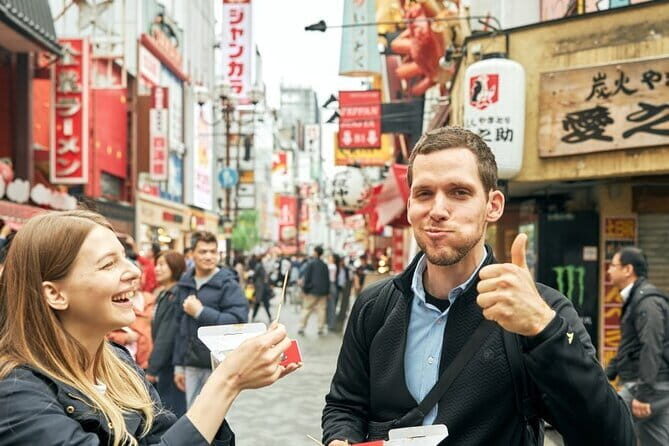
- Personalized private tour: your guide adapts the foods to your group’s preferences and needs.
- Meaningful food time: plan on 6–8 tastings (not just a couple bites).
- Namba/Dotonbori food setting: the walk is centered on the city’s street-food energy, not far-flung suburbs.
- Two drinks included: that turns the tour from snack-hunting into a proper meal-style experience.
- Short, timed stops: some segments are brief by design (like quick shop stops and market browsing).
- Dietary flexibility shows up in feedback: one guide reportedly accommodated vegetarian needs and nut allergies, but you should confirm details when booking.
The 3-hour Namba plan: why this time window works
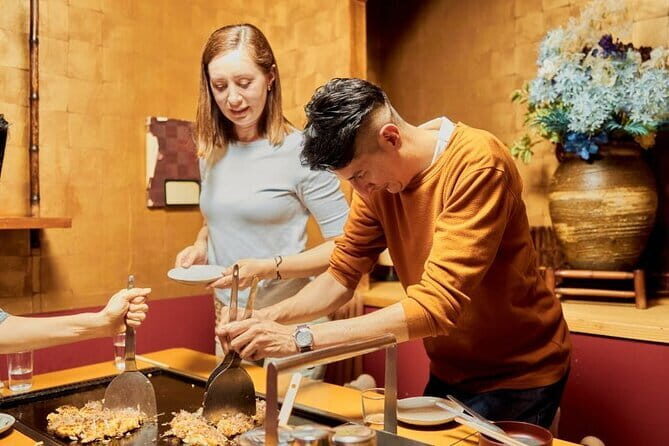
Osaka is famous for eating, but first-timers often get stuck in decision overload. You’re staring at signs, menus, and stand-by-standers, and you still need to figure out what’s worth ordering. This tour helps because it reduces the “what do I eat?” pressure and replaces it with a tight route and a guide who’s making choices for you.
At about 3 hours, the pacing is aggressive in a good way. You’ll cover enough ground to feel the atmosphere of Namba and Dotonbori, plus hit market and alley-style stops where street-food vibes are strongest. The tradeoff is that this isn’t slow museum time. If you like lingering, you might want to add your own extra hour afterward.
Also note that the tour is private and personalized, so the exact places can vary from person to person. That usually helps, because it means the guide can adjust based on crowd levels, what’s freshest, and your preferences.
You can also read our reviews of more food & drink experiences in Osaka
Meeting point and walking style: how to make it painless
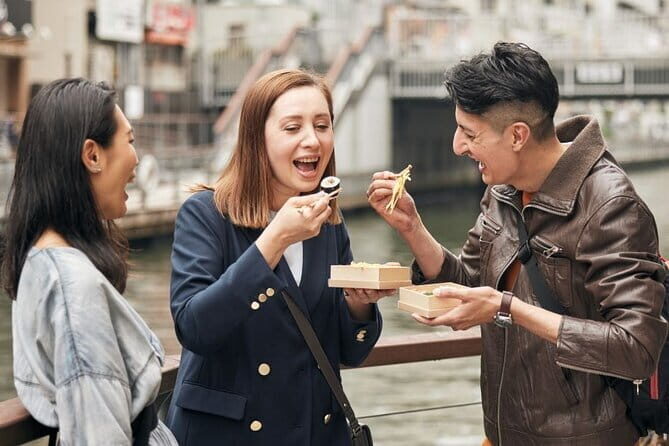
You start at Starbucks Coffee – Tsutaya Ebisubashi, 1-chōme-8-19 Dōtonbori. It’s a very central Namba/Dotonbori anchor, so you’re not scrambling across the city to find the first stop. The tour also ends back at the meeting point, which keeps logistics simple when you’re tired and hungry.
The experience is primarily a walking tour, with public transport only if needed. That matters because you’ll want shoes that can handle uneven pavement and lots of turns through narrow areas. Even in short segments, you’ll be shifting from open streets into side lanes, and then back out again.
One more practical note: you’ll get a mobile ticket, which helps if you’re bouncing between apps and transit cards during your trip. Just make sure your phone battery is healthy for the meet-up.
Stop by stop: what you’ll actually see and eat
1) Jikko Japanese Knife Shop (Namba Parks): the appetite before the bites
A surprisingly smart warm-up stop is Jikko Japanese Knife Shop at Namba Parks. The theme here is craft—Japanese knives are known for precision and long-running quality, and this shop has been making knives for more than 120 years. Even if you don’t buy anything, it sets context for why Japanese food culture is so detail-focused.
Why this matters for your food tour: when a guide throws in a quick craft stop, it’s often a way to explain how tools, technique, and ingredient handling connect to what you eat later. You’ll spend about 15 minutes here, with admission ticket free.
Possible drawback: if you’re arriving expecting only “street food stalls,” a knife shop can feel like a detour. The upside is that it’s short, and it gives you something interesting to look at before the food rush starts.
2) Dotombori District: your taste-setting launch pad
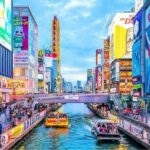
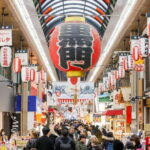
Next you’ll head into the Dotombori area, where Osaka’s food identity is on full display. This is the core “kuidaore city” feeling—food-forward streets, bright signage, and that constant sense that you’re in the right place to eat.
You’ll spend about 1 hour here, with free entry. For a street food tour, this segment usually does two jobs at once:
- It places you in the environment where you’ll understand the next stops.
- It sets expectations for portion size, ordering styles, and what “street food” really means in Osaka.
If your first time in Osaka is short, Dotonbori is still worth seeing. The tour helps you see it through food lenses rather than just neon pictures.
A few more Osaka tours and experiences worth a look

3) Hozenji Yokocho: narrow lanes, old-school food energy
After the bigger street energy, you’ll head to Hozenji Yokocho. This is a narrow, stone-paved alley lined with traditional-style food stalls, cafes, and taverns. It’s a great counterbalance to the main avenues—more intimate, more “hang out and snack,” and easier to imagine yourself as a local.
You’ll spend around 30 minutes here. Entry is free, and it’s the kind of stop where the guide’s choices matter a lot, because you want to order things that match the alley’s strengths.
There’s also mention of a tiny alley with little museum-like wall displays. That kind of detail can be a fun break if your group likes culture texture without adding time-consuming detours.
4) Kuromon Market (9:00–18:00): where tastes get real
The final major food anchor is Kuromon Market, open from 9:00 to 18:00. With close to 200 shops, it’s basically a Japanese-cooking supply store and snack buffet rolled into one place. You’ll also see cooked food options such as grilled eel, teppanyaki beef, fresh oysters, and ramen.
You’ll spend about 20 minutes here, free entry. That sounds short, but markets are dense. The point of a guided market stop isn’t to browse every stall—it’s to make a selection quickly and taste something you couldn’t easily pick on your own.
Possible drawback: because the time is brief, don’t plan on deep shopping. This is a tasting stop. If you love markets enough to want souvenirs or extra bites, you’ll likely want to return later on your own with more time.
The tastings: how to think about value (and not get surprised)
The tour includes 6–8 food tastings plus 2 drinks per person, with meals handled at 2–3 eateries along the way. That’s the heart of the value proposition: you’re paying for convenience, speed, and someone else handling the ordering decisions.
Here’s how I’d judge whether it’s worth it for you:
- If you’d otherwise spend a lot of time guessing, the guide’s choices can be a money saver in practice.
- If your group tends to order only one thing each, the tastings can feel like a bargain compared to buying full meals one by one.
- If you’re picky or have dietary constraints, personalization can be worth real money because it prevents costly trial-and-error.
A caution from feedback: a couple people felt unclear about what was included versus extra. That’s an easy fix—when you book, send your guide any food preferences and confirm what the included tastings cover for your specific date.
Also remember: this is street food, so portions can be small-to-medium. The tour’s included tastings are designed to add up, but you should still come hungry.
What makes the guides matter: names to look for in feedback
The strongest praise across the feedback is about guide quality—especially how friendly and proactive the guide feels, and how much they tailor the plan.
I saw several guide names tied to that theme:
- Mayura was praised for making the experience feel like hanging out with a foodie friend, plus accommodating a child who was vegetarian and allergic to nuts.
- Maria stood out for customizing the tour based on what guests wanted and selecting food choices that matched those tastes.
- Kanna was highlighted for reaching out the day before to understand what people wanted to try and for planning the tour well.
- Haruhi received praise for showing excellent food spots around Namba and Dotonbori.
There was also one not-so-great strand of feedback focused on guide professionalism and suitability. That’s rare, but it tells you what to do: if something feels off at the start—like communication gaps or a guide who doesn’t seem ready—speak up early. A good tour should adapt or at least clarify what you’re getting.
Pacing, footwear, and group comfort: the practical stuff people feel
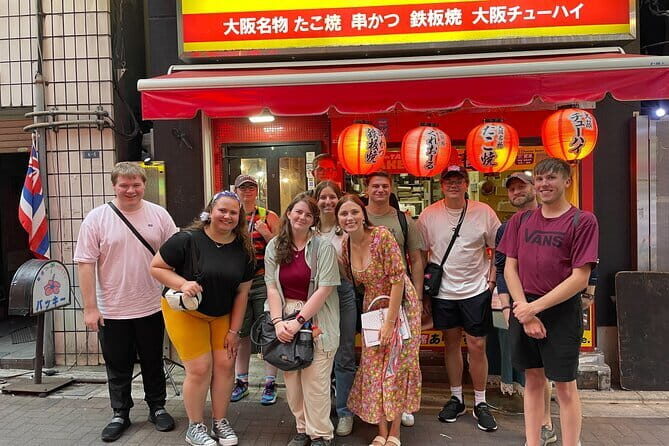
One review emphasized the basics: bring good shoes because you’ll be walking a lot and trying a lot. That’s exactly the kind of detail that matters most on a street-food crawl. Even when stop times are short, the total time on your feet adds up fast.
Because this is private, you’re not sharing the tour with strangers you can’t communicate with. That can be a huge comfort upgrade if your group includes kids, older adults, or anyone who gets overwhelmed in crowds.
On the flip side, private tours tend to cost more because you’re paying for one-on-one guidance. If you’re budget-strapped and want to wander on your own, you can do that. But if you want the guide to make the calls and keep your group moving without wasted time, private helps.
Who this Osaka street food tour is best for
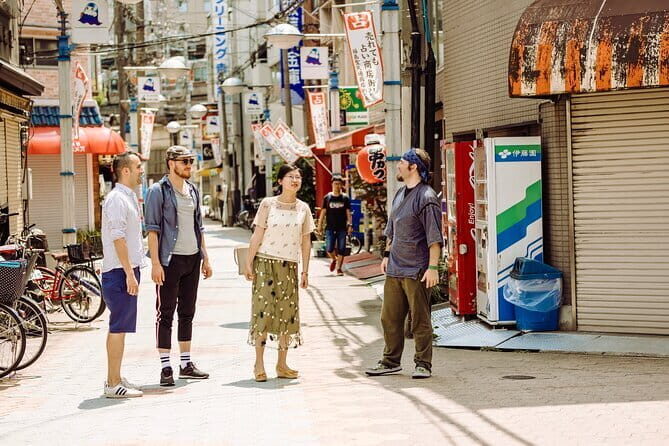
This tour makes the most sense if:
- It’s your first time in Osaka and you want food direction immediately.
- You’d rather spend 3 hours eating than researching restaurants and translating menus.
- You want a route centered on Namba/Dotonbori atmosphere, with market and alley energy.
- Your group has preferences (including dietary needs) and you want those preferences reflected in ordering.
It’s less ideal if:
- You hate walking and want a mostly seated experience.
- You’re the type who wants to linger in markets and shop for a long time.
- You’re expecting 3 hours of only “grab-from-a-stall” street food with no extra cultural stops. You’ll see market craft and alley culture too.
Price check: is $186.44 per person fair?
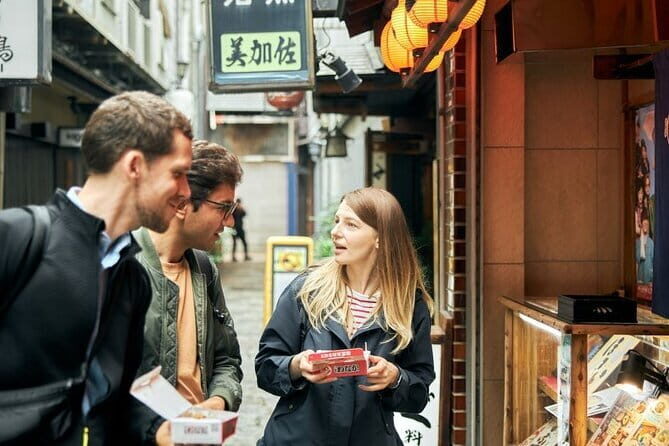
At $186.44 per person for a ~3-hour private walking experience, you’re paying for more than food. You’re paying for:
- a private guide
- personalization
- 6–8 tastings and 2 drinks
- time savings (someone else figures out where to go and what to order)
Street food isn’t usually expensive in Japan, so the price feels high compared to buying items a la carte. That’s the tradeoff: you’re covering the guide’s labor and the convenience of a planned route where multiple tastings are handled efficiently.
To decide if it’s a good value for you, think about your trip style:
- If you want a guided “fast track” through Osaka’s food culture, the pricing can feel reasonable.
- If you’d enjoy the hunt yourself and you’re comfortable ordering from menus, you may prefer a DIY plan.
If you do book, the best way to protect value is to communicate your tastes clearly and make sure you understand what’s included in the tastings.
Should you book this Osaka street food tour?
Book it if you want a private, food-first plan that reduces decision fatigue, and you’d rather have someone guide the ordering than you gamble on what’s good. The guide-led personalization is a clear selling point, and the included tastings and drinks make it feel like a real meal experience, not just a stroll.
Skip it or think twice if you’re very price-sensitive, hate walking, or expect a purely stall-based street-food crawl with no context stops. Also, if you’re booking last-minute, ask yourself whether you’ll be patient with small timing variations like short waits.
FAQ
How many tastings and drinks are included?
You get 6–8 food tastings and 2 drinks per person as part of the experience.
Where does the tour start?
The tour starts at Starbucks Coffee – Tsutaya Ebisubashi, 1-chōme-8-19 Dōtonbori, Osaka, 542-0071, Japan.
How long is the tour?
The tour lasts about 3 hours.
Is it mostly walking or does it use transportation?
It’s primarily a walking experience. Public transport may be used if needed.
Are extra tickets or attraction entries included?
Tickets to attractions are not included. Admission for the stops listed (like the knife shop and market/areas mentioned) is free in the tour details provided.
Can the tour accommodate dietary restrictions?
The tour is personalized, and one piece of feedback specifically notes a guide accommodating a child who was vegetarian and allergic to nuts. For your own needs, you should confirm your dietary restrictions when booking.