REVIEW · OSAKA
Sushi Class in Osaka Dotonbori
Book on Viator →Operated by Cooking Sun · Bookable on Viator
The fastest way to learn sushi isn’t watching. It’s making it, hands-on, with guided technique in a small Osaka class. You’ll build three familiar styles—salad roll, nigiri, and Kansai-style oshi-zushi—and leave with real skills you can use later.
I especially like that ingredients are prepared for you and you get an apron, so the class stays practical instead of chaotic. I also like the small group size (max 8), which means the instructors can correct your rice and assembly without rushing you.
One possible drawback: the meeting spot is in a building where navigation apps can easily send you to the wrong entrance. Give yourself extra minutes, and don’t be surprised if you need to look for the correct placard and room.
In This Review
- Key things to know before you go
- Why Dotonbori (and Namba area) makes this sushi class feel extra real
- Meeting point: Room 807 inside Masters Residence Dotonbori I
- What a small group really changes: pace, questions, and technique
- Your sushi menu: three styles with very different logic
- 1) Salad roll (a Japan-style mix inside nori)
- 2) Nigiri (vinegared rice topped with the right ingredient)
- 3) Oshizushi (Osaka box sushi you press into a square)
- How the class keeps things practical (not just theoretical)
- Dietary options: vegetarian and gluten-free you can request ahead
- What you eat at the end: your own sushi plus miso soup
- Price and value: is $71.16 worth it for 3 hours?
- Who should book this Osaka sushi class
- When you might want to consider another option
- Should you book this Sushi Class in Osaka Dotonbori?
- FAQ
- What time does the sushi class start?
- How long is the sushi class in Osaka?
- How many people are in the class?
- What kinds of sushi will I make?
- Are vegetarian or gluten-free options available?
- Where exactly is the meeting point?
- Is there free cancellation?
Key things to know before you go

- Three sushi styles in one session: salad roll, nigiri, and Osaka box sushi (oshi-zushi)
- Max 8 people means real one-on-one coaching and patient pacing
- Ingredients are prepped so you spend time learning technique, not hunting ingredients
- Diet options on request: vegetarian (with eggs or without) and gluten-free
- You eat your work with miso soup at the end
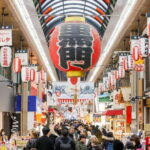
Why Dotonbori (and Namba area) makes this sushi class feel extra real
Osaka’s food culture is serious, casual, and close to everyday life. Doing a sushi lesson here—rather than in some tourist-only bubble—helps you connect the techniques to what you’ll actually see and taste in Japan.
Dotonbori is also a good anchor point for a morning activity. You can start early, finish with a meal, and still have the rest of the day for street food and sightseeing. And because the class runs about 3 hours, it fits neatly into a single half-day without swallowing your schedule.
A few more Osaka tours and experiences worth a look
Meeting point: Room 807 inside Masters Residence Dotonbori I
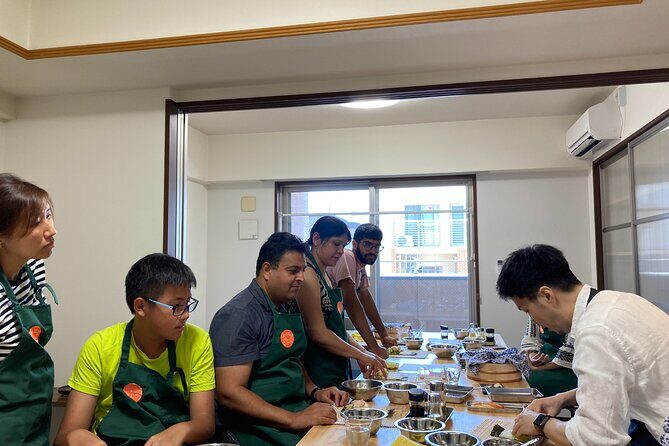
This class starts at 9:30 am at Cooking Sun, Shimanouchi (Chuo Ward), in a building called Masters Residence Dotonbori I. Your room is Room 807.
When you arrive, you press 807 and then the 呼出 (call) button to get the door opened. The address is:
- Cooking Sun, 2-chōme Shimanouchi, Chuo Ward, Osaka 542-0082
- 2-9-14, 807号室
Two practical tips I’d follow:
- Plan to arrive a bit early so you can confirm the right building entrance.
- If your map app seems to take you to the building across the street, that can happen—look for the correct placard and try again before you panic.
What a small group really changes: pace, questions, and technique
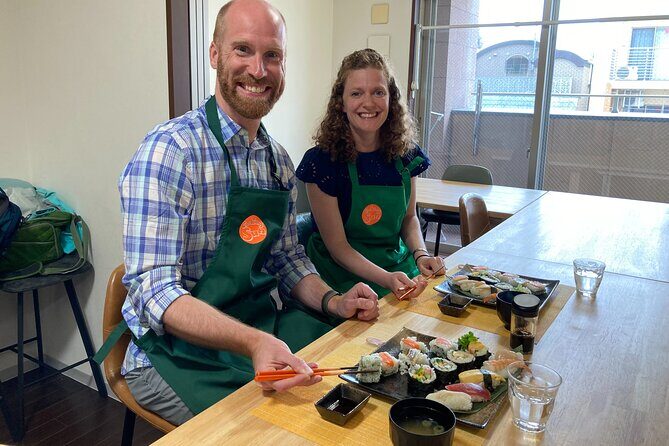
The class is capped at 8 travelers, and that matters more than people expect. With fewer people, the instructors can slow down for beginners and still keep the lesson moving.
In the past classes, instructors have been described as patient and thorough, with clear English and explanations given at a comfortable pace. You’re not just doing repetitive motions. You’re getting demonstrations and then trying it yourself with feedback.
If you’ve never made sushi before, this is a good setup. One review highlighted that the class is very beginner-friendly, and another noted an instructor was patient even when someone needed extra help. If you learn better by watching and then copying, you should feel right at home.
Your sushi menu: three styles with very different logic
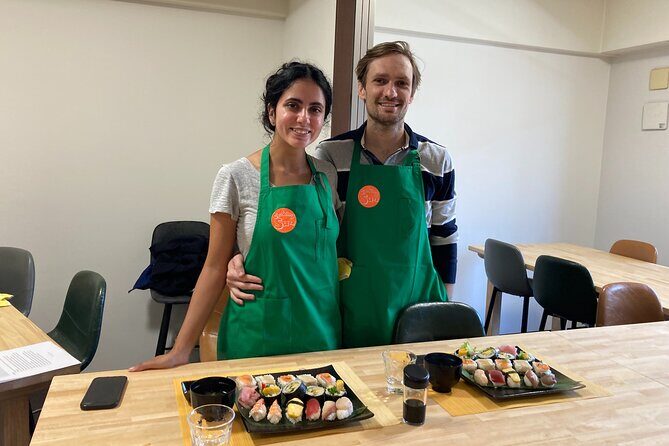
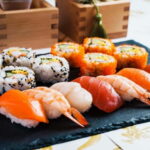
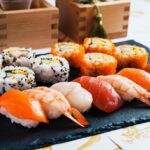
You’ll make three types of sushi: a salad roll, nigiri, and oshizushi (pressed sushi). Even if you love sushi already, these formats teach different skills: rolling, portioning, and pressing.
1) Salad roll (a Japan-style mix inside nori)
This roll focuses on flavor + texture. You’re working with crab-flavored kamaboko, lettuce, cucumber, avocado, tuna mixed with mayonnaise, and nori. The class also includes a core of tamagoyaki (egg roll).
What you’ll take away: sushi rolls aren’t just about fish. They’re about balancing crunchy veg, creamy mayo, and the sweetness/savory feel of tamagoyaki. If you like California rolls, this gives you a more Japanese-leaning version of the same idea.




2) Nigiri (vinegared rice topped with the right ingredient)
Nigiri-zushi is a representative Japanese dish: vinegared rice with toppings placed on top. In this lesson, the concept is simple, but the technique is where the quality shows—rice portioning and topping placement.
You’re learning the structure of nigiri, where ingredients like fish, shellfish, and omelet sit on bite-sized vinegared rice. Your instructor will guide you through the right way to build it, not just the end result.
3) Oshizushi (Osaka box sushi you press into a square)
Oshizushi is traditional in the Kansai region, and in Osaka it’s often called box sushi. Here’s the key idea: you fill a square wooden frame with sushi rice and toppings, then press so the rice sticks to the fillings.
Your final product is a square. You then cut it into pieces right before eating.
What you’ll take away: this is sushi that’s built with pressure and shape first, not rolling. It’s also a great reminder that sushi styles vary by region and occasion.
How the class keeps things practical (not just theoretical)
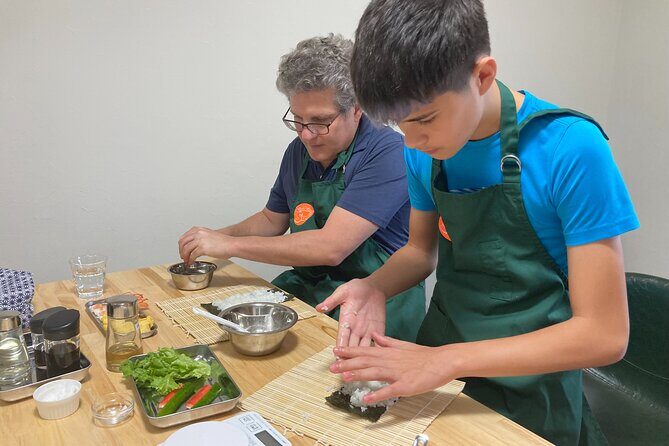
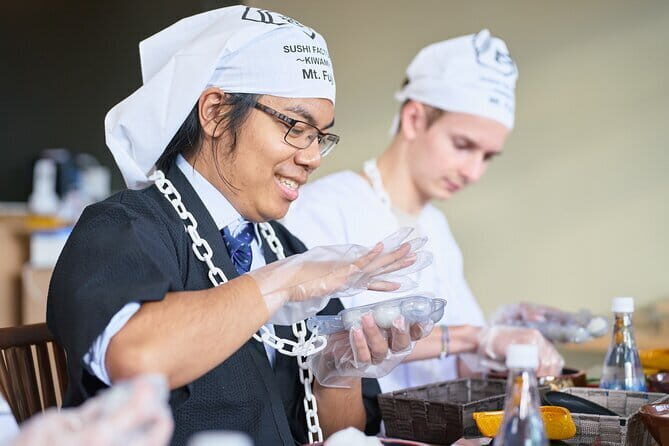
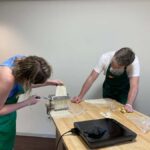
The lesson includes explanations, but it’s built around doing. Ingredients are prepared for you ahead of time, and an apron is provided. That reduces the most common beginner stress: what to do first and how to handle messy steps.
In past sessions, the sushi rice and some components were described as already prepared, so you can focus on hands-on assembly. You’ll also get demonstrations on the right techniques, then copy what you see with step-by-step help.
You’ll likely get plenty of chances to ask questions during the process. Many reviews mention instructors were clear and willing to explain even beyond the basics, which is great if you want the why behind the method (not just how to replicate a roll).
Dietary options: vegetarian and gluten-free you can request ahead
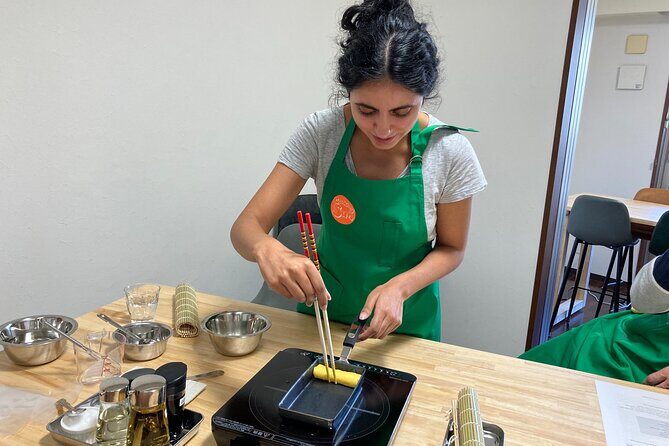
If you’re traveling with dietary needs, this class is set up to handle it—at least for two categories.
You can request:
- Vegetarian options: with eggs or with no eggs
- Gluten-free option
The key is to request these when you book. The class can accommodate vegetarians, and gluten-free is available by request, so plan ahead rather than assuming you can swap ingredients at the door.
If you eat gluten-free, I’d still be proactive: message the provider when you book so they can plan ingredient handling for your session.
What you eat at the end: your own sushi plus miso soup
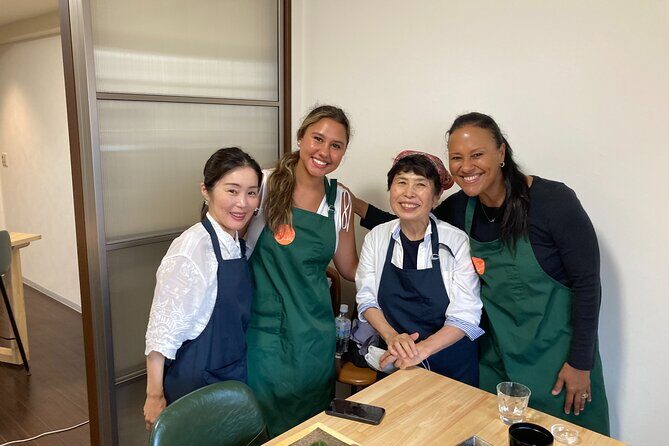
This isn’t a class where you learn and then walk away hungry. When you finish your sushi, you eat what you made, alongside some miso soup.
That matters for value. You’re not paying only for instruction. You’re paying for a full meal built around the skills you just practiced—salad roll, nigiri, and oshizushi, plus miso soup to round it out.
Price and value: is $71.16 worth it for 3 hours?
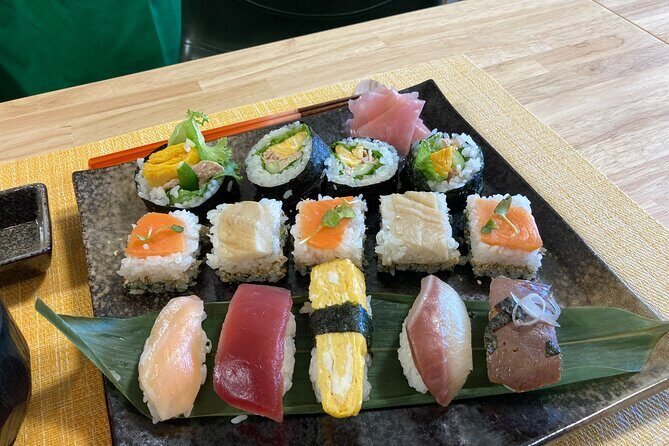
At $71.16 per person, the price can look a little high at first glance. But in practice, you’re paying for a lot that normal “eat sushi” meals don’t include.
Here’s what you’re getting:
- A 3-hour guided class (not a quick tasting)
- Instruction in three different sushi styles
- Ingredients prepared ahead, plus an apron
- A small group capped at 8
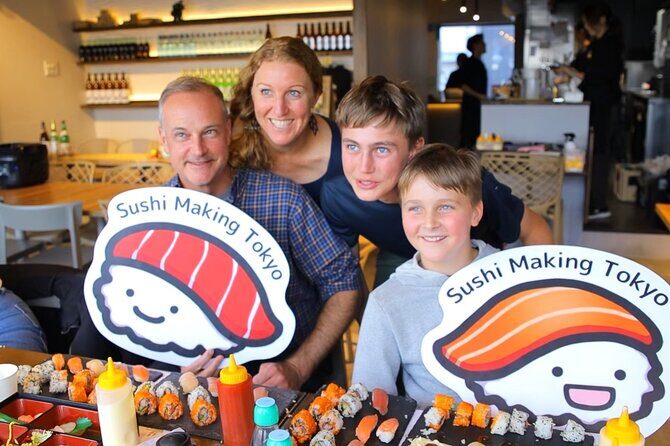
- The meal outcome: what you make + miso soup
If you normally buy sushi and then spend time learning techniques elsewhere, this bundles it together. You get the meal and a repeatable skill. That combo is usually the sweet spot for “learning travel,” where you want value that lasts longer than a single dinner.
Who should book this Osaka sushi class
This class is a great match if you:
- Want a hands-on food experience with step-by-step guidance
- Prefer smaller group instruction over a crowded cooking show
- Like the idea of learning multiple sushi types, not just one roll
- Are a beginner who wants technique explained clearly
It also works well if you’re traveling solo. One review specifically mentioned it’s doable as a solo class, and that’s consistent with the small-group setup.
If you’re with kids, it can be a fun family activity. One review mentioned a daughter participated from her seat, and another talked about a parent and child learning together. Just keep expectations realistic: sushi classes teach technique, not instant mastery.
When you might want to consider another option
I wouldn’t book this if you want a big production, nonstop entertainment, or a high-energy show style. One review noted the hosts weren’t very dynamic. The tone seems more teach-and-practice than perform-and-sell.
Also, if you’re the type who hates “where do we stand” logistics, the meeting point inside the building may annoy you. It’s still manageable, but you’ll want patience and a few extra minutes to find Room 807.
Should you book this Sushi Class in Osaka Dotonbori?
If you want sushi skills you can actually use, I’d book it. The biggest reasons are the small group size and the fact that you make three different sushi types in one go. You’re not just tasting; you’re learning how nigiri, rolls, and oshizushi are put together.
Book it especially if:
- You’re a beginner who needs clear pacing
- You want a meal included, not a separate restaurant plan
- You care about dietary options and will request vegetarian/gluten-free in advance
Skip it only if your main goal is atmosphere over instruction, or if you’re unwilling to spend a few minutes locating Room 807 in the building.
FAQ
What time does the sushi class start?
The class starts at 9:30 am.
How long is the sushi class in Osaka?
The duration is about 3 hours.
How many people are in the class?
The class has a maximum of 8 travelers.
What kinds of sushi will I make?
You’ll make three types: a salad roll, nigiri, and oshizushi (pressed sushi / Osaka box sushi).
Are vegetarian or gluten-free options available?
Yes. Vegetarian options are available with eggs or with no eggs if you request when booking. Gluten-free is also available if you request when booking.
Where exactly is the meeting point?
Meet at Cooking Sun at Shimanouchi (Chuo Ward), inside Masters Residence Dotonbori I. You’ll go to Room 807 (press 807 and the 呼出 call button).
Is there free cancellation?
Yes, free cancellation is offered. You can cancel up to 24 hours before the experience start time for a full refund.