REVIEW · GIFU PREFECTURE
Magome & Tsumago Nakasendo Trail Day Hike with Government-Licensed Guide
Book on Viator →Operated by Japan Guide Agency · Bookable on Viator
Step into Edo-era post towns with a guide. This Magome-to-Tsumago hike is interesting because it compresses the spirit of the Nakasendo Trail into a tidy 6-hour plan, with a government-licensed English-speaking guide to explain what you’re seeing as you walk. I love that you get history before you even hit the stone path, and I love the contrast between Magome-juku (sloping streets and valley views) and Tsumago-juku (preserved lanes that feel almost traffic-free). One consideration: the tour isn’t available from December through the end of February due to icy conditions.
You’re looking at about 5 miles (8 km) of easy-to-moderate walking, plus time to slow down and actually look at the villages. It’s also genuinely low-stress: you meet the guide on foot at a designated meeting point, and it’s a private experience limited to your group.
At $155.22 per person, the price makes sense for what you’re buying: a licensed guide, a curated pace, and help interpreting two major post towns in Gifu Prefecture without the risk of getting lost on your own.
In This Review
- Key takeaways before you go
- Why Magome to Tsumago feels like real Nakasendo time
- The 6-hour plan: about 8 km, two post towns, and time to breathe
- Magome-juku: slope views, stone walkways, and mini museum stops
- Tsumago-juku: unpaved streets, the Honjin, and Edo-era layers
- The guide on the trail: how real English explanations change everything
- Meal breaks: lunch costs extra, but the stop is part of the day
- Photo opportunities and pacing: easy hiking, but not autopilot
- Cash for transport: the one practical thing to handle before you go
- Weather and seasonal changes: cherry blossoms, autumn, and winter shutdown
- Value check: why $155.22 feels fair for this kind of day
- Who should book this Nakasendo hike (and who might not)
- Should you book this Magome and Tsumago day hike?
- FAQ
- How long is the Magome and Tsumago Nakasendo Trail day hike?
- How far do I walk?
- Is this a private tour or a group tour?
- Are the guides English speaking?
- What’s included in the price?
- What should I pay for separately?
- Do I need cash?
- Is lunch included?
- Is the tour available in winter?
- What are the cancellation terms?
- FAQ
- Are service animals allowed?
- Is the tour near public transportation?
Key takeaways before you go
- Government-licensed English-speaking guidance that turns a walk into a story you can follow
- A practical 6-hour format with about 8 km of walking and built-in village time
- Magome-juku’s slope-and-views vibe, stone walkway, and small museums
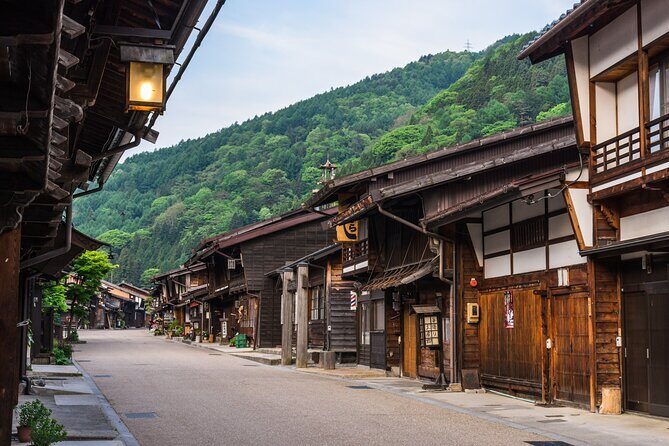
- Tsumago-juku’s preserved, unpaved-street atmosphere, including the Honjin and Wakihonjin
- Lunch isn’t included, but guides often help set up meal stops like soba or bento
- Seasonal limits: no hikes from December to end of February due to icy conditions
Why Magome to Tsumago feels like real Nakasendo time
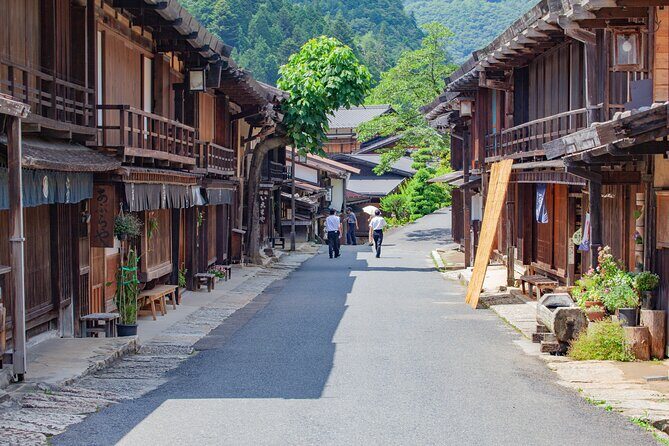
The Nakasendo Trail sits at that sweet spot: it’s famous enough that you know you’re in the right place, but it still feels like an everyday countryside route once you’re walking it. This day hike focuses on the section between two classic post towns—Magome-juku and Tsumago-juku—so you’re not wasting time bouncing around the region.
What makes this experience practical is the guide layer. The trail isn’t just pretty scenery; it’s built around the way travelers moved, rested, and paid attention to official rules. A good guide helps you notice details you’d likely miss on your own, like why the towns look the way they do and how preservation choices shape your walk.
And the best part for most people is that the hike is short enough to feel doable. You’re not committing to a big “Alps day.” You’re committing to a focused walk you can enjoy, even if you’re traveling with a busy schedule.
You can also read our reviews of more guided tours in Gifu Prefecture
The 6-hour plan: about 8 km, two post towns, and time to breathe
This is listed as an easy hike around 5 miles (8 km), about 6 hours total. The village time matters because it’s not just “walk through, take a photo, keep going.” You get roughly two hours at each stop, which is enough to browse small museum spaces, look for craft-shop storefronts, and slow down for the views.
Here’s how the timing works in spirit:
- Magome-juku first, with a chance to take in the slope and valley perspectives.
- Tsumago-juku second, when the atmosphere often feels quieter and more grounded.
One practical perk: it’s a private tour for your group. That means you’re not stuck moving at someone else’s pace, and you can ask questions without feeling like you’re interrupting a busload of people.
Magome-juku: slope views, stone walkways, and mini museum stops
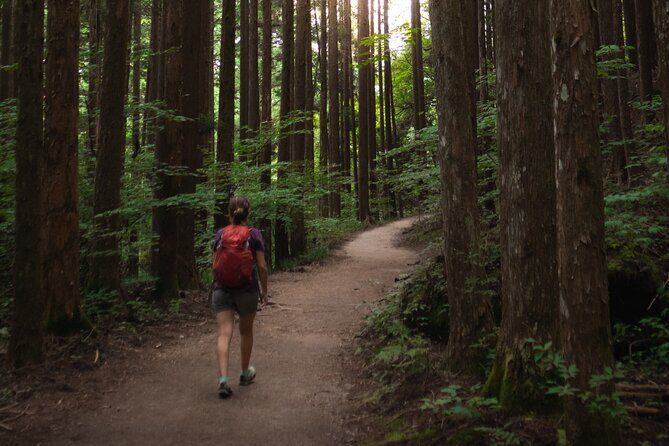
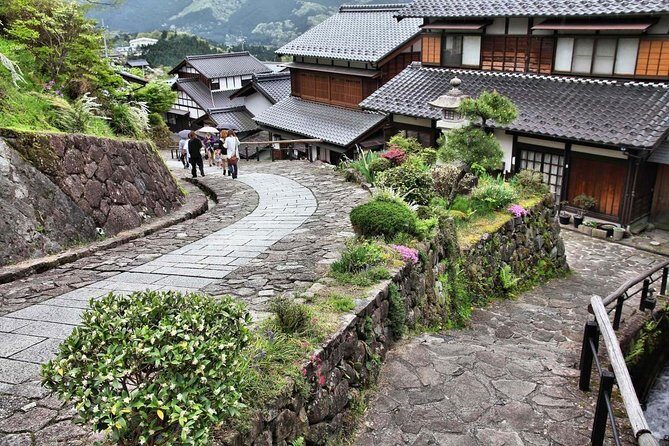
Magome-juku has a different feel from Tsumago. It’s preserved and restored, but it’s been shaped by its geography. The village sits on a slope, so your walk comes with recurring chances to look outward into the valley.
Expect:
- A broad stone walkway lined with trees
- Traditional houses and craft shops
- Small museums that explain Magome’s history, the artists connected to the town, and how people lived there
I like Magome because it gives you variety in one village. You can spend part of your time “looking outward” (views from the slope) and part of it “looking inward” (small displays and local history). It feels like a place that’s meant for wandering.
Food tip that’s worth filing away: the village has restaurants near the top and also at the lower parts. If you want the view with your break, aim higher. If you want to blend in more with daily life, lower areas can feel more local.
Tsumago-juku: unpaved streets, the Honjin, and Edo-era layers
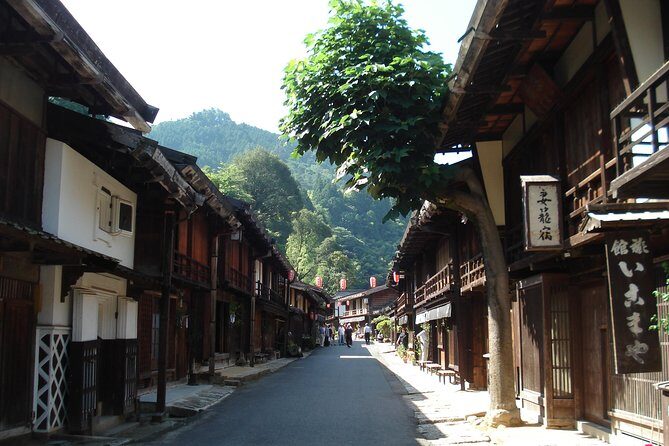
Tsumago-juku is where the Nakasendo fantasy gets very convincing. It’s almost flat, which makes it easier to enjoy the details as you walk without constantly thinking about footing.
This town is known for early preservation efforts in Japan, and it shows. The streets feel quieter and more “authentic,” including:
- Unpaved streets
- Concealed cables, so modern wiring doesn’t break the mood
- Traditional buildings, including the Honjin (original inn for traveling merchants)
- The Wakihonjin (a secondary inn)
- A historic notice board used to post Shogun decrees
- A Buddhist temple built in the 16th century
What I think you’ll appreciate here is the way the town tells you who mattered on the road. Inns like the Honjin weren’t just places to sleep; they were part of the infrastructure that made long-distance travel possible. When you understand that, the buildings stop looking like museum props and start looking like the working system behind the journey.
Even though this tour is daylight focused, the “after-hours” reputation of Tsumago matters because it explains why lantern-lit streets are such a big deal. The town is designed for atmosphere.
The guide on the trail: how real English explanations change everything
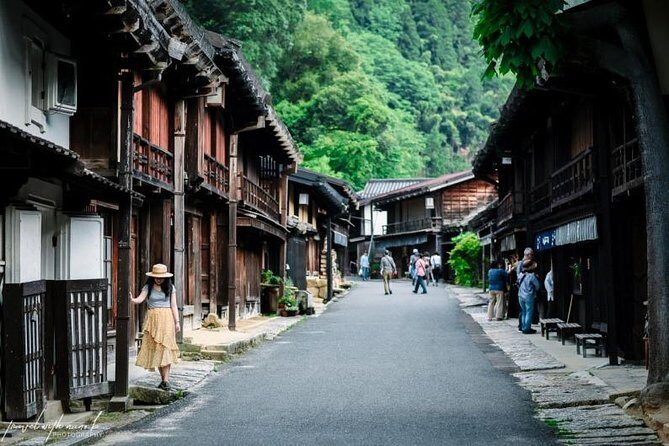
The headline here is simple: you’re not just getting a route; you’re getting interpretation from a licensed local English-speaking guide. The guide meeting point is on foot, at a designated location, so you’re not stuck figuring out train-to-walk logistics right away.
What stands out from the different guide styles is consistency in approach:
- Many guides start with background on the Nakasendo Trail so you understand what you’re walking through.
- Guides keep the pace human, not treadmill-fast.
- Guides often add context tied to specific buildings and town features.
In particular, names that come up include Hiroshi, Matt (Enomoto Masatake), Elvis, and Yumi. The common thread isn’t just English ability; it’s the way they connect trail details to why the post towns existed in the first place.
One small caution from real-world experiences: pacing can matter a lot if your group has mixed walking speeds. If you know you’ll want extra pauses, say so early. You’ll enjoy the stops more if the group rhythm matches your needs.

Meal breaks: lunch costs extra, but the stop is part of the day
Lunch is not included in the tour price. That said, the day is long enough that a meal break becomes part of the experience, not an afterthought.
You might get help finding and timing something like:
- Soba in the area
- A bento meal stop
- A break at a traditional tea house setting
I like that flexibility. If you’re hungry, the guide can often help make it easy to stop without breaking the flow of the hike. Just keep in mind that this depends on timing and what your guide offers that day, so plan to pay for your meal separately.
Photo opportunities and pacing: easy hiking, but not autopilot
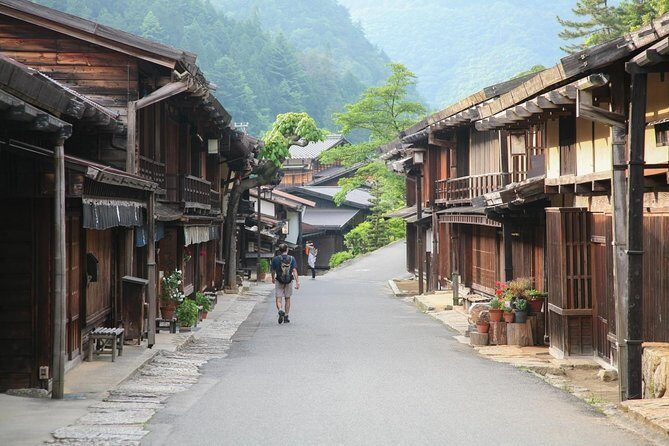
This route is rated as easy, and it’s often described as a good “blood going” walk rather than a brutal grind. Still, it’s a hike on real stone and village paths. You’ll want to walk with attention, especially in the steeper parts around Magome.
Photo ops are everywhere, but you’ll get more out of them if you don’t treat the trail like a checklist. The most satisfying photos are usually the ones you take while slowing down for:
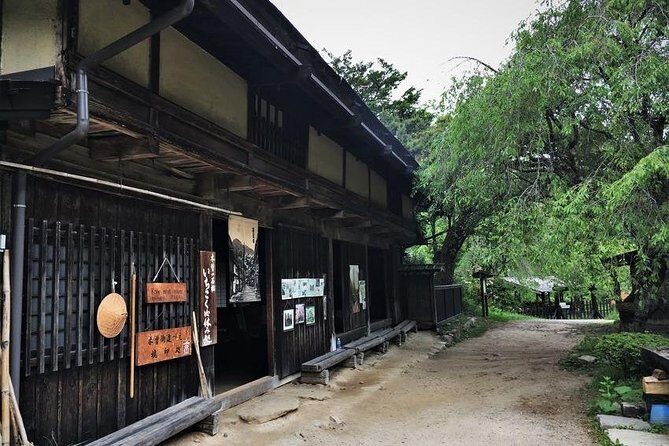
- Stone walkway textures
- Narrow lanes and wooden facades
- Valley overlooks from the slope
- Details around inn buildings and old notices in Tsumago
Pace-wise, the best day is when you let the guide set the tempo and you speak up when you need a pause. One experience noted a mismatch where the group moved faster than expected for the guide’s speaking moments. The fix is easy: ask for extra time before starting, especially if you like your explanations slower and longer.
Cash for transport: the one practical thing to handle before you go
Transportation fees are not included. The tour information also flags an important heads-up: bring cash for public transport, which costs extra.
Why this matters: Japan’s rail and bus system is easy once you’re there, but it’s not always easy when you’re halfway between stations with a time limit. With cash ready, you avoid the awkward late scramble and you keep the day’s timing smooth.
Also note that the tour is near public transportation. That’s helpful for getting yourself to the region and for getting home afterward.
Weather and seasonal changes: cherry blossoms, autumn, and winter shutdown
If you’re visiting outside the blocked months, the vibe changes by season in a way you’ll feel immediately on the trail.
From real seasonal impressions connected to this route:
- Spring can bring cherry blossoms
- Autumn leaves can be at peak color
- Even in chilly or rainy weather, the structure of the day helps you still have a good experience
Then there’s the big seasonal reality check: the hike is not available from December through the end of February because of icy conditions. That doesn’t mean you’re out of luck in winter, but it does mean you’ll need the winter alternative option. The information provided notes a different full-day private trip by bus (and you won’t be hiking).
So if your dates fall in that window, plan ahead. Don’t assume you can “just do it anyway.”
Value check: why $155.22 feels fair for this kind of day
Let’s talk money in a grounded way. $155.22 per person isn’t cheap, but it’s not trying to be a low-cost sightseeing walk either. You’re paying for:
- A government-licensed guide
- Private group time
- English explanations tied to the trail and buildings
- A structured day that keeps you from guessing where to focus
The hike itself is only part of the value. The bigger value is the interpretation: knowing what Honjin and Wakihonjin were, what the Shogun-era notice board represents, and why Magome and Tsumago feel different.
You’re also not paying for entrances during the town stop times mentioned as free. The itinerary notes free admission tickets at the stops, which helps keep the day from turning into surprise add-on costs.
If you’re the type who likes to understand what you’re seeing, this price can feel like it does the heavy lifting for you.
Who should book this Nakasendo hike (and who might not)
This is a strong fit if you:
- Want a short, memorable hike without committing to a big mountain day
- Like history tied to real places, not just a lecture
- Want help navigating and interpreting two preserved post towns
- Prefer a private group experience
It may be less ideal if you:
- Travel during December to end of February (it’s closed due to icy conditions)
- Are hoping for a fully self-guided, no-explanation day
- Have very specific expectations about a particular viewpoint (one experience mentioned a planned waterfall viewing point wasn’t as visible as expected, likely due to trees and conditions)
If you’re uncertain, treat this as a “trail with context” tour. If you want pure nature with minimal story, you might prefer a different hike format.
Should you book this Magome and Tsumago day hike?
I’d book it if you want the Nakasendo Trail experience without the stress of doing it alone. The big win is the guide: licensed, English-speaking, and focused on explaining what makes Magome-juku and Tsumago-juku matter. The hike length is comfortable, the village time is generous enough to actually look around, and you don’t have to wrestle with navigation.
I would hesitate only if your travel dates fall in the winter closure window, or if you’re the type who wants zero structure and no guided commentary. For most people, though, this is a tidy, high-value way to walk into Edo Japan and come out with a much clearer picture of how the road worked.
FAQ
How long is the Magome and Tsumago Nakasendo Trail day hike?
It’s listed at about 6 hours.
How far do I walk?
The hike is around 5 miles (8 kilometers).
Is this a private tour or a group tour?
It’s private, and only your group will participate.
Are the guides English speaking?
Yes. The tour includes a licensed local English-speaking guide.
What’s included in the price?
You get the licensed local guide and a meet-up with the guide on foot at a designated meeting point.
What should I pay for separately?
Transportation fees, entrance fees (where applicable beyond what’s listed), lunch, and other personal expenses are not included.
Do I need cash?
Yes. The tour notes you should bring cash for public transport, which costs extra.
Is lunch included?
Lunch is not included in the tour price, though you can plan on meal breaks during the day.
Is the tour available in winter?
No. It’s not available from December through the end of February due to icy conditions.
What are the cancellation terms?
Free cancellation is available if you cancel up to 24 hours in advance for a full refund.
FAQ
Are service animals allowed?
Yes, service animals are allowed.
Is the tour near public transportation?
Yes, it’s near public transportation.