Kyoto feels easier on two wheels. A guided e-bike loop turns big sights into a manageable morning, with the route planned so you can focus on looking and photographing. I like that you do not have to wrestle with maps or bike logistics.
You’ll love the temple-and-shrine photo stops that still feel relaxed, not rushed. The route threads together photogenic classics like Nanzen-ji and the Philosopher’s Walk, plus quieter, less obvious corners along the way.
One consideration: there’s some walking at the stops. Even with the e-bike, you’ll want comfy shoes and an energy level that can handle short temple strolls.
In This Review
- Key things I’d plan around
- Why Kyoto works so well on an e-bike
- Meeting in Gion: getting started without stress
- The 4-hour flow: Gion into the temple belt
- Stop by stop: canal charm, Zen spaces, and shrine stillness
- Stop 1: Gion Shirakawa (30 minutes)
- Stop 2: Nanzen-ji Temple (30 minutes)
- Stop 3: Heian Shrine (30 minutes)
- Stop 4: Honen-in (20 minutes)
- Stop 5: Shimogamo Jinja (30 minutes)
- Stop 6: Kyoto Imperial Palace (30 minutes)
- Stop 7: Philosopher’s Walk (30 minutes)
- The English guide factor: pacing, stories, and practical tips
- Price and value check: is $70 fair for 4 hours?
- Who should book, and who should skip
- Should you book this Kyoto e-bike tour?
- FAQ
- How long is the Kyoto e-bike tour?
- What time does the tour start, and where do I meet?
- What’s included in the price?
- Are temple and shrine entry tickets included?
- Do I need any cycling experience?
- Is there a height requirement?
- What if the weather is bad or I need to cancel?
Key things I’d plan around
- Small group (max 8) means you can actually follow the guide without feeling lost.
- E-bike rental included saves time and hassle, especially on a city made of small streets.
- Most entry fees are free at the stops listed, which helps make the $70 value feel real.
- Stops are spaced for photos, from canal views to temple gates and gardens.
- English guide keeps the history and etiquette understandable, not foggy.
Why Kyoto works so well on an e-bike
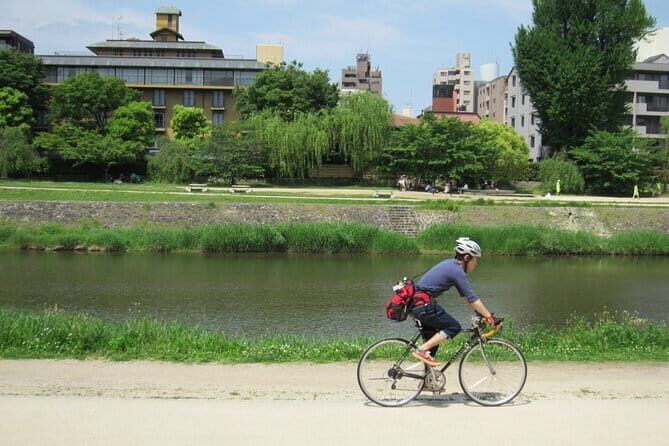
Kyoto is gorgeous, but it’s also spread out in a way that punishes slow planning. This style of guided e-bike touring is a smart middle ground: you get the freedom of riding, but you skip the mental overhead of building a route and navigating streets while you’re trying to take in sights.
What makes this tour especially practical is the pairing of an included bike with a guide leading the pacing. With a small group, it’s easier to move as a unit, stop when the best angles appear, and keep conversations going without the constant scramble you can get in bigger groups.
Also, Kyoto is ideal for short bursts of effort. You’ll bike between major areas, then switch to short walks when you reach the temples and shrines. That setup helps you see more than you could comfortably on foot in only a half day.
You can also read our reviews of more cycling tours in Kyoto


Meeting in Gion: getting started without stress
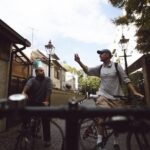
You start at Kyoto Tourist Lounge, 557-4 Komatsu Cho (Pare Gion, 101, four丁目-557-4 小松町 東山区 京都市 京都府 605-0811). The tour runs at 9:00 am and it ends back at the same meeting point.
A couple practical notes matter here. First, you’ll want to arrive ready to ride—this is not a long pre-brief situation. Second, the tour is listed for travelers with moderate physical fitness, and it has a height requirement: over 145 cm. It’s also noted as not recommended for children under 12.
From the ride-and-stop format, I’d treat this as a “comfortable mobility” tour, not a sit-and-sightsee tour. The e-bike helps, but you’ll still cover some distance on foot at points of interest. Reviews also hint that good shoes make a difference, since the walking is part of how you actually get the temple atmosphere up close.
The 4-hour flow: Gion into the temple belt
This is an approximate 4-hour route that mixes major highlights with calmer, photogenic stretches. The itinerary is built around seven stops, each with a set amount of time for viewing and photos.
Most of the listed admissions are marked free, which is a real value boost in Kyoto where you can spend money fast if you’re paying for everything separately. One stop, Honen-in, is explicitly noted as not included—so you’ll want to plan for that extra cost if you want to go into the main areas there.
The tour also requires good weather, and the provider reserves the right to modify the itinerary or change the route if safety or feasibility is affected. In other words: don’t plan this as the only thing on your schedule for the day if weather is uncertain.
Stop by stop: canal charm, Zen spaces, and shrine stillness
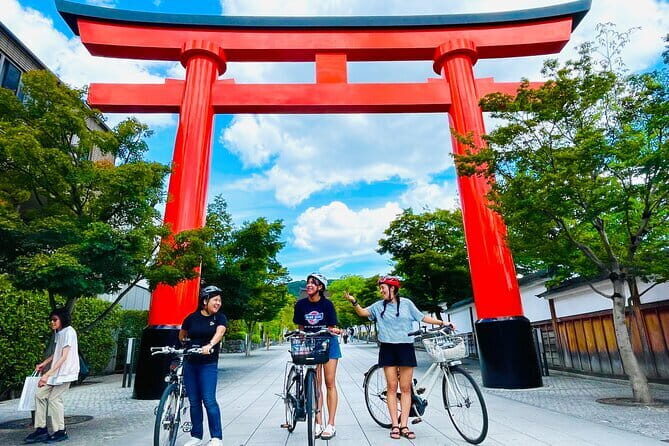
Below is how the day unfolds, and what each stop is good for.
Stop 1: Gion Shirakawa (30 minutes)
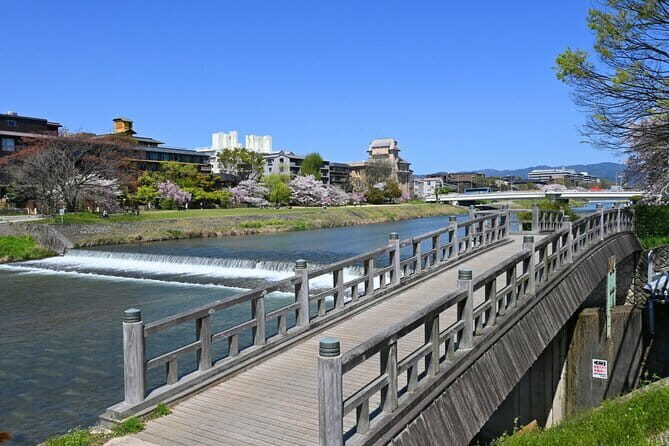
You begin in Gion Shirakawa, a traditional-feeling area where the streets and canal give you that classic Kyoto look right away. The Shirakawa Canal is the big draw here: it’s serene, photogenic, and a great way to ease into the day before the temple intensity ramps up.
Why it works at the start: it sets the tone. You’re not sprinting from one site to another immediately; you’re getting your bearings in a place that feels distinctly Kyoto.
Small drawback: because it’s in Gion, expect it to be busy at peak times. The upside is that the atmosphere and canal views still make it worth it early.
A few more Kyoto tours and experiences worth a look

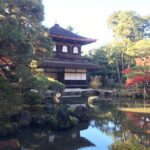

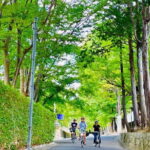
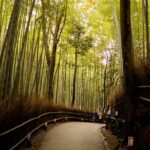
Stop 2: Nanzen-ji Temple (30 minutes)
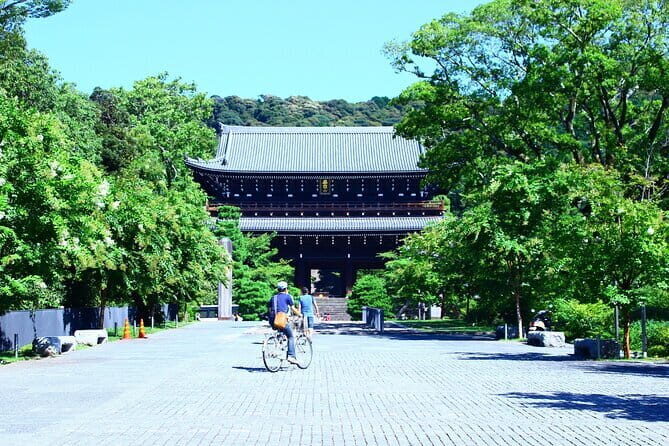
Next up is Nanzen-ji, one of Kyoto’s major Zen Buddhist temples. It’s described as a sprawling complex at the foot of the Higashiyama mountains, known for impressive traditional architecture and a calmer mood once you’re inside the temple grounds.
This stop is valuable because Nanzen-ji gives you “big temple energy” without needing a full day pilgrimage. It’s the kind of place where you can slow down, photograph structures from multiple angles, and learn enough background that it stops feeling like random stonework.
Possible consideration: complex temple layouts mean some walking inside the grounds. You’re not doing a marathon, but you’ll want to stay mindful of pace so you can enjoy rather than rush.
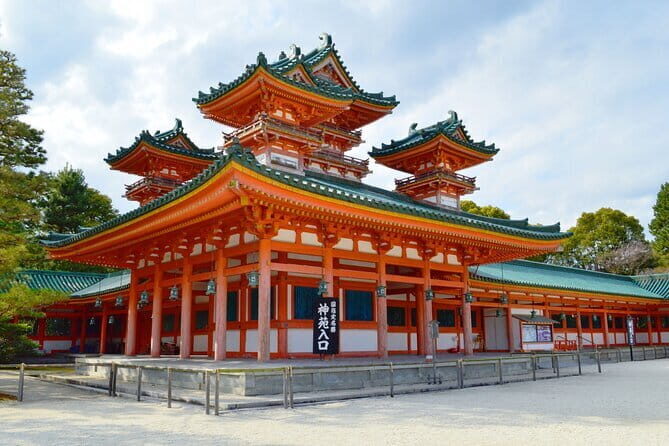
Stop 3: Heian Shrine (30 minutes)
Heian Shrine brings a different vibe: a Shinto shrine known for grand architecture and gardens. The description calls out a red and white main structure reminiscent of classical Japanese designs, which makes it a visual reset after Nanzen-ji’s Zen setting.
This is one of those stops that’s particularly good for photos because the colors and geometry read clearly even at a quick viewing angle. It’s also a nice place to appreciate Kyoto’s mix of religious and cultural layers in a single morning.
One thing to watch: gardens can be wide, so you’ll likely see the highlights rather than every pathway. That’s normal for a tour format, and it’s also why the timing works.
Stop 4: Honen-in (20 minutes)
Honen-in is smaller and more tranquil, founded in the 12th century. The day’s description highlights tree-lined paths, a visit to the main hall, and time to learn about Honen’s teachings.
This stop is a great “cool down” moment. After several larger sites, Honen-in gives you a calmer, more reflective stretch where the grounds feel quieter and more intimate.
Important planning detail: admission for Honen-in is noted as not included. So if you want full access, bring a bit of extra budget for that entry.
Stop 5: Shimogamo Jinja (30 minutes)
Shimogamo Jinja is on the northern edge of Kyoto and is described as one of the oldest and most revered Shinto shrines. What sets it apart is the setting: ancient forest surroundings and tranquil paths.
This stop changes the scenery in a good way. Instead of only temple architecture and formal gardens, you get a more natural, shaded feel that makes the ride-and-walk rhythm of the tour feel more balanced.
Possible drawback: the forested environment can make footing feel different than open temple courtyards. Wear shoes that handle uneven ground comfortably.
Stop 6: Kyoto Imperial Palace (30 minutes)
Then you head to Kyoto Imperial Palace, the former residence of Japan’s imperial family. It’s located within Kyoto Gyoen National Garden, and the description emphasizes the palace’s exquisite traditional architecture and the peaceful setting around it.
This is a great stop if you want a sense of Kyoto’s historical importance beyond shrines and daily-life streets. It also helps explain why Kyoto became such a cultural center: the city’s “sacred” sites and political history are tied together more closely than many first-time visitors expect.
One consideration: even when the palace grounds feel peaceful, the tour time is limited. You’ll want to focus on the main viewing areas the guide points out, since you won’t have time to wander everywhere.
Stop 7: Philosopher’s Walk (30 minutes)
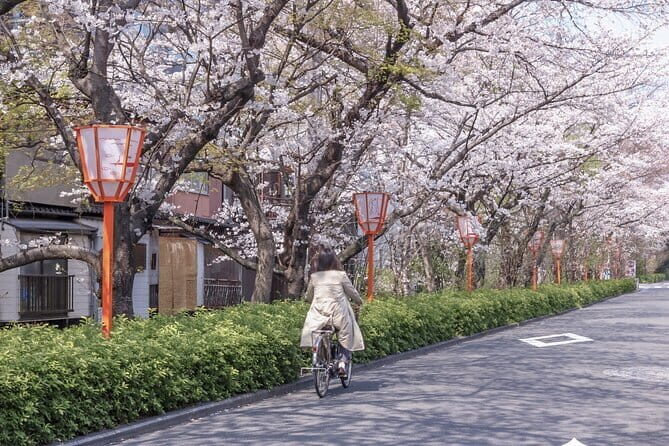
To end, you ride and then visit Philosopher’s Walk, also known as the Philosopher’s Path. The description says it follows a canal lined with cherry trees and traditional tea houses, and it’s named after Nishida Kitaro.
This is a strong closer because it’s scenic and easy to enjoy at the end of the day. After temples, shrines, and formal sites, the canal walk gives you a calmer, more “Kyoto strolling” feeling—plus it’s a popular photo route for a reason.
Small drawback: tea-house areas can be crowded depending on the time of year. If it’s busy, you’ll still get good views and photos, but you may have to wait for a clean shot.
The English guide factor: pacing, stories, and practical tips
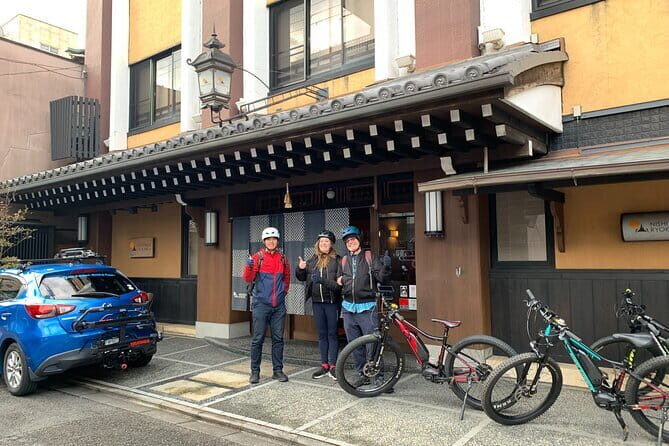
The biggest reason this tour works for most people isn’t just the e-bike. It’s the human layer: an in-person English guide who keeps you moving at a pace that fits the route and explains what you’re seeing.
The reviews attached to this tour give you a useful clue about what that means in real life. Guides such as Yuki, Ben, and Jay have been praised for clear English, friendly storytelling, and answering questions about Japanese culture and Kyoto. That matters because Kyoto etiquette and shrine/temple rules are easy to misunderstand if you’re just reading signs while walking.
Also, the tour style encourages questions. If you’re curious about religion, architecture, or why certain areas look the way they do, you’ll have a chance to ask rather than just absorb.
Price and value check: is $70 fair for 4 hours?
At $70 per person for about 4 hours, you’re paying for three things: the e-bike rental included, an English-speaking guide, and a structured route that covers multiple major stops.
Here’s why that can be good value in Kyoto:
- You’re not buying separate transport solutions for each segment of the day.
- Several stops are listed as free admission, which reduces the on-the-day spending shock.
- The route planning is handled for you, which saves time and energy for sightseeing.
The one cost “gotcha” is Honen-in, where admission is explicitly not included. So your real all-in cost could be slightly higher depending on entry prices.
Insurance is also listed as not included. That doesn’t mean the tour is unsafe—it just means you shouldn’t expect it as part of the package.
Overall, if you want a compact Kyoto highlight run in half a day without bike rental hassle or navigation stress, this price tends to make sense.
Who should book, and who should skip
This tour fits best if you:
- want to cover a lot of Kyoto in a short window
- like temples and shrines but don’t want to plan every detail yourself
- prefer moving efficiently, while still doing short walks at the key spots
- value photo opportunities that are built into the schedule
It may not fit well if you:
- can’t meet the height requirement (over 145 cm)
- don’t feel comfortable with moderate physical activity
- hate walking at all, since the tour includes walking at each stop
- want a fully self-paced, wandering-only experience with no group structure
If you’re on the fence, think of this as a day kit: ride for distance, walk for atmosphere, and let the guide handle the why behind what you’re seeing.
Should you book this Kyoto e-bike tour?
Yes, I’d book it if you want a simple way to see major Kyoto sites plus quieter corners without turning your day into a map-reading exercise. The small group size, included bike, and multiple free admission stops make it feel like a practical deal rather than just another tour that earns its money on convenience.
I’d skip it if you’re expecting a totally no-walking experience or if weather is iffy—because this tour needs good conditions to run safely. If you’re flexible and you wear good shoes, you’ll likely come away with a strong first impression of Kyoto and a clear sense of where you might want to go deeper later.
FAQ
How long is the Kyoto e-bike tour?
It’s approximately 4 hours.
What time does the tour start, and where do I meet?
The start time is 9:00 am. You meet at Kyoto Tourist Lounge, 557-4 Komatsu Cho (Pare Gion, 101), 四丁目-557-4 小松町 東山区 京都市 京都府 605-0811, Japan.
What’s included in the price?
The tour includes use of the bicycle and an in-person English guide, with a mobile ticket.
Are temple and shrine entry tickets included?
Most listed stops are marked as free admission. Honen-in is noted as admission not included.
Do I need any cycling experience?
No specific experience level is stated, but the tour is for travelers with moderate physical fitness, and it’s designed for you to follow the guide while riding.
Is there a height requirement?
Yes. Height must be over 145 cm, and it is not recommended for children under 12.
What if the weather is bad or I need to cancel?
The experience requires good weather. If it’s canceled due to poor weather, you’ll be offered a different date or a full refund. Free cancellation is available up to 24 hours in advance for a full refund.