REVIEW · TOKYO
Tokyo: Private Walking Tour with a Local Guide
Book on GetYourGuide →Operated by Tokyo Vibes · Bookable on GetYourGuide
Tokyo can overwhelm fast. This private walking tour gives you a local-guided path through temples and tech-heavy neighborhoods, shaped around your time. I love the private local guide experience and how guides like Miwa, Rika, and Momo can steer the day with sharp, clear English. I also like that temple and shrine entrance fees are covered. The one real consideration: it’s mostly walking plus public transit, so you’ll want comfortable shoes and an energy budget.
What makes it especially practical is the planning style. You pick interests and must-sees, then your guide finalizes the route with you about a day ahead, with WhatsApp used for quick coordination. One more heads-up: some stops can be busy (Shibuya Crossing can be a lot), but the whole day is adjustable, so if you’d rather swap that for calmer streets, you can often do it.
In This Review
- Key things to know before you go
- Why Tokyo walking tours work best with a local guide
- Choosing your 2 to 8 hour route (and keeping travel time sane)
- Sensō-ji Temple and Asakusa: old Tokyo with real atmosphere
- Ueno and Ameya-Yokochō: a strong mix of culture and everyday shopping
- Akihabara: tech, anime, and the story behind the crowds
- Shibuya Crossing and Harajuku: modern icons, with an option to manage the chaos
- Meiji Shrine: a quick reset between loud neighborhoods
- Tsukiji Outer Market and Ginza: food street energy plus polished city life
- Tokyo Imperial Palace area and Shinjuku: walking history toward city power
- How your guide helps in the real Tokyo: transit, photos, and confidence
- Price and logistics: what you’re paying for, and what you’ll still handle
- What to bring so the tour feels easy
- Who this Tokyo tour suits best (and who should skip it)
- Should you book this private Tokyo walking tour?
- FAQ
- Is this tour private?
- How long is the tour?
- What does the tour include for entrance fees?
- What’s not included in the price?
- Do I get hotel pickup?
- Is it suitable for wheelchair users or baby strollers?
Key things to know before you go
- Fully private, English-speaking local guide who can shift the plan to your pace
- Flexible route built around your interests, from historic sites to modern districts
- Temple and shrine entrance fees are covered, so you’re not stuck paying at every stop
- Pickup and drop-off in central Tokyo (or a preferred meeting place) with guidance using transit
- Off-the-beaten-path options and local-life context, not just photo stops
- Mostly walking + public transport, which is amazing for seeing Tokyo but not for everyone’s legs
Why Tokyo walking tours work best with a local guide
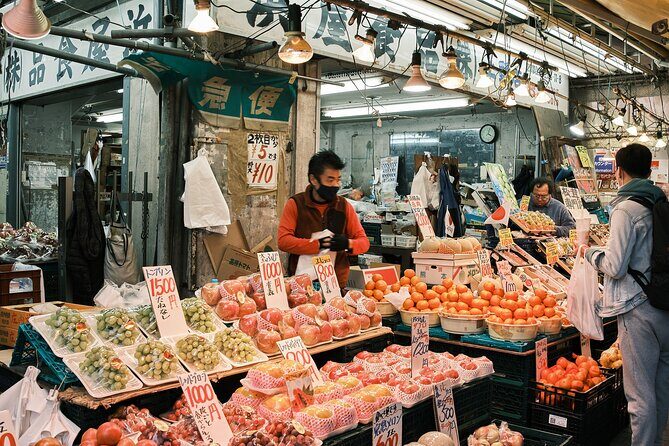
Tokyo is huge, and not in a fun way. Even with maps, it’s easy to waste time zig-zagging across neighborhoods that don’t connect intuitively. A private walking tour fixes that. You’re not “following an itinerary.” You’re getting a route that makes sense hour by hour, on foot and by train.
The biggest value for me is context. You’ll see Sensō-ji and Shibuya Crossing, sure, but your guide connects the dots: why a shrine is placed where it is, what people do there, and how modern Tokyo grew around older customs. Guides praised for their calm communication—like Miwa’s impeccable pronunciation or Rika’s efficient use of rail—also help you feel steady in a city that can feel chaotic at first.
And because it’s private, you can slow down. You can ask more questions. You can trade a crowded moment for a quieter street photo stop. That choice matters in Tokyo.
You can also read our reviews of more walking tours in Tokyo
Choosing your 2 to 8 hour route (and keeping travel time sane)
This is a “build your day” tour. The duration ranges from 2 to 8 hours, and the exact mix of neighborhoods depends on the time option you choose. A sample route often threads together several distinct Tokyo personalities in one go—temples in the east, shopping and pop culture in central districts, then big-city energy toward Shibuya and Shinjuku.
Your pickup options cover many central areas (including places like Shinjuku, Shibuya, Chiyoda, Minato, Taito, Koto, Sumida, Nakano, Meguro, and others). You’ll meet your guide at your hotel in central Tokyo or at your preferred meeting place, then move around together.
Here’s the practical mindset I recommend: pick a couple of “anchors” and let the guide fill in the connections. For example:
- one spiritual anchor (Sensō-ji or Meiji Shrine)
- one pop-culture anchor (Akihabara or Shibuya)
- one market/food anchor (Tsukiji Outer Market or Ameya-Yokochō)
That keeps the day from turning into a sprint. One review even points out the real lesson: Tokyo is so big that you must make deliberate choices to avoid wasting time in transit.
Sensō-ji Temple and Asakusa: old Tokyo with real atmosphere
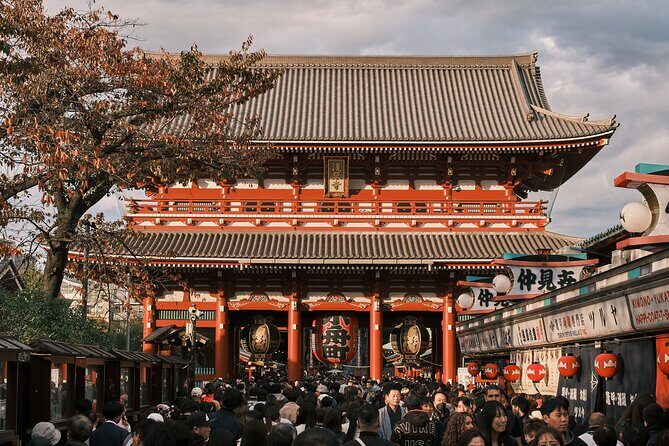
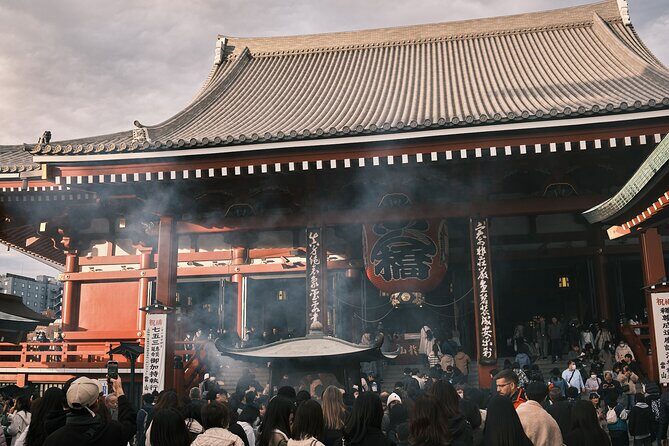
Sensō-ji is the kind of place where you quickly stop thinking like a tourist and start watching like a human. Even if you’ve seen photos, being there in person hits differently: you’ll notice the flow of people, the rhythm of offerings, and the way the area is arranged for walking. Because temple entrance fees are covered for the tour, you can focus on seeing rather than budgeting for stop-by-stop tickets.
Asakusa pairs naturally with Sensō-ji. After the temple area, the streets around it give you a more lived-in view of the neighborhood. If you like slowing down—observing small shops, street textures, and the mix of locals plus visitors—this part of the day is ideal.
Possible drawback: it can be crowded. If you’re trying to keep the day light and photo-friendly, go early when your body still feels fresh, and don’t feel bad about skipping the most packed angles. A private guide gives you that flexibility.
Ueno and Ameya-Yokochō: a strong mix of culture and everyday shopping
Ueno is where Tokyo starts to feel less like a checklist and more like a place. It’s a great area for history-adjacent sights plus parks and city streets. Pairing Ueno with a market neighborhood works well because you get variety: quieter walking one minute, then street energy the next.
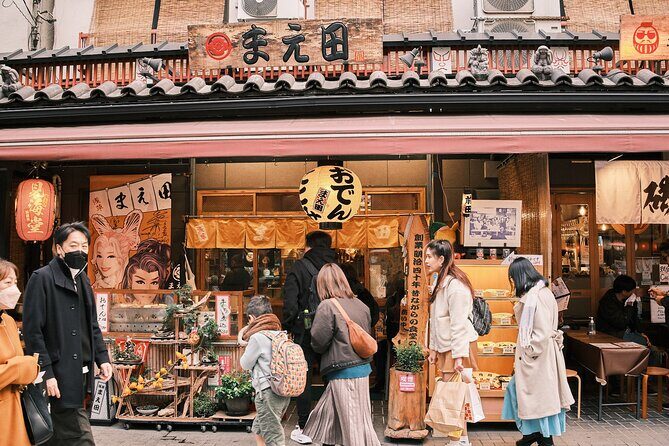
Ameya-Yokochō (often spelled Ameya-Yokocho) is known for its market vibe—busy walkways, stalls, and constant movement. This is one of those stops that helps you understand how Tokyo people spend time and shop, not just what tourists point their cameras at. If you’re into snack breaks, it’s a natural spot to eat on the move (meals are not included, so you’ll be paying for your own food, but you can still plan smart).
Practical tip: wear shoes you won’t regret. Market streets often mean constant small steps and standing.
Akihabara: tech, anime, and the story behind the crowds
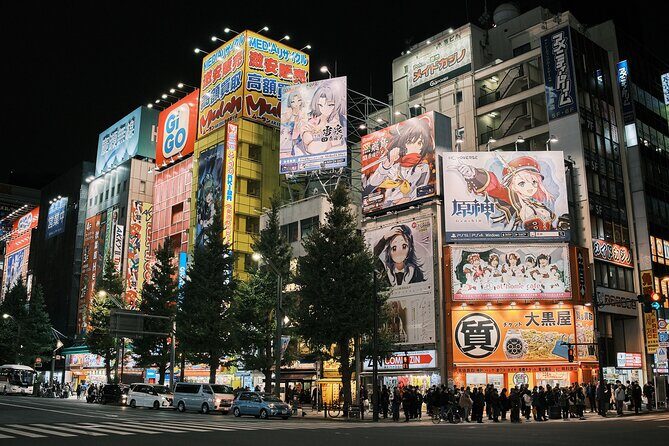
Akihabara is Tokyo’s high-signal district. You’ll see electronics retail, pop-culture stores, and a mix of visitors that makes the neighborhood feel like a living theme. The value here isn’t only shopping—it’s understanding why the area became what it is. With a local guide, you can get past the surface and learn how niche industries and subcultures grew into a mainstream identity.
One small drawback to plan for: it can be overwhelming if you’re sensitive to stimulation. If you want a gentler pace, tell your guide up front. The tour can be customized, so you’re not locked into wandering every aisle.
You can also read our reviews of more guided tours in Tokyo


Shibuya Crossing and Harajuku: modern icons, with an option to manage the chaos
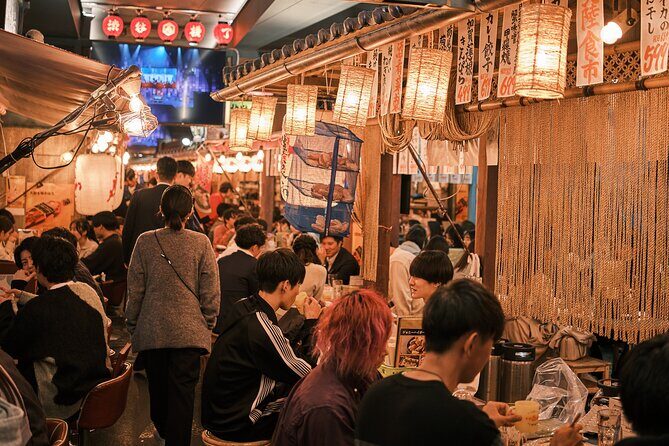
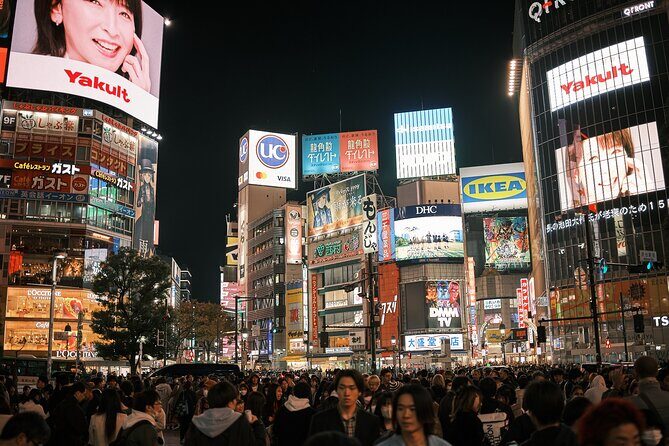
Shibuya Crossing is the headline. It’s wide. It’s busy. It’s famous for a reason. But it’s also one of those spots where your personal preference matters. In one case, a guest said they wouldn’t have chosen Shibuya Crossing in hindsight—so that’s your reminder: if crowds aren’t your thing, ask to spend less time here and more time in surrounding streets.
Harajuku often works as a “plus one” after Shibuya. It can feel like the offshoot of Shibuya’s fashion energy, but the mood can shift block by block. If you want stylish shopping streets and people-watching, Harajuku is a solid move.
How to make this section enjoyable:
- Don’t treat crossings as a single photo and done. Use your time to watch the flow.
- Ask your guide for calmer viewing angles if you want less crowd pressure.
- Keep water handy; you’ll be outside and moving.
Meiji Shrine: a quick reset between loud neighborhoods
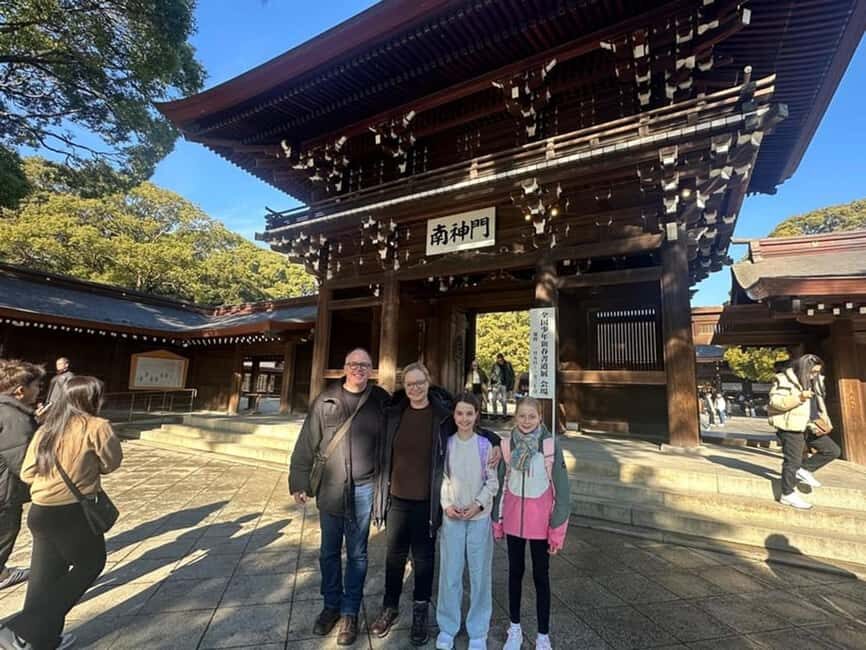
Meiji Shrine is a real contrast. After tech districts and fashion streets, it gives you a breathing moment: walking paths that feel less like a parade route and more like a place designed for reverence and calm.
Meiji Shrine also teaches you something Tokyo does well: it doesn’t erase tradition when it builds modern city life. This is where your guide’s explanation matters. You’ll likely learn how the space is respected and used, and what everyday visitors come to do.
I love this stop because it balances the day. If your itinerary feels too “straight line,” Meiji Shrine is where you regain your sense of place.
Tsukiji Outer Market and Ginza: food street energy plus polished city life
Tsukiji Outer Market is one of those Tokyo stops that works even if you’re not a hardcore foodie. It’s visual and sensory. You’ll see seafood stalls, snacks, and vendors moving quickly. Because meals aren’t included, treat it as a place to sample what looks good to you rather than waiting for one restaurant plan.
Ginza is the shift. It’s more polished, more business-forward, more shopping-focused. Pairing Ginza with Tsukiji gives you a clean “before and after” feeling: street-level market life versus a sleek city district that feels designed for browsing.
A useful way to approach this section: if you’re hungry, go early enough that you’re not making food decisions while running out of time. If you’re not hungry, still walk it slowly and let your guide point out what’s worth your attention.
Tokyo Imperial Palace area and Shinjuku: walking history toward city power
The Tokyo Imperial Palace area is often the “serious” stop in the mix. It gives you perspective on how the city thinks about governance and space. Even if you’re not a history fanatic, this is one of those Tokyo moments that clarifies the scale of the capital.
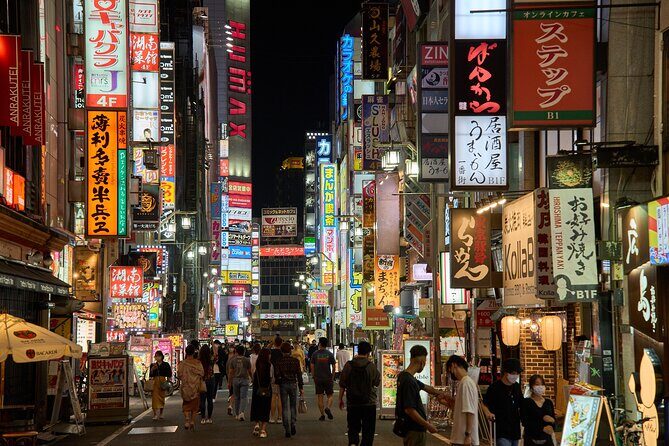
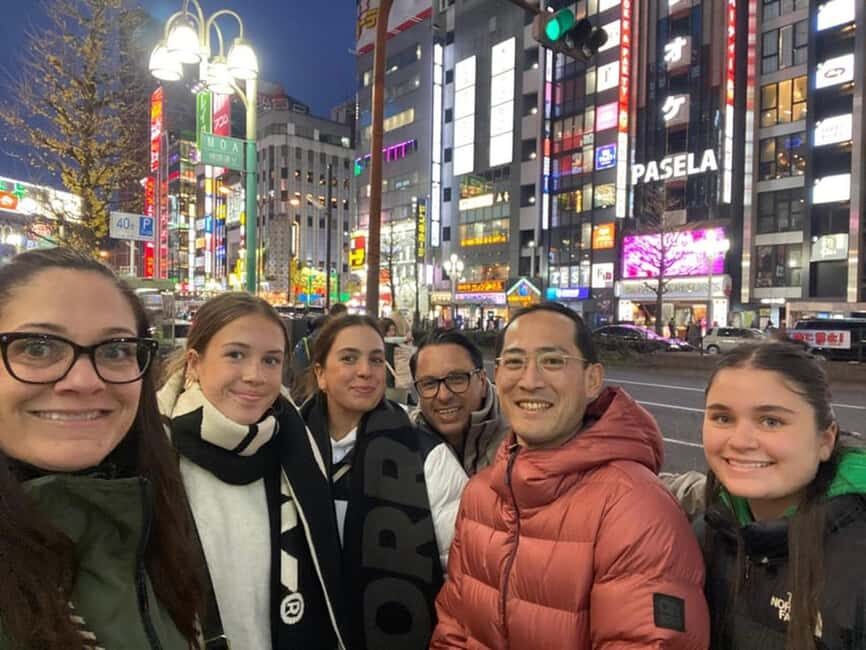
Shinjuku is the flip side: tall buildings, movement everywhere, and that full Tokyo feeling where multiple districts overlap. This is a good finish if your feet still have energy. Some guides also like to layer in viewpoints and city orientation before the day ends.
One thing to watch: Shinjuku can be complex to navigate. That’s where your guide’s transit experience pays off. If you want less stress leaving, keep your ending location flexible and follow your guide’s lead.
How your guide helps in the real Tokyo: transit, photos, and confidence
This isn’t just “walk and talk.” A large part of the value is the support around moving through Tokyo. Multiple guides are praised for being efficient with rail and subway routes, and for making the public transit system feel less intimidating.
You’ll also get practical confidence boosts, like help using the network and clear walking directions. One of the most useful themes across guide stories is that they don’t overload you with facts. They give enough history to make each place make sense, then they help you keep moving.
And yes, photos are a real part of the experience. Several guides are noted for taking group photos with phones and sharing them afterward. It’s a small touch, but it removes the awkward chore of trying to coordinate your own shots in busy places.
Price and logistics: what you’re paying for, and what you’ll still handle
The tour price is $53 per person, and the value comes from three things:
- It’s private, so your time doesn’t get diluted across unrelated interests.
- Guides handle the route logic, including temple/shrine entrance fees.
- You get tailored pacing, so you spend less time guessing and more time seeing.
What’s included:
- a private walking tour with a local English-speaking guide
- hotel/accommodation pickup and drop-off
- temple and shrine entrance fees
- time spent exploring on foot and via convenient public transport
What’s not included:
- meals and beverages
- additional attraction tickets for anything beyond the basic included sites
- other transport costs if they come up
One key detail if lunch happens: if you want your guide to join you, you’re expected to cover the guide’s meal cost. If you’d rather not, tell them early. It’s not a big deal, but it avoids awkward misunderstandings.
My advice for budgeting: keep a transit card ready (or a pass if you already planned one). A few reviews mention Suica and pass activation being part of the day’s smoothness.
What to bring so the tour feels easy
This tour runs on walking and short moves, so pack like you’re out for the day, not like you’re going to a museum.
Bring:
- passport or ID card
- comfortable shoes
- credit card
- cash
Also, because your guide will contact you in the 24 hours before via WhatsApp, it helps to be reachable and ready to confirm preferences.
Not allowed:
- baby strollers
- smoking
- drones
- littering
- baby carriages
Who this Tokyo tour suits best (and who should skip it)
This works especially well if you:
- want a first-day orientation that still feels personal
- like mixing iconic sights with quieter streets
- don’t want to wrestle with route planning and transit transfers alone
- value clear English explanations and practical tips for moving around
It may not suit you if you:
- need wheelchair access or have mobility impairments (this tour is not suitable for wheelchair users)
- rely on stroller access (strollers aren’t allowed)
If your legs are fine and you’re okay with public transit, it’s a strong way to compress Tokyo into a meaningful day without turning it into a stressful race.
Should you book this private Tokyo walking tour?
I’d book it if you want a Tokyo day that feels like it was designed around you, not around a mass schedule. The combination of covered temple/shrine fees, hotel pickup, and a private English guide who can manage pacing is the real win.
Skip it only if you already know exactly what you want to see and you’re comfortable building a route yourself with zero help. If that’s not your style, this tour can save energy and time, and it gives you the kind of context that makes iconic places feel understandable instead of just photogenic.
If you do book, send your priorities early and be honest about what you want more or less of—crowds, food stops, shopping, spiritual sites, modern neighborhoods. Guides like Miwa and Rika are repeatedly praised for taking those cues seriously and adjusting on the fly.
FAQ
Is this tour private?
Yes. It’s a private group, with a live English-speaking local guide.
How long is the tour?
It runs from 2 to 8 hours. The exact route mix depends on the option you choose, and your guide finalizes the itinerary about 24 hours before your tour.
What does the tour include for entrance fees?
Entrance fees for the temples and shrines on the tour are covered.
What’s not included in the price?
Meals & beverages are not included. Additional attractions or special requests may require tickets that you purchase yourself, and other transport (like additional train/car use) is not listed as included.
Do I get hotel pickup?
Yes. Pickup is included from your central Tokyo hotel (or a preferred meeting place), and you’ll also get drop-off.
Is it suitable for wheelchair users or baby strollers?
No. The tour is not suitable for people with mobility impairments or wheelchair users. Baby strollers are also not allowed.