REVIEW · TOKYO
Tokyo: Challenge Sumo Wrestlers and Enjoy Meal
Book on GetYourGuide →Operated by Beauty of Japan (BOJ) · Bookable on GetYourGuide
Sumo is one of Japan’s strangest sports. See former wrestlers in action, then step into the ring yourself, all wrapped around a real sit-down meal. I like the hands-on part as much as the culture lesson, because you’re not just watching from a seat. You also get English help, which makes the whole thing feel usable, not vague.
What I like most is the combo of former pro skill plus a relaxed, talk-through style that actually explains what you’re seeing. I also love that you get a meal included (tonkatsu lunch or sukiyaki dinner, based on your choice), so the experience feels complete and not like an expensive ticket to a show.
One thing to consider: you’ll want to plan your expectations around a short format. With about 1.5 hours total, it’s a demonstration plus a try-out, not a full tournament day, and your seat location can affect how easy it is to follow the English commentary and Q&A.
In This Review
- Key highlights
- A 90-Minute Sumo Course You Can Actually Use
- Getting There From Kikukawa Station (and Finding Your Seats)
- The Demonstration: Watching the Dohyo With Better Context
- Your Turn in a Sumo Costume: Fun, Quick, and Surprisingly Real
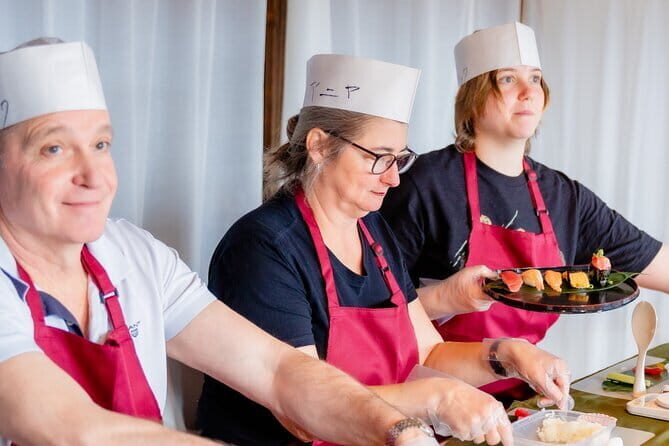
- Tonkatsu Lunch or Sukiyaki Dinner: Why the Meal Is Part of the Point
- Photos and Q&A: The Real Cultural Moment Happens After the Swing
- Price and Timing: What $117 Buys You (and What It Doesn’t)
- Who Should Book This Sumo + Meal Experience
- Practical Tips to Make the Most of Your 1.5 Hours
- Should You Book This Sumo Wrestlers + Lunch in Tokyo?
- FAQ
- How long is the sumo experience?
- What’s included in the ticket price?
- Is lunch or dinner included, and what are the options?
- How do I get there, and do I need hotel pickup?
- Can I bring my own food or drinks?
- What’s the cancellation policy?
Key highlights
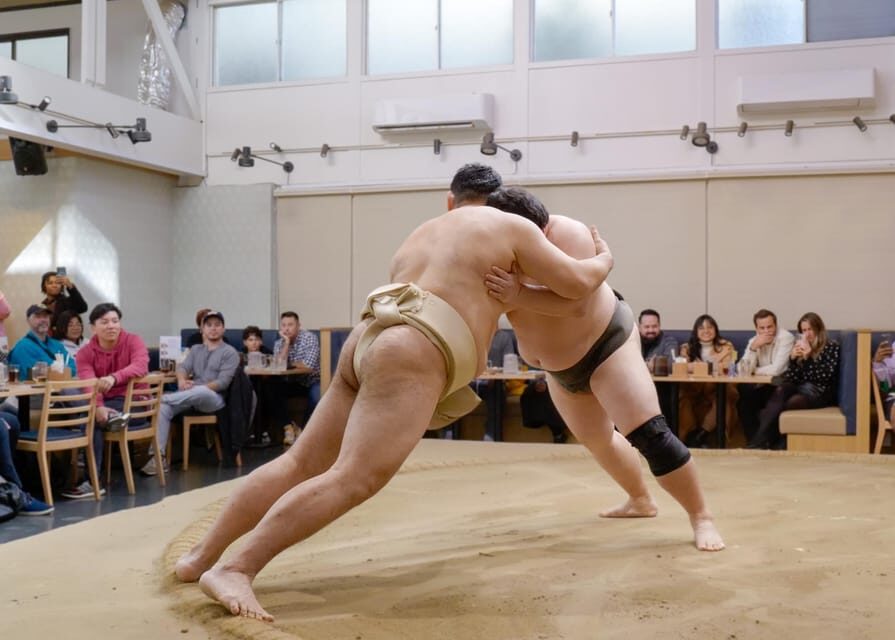
- Former sumo wrestlers guide you in English and help you understand the dohyo world
- Hands-on costume time: you’ll step into the ring and try techniques in a friendly setting
- Meal included with your choice of tonkatsu lunch or sukiyaki dinner
- Photo moment alongside the wrestlers, plus extra Q&A time
- Best seating by booking order, so earlier bookings tend to help you hear better
A 90-Minute Sumo Course You Can Actually Use
Tokyo has plenty of ways to see sumo, but this one is built for visitors who want meaning, not just spectacle. The format is smart: a short, English-friendly explanation of what’s happening in the ring, followed by a try-out that lets you feel how awkward and powerful sumo basics can be.
I like experiences that make you look at an everyday culture differently afterward. Here, you’ll pick up common sumo terminology while watching the wrestlers demonstrate maneuvers. It changes how you watch sumo later, whether you catch a tournament on TV or see a clip online.
And yes, the meal matters. Food turns the whole event from a rushed show into a full afternoon plan. Tonkatsu lunch or sukiyaki dinner gives you something to slow down with, and it’s part of why the price feels more reasonable than many standalone attractions.
You can also read our reviews of more tours and experiences in Tokyo.



Getting There From Kikukawa Station (and Finding Your Seats)
Logistics are straightforward, which is a win in Tokyo. You meet near Kikukawa Station: take the Shinjuku Line, get off at Kikukawa Station, then walk about 5 to 8 minutes from Exit A1. The event ends back at the meeting point, and there’s no hotel pickup.
Because seating affects your experience, think about this early. The venue assigns the best seats based on order of booking. If you can, grab a time early in your trip so you have a better shot at better placement.
One practical tip from real-world experience: I’d rather be closer to the front for sound than chasing the idea of a perfect view. The commentary and the Q&A are part of the value. If people around you talk loudly, it can get annoying, so being positioned where you can hear clearly helps you get the most out of the English explanations.
The Demonstration: Watching the Dohyo With Better Context
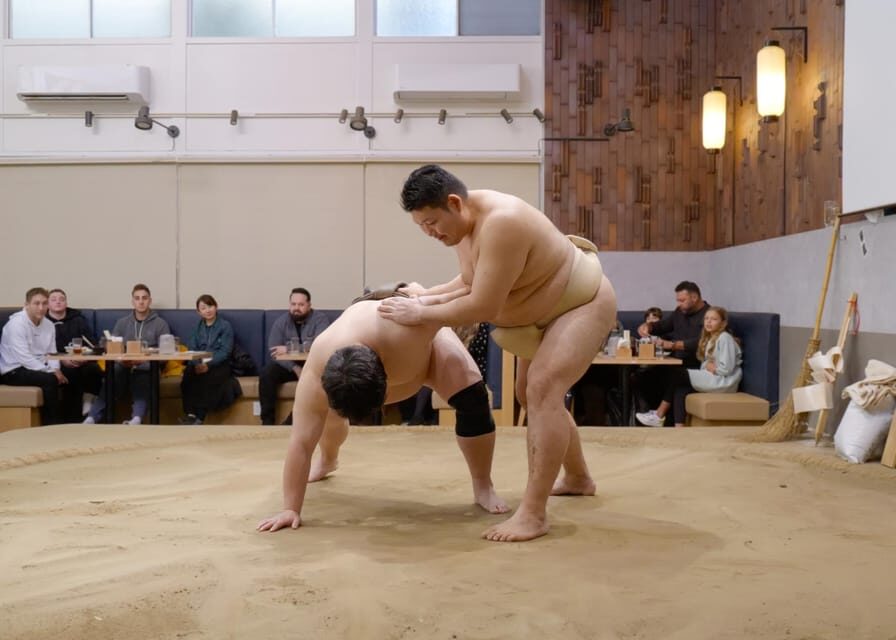
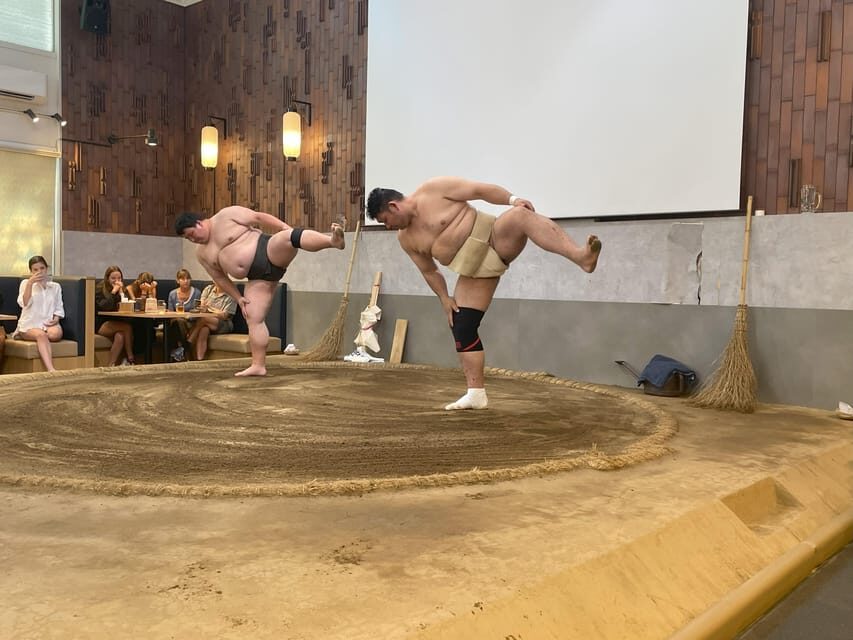
The core of the event is the exhibition-style sumo demonstration by retired wrestlers. You’ll see them work in the sacred dohyo (the ring), and you’ll get explanations in English so the moves don’t feel random.
This is where I think the experience earns its reputation as one of the better-known Tokyo activities. Sumo looks simple until you realize how much is ritual, balance, timing, and leverage. The wrestlers don’t just throw each other around—they show how the sport’s basics connect to Japanese culture.
As you watch, you’ll also learn common terminology. That might sound minor, but it matters. Once you know the words, you can follow what’s going on without needing to pause and research. It’s the difference between watching a magic trick and understanding the method.
Expect some humor in the presentation, too. The demonstration is not stiff. It’s designed to keep you engaged while still teaching you what you should notice as techniques happen.
Your Turn in a Sumo Costume: Fun, Quick, and Surprisingly Real
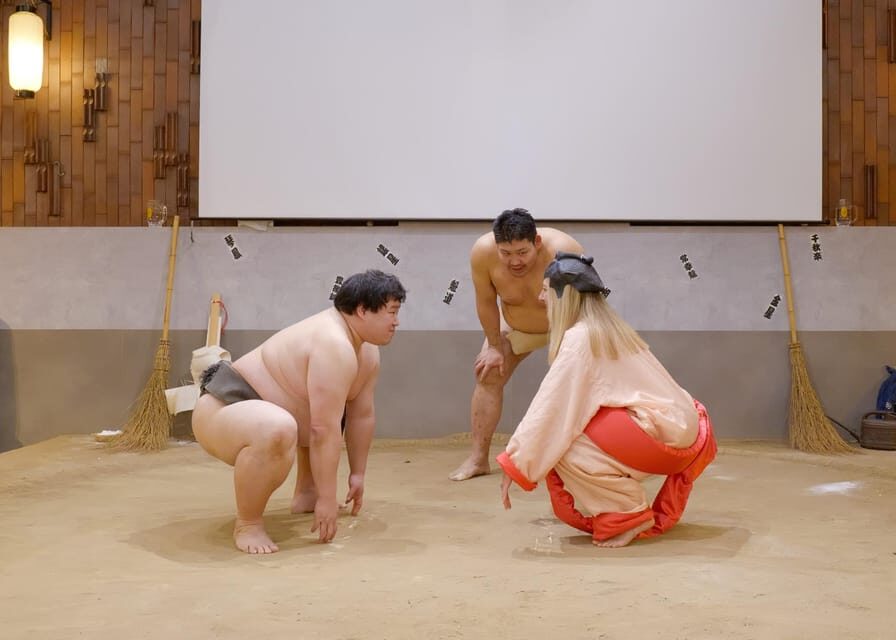
Then comes the part many people remember most: putting on a sumo costume and stepping into the ring. This isn’t just dressing up for a photo. You’ll get a structured chance to try sumo moves with guidance from the hosts, and it’s built as a friendly competition with the experts.
What makes this section valuable is the physical contrast. Sumo stances and footwork look easy from the stands. In person, you feel how wide the base is, how different your center of gravity becomes, and how hard it is to control balance once you’re in the costume and on the ring surface.
You should come in expecting to be challenged in the small ways. You won’t need athletic training to enjoy it, but you’ll likely feel winded or awkward in a good way. It’s a hands-on way to understand why sumo is more than strength—it’s body control.
If you’re traveling with kids, this try-out can be a big win. A short interactive segment keeps energy up, and the wrestlers tend to be accommodating during photo moments and Q&A.
Tonkatsu Lunch or Sukiyaki Dinner: Why the Meal Is Part of the Point
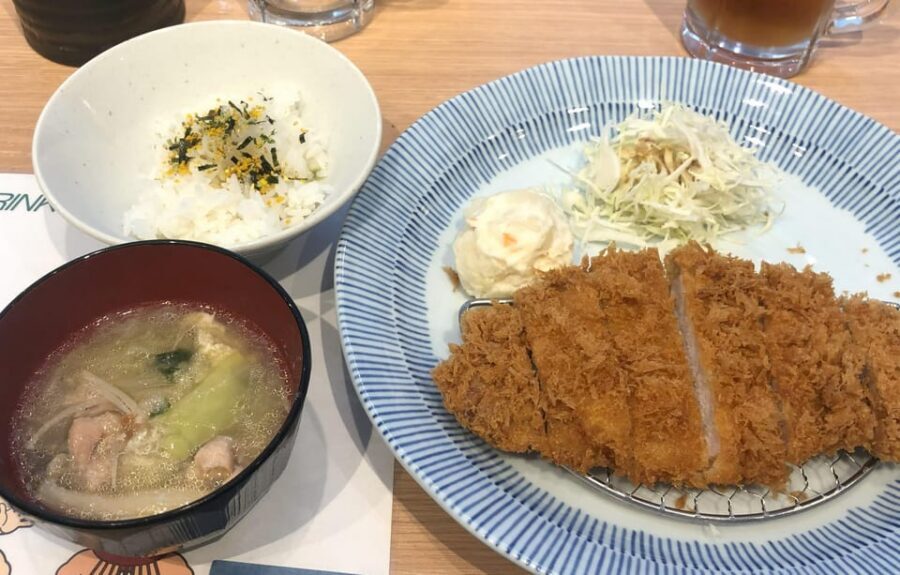
Your booking choice affects the meal: tonkatsu lunch or sukiyaki dinner. Both are classic Japanese comfort foods, and both make sense after watching a sport that feels as physical as sumo.
I like that the meal is included, because it removes a common travel annoyance: you don’t have to scramble to find something nearby that matches your schedule. It also keeps the group together, so the event feels like one package rather than separate activities glued together.
Some participants have noted that the lunch menu can include more than just a basic pork cutlet-style meal, with chanko-related items mentioned and even specific lunchbox surprises. The exact menu can vary depending on how the day is run, so keep a flexible mindset and treat it as part of the experience.
If you have dietary requirements, you should advise the team. The activity also notes that it’s acceptable to bring your own food and drink, which is useful if you have allergies or want extra snacks.





Photos and Q&A: The Real Cultural Moment Happens After the Swing
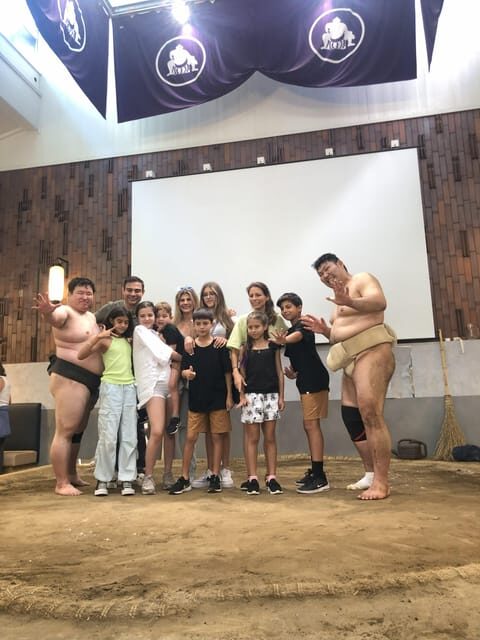
The event doesn’t stop when the demonstration ends. There’s time to capture a photo alongside the wrestlers, and there’s also a Q&A session where you can ask questions.
Here’s why that matters: sumo has rules, rituals, and traditions that don’t always show up in highlight clips. In a Q&A, you can ask the practical stuff—how wrestlers train, what’s important in matches, how the culture works. Even if you only catch part of the English, the questions and answers help you build a clearer mental picture.
Also, don’t overthink the photos. You’ll typically have a photo opportunity at the end of the event. That means you can relax during the try-out and focus on participating, not just posing. If you want the best chance to hear the commentary and questions clearly, aim to be closer to the front based on your booking position.
And one etiquette note that actually affects your experience: if the people near you keep talking over the hosts, it can drown out the English portion. Pick your seat with hearing in mind, and you’ll feel the event click.
Price and Timing: What $117 Buys You (and What It Doesn’t)
At about $117 per person, you’re paying for a full package: retired wrestlers hosting in English, a demonstration in the ring, a hands-on costume try-out, a photo moment, Q&A time, and an included meal. That’s a lot of value compared to a typical museum-style event where you pay mostly for access.
The time commitment is short—about 1.5 hours—so you’re not giving up a half day in Tokyo. That makes it easier to fit into a day that already includes other neighborhoods and experiences. Still, it helps to understand the limits: this is not a long, tournament-day experience. It’s closer to a concentrated introduction plus a fun try-out.
Best use case: you want something authentic and memorable even if sumo tournament dates don’t line up with your schedule. This also works well if you’ve looked into visiting training stables and found age or access restrictions—this format is built for visitors.
What it doesn’t include: hotel pickup/drop-off and transportation to/from the restaurant. You’ll handle getting to Kikukawa Station on your own, then walk in. Also, additional food and drinks aren’t included, so plan to cover water or extras yourself.
Who Should Book This Sumo + Meal Experience
This is a great fit if you want a cultural activity that’s both entertaining and informative. You’ll enjoy it most if you like structured experiences where someone explains what you’re seeing and then gives you a chance to try it.
It’s also ideal for:
- First-time sumo fans who want to learn the terminology fast
- Families who want an interactive, energetic segment
- Travelers who value English explanations and Q&A time
- People who want a meal included rather than eating separately
You might consider skipping if you:
- Want a long, deep historical tour (this is short by design)
- Expect a full tournament atmosphere
- Don’t enjoy interactive activities and prefer pure spectator time
Practical Tips to Make the Most of Your 1.5 Hours
A few things will make this smoother:
- Arrive a few minutes early so you can settle in and adjust quickly.
- Choose your booking time thoughtfully. Since seating improves by order of booking, earlier usually helps you hear better.
- Keep your questions ready for Q&A. Even a simple question helps you turn what you saw into real knowledge.
- If you have dietary needs, communicate them ahead of time. The team asks for this, and it helps avoid meal problems.
- If you’re sensitive to loud groups, consider where you’ll sit. Sound quality can be the difference between enjoying the English and straining to hear it.
The event asks you to follow staff instructions in the hall. That’s normal for anything with a shared space and staged activities, and it also helps keep the try-out fun and safe.
Should You Book This Sumo Wrestlers + Lunch in Tokyo?
Book it if you want the best of three worlds in one outing: a real sumo ring demonstration, a hands-on costume experience that actually teaches you something, and a proper sit-down meal to anchor the day.
Skip it if you already know sumo basics and only want a spectator experience for a long period. This activity is short, so it’s better treated as an introduction plus a memorable try-out, not a substitute for tournament days.
If your Tokyo schedule is tight and you care about value per hour, this is one of the easier decisions. For most first-timers, it’s a fast route to feeling like you understood what you watched, not just that you attended something.
FAQ
How long is the sumo experience?
The experience lasts about 1.5 hours (check availability for exact starting times).
What’s included in the ticket price?
You get to meet and learn from a retired sumo wrestler, receive an English explanation, and enjoy a meal (lunch or dinner depending on the option you choose). A photo moment with the wrestlers and the hands-on costume try-out are part of the experience.
Is lunch or dinner included, and what are the options?
Your booking option determines the meal. You’ll have either tonkatsu lunch or sukiyaki dinner, and both are included in the experience.
How do I get there, and do I need hotel pickup?
There’s no hotel pickup or drop-off. You’ll take the Shinjuku Line to Kikukawa Station, then walk about 5 to 8 minutes from Exit A1.
Can I bring my own food or drinks?
Yes, it’s acceptable to bring your own food and drink. You should also advise the provider of any specific dietary requirements.
What’s the cancellation policy?
This activity is non-refundable.