REVIEW · TOKYO
Mt. Fuji & Hakone: Fuji Sengen Shrine, Cruise, and Ramen-Making
Book on Viator →Operated by LIMON Tours · Bookable on Viator
Mt. Fuji day trips can be chaos. This one is built for a smoother ride out of Tokyo, with air-conditioned bus transfers plus big-ticket stops in one long day. I particularly like the hands-on ramen-making lunch and the chance to see Fuji from multiple angles, including a water view when the weather cooperates. The main thing to watch is the walking: you’ll cover several stops and climb up to the Arakura Fuji Sengen area, so plan for that.
The vibe is classic Japan: calm scenery, simple rituals, and food you actually make with your hands. I also like that the tour team tries to handle disruptions, like finding a workaround if the cruise timing changes. The drawback is that the Lake Ashi cruise can get swapped if conditions make it impossible, and you won’t get refunds just because of that.
In This Review
- Key Points Worth Knowing Before You Go
- Why a Fuji and Hakone Day Trip Beats Tokyo Train Planning
- Shinjuku Start: Early Morning, Real Comfort, Clear Momentum
- Lake Ashinoko Cruise: Your Best Bet for Seeing Fuji From the Water
- Ramen Factory in Fujikawaguchiko-machi: Make Noodles, Build Your Bowl
- Arakura Fuji Sengen Shrine and the Churei-to Pagoda View
- Oshino Hakkai: The Eight Ponds Built From Fuji Snowmelt
- When Walking, Rain, and Traffic Change Your Day
- Small Group Energy and Guide Styles You Might Notice
- Price and Value: Is $128.69 a Fair Deal?
- Who This Tour Fits Best (and Who Should Skip It)
- Should You Book This Mt. Fuji and Hakone Tour?
- FAQ
- FAQ
- How long is the tour?
- What time does the tour start?
- Where is the meeting point in Tokyo?
- Does the tour end back in Shinjuku?
- Is the Lake Ashi cruise included?
- What happens if the cruise can’t operate due to weather or other issues?
- Is lunch included?
- Are halal or vegan meals available?
- Can the tour accommodate vegetarian requests?
- Is there a lot of walking?
Key Points Worth Knowing Before You Go
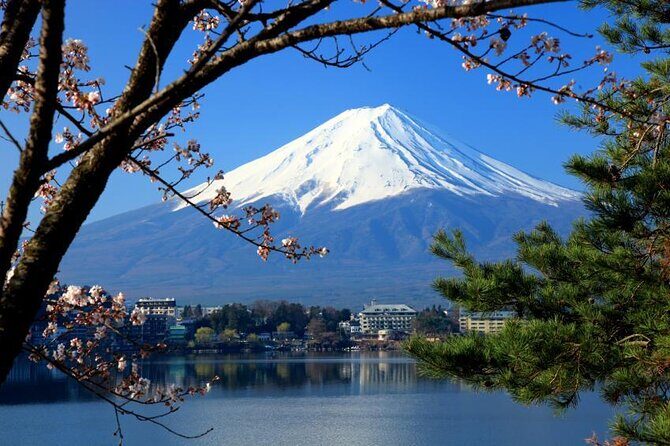
- Lake Ashi Pirate Ship time is short but it’s one of the best Mt. Fuji photo angles when skies cooperate
- Ramen Factory in Fujikawaguchiko-machi lets you make noodles and customize your bowl from scratch
- Arakura Fuji Sengen Shrine includes a major photo payoff at the Churei-to Pagoda observatory
- Oshino Hakkai ponds are formed by Mt. Fuji snowmelt filtering through volcanic rock over many decades
- English-speaking guide on a Wi-Fi bus keeps the day moving without you hunting train routes
- A hard start time at 7:40 am means you must be on-location early
Why a Fuji and Hakone Day Trip Beats Tokyo Train Planning
You’re going to spend a lot of energy in Japan simply figuring out trains, platforms, and transfers. This tour cuts that stress by using round-trip bus transport out of Tokyo, so you can focus on Fuji and not on timetables.
The trade-off is time. You’re signing up for an 11 to 12 hour day, starting early and ending back at Shinjuku. If you hate long days, plan something more local in Tokyo instead.
You can also read our reviews of more boat tours in Tokyo

Shinjuku Start: Early Morning, Real Comfort, Clear Momentum
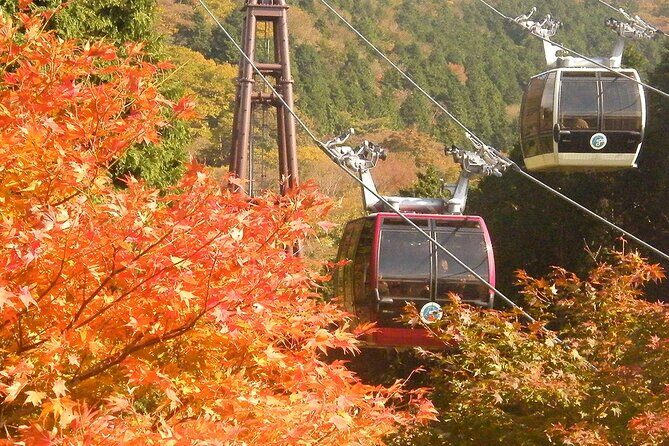
Meet at the Shinjuku Center Building (1-chōme-25 Nishishinjuku), about a 7-minute walk from JR Shinjuku Station. The tour begins at 7:40 am, and the bus leaves on schedule without waiting for late arrivals, so give yourself a cushion.
Once you’re on board, the bus is air-conditioned and has free Wi-Fi. That matters more than you’d think. A long morning on the road goes smoother when you can map your day, check messaging, or just scroll without burning your phone battery.
Lake Ashinoko Cruise: Your Best Bet for Seeing Fuji From the Water
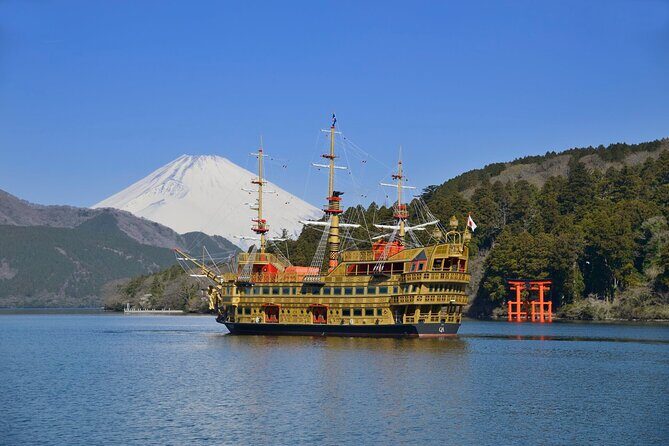
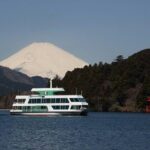
Lake Ashinoko is the first big scenery moment. You’ll board the Hakone Pirate Ship for about 25 minutes and look out across the lake with Hakone’s greenery and seasonal blossoms as the backdrop. Most importantly, this is one of the classic ways to spot Mt. Fuji from a different angle—when the weather lets you.
Here’s the honest part: bad weather can affect visibility. The tour also notes that if the cruise becomes inaccessible due to things like suspension of service, bad weather, or traffic, they’ll take you to alternative facilities and refunds won’t be issued for that change. Plan your expectations around flexibility.
Ramen Factory in Fujikawaguchiko-machi: Make Noodles, Build Your Bowl
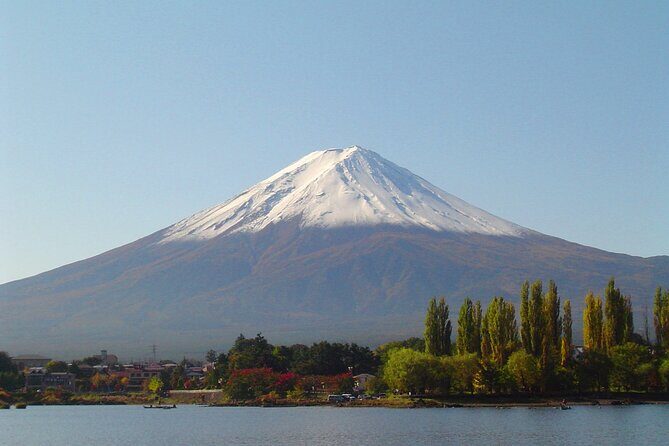
This is the stop where the tour stops feeling like sightseeing and starts feeling like a real activity. You’ll go to a ramen-making spot at Mt. Fuji, where you create your meal from scratch, including making your own noodles.
You don’t just choose a topping and call it a day. You pick a soup base and seasonings, choose toppings, and you even control how firm you want the noodles by boiling them your way. That’s a surprisingly fun level of control for a group tour, and it gives you something to remember even after the photos fade.
Lunch is part of the experience, and a key practical note: halal and vegan lunches are not available. For vegetarian requests, you need to contact the provider at least one week (7 days) before the tour. If you have dietary needs beyond those categories, message early so the team has time to prepare.
Arakura Fuji Sengen Shrine and the Churei-to Pagoda View
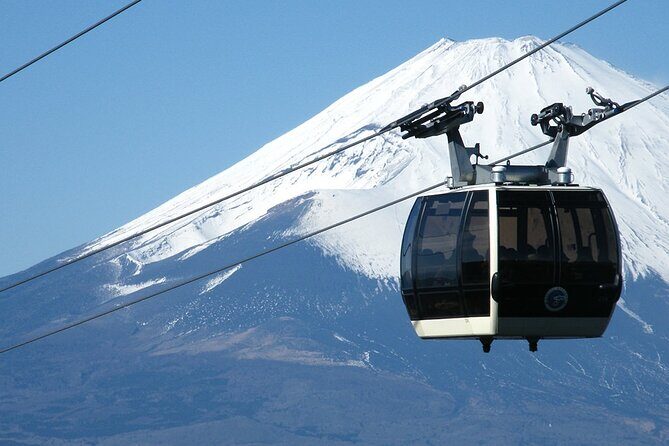
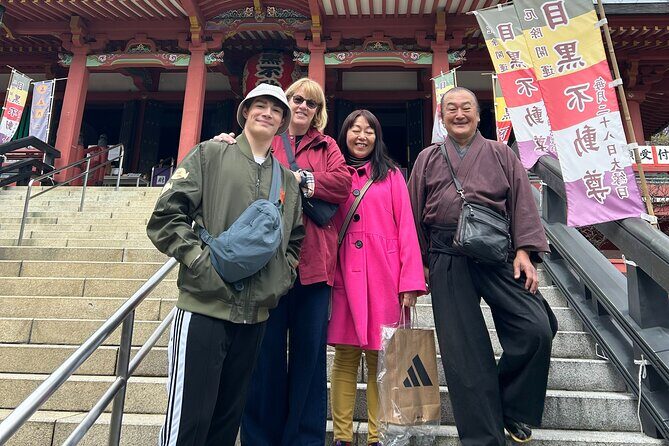
Next comes Shinto and a serious Fuji viewpoint. Arakura Fuji Sengen Shrine is said to date back more than 1,500 years, founded in 705. The approach is part of the experience: you pass through a grand red torii gate and move upward toward the main hall.
Along the stone route, you’ll see smaller shrines connected to specific prayers. The Shiogama Shrine is associated with safe childbirth, and the Atago Shrine connects with fire protection. It’s a reminder that shrines here are not just scenic—they’re part of everyday hopes and local faith.
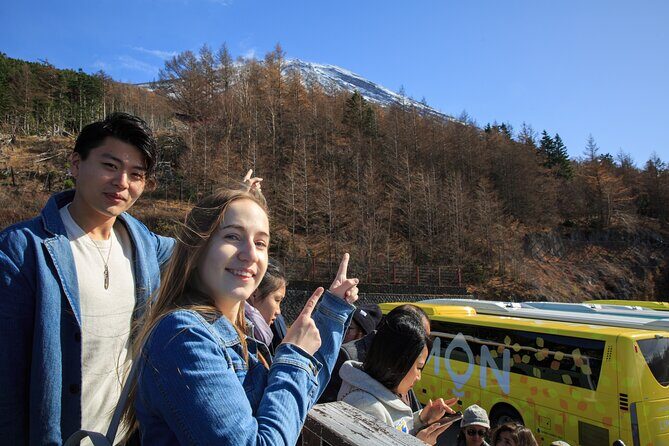
Then you’ll get to the famous photo moment near the Churei-to Pagoda observatory. You can reach the pagoda area either by the Sakuya-Hime staircase (398 steps) or a gentler sloping path. That choice is more than convenience: it affects how much energy you have left for the rest of the day.
This stop is also one of the biggest “weather check” moments. Visibility can turn a great view into a flat one, especially in fog or heavy rain.





Oshino Hakkai: The Eight Ponds Built From Fuji Snowmelt
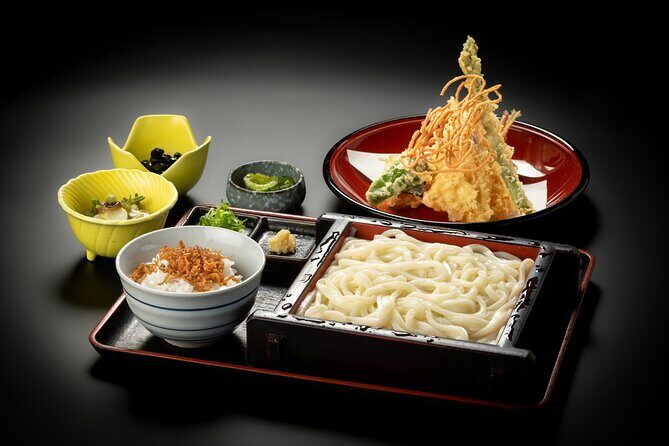
Oshino Hakkai is where the day slows down in a good way. The name “hakkai” refers to eight seas, and the ponds are fed by melted snow from Mt. Fuji’s peak. The water travels through volcanic rock and takes about 80 years to filter through before it shows up here, creating clear ponds that feel almost unreal compared with typical roadside water spots.
You’ll have time to walk around and enjoy the atmosphere. There are markets and smaller local vendors selling things like fruit, local wine, and regional souvenirs. It’s a place where you can linger, snack, and take photos without feeling like you’re racing a schedule.
One practical note: the tour includes “a significant amount of walking.” If you already know you struggle with distances of around 10 to 15 minutes, this itinerary may be tough. The sloping path helps at Arakura, but the rest of the day still involves moving.
When Walking, Rain, and Traffic Change Your Day
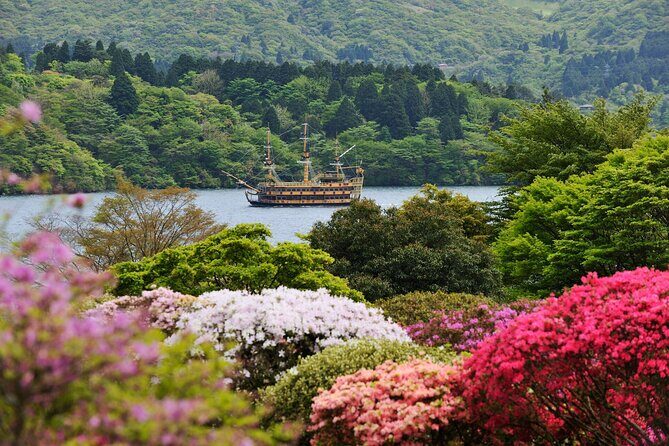
Mt. Fuji and Hakone tours live and die by conditions. Even if you’re doing everything right, weather can change whether you get a strong view from the lake or shrine area.
The itinerary timing also can’t escape Japan traffic realities. You’re looking at a full-day bus route and scheduled stops, and if conditions slow things down, you’ll rely on the tour’s plan for alternatives rather than assuming everything will run perfectly.
Also note the human part of group travel. If you’re prone to arriving late, be extra careful at the meeting point. Shinjuku can feel like a maze, and the meeting point is a specific building, not just a vague area. Get there early, find your group, and you’ll save yourself stress.
Small Group Energy and Guide Styles You Might Notice
The tour caps at a maximum of 42 travelers, which helps keep it from feeling like a conveyor belt. It’s not “private tour” small, but it’s small enough that the guide can manage pacing and help with questions.
In the wild, you might encounter different guides. I’ve seen names like Yoko, Hiro, and Mami mentioned for being friendly and proactive. In particular, Yoko comes up in connection with handling hiccups smoothly—like when cruise boarding plans shift and the team works out a workable solution.
What you can count on is an English-speaking guide plus explanations during the ride. Even when you’re focused on photos, those bits of context add up—especially when you’re dealing with Shinto shrines and why certain water and food traditions matter here.
Price and Value: Is $128.69 a Fair Deal?
At $128.69 per person, you’re paying for a package that includes:
- round-trip bus transport from Shinjuku
- an English-speaking guide
- ramen-making lunch (including noodle-making)
- cruise boarding ticket if that option is selected
The value angle is mostly about what you avoid. If you try to do this DIY, you’ll spend time and money on multiple train tickets, transfers, and separate reservations for major stops. This tour bundles it into one plan and covers the heavy logistics so you can focus on the landmarks and the food experience.
That said, the big value limiter is weather. If the cruise can’t run and is replaced, you don’t get a refund for that type of change. If your heart is set on seeing Fuji from the lake, you might want a second plan on standby for the rest of your Hakone or Fuji day in case visibility is weak.
Who This Tour Fits Best (and Who Should Skip It)
This is a strong match if you’re:
- short on time in Tokyo and want a high-density cultural day
- excited about food experiences, especially ramen-making
- okay with a long day and early morning start
- comfortable walking for 10 to 15 minutes at a time
It’s less ideal if you:
- have difficulty with longer walks or stairs (even with a sloping option at Arakura)
- want a slow, flexible schedule
- have strict dietary needs like halal or vegan lunch requirements
If you’re traveling with accessibility constraints, you’ll need to think hard about the amount of movement across the day.
Should You Book This Mt. Fuji and Hakone Tour?
I’d book this tour if you want the best “bang for a long day” in the Fuji-Hakone region: Lake Ashi views, a hands-on ramen lunch, Oshino Hakkai ponds, and shrine scenery all in one organized flow. The ramen-making component is the kind of activity that turns a tourist day into a memory, and the bus setup saves real effort versus DIY.
I would only hesitate if your schedule can’t absorb weather changes or you already know walking will be a problem. For most people who can handle a full day and want convenience, this is a good value way to see the area without spending your trip wrestling trains.
FAQ
FAQ
How long is the tour?
It runs about 11 to 12 hours.
What time does the tour start?
The meeting time is 7:40 am.
Where is the meeting point in Tokyo?
You meet at Shinjuku Center Building, 1-chōme-25 Nishishinjuku, Shinjuku City, Tokyo 160-0023, Japan. It’s about a 7-minute walk from JR Shinjuku Station.
Does the tour end back in Shinjuku?
Yes. The activity ends back at the meeting point.
Is the Lake Ashi cruise included?
A sightseeing cruise boarding ticket is included if that option is selected.
What happens if the cruise can’t operate due to weather or other issues?
If the cruise becomes inaccessible, the tour will take you to alternative facilities. Refunds are not provided for this change.
Is lunch included?
Yes, the ramen-making experience/Lunch is listed as included.
Are halal or vegan meals available?
No. Halal and vegan lunches are not available.
Can the tour accommodate vegetarian requests?
Vegetarian requests are possible, but you need to contact the provider at least one week (7 days) before the tour.
Is there a lot of walking?
Yes. The tour involves significant walking, and it’s not recommended if you have difficulty walking distances of about 10 to 15 minutes.