REVIEW · TOKYO
Mt. Fuji Day Trip from Tokyo with English Speaking Driver Guide
Book on Viator →Operated by NIHON HORIZON TOUR · Bookable on Viator
Mt. Fuji without the Tokyo headache. This private day trip lets you leave the city with an air-conditioned car, hit the Fuji Five Lakes area on your own pace, and stop at big-name spots like Lake Kawaguchiko and Mt. Fuji 5th Station. I like the flexibility built into the day, and I also like that you’re not stuck planning buses and transfers. The main thing to think about is that some stops depend on weather and road access, so you may swap plans if conditions aren’t great.
You’ll be spending about 10 hours from hotel to hotel, for up to 7 people per group, with pickup included and a mobile ticket provided. Most places have no admission fee, but a few key attractions do not, including Mt. Fuji 5th Station (2100 yen per group) and some cave/village stops. If you’re expecting a long, hands-on guided walking tour at every stop, be aware the experience can feel closer to a driver-led day with guidance rather than a museum-style lecture the whole time.
In This Review
- Quick take: why this tour works
- Why a Private Fuji Day Feels Like a Cheat Code
- Price and Value: When $497 Makes Sense (and When It Doesn’t)
- Pickup, English-Speaking Support, and the “Driver vs. Guide” Reality
- Lake Kawaguchiko: Your First Fuji Fix
- Mt. Fuji 5th Station: The View Even If You Don’t Climb
- Oshino Hakkai: Old-World Water Village (Crowd Reality Included)
- Oishi Park: The Simple Fuji Photo Zone
- Kitaguchi Hongu Fuji Sengen Jinja Shrine: Volcano-Rooted Faith
- Lake Yamanaka and the “Swan Lake” Experience
- Aokigahara Forest Edge: Narusawa Ice Cave and Fugaku Wind Cave
- Narusawa Hyoketsu Ice Cave
- Fugaku Wind Cave
- Saiko Iyashi no Sato Nenba: Thatched-Roof Village Time
- Timing, Traffic, and How to Make the Most of a 10-Hour Day
- Comfort and Service Levels: What the Best Days Feel Like
- Weather Rules: When Mt. Fuji Is Hiding
- Who Should Book This Private Mt. Fuji Day Trip?
- Should You Book This Mt. Fuji Day Trip?
- FAQ
- How long is the Mt. Fuji day trip from Tokyo?
- Is hotel pickup and drop-off included?
- What group size is this tour for?
- Is there a mobile ticket?
- Which stops are free, and which have entrance fees?
- Is food included?
- Are there charges if the tour runs longer than 10 hours?
- Is the tour canceled if weather is bad?
- Can I cancel for free?
- Is this tour truly private?
Quick take: why this tour works
- Hotel pickup and drop-off save you from Tokyo station logistics.
- Private vehicle for your group means fewer waiting games.
- Fuji viewpoints built into the route (Lake Kawaguchiko, Oishi Park, and 5th Station area).
- Short, focused stop windows keep the day moving so you can see more than one district.
- Caves and the Aokigahara area add a cooler, more unique feel than just lakes and views.
- English-speaking driver-guides can make the day smoother, especially when timing matters.
Why a Private Fuji Day Feels Like a Cheat Code
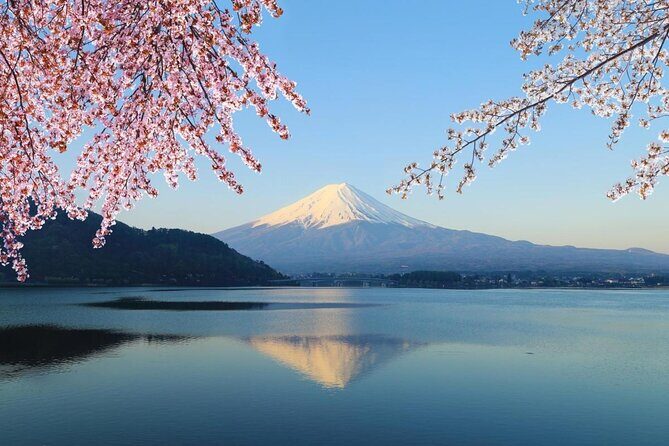
A Mt. Fuji day trip can go two ways: you either fight transit and schedules, or you buy time and comfort. This option is built for the second path. You’re picked up from your address, you ride in a comfortable car with tolls and gas handled, and you spend your energy on Fuji photos and simple sightseeing choices.
What I like most is the day’s structure. It’s not just one spot and done. You’re moving through the Fuji Five Lakes region with classic stops like Lake Kawaguchiko, Oshino Hakkai, and Kitaguchi Hongu Fuji Sengen Jinja Shrine, plus optional-style add-ons at the Aokigahara forest edge (ice and wind caves). That mix gives you variety: water views, shrine/culture time, and something stranger and cooler than typical tourist routes.
The other big plus is pacing. You can choose what to emphasize (within reason). A good driver-guide will also nudge you toward the best photo angles first, then let you linger where it matters.
You can also read our reviews of more guided tours in Tokyo


Price and Value: When $497 Makes Sense (and When It Doesn’t)
The price is $497.43 per group up to 7 people for about 10 hours. That means your real cost per person changes a lot depending on group size.
- If you have a full group of 7, it works out to roughly $71 per person—excellent value for a private van, tolls, and a driver-guide for a full day.
- If you’re only 2 people, the per-person cost jumps quickly, and it starts to feel more like you’re paying for convenience rather than a bargain.
Also remember what’s included vs. not included:
- Included: air-conditioned vehicle, highway tolls, driver/guide, pickup/drop-off, and gasoline.
- Not included: food and drink, plus entrance fees for specific stops like Mt. Fuji 5th Station (2100 yen per group) and some cave/village attractions.
My practical rule: if you want to see multiple Fuji Five Lakes highlights in one day without transit stress, this price can be fair. If you mostly want one viewpoint and you’re comfortable navigating trains/buses, you might feel the price pinch.
Pickup, English-Speaking Support, and the “Driver vs. Guide” Reality
This is marketed as a private tour with an English-speaking driver guide, and in practice that can mean different things depending on the person working that day. A strong driver-guide adds real value: timing advice, photo stops, and context you actually remember.
From the guide names that come up often, the standout theme is how they handle viewpoints. Names like Rana, Mukarram, Prem, Asif, Usman, Jamil, Prince, and Hasan are repeatedly tied to two things: getting people to the best spots efficiently and staying patient when weather shifts. That matters because Mt. Fuji visibility can change fast.
On the other hand, a couple of low-score experiences point to a gap in expectations—some people felt the day was more like a chauffeur drop-off than a guided tour with meaningful commentary. If you want more narration at stops, say so early. Ask your driver-guide what they can cover on the drive and how they handle each stop: quick orientation first, then free time, or a more guided walk-through.
Lake Kawaguchiko: Your First Fuji Fix
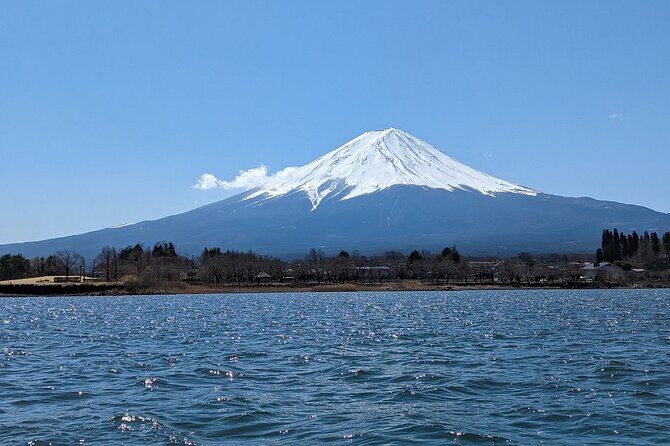
Stop 1: Lake Kawaguchiko (about 45 minutes, free admission) is a smart opener. This lake sits around 830 meters elevation, which is why summers run cooler and winters can be icy. In plain terms: expect temperature swings. Bring layers even if Tokyo feels warm.
Why this stop works:
- It’s one of the best places to set your expectations for Fuji that day.
- You get time to pick your angle—walk a bit, look for clean sightlines, then decide if you want a boat or rope-style experience.
One fun detail people highlight is themed boating. If a Hello Kitty boat ride is running during your visit, it can be a memorable, low-effort way to add personality to the lake time—just keep an eye on availability and timing since your schedule is moving.
Possible drawback: 45 minutes sounds like a lot until you add parking, walking, and photo breaks. If Fuji is visible, you’ll want to start walking immediately rather than waiting for the “perfect” spot.
Mt. Fuji 5th Station: The View Even If You Don’t Climb
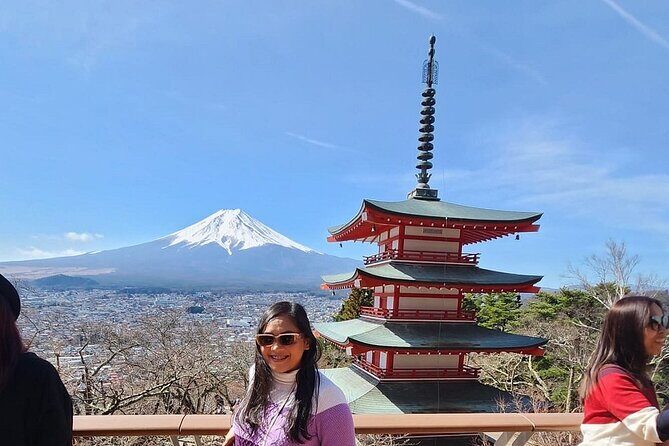
Stop 2: Mt. Fuji 5th Station (about 1 hour, entrance fee not included) takes you up to roughly 2300 meters. That altitude is the whole point. Even without a climb, you’re looking down toward the Fuji Five Lakes area.
What you’ll likely notice right away:
- The air feels thinner and cooler.
- Your view opens up, and Fuji looks dramatically closer and more sculpted.
- This is one of those times where timing matters more than talking.
The entrance fee here is 2100 Japanese yen per group, so plan for that in your budgeting. Also, there’s a practical consideration: some days roads can be restricted or closures happen. If access is limited, your day may shift to other viewpoint stops.
My advice: treat the 5th Station as a viewpoint window, not a long hike. Wear sturdy shoes, keep your phone charged, and be ready to move quickly—clouds can clear for minutes, not hours.
A few more Tokyo tours and experiences worth a look





Oshino Hakkai: Old-World Water Village (Crowd Reality Included)
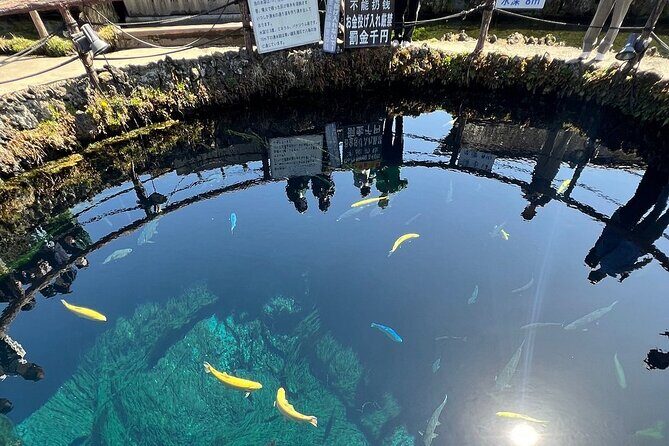
Stop 3: Oshino Hakkai (about 45 minutes, free admission) is famous for its small village feel and its water story. It sits between Lake Kawaguchiko and Lake Yamanakako on the site of a former sixth lake that dried out centuries ago.
Why it’s worth it:
- It’s a change from pure scenic viewing—more walking, small shops, and a gentle cultural atmosphere.
- The water feature theme pairs nicely with the lake-and-Fuji day.
The catch: Oshino Hakkai can get packed. With a fixed stop time, you’ll want to decide early whether you’re there for photos, snacks, or shopping. If you linger without a plan, the crowd can eat your time fast.
Oishi Park: The Simple Fuji Photo Zone
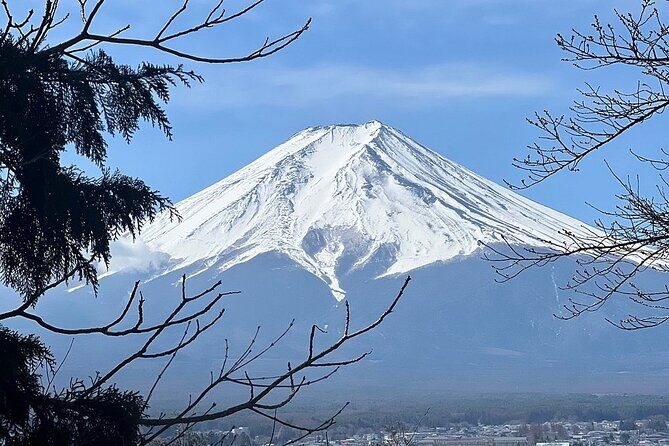
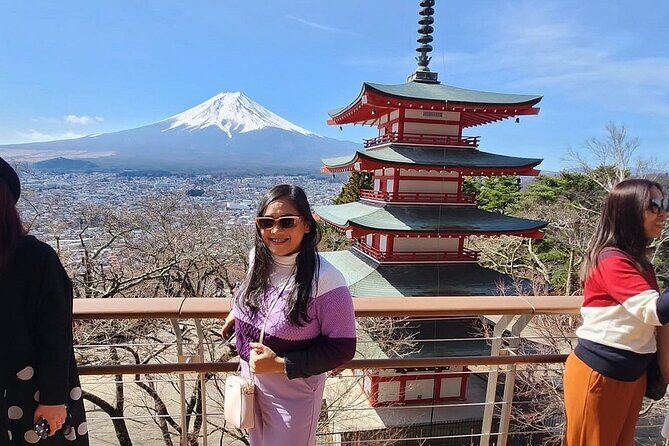
Stop 4: Oishi Park (about 30 minutes, free admission) is short, but it’s built for postcard results. It’s on the north shore of Kawaguchiko and offers views of the lake and Mt. Fuji at once.
This stop is ideal if:
- You want quick, high-reward photos.
- You don’t want to commit to a long walk after already doing Oshino Hakkai.
Consideration: because it’s popular and time is limited, you might not get to wander much. If you’re traveling with kids or seniors, this kind of compact stop can actually be a win.
Kitaguchi Hongu Fuji Sengen Jinja Shrine: Volcano-Rooted Faith
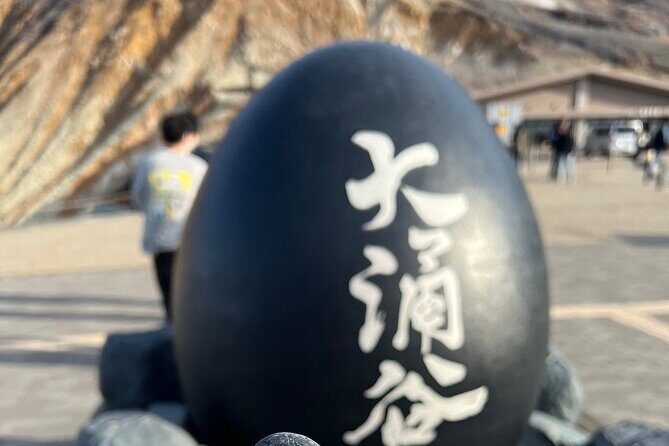
Stop 5: Kitaguchi Hongu Fuji Sengen Jinja Shrine (about 30 minutes, free admission) is where the day adds meaning. This shrine honors deities connected to volcanoes in general and Mt. Fuji in particular, and it’s part of the Mt. Fuji UNESCO World Heritage area.
What I like about this stop is that it’s not just a pretty building. It gives you a reason for why Fuji isn’t treated like a random mountain. People have long rituals tied to it, and that context makes the day feel less like a checklist.
Practical timing note: 30 minutes goes quickly. If you want souvenirs or a deeper look, keep your photo time tight and leave room for a short loop.
Lake Yamanaka and the “Swan Lake” Experience
Stop 6: Lake Yamanaka (about 30 minutes, free admission) is the largest of the Fuji Five Lakes. It’s also the lake tied to a boat cruising experience that has been rebranded—often described as “Swan Lake.”
Why it’s fun even with limited time:
- You get a second lake look so you’re not repeating the same scenery.
- It adds a calmer, more relaxed pace compared to the mountain station.
Watch-outs: the time window is short, so if you want the boat, you’ll need to align with the driver’s timing and any local schedules. Even without the boat, the shoreline view can still be a nice break.
Aokigahara Forest Edge: Narusawa Ice Cave and Fugaku Wind Cave
Now you shift from lakes to something cooler and stranger.
Narusawa Hyoketsu Ice Cave
Stop 7: Narusawa Ice Cave (about 45 minutes, entrance fee not included) sits at the entrance area to the Aokigahara sea of trees forest. The main perk is the name you can’t forget, and the fact that it offers a different kind of Fuji-region attraction than viewpoints alone.
Fugaku Wind Cave
Stop 8: Fugaku Wind Cave (about 44 minutes, entrance fee not included) is surrounded by the Aokigahara greenery, and the interior stays pleasantly cool. One useful detail: the average temperature inside is around 3°C.
This is where you’ll feel prepared if you packed right. Even if it’s mild outside, bring something warm enough for a cool cave stop. You don’t need a winter parka for Tokyo, but you do want layers.
Possible drawback: because these stops are paid and time is tight, it’s worth confirming you’re actually interested in the cave experience before you spend your energy queuing and shopping inside.
Saiko Iyashi no Sato Nenba: Thatched-Roof Village Time
Stop 9: Saiko Iyashi no Sato Nemba (about 30 minutes, entrance fee not included) is a revived thatched-roof village. It’s designed for seasonal scenery and an old-style rural feel with Mt. Fuji views.
Why it works in a day itinerary:
- It adds a human-scale stop after the caves.
- It gives you a quieter vibe compared with crowded photo spots.
The limitation is obvious: 30 minutes means you’ll skim. If you’re the type who loves strolling village lanes slowly, you may find the schedule a bit compressed.
Timing, Traffic, and How to Make the Most of a 10-Hour Day
Leaving Tokyo for the Fuji area is usually a long drive with traffic. Some people get it as a smooth ride; others hit slowdowns. Your best weapon is simple: don’t overplan what you’ll do at each stop.
Here’s how to think about the flow:
- You’ll get a sequence of 1-hour and sub-1-hour stops.
- Photo moments usually happen fast, and crowds can form quickly at certain places.
- If visibility improves for even a short window, the best driver-guide will try to catch it.
A practical, slightly funny strategy: bring a short list on your phone of must-do photos and keep your camera ready. When the day turns favorable, you’ll appreciate being able to move instantly rather than searching through menus.
Also, if the weather changes or roads close, the driver-guide can adjust within what’s possible. That’s part of why this is a private day.
Comfort and Service Levels: What the Best Days Feel Like
Most of the high marks connect to the human part of the trip: punctual pickup, friendly attitude, and efficient photo planning. People specifically praise drivers who:
- keep the ride calm and comfortable,
- make frequent photo stops when Fuji appears,
- and handle the day gently for seniors or families.
That’s why guide personality matters as much as the itinerary. If you get a driver who takes charge—like the kind of approach associated with guides such as Jamil or Prem—you’ll feel looked after without it being overbearing.
But a couple of cautionary notes also show up. Some low-score experiences mention issues like pickup problems, vehicle condition (odor), long delays due to car troubles, or limited guidance at stops. You can’t control everything, but you can protect yourself:
- confirm your pickup location clearly,
- share a working phone number for day-of contact,
- and set expectations that the day is guided driving plus structured stop time, not a full-day walking tour led by a lecturer.
Weather Rules: When Mt. Fuji Is Hiding
This experience requires good weather. If conditions are poor and the tour is canceled, you’ll be offered a different date or a full refund. That’s the biggest reality check for any Mt. Fuji plan: you can do everything right and still get clouds.
When weather is unpredictable, the schedule becomes even more important. Your driver-guide’s job is to make the most of what the sky gives you that day—sometimes that means rearranging within the available stops.
So if seeing Fuji is your top priority, consider traveling when you have flexibility. And pack for changing conditions: warm layer for caves and a light layer for outside walking.
Who Should Book This Private Mt. Fuji Day Trip?
This tour fits best if you want:
- Convenience: pickup and drop-off from your address.
- Variety: lakes, a shrine stop, classic village scenery, and cave time.
- A smoother day than DIY transport, especially if you’re short on time or traveling with seniors.
It’s also a good match for families. Several guide experiences emphasize patience and keeping schedules gentle, which is exactly what you want when everyone is tired of transit.
If you’re the solo traveler who loves long train rides and doesn’t mind changing buses, you could DIY it cheaper. But you’ll trade away comfort and the tight sequencing that gets you through multiple highlights in one day.
Should You Book This Mt. Fuji Day Trip?
If your main goal is to see multiple top Fuji Five Lakes highlights in one day with minimal logistics, I’d book it—especially with a group. The price becomes much more reasonable when you can fill up to 7 seats, and the included vehicle plus tolls are a real value add.
I would hesitate if you need a strict, long walking-style guided tour at every stop, or if you’re traveling at the edge of what weather might allow. Also, if you’re very sensitive to vehicle comfort, pay attention to the day-of communication so pickup goes smoothly.
Bottom line: this is a solid “time-efficient Fuji day” plan. Pair it with good expectations—short stop windows, weather-dependent viewpoints, and guidance that can range from informative to mostly chauffeur-led depending on the driver—and you’ll get a memorable day in the Fuji area.
FAQ
How long is the Mt. Fuji day trip from Tokyo?
The tour duration is about 10 hours, roughly hotel to hotel.
Is hotel pickup and drop-off included?
Yes. Pickup and drop-off are included, and you provide your pickup address in the special requirements.
What group size is this tour for?
It’s a private tour for your group, with up to 7 people per group.
Is there a mobile ticket?
Yes. A mobile ticket is included.
Which stops are free, and which have entrance fees?
Some stops list free admission (like Lake Kawaguchiko, Oshino Hakkai, Oishi Park, Kitaguchi Hongu Fuji Sengen Jinja Shrine, and Lake Yamanaka). Mt. Fuji 5th Station has an entrance fee (2100 Japanese yen per group). Narusawa Ice Cave, Fugaku Wind Cave, and Saiko Iyashi no Sato Nemba are listed as having entrance fees not included.
Is food included?
No. Food, drink, and lunch are not included.
Are there charges if the tour runs longer than 10 hours?
Yes. Overtime is 5000¥ per extra hour after 10 hours.
Is the tour canceled if weather is bad?
This experience requires good weather. If it’s canceled due to poor weather, you’ll be offered a different date or a full refund.
Can I cancel for free?
Free cancellation is available. You must cancel at least 24 hours in advance for a full refund.
Is this tour truly private?
Yes. It’s private transport only for your group.