REVIEW · TOKYO
Old Town Tokyo Food Tour
Book on Viator →Operated by Arigato Japan KK · Bookable on Viator
Old Tokyo has a way of slowing you down. This Old Town Tokyo Food Tour takes you through Yanaka, a neighborhood that’s survived fires, earthquakes, and World War II, while you eat your way through it. I like how the day blends Teishoku lunch with neighborhood history, so you’re not just collecting bites, you’re understanding where they fit.
Two things I really valued: the tea ceremony with wagashi (sweet treats), and the steady, local-food pacing led by an English-speaking guide. On the day, I’d expect you to follow along with a guide like Sandra, who has a knack for making the stops feel clear and fun.
One consideration: it’s a walking tour, and the experience depends on good weather, so plan for shoes that work on sidewalks and any mild outdoor time.
In This Review
- Key highlights worth looking forward to
- Getting oriented at Coffee Room Renoir Nippori Yanaka
- Why Yanaka feels different: old streets, calmer tempo
- Stop-by-stop: from Tennō-ji to Kyōōji Temple
- Yanaka Ginza: small shops with history and real snacks
- Parks and memorial spaces: Yanaka Cemetery Park and Okakura Tenshin Memorial Park
- Teishoku lunch with seasonal ingredients (and why it’s a smart choice)
- Wagashi and tea ceremony: the ritual part that makes it stick
- Group size, pace, and what to wear
- Price and value: what $231 buys you in real terms
- Who should book this Yanaka food tour
- Should you book Old Town Tokyo Food Tour in Yanaka?
- FAQ
- How long is the Old Town Tokyo Food Tour?
- What time does the tour start?
- Where do I meet the tour?
- What does the price include?
- Is hotel pickup and drop-off included?
- Are dietary needs accommodated?
- What is the group size?
- Is the tour dependent on weather?
- Can I cancel for a full refund?
Key highlights worth looking forward to
- Yanaka (Yanesen) old-town stroll through one of Tokyo’s oldest residential areas
- Teishoku lunch plus regional specialties built around seasonal ingredients
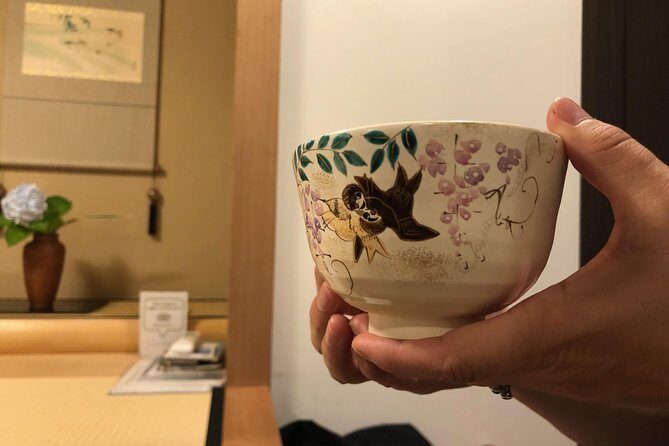
- Wagashi and tea ceremony experience included, not just a quick photo stop
- Six food stops with dishes and drinks along the way
- Small group size (max 10) for a more personal pace
- Dietary-friendly tour style for vegan, vegetarian, pescetarian, and gluten-free needs
Getting oriented at Coffee Room Renoir Nippori Yanaka
Your day starts at Coffee Room Renoir Nippori Yanaka, in Yanaka (Taito City). This matters more than you’d think. Starting at a local café-style meeting point helps you get into the right rhythm fast: you’ll settle in, meet your local English-speaking guide, and begin walking before your brain starts craving details.
The tour runs about 3 hours 30 minutes, with a 10:30 am start. That’s long enough to cover a cluster of classic old-town spots, but not so long that it turns into a marathon. You’ll have a built-in flow: food stops, temple/park moments for context, and time to shop small.
You’ll also be with a small group, up to 10 people. For a food tour, that’s a big deal. Smaller groups tend to move smoothly between places where staff are preparing food on the fly. It also means your guide can better manage questions about what you’re eating, how it’s served, and how to order or navigate similar dishes on your own later.
And yes, there’s a mobile ticket. That’s one less thing to worry about once you’re in Tokyo’s subway/rail system.
You can also read our reviews of more food & drink experiences in Tokyo

Why Yanaka feels different: old streets, calmer tempo
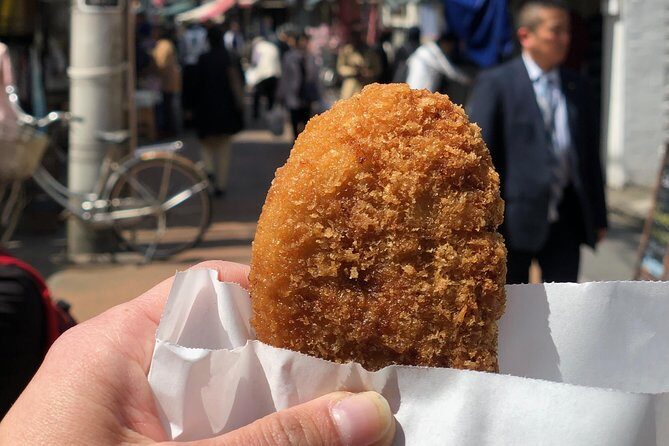
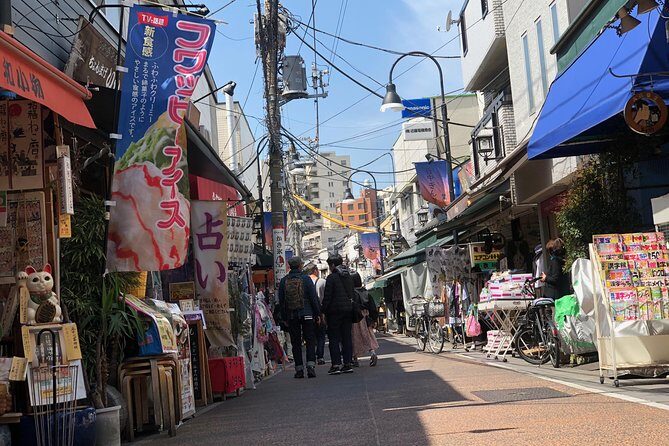
Yanaka is known for being one of Tokyo’s older, more traditional residential areas, and it has a specific kind of texture when you walk it. You get that “side-streets and small buildings” feeling, plus a sense of continuity: generations have lived here, and the area carries layers of damage and rebuild. The tour leans into that by mixing food with temples and parks, not just storefront hopping.
What I like about this style is that it gives you a grounded view of Tokyo. Big-city Tokyo can feel like a high-speed blur. Yanaka is more human scale. You’re not trying to sprint from landmark to landmark. Instead, you’re moving slowly enough to notice architecture, street layout, and how daily life sits around small shrines and quiet corners.
You’ll also see a mix of spaces that help explain why Japanese food culture isn’t only about taste. It’s tied to rituals, seasons, and place. The included wagashi and tea experience supports that. The temple and memorial stops give you a “why” behind the calm pace—people aren’t treating these spaces like a checklist.
There’s one caution. This is a moderate-fitness walking experience. It’s not presented as a strenuous hike, but you should expect steady walking over uneven sidewalks and some outdoor time. Bring comfortable shoes and a light layer, especially if the weather shifts.
Stop-by-stop: from Tennō-ji to Kyōōji Temple
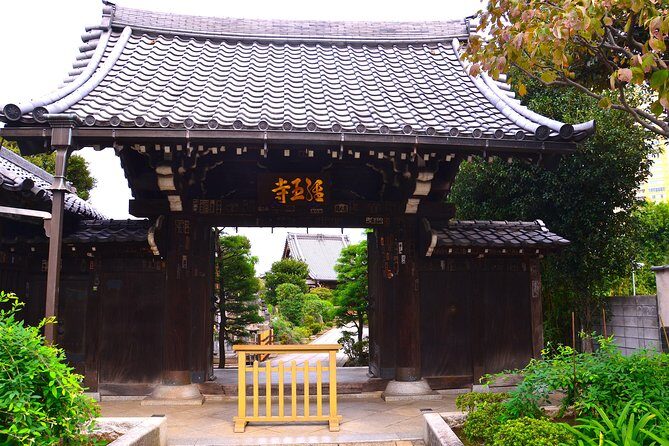
The tour’s first major sightseeing segment includes Tennō-ji and Kyōōji Temple. Even if you’re not a hardcore temple person, these stops do a practical job: they slow you down and give you context. When you’re eating Japanese food, the environment matters. Temples give you a sense of how long these traditions have existed, and why people still make time for quiet rituals.
At these kinds of stops, what you should focus on is not trying to memorize facts. Instead:
- Notice the layout and atmosphere
- Watch how the space frames movement
- Look for details that show how communities keep sites maintained
That makes your later food moments feel more intentional. Food tours can sometimes become “stand, eat, go.” Here, you get small pauses that help you digest both literally and mentally.
After that, you’ll head to Yūyake Dandan. The name itself hints at the idea of evening light and views (without needing to overthink it). For me, these sloped or scenic lanes are where you get your best old-town feeling. You’re moving through the neighborhood rather than only taking it in from a single viewpoint.
These outdoor sight segments are also a reminder of why this tour is weather-sensitive. If it’s a bad day outside, the plan may adjust.
Yanaka Ginza: small shops with history and real snacks
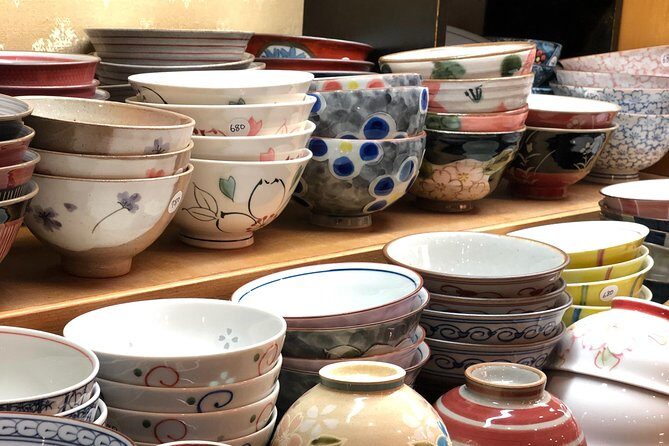
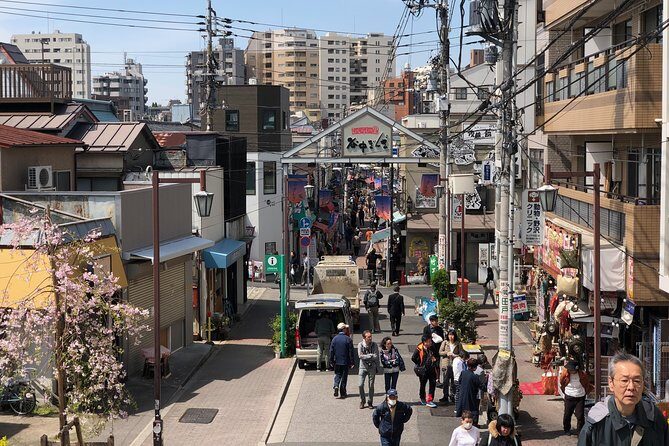
Next up is Yanaka Ginza, a shopping street style area. The tour gives you a focused window here, with time built in to check out small shops with history and try local specialties. The practical win is that you’re not walking aimlessly. Your guide steers you toward what makes sense to try in the moment.
This is also where shopping time becomes useful rather than optional. Tokyo’s backstreet shops can be hard to read if you don’t know the rhythm—prices, menus, seasonal items, and what’s actually good. A guide helps you avoid the common trap: buying something you didn’t understand.
At Yanaka Ginza, you can expect:
- Local specialty tasting as part of the broader food walk
- More “street-level” Tokyo, where food and daily life overlap
- Short, manageable time in shops rather than a long commercial detour
And because the tour includes dishes and drinks at six food stops, Yanaka Ginza usually plays a key role in your total food intake. You’re not just getting one big meal and a snack. You’re getting a sequence.
The one drawback to keep in mind: if you’re the type who prefers a strict vegetarian/vegan routine, double-check your needs early. The tour is listed as vegan, vegetarian, pescetarian, and gluten-free friendly, but food-tour adaptations can still vary by restaurant and ingredient availability.
Parks and memorial spaces: Yanaka Cemetery Park and Okakura Tenshin Memorial Park
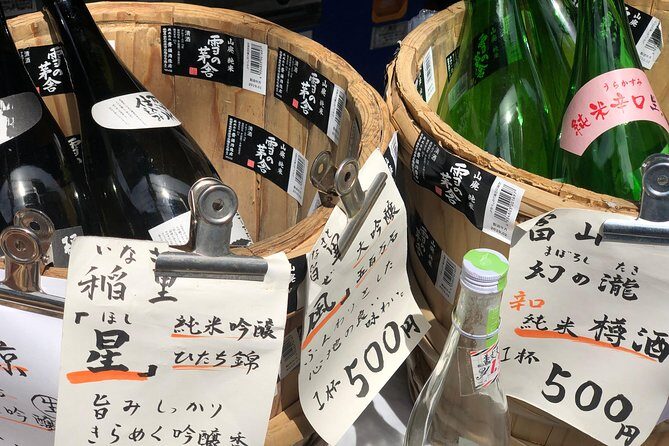
You’ll also spend time at Yanaka Cemetery Park and Okakura Tenshin Memorial Park. These aren’t the typical “food tour” stops that people expect. That’s exactly why they work.
Food is sensory, but it’s also tied to the social fabric. Cemetery parks and memorial grounds can feel heavy if you rush through them. But on a slow walking route, they become a kind of reset. You get breaks from eating and keep the day from turning into a nonstop sugar-and-salt sprint.
Practically, these parks also do something helpful for your comfort. The pacing here gives you moments to regroup, look around, and breathe before the tour wraps with more Yanaka time.
The takeaway is simple: these stops help you remember you’re visiting a living neighborhood, not an amusement route. You’re seeing how people respect place and memory, even in a city where so many spaces are designed for quick consumption.
A few more Tokyo tours and experiences worth a look

Teishoku lunch with seasonal ingredients (and why it’s a smart choice)
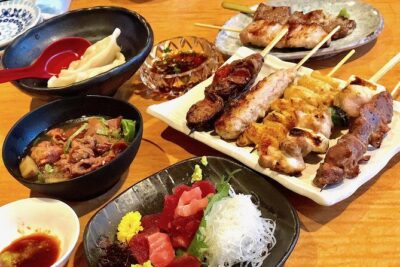
The heart of the tour’s value is the Teishoku lunch. A teishoku set is a structured meal, usually bringing together multiple items—often including rice, soup, a main, and sides. What you should like about this style is that it’s a reliable way to get a broad Japanese meal without fighting through menu confusion.
The tour specifically calls out regional specialties from Kyushu Island and the use of seasonal ingredients. That pairing is the best of both worlds: you’re eating something regional (not random “any Tokyo lunch”), and you’re eating what’s likely at its best right now.
If you’re a visitor who wants a single meal you can use as a reference point—something you can remember as “what a good Japanese set meal feels like”—this is the kind of lunch that does it. It’s also a break from standing and walking while you eat. After several small tastings, a seated set meal helps your stomach catch up.
Just remember: additional drinks or extra food aren’t listed as included beyond what’s part of the six food stops and lunch. So if you’re a soda or tea-for-hours person, you’ll want to budget a bit for anything beyond the tasting flow.
Wagashi and tea ceremony: the ritual part that makes it stick
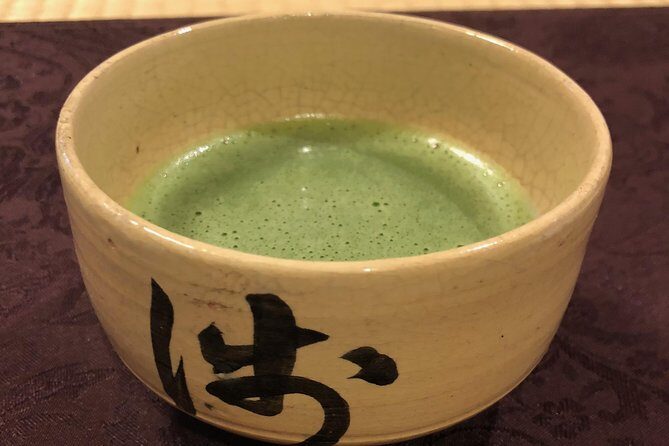
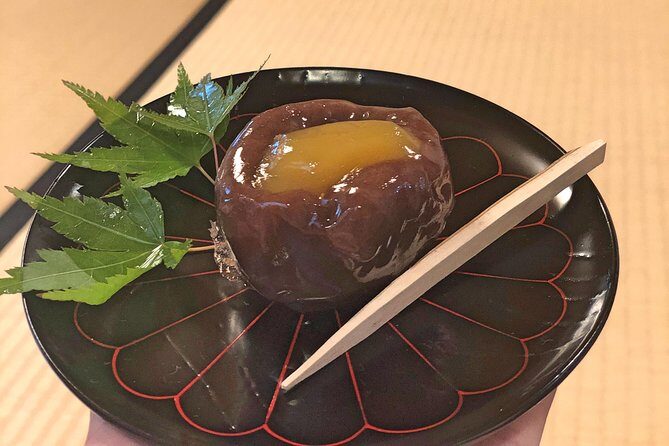
The wagashi and tea experience is one of the most memorable parts of this tour. Food tours often give you “sweet” in passing. Here, you get a real ritual: sweets plus tea served in a guided setting.
Wagashi matters because it’s not just dessert. It’s tied to seasonality, presentation, and the idea of how sweetness fits a moment of pause. When you taste it in a proper tea context, you’ll likely understand why Japanese sweets can feel restrained and intentional compared with Western desserts.
You’ll also learn how the tea ceremony fits into everyday Japanese culture. Even if you don’t walk away knowing every term, you’ll come away with a sense of timing and respect—how people treat the act of preparing and serving, and why guests aren’t meant to rush.
This is where the guide quality becomes very noticeable. A skilled English-speaking guide, like Sandra (name appears from the tour experience), can keep the experience from becoming awkward or too formal. You get the meaning without feeling like you’re taking a test.
Group size, pace, and what to wear
This is a family-friendly tour and caps at 10 travelers, so you should expect a calmer pace than bigger-group food walks. That doesn’t mean it’s slow-walking. It means the guide can keep the group together while still giving you enough time at each stop.
For your comfort:
- Wear shoes you trust on sidewalks and slopes
- Bring a light layer if it’s chilly or windy
- If you’re sensitive to heat, plan to pace yourself—this includes outdoor stops
Diet-wise, the tour is labeled vegan, vegetarian, pescetarian, and gluten-free friendly. That’s great, but I still recommend you plan on a bit of flexibility for how dishes are adapted. Tasting menus change based on availability, and restaurants can handle some needs more easily than others.
Price and value: what $231 buys you in real terms
At $231 per person, this is not the cheapest food tour in Tokyo. But it’s also not priced like a quick snack walk.
Here’s what you’re paying for, in practical value:
- Lunch in a restaurant as part of the tour
- Wagashi and tea experience (a guided cultural component)
- Dishes and drinks at six food stops, not just one tasting
- An English-speaking guide who connects the dots between what you eat and where you are
- Time for shopping during the route
When you price out Japanese lunch plus multiple snack tastings plus a guided tea experience, the total can climb quickly. The tour value is in bundling it into a smooth schedule, with a guide handling ordering and pacing while you focus on eating and learning.
Also, the overall satisfaction seems consistently high, with a 4.9 average rating across 62 ratings and a strong recommendation level. That usually points to more than just food—it often means the guide experience is solid and the tastings feel worth the money.
If you want a “taste + context” afternoon rather than a checklist of street food, this price can make sense.
Who should book this Yanaka food tour
This works especially well if:
- You want old Tokyo without the intense rush of the trendier neighborhoods
- You enjoy guided walking and like explanations that connect food to place
- You’d like a set-meal lunch plus multiple smaller tastings
- You care about the ritual side of Japanese food culture (tea and wagashi)
It may be less ideal if:
- You hate walking outdoors or you need fully indoor activities
- You prefer maximum freedom with zero structure
- You only want a single meal, not a sequence of tastings
Should you book Old Town Tokyo Food Tour in Yanaka?
If you’re visiting Tokyo and want one afternoon that feels both tasty and grounded, I think this is a strong choice. Yanaka gives you the calm old-town feel, and the combination of Teishoku lunch, six food stops, and the tea ceremony with wagashi turns it into more than a snack run. Add the small group size and the guide-led flow, and it becomes a practical way to experience Tokyo through food instead of just photos.
Book it if you can handle a moderate walking day and you’re going at a time when the weather is likely to cooperate. If you want food plus real context in a neighborhood that still feels like a neighborhood, this is the kind of tour that pays off.
FAQ
How long is the Old Town Tokyo Food Tour?
It runs about 3 hours 30 minutes.
What time does the tour start?
The start time is 10:30 am.
Where do I meet the tour?
Meet at Coffee Room Renoir Nippori Yanaka in Yanaka, Taito City.
What does the price include?
Included are wagashi and tea experience, dishes and drinks at six food stops, lunch, shopping time, and a local English-speaking guide.
Is hotel pickup and drop-off included?
No, hotel pickup and drop-off are not included.
Are dietary needs accommodated?
The tour is listed as vegan, vegetarian, pescetarian, and gluten-free friendly.
What is the group size?
The tour has a maximum of 10 travelers.
Is the tour dependent on weather?
Yes, it requires good weather. If it’s canceled due to poor weather, you’ll be offered a different date or a full refund.
Can I cancel for a full refund?
Yes. You can cancel up to 24 hours in advance for a full refund.