REVIEW · NAGOYA
Nagoya: Japanese Traditional Sweets making and Tea Ceremony
Book on GetYourGuide →Operated by B.B.Advisors Inc. AN NAGOYA · Bookable on GetYourGuide
Two sweets, one calm tea lesson. You start by dyeing and shaping nerikiri with premium Kyoto bean paste, then finish with a matcha moment using single-origin Uji Matcha. I love the hands-on making (it feels more creative than cooking) and the fact that the sweetness is built to pair well with the tea. One possible drawback: this is not a long, ultra-formal tea ceremony, so if you want a multi-hour ritual, you may be disappointed.
This hands-on class runs 95 minutes and costs about $18, which is a solid deal when you consider you’re making two seasonal Japanese sweets and sitting down to drink your own matcha. The meeting point is easy too, just a short walk from Kokusai Center Station (Subway Sakura-dori Line) Exit 3.
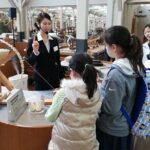
Instructors such as Mariko or Saki are specifically praised for clear, friendly guidance, and they’ll help with English as much as possible. The main practical note: the venue is on the 3rd floor with no elevator, so plan for stairs.
In This Review
- Key points at a glance
- Nagoya nerikiri and matcha in 95 minutes: a very “do it yourself” class
- Nerikiri crafting: dyeing bean paste and shaping seasonal sweets
- Why this part feels worth the price
- How your matcha and sweets get paired (and why that balance matters)
- A practical expectation to set
- The instruction style: clear guidance from Mariko or Saki (and English support)
- Step-by-step timing: what happens during the 95 minutes
- Location near Nagoya Station: easy to find, but plan for stairs
- Price and value: $18 for two sweets plus single-origin matcha
- Small paid extras (optional)
- What you’ll actually eat: wagashi texture, not just sugar
- Buying matcha or tools nearby (if you want to continue at home)
- Who should book this Nagoya sweets and tea class
- Who might want a different option
- Should you book? My quick decision guide
- FAQ
- Where do I meet for the Nagoya sweets and tea ceremony class?
- How long is the experience?
- How much does it cost?
- What Japanese sweets will I make?
- Is the tea matcha, and what kind is it?
- Does this include tea ceremony, or only matcha?
- What language will the instructor use?
- Is the venue accessible by elevator?
- Can I take the sweets home?
- Are there certificates and how much do they cost?
Key points at a glance
- Seasonal nerikiri making: You’ll create two sweets that match the time of year.
- Kyoto bean paste: White and red bean paste is sourced from Kyoto’s long-established shops.
- Single-origin Uji Matcha: You’ll learn matcha prep and then taste what you made.
- A true hands-on format: Coloring, shaping, and crafting are built into the class.
- Small extras available: A take-out box is available for JPY 100, and certificates cost extra.
Nagoya nerikiri and matcha in 95 minutes: a very “do it yourself” class
Nagoya is a great base for food-focused day plans, and this class gives you something you can’t really replicate from a menu. You’ll spend most of the time making sweets, not just watching, and then you’ll shift gears into matcha and a guided tea moment.
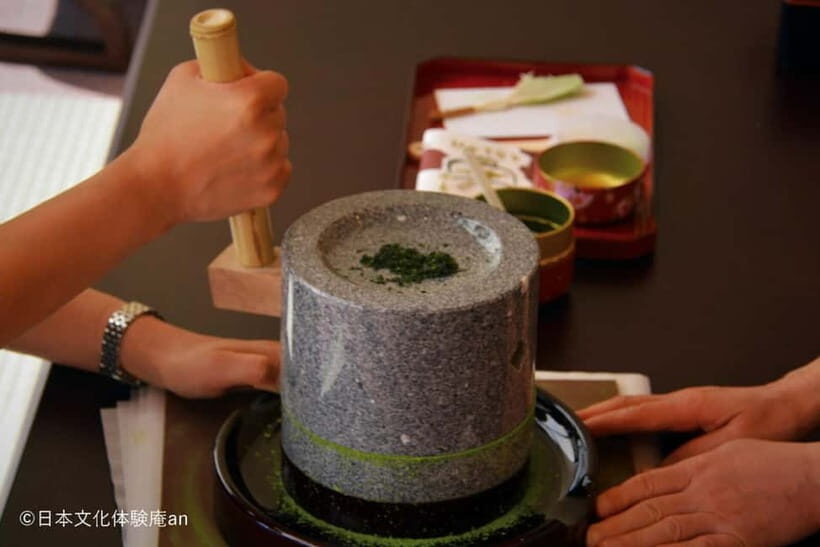
The pacing is tight but not rushed. You’ll get explanations, time to craft, a matcha session that includes a grinding demonstration, and then you eat the sweets with your own tea.
It also tends to work well for people who want something calm, hands-on, and not centered on a museum schedule. Some past participants even brought family, including a 6-year-old, and the hosts were supportive while still keeping the activity flowing.
A few more Nagoya tours and experiences worth a look
Nerikiri crafting: dyeing bean paste and shaping seasonal sweets
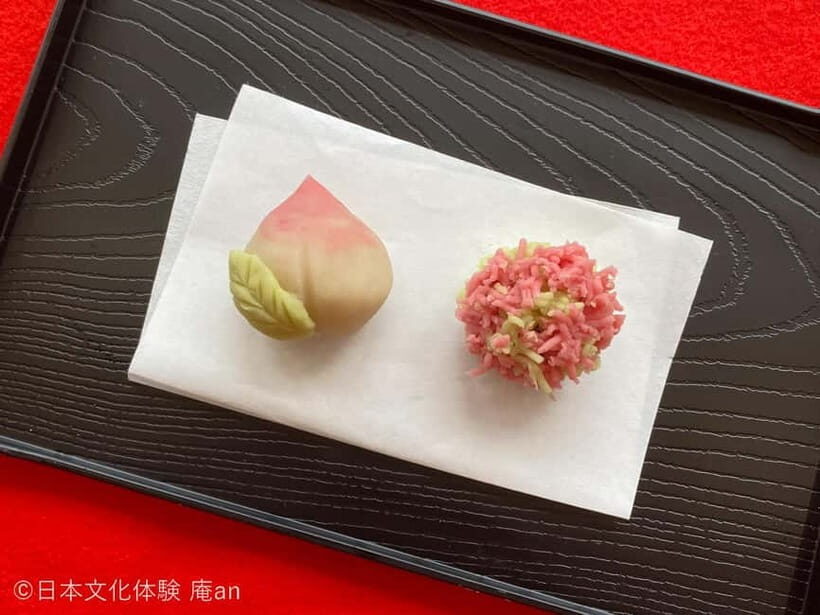
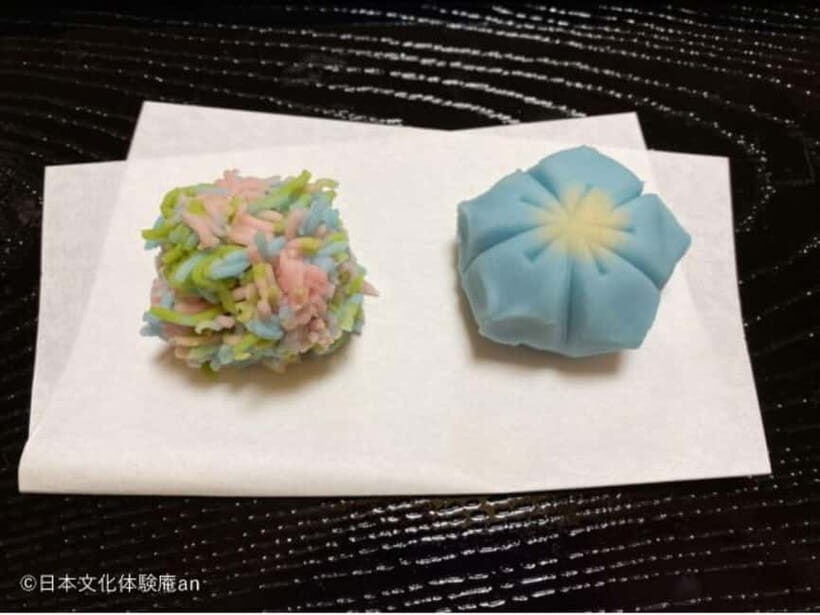
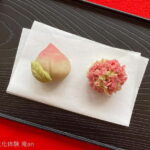
Your first big task is making nerikiri, a high-grade Japanese sweet known for its smooth, molded look. The process starts with coloring white bean paste, which is where this class becomes more creative than you might expect. You’re not just assembling something; you’re actively working the paste and shaping it into a seasonal design.
You’ll make two sweets in total, matched to the season. That matters because nerikiri is often tied to nature and seasonal motifs, so your creations won’t feel random or generic.
From there, you move into shaping details. Some participants have made designs like a ginkgo leaf and chestnut sweets, so you can expect your class to follow a seasonal theme rather than a single fixed pattern. Another style you may encounter is kinton nerikiri, which is referenced in the class flow.
Why this part feels worth the price
Shop wagashi can be beautiful, but you don’t truly understand the work until your hands are involved. Coloring the bean paste and shaping it forces you to slow down and pay attention to texture and form, and that’s the “real learning” in this experience.
Also, when the sweet is made from quality bean paste, you taste the difference. In this class, the sweetness you use isn’t generic filler—it’s made with white/red bean paste produced by Kyoto’s long-established shops.
How your matcha and sweets get paired (and why that balance matters)
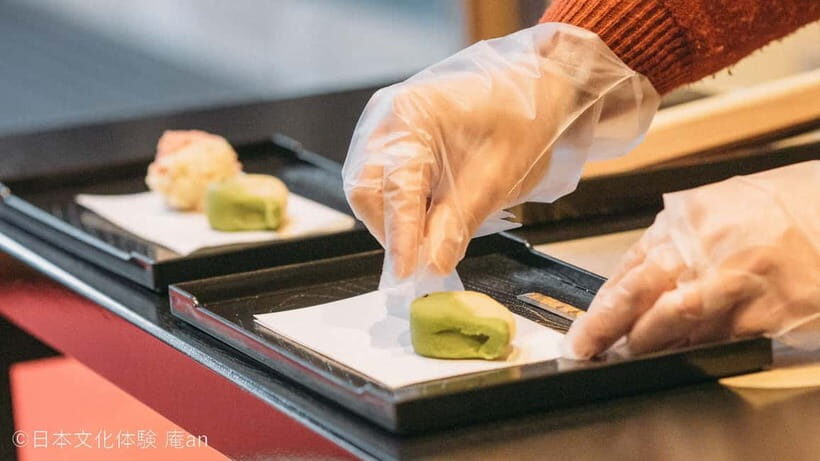
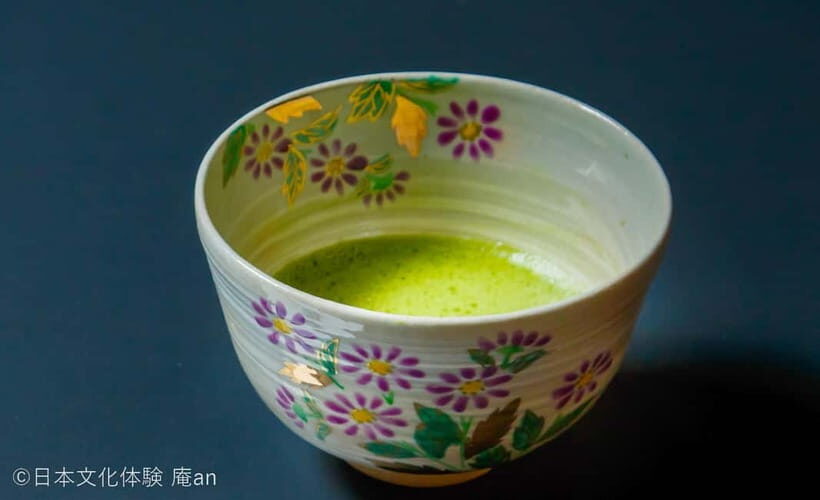
After the sweets are ready, you shift to the tea portion. You’ll first see a matcha grinding demonstration, then participate in the tea-ceremony experience.
The tea is Uji Matcha, and the class specifically highlights single-origin matcha. That’s important because matcha taste varies a lot depending on region and cultivation style, so single-origin is a meaningful step up from the “any green powder will do” approach.
Then you get the payoff: you enjoy the sweets you made along with your matcha. The goal is balance—the high quality bean paste sweetness is meant to complement the bitterness and depth of matcha.
A practical expectation to set
This does include tea ceremony elements, but it’s not a full, long-form ritual. Think of it as a focused, guided introduction with hands-on matcha prep and a structured way to drink your tea, not a multi-hour performance.
That actually works in your favor. With only 95 minutes, you get to do a real crafting activity and still end with a tea moment that teaches you something you can use later.

The instruction style: clear guidance from Mariko or Saki (and English support)
What makes a class like this work is the teaching. Past participants highlighted instructors such as Mariko and Saki for professional, clear instructions and a welcoming vibe.
Since the class language is Japanese, it helps to know what to expect. English translation is provided as much as possible, and participants have specifically noted that the instructor could speak English well. So you shouldn’t feel totally stranded if you don’t speak Japanese.
If you’re nervous about fine-motor work, this is still a good option. The guidance is meant to be easy to follow, and the end result usually looks like proper wagashi, even if you’re not naturally artistic.
Step-by-step timing: what happens during the 95 minutes
Here’s how the experience generally flows, so you can mentally plan your pace.
- You start with an overview of Japanese traditional sweets and what makes nerikiri special.
- You move into flower-shaped nerikiri making, with an emphasis on coloring and forming.
- There’s a break around the halfway mark.
- Then you get tea-focused instruction: matcha grinding demonstration and guidance for the tea-ceremony experience.
- Finally, you take photos and enjoy eating and drinking your sweets and matcha before leaving.
This structure matters because it prevents you from feeling like you have to “perform” throughout. You can focus on making, reset during the break, and then focus fully on the tea.
Location near Nagoya Station: easy to find, but plan for stairs
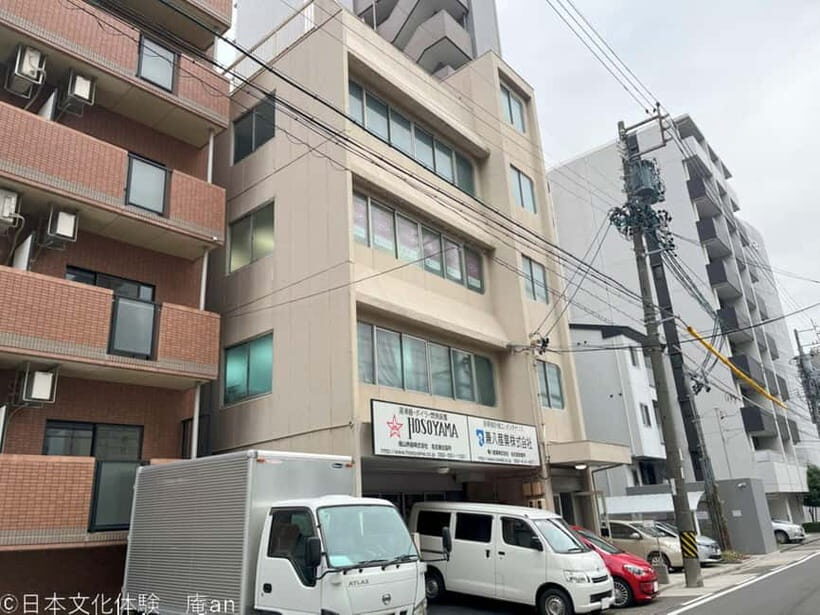
The meeting point is convenient if you’re staying around Nagoya Station.
- About a 1-minute walk from Exit 3 of the Subway Sakura-dori Line Kokusai Center Station
- About a 13-minute walk from Nagoya Station (Sakura-dori side)
The coordinates place the venue close to central transit routes, so you won’t be commuting across town for this.
One logistical note you’ll want to take seriously: the venue is on the 3rd floor with no elevator. That’s fine for most people, but if you have heavy bags, mobility limitations, or you’re arriving right after other walking-heavy activities, plan extra time.
Also, the event won’t be held to accommodate delays. In practice, that means arrive early enough that you’re not sprinting through the last minute.
Price and value: $18 for two sweets plus single-origin matcha
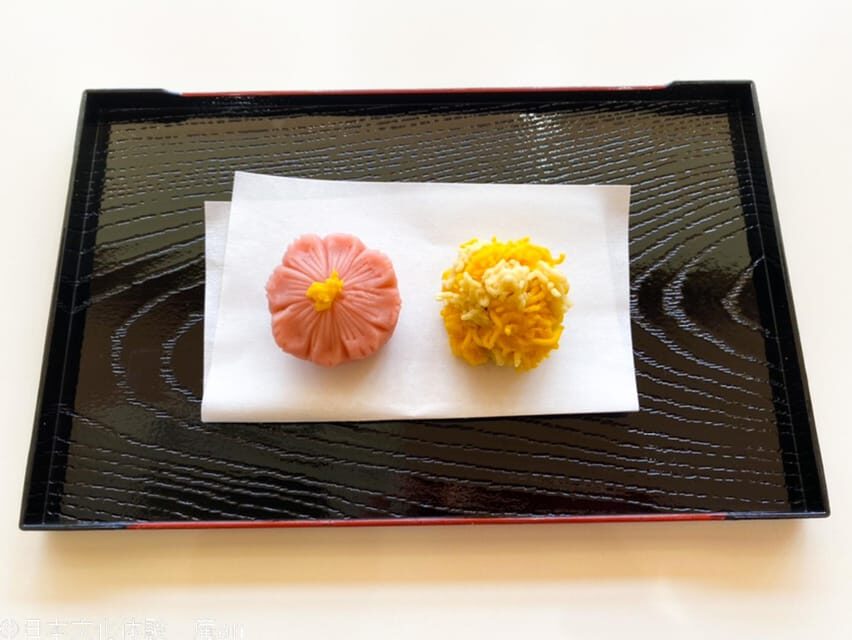
At about $18 per person for a 95-minute class, the value looks strong because you get three things that usually cost separately when booked elsewhere: guided wagashi making, a matcha experience, and tasting what you make.
What upgrades the value here is ingredient quality. You’re using bean paste made by Kyoto’s long-established shops, and you’re working with single-origin Uji matcha rather than generic matcha powder.
Then there’s the “tangible outcome” factor. You don’t just learn theory. You leave with sweets you made (and you get to eat them on-site).
Small paid extras (optional)
If you want to take your sweets away, there’s a take-out box for JPY 100. If you want a souvenir-style document, there’s also a completion certificate for JPY 300. For nominative certificates, you need to share names in advance, otherwise a blank space may be left for your name.
What you’ll actually eat: wagashi texture, not just sugar
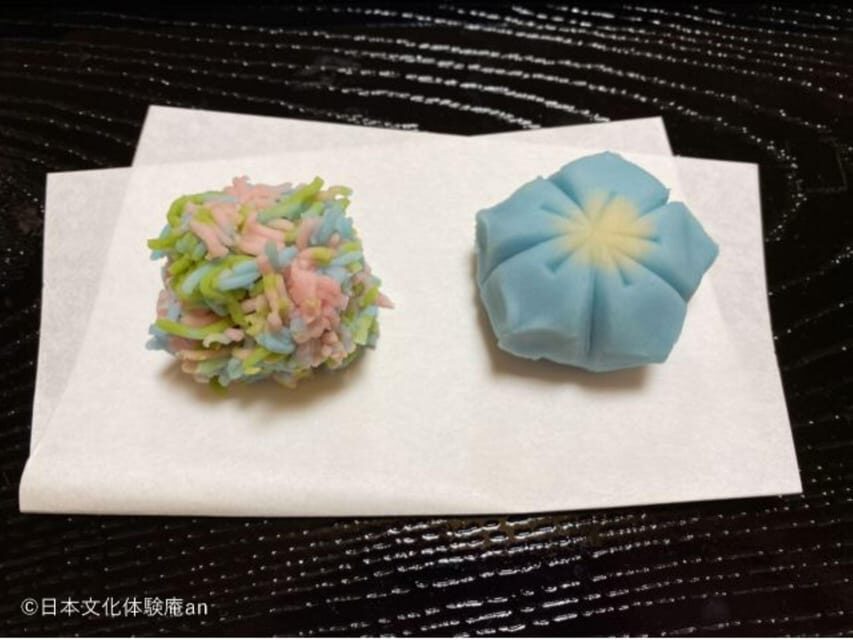
Nerikiri is a specific style of wagashi, and it’s different from cake-like desserts or typical Western sweets. Expect a smooth, shaped paste with a sweet bean filling, designed to pair with matcha rather than overpower it.
Because the sweets are made with both white/red bean paste, the flavor profile can feel balanced rather than one-note. And because matcha is served alongside, you’ll taste how bitterness, sweetness, and texture interact.
This is why the class pairing matters. You’re not just eating sweets; you’re learning how Japanese sweets are designed to work with tea.
Some people have also described the ingredients as more or less organic, but the core fact you can rely on is the quality sourcing and the matcha origin being emphasized.
Buying matcha or tools nearby (if you want to continue at home)
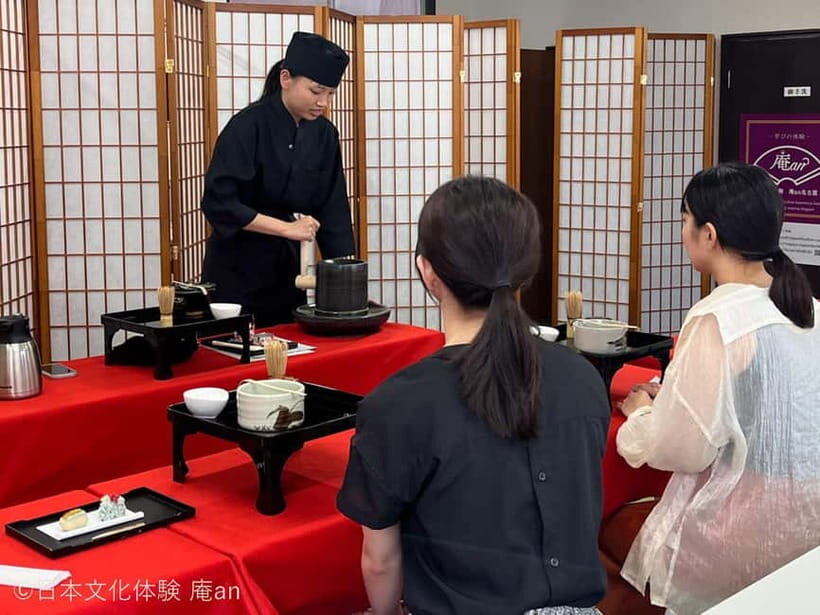
One nice bonus: you might find that the location sells matcha and matcha-related equipment. If you decide you like the taste after class, this is a convenient way to get the right basics without guessing online.
You don’t have to buy anything to enjoy the experience, but it’s useful if you want to practice a little at home.
Who should book this Nagoya sweets and tea class
This is a good match if you want:
- A hands-on activity you can do in under two hours
- A cultural food experience focused on wagashi (nerikiri) and Uji matcha
- An intro that teaches the basics without requiring you to already know tea rules
It’s especially appealing if your Nagoya schedule is tight and you want to “do something” instead of only sightseeing.
Who might want a different option
If you want a long, traditional tea ceremony experience with a deeper, multi-stage ritual format, this one may feel short. It’s more of a focused class: making sweets, learning matcha prep, and having a guided tea moment.
Should you book? My quick decision guide
Book it if you like the idea of making two seasonal nerikiri sweets, using quality bean paste, and then drinking single-origin Uji matcha alongside what you crafted. For the time and price, it’s a strong value because you get both creation and tasting in one session.
Skip it if your main goal is a full formal tea ceremony without the hands-on wagashi making. Also, consider the 3rd-floor stairs if you don’t want to manage climbing during your trip.
If you’re aiming for one memorable, practical food lesson in Nagoya, this is the kind of class that leaves you with a skill you can actually repeat.
FAQ
Where do I meet for the Nagoya sweets and tea ceremony class?
You’ll meet 1 minute from Exit 3 of the Subway Sakura-dori Line Kokusai Center Station, or about a 13-minute walk from the Sakura-dori side of Nagoya Station.
How long is the experience?
The class lasts 95 minutes.
How much does it cost?
It’s listed at $18 per person.
What Japanese sweets will I make?
You’ll make two traditional sweets, including nerikiri. The designs match the season.
Is the tea matcha, and what kind is it?
Yes. The tea experience uses Uji Matcha, and the matcha is described as single-origin special matcha.
Does this include tea ceremony, or only matcha?
It includes a tea-ceremony experience, preceded by a matcha grinding demonstration.
What language will the instructor use?
The class language is Japanese, with English translation provided as much as possible.
Is the venue accessible by elevator?
No. The venue is on the 3rd floor and there is no elevator.
Can I take the sweets home?
Yes, a sweets take-out box is available for JPY 100.
Are there certificates and how much do they cost?
Yes. An experience completion certificate costs 300 JPY, and nominative certificates require you to share your names in advance.