REVIEW · NAGOYA
Nagoya: Grand Sumo Tournament Tour
Book on GetYourGuide →Operated by Arumachi, Inc. · Bookable on GetYourGuide
Sumo hits different when you can follow the moves. This Nagoya tour puts you close to the action, then explains what’s happening with live English guidance (plus a few genuinely fun extras). You’ll also get a bonus walk at Nagoya Castle, turning an afternoon of noise and ritual into something you can actually read.
Two things I love: the tour gives you a practical wrestler photo/profile pamphlet in English and uses an earphone system so the expert’s running commentary stays clear, even from farther seats. Second, the cheering towel turns you from an observer into a participant—use it when your chosen wrestler fights, and the whole arena energy makes sense.
One drawback to consider: it’s not a long sightseeing day. You’re focused on the tournament first—3 hours starting at 15:00—so if you need lots of free time or a slow pace, this schedule may feel tight.
In This Review
- Key moments worth marking on your mental map
- Nagoya Sumo, close enough to use Kyoto and Osaka as your base
- Meeting at Meijo Line Nagoyajo Station: the easiest start
- The 15:00 start and why 3 hours is the sweet spot
- Your sumo “read the room” kit: pamphlet, towel, and booklet
- The English wrestler pamphlet
- The cheering towel (yes, really)
- A sumo booklet for the background
- Live commentary through earphones: hearing the why, not just the claps
- Chair S or Chair A seats: what you can realistically expect
- Optional Nagoya Castle walk: Tokugawa strategy in wood and metal
- Honmaru Palace details you can actually look for
- Pricing at $225: what you’re really buying
- Who should book this Nagoya Grand Sumo Tour
- Quick tips so your day runs smoothly
- Should you book it
- FAQ
- How long do I watch the sumo tournament?
- Is Nagoya Castle included or optional?
- What seating do I get for the sumo tournament?
- Do I get an audio guide system?
- Will the wrestler information be in English?
- How does the cheering towel work?
- Where do I meet the guide?
- Is hotel pickup included?
- What should I bring?
- Can I reserve now and pay later? And what’s the cancellation window?
Key moments worth marking on your mental map
- English wrestler pamphlet used right during the bouts, so you can connect faces to names and style
- Cheering towel for a particular wrestler, with the guide showing you exactly when to use it
- Earphone guide system for real-time commentary, so you don’t miss the why behind each move
- Chair S or Chair A seating at the tournament for a closer, more immediate experience
- Optional Nagoya Castle walk with a guide focused on Tokugawa-era purpose and design
Nagoya Sumo, close enough to use Kyoto and Osaka as your base
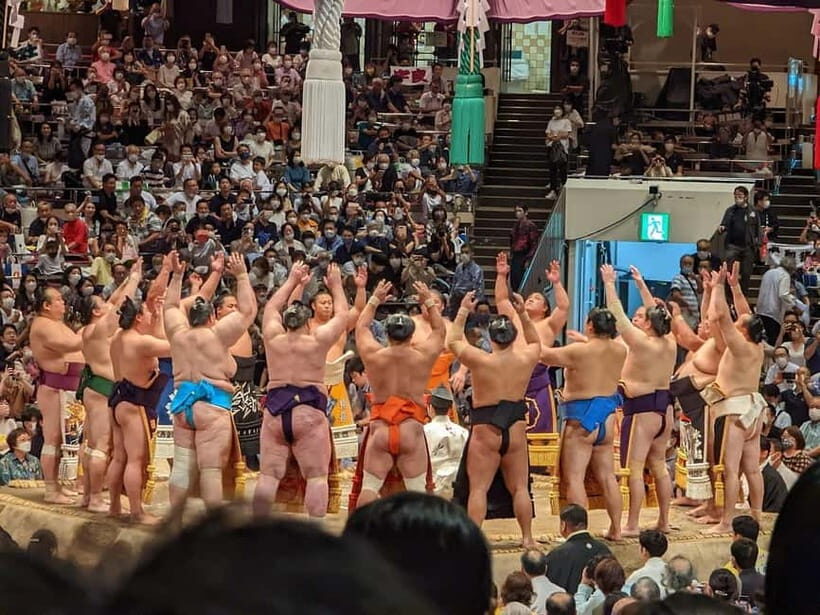
Nagoya sits on Honshu, and it’s a smart pivot point if you’re already doing Kyoto and Osaka. You’re looking at about a 50-minute train ride from Osaka and around 34 minutes from Kyoto. That matters because it keeps the day from feeling like a trip inside a trip.
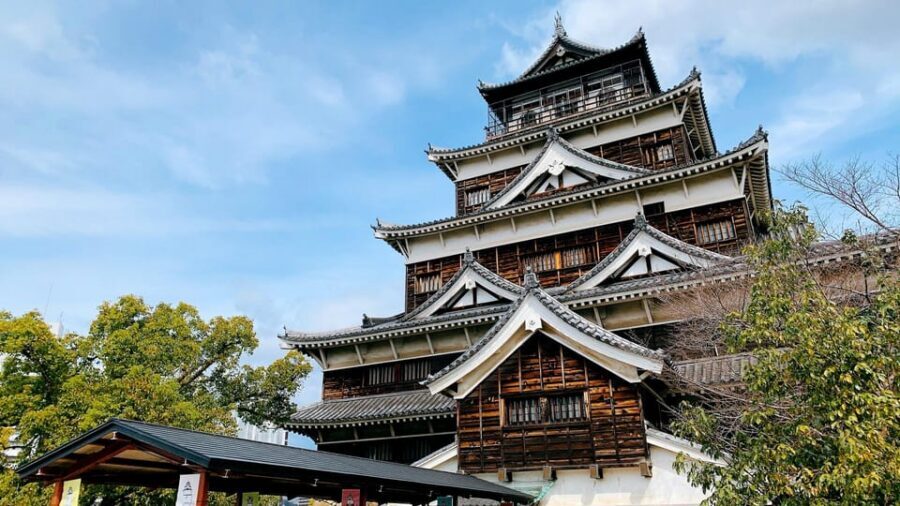
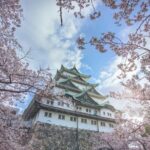
What makes Nagoya special here isn’t just sumo. It’s also the Nagoya Castle portion—built in the early 1600s by the Tokugawa clan, with a real focus on why castles worked as fortresses, not just pretty backdrops. Even if sumo is your main goal, the castle walk gives your brain something to latch onto: power, politics, architecture, and then—later—the disciplined ritual of the ring.
If you’re wondering whether this is “just tickets plus walking,” the answer is no. The tour is built around helping you understand what you’re seeing, and that’s where the value lives.
You can also read our reviews of more tours and experiences in Nagoya.



Meeting at Meijo Line Nagoyajo Station: the easiest start
The tour begins at Meijo Line Nagoyajo Station (M07), Exit 7, on the ground level. The guide will be holding a recognizable signboard, so you’re not left playing where’s-waldo with your phone in your hand.
This is the kind of meeting point I like: it’s clear, direct, and right where Nagoya Castle-tournament area energy begins.
One thing to plan for: there’s no hotel pickup/drop-off included. So factor in getting yourself to the meeting station on time.
The 15:00 start and why 3 hours is the sweet spot
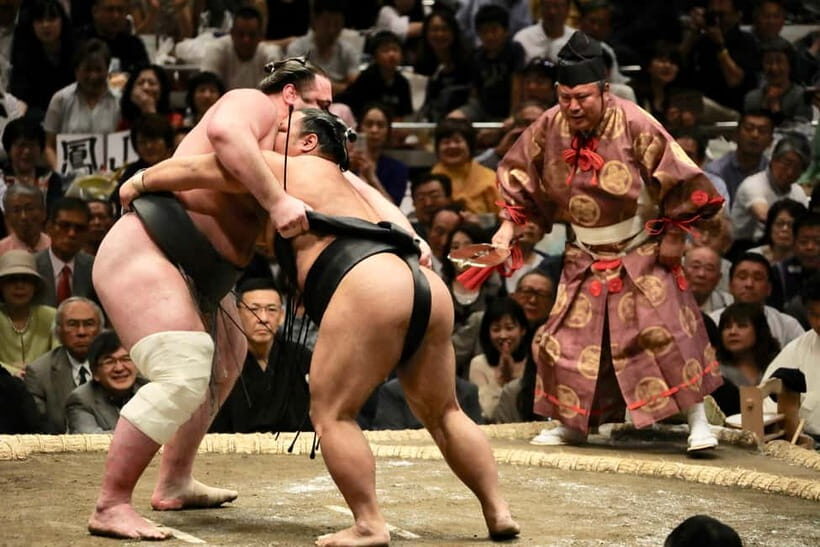
Your sumo viewing runs for 3 hours, starting at 15:00, and it’s top-division action. This start time is not random. The schedule is designed so you hit the tournament while your attention is fresh—otherwise you end up watching long enough that the novelty fades before the best matches begin.
That timing detail might sound small, but it changes your day. Sumo moves fast, rules have texture, and the atmosphere builds when you understand what to watch for. If you start earlier than needed, you can get bored. If you start at the planned time, you’re more likely to stay locked in for the key moments.
Your sumo “read the room” kit: pamphlet, towel, and booklet
This tour hands you tools that turn a complicated sport into something you can follow.
The English wrestler pamphlet
You get a pamphlet with photos and wrestler profiles in English. The guide walks you through it while you’re watching, so you’re not just staring at the ring wondering who’s who.
It’s especially helpful because sumo isn’t casual. Names matter, stables matter, and knowing even a few basics makes the bouts feel less like random chaos and more like a sport with patterns.

The cheering towel (yes, really)
You also receive a cheering towel for a specific wrestler. The guide explains when to use it—basically, the moment your wrestler is set to fight.
This is pure momentum. In a venue like a sumo arena, your energy matters. When you’re cheering with a purpose, you’re watching more actively. You also stop feeling like you’re missing some secret code, because the guide provides it.
A sumo booklet for the background
On top of that, there’s a sumo booklet that covers the sport. This is the “teach you the rules without killing the fun” layer. It helps you understand the rituals and the flow between matches.
If you’ve never seen sumo, this kit is what turns a first-time visit into a real understanding.
Live commentary through earphones: hearing the why, not just the claps
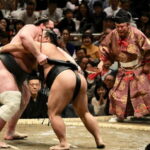
The standout method here is the earphone guide system. The guide provides real-time commentaries throughout the tour, and the headset keeps you connected even if you’re not in the front row.
This is where the tour saves you time and frustration. Sumo can be hard to decode from the stands: you see bodies clash, but you miss the tiny signals, the setup, and the strategic choices. A good explainer can translate the rules and rituals into plain talk.
From the guidance style shown in past tour experiences, the common theme is energy and clarity. Guides with names like Keiko, Yummi, Mari, Yuki, and Sunny Yoko have been praised for bringing sumo to life—especially for first-timers. You should expect a guide who doesn’t just recite facts, but explains what you’re looking at as it happens.
Chair S or Chair A seats: what you can realistically expect
You’re not shopping for the cheapest ticket here. You get Chair S or Chair A seats, which typically means you’re meant to see the ring clearly and enjoy the atmosphere without craning constantly.
What does that change for you? More than you’d think. When you can see the details—stance, timing, and the small pre-fight rituals—the guide commentary lands harder. You’re not only hearing explanations. You’re confirming them with your eyes.
If you’re sensitive to crowded spaces, note that tournaments can get loud and packed. The value comes from staying mentally engaged, and the headset helps you do that.
Optional Nagoya Castle walk: Tokugawa strategy in wood and metal
The castle portion is optional, but if you can swing it, I’d treat it as part of the story, not a side quest.
Nagoya Castle is tied to the Tokugawa clan, who ruled Japan for nearly three centuries. The visit is guided, and the tour focuses on practical questions like:
- why the castle was built in the first place
- how Tokugawa leaders managed feudal lords who were once antagonistic
- what construction techniques were used
- how it functioned as a fortress (and a dungeon-like space)
That approach makes the castle feel less like a photo stop and more like a lesson in how Japan’s power structure worked.
Honmaru Palace details you can actually look for
You’ll also see the beauty of Honmaru Palace, with extensive hinoki cypress wood, decorative metal fittings, and fine art on walls, ceilings, and sliding doors. Even if you’re not a architecture nerd, those materials give you a sense of why this place wasn’t casual.
It also pairs well with the sumo side of your day: disciplined ritual, deliberate design, and respect for tradition.
Pricing at $225: what you’re really buying
At $225 per person, this isn’t a budget activity. The question is value, not just cost.
Here’s what you’re paying for that a basic ticket won’t give you:
- Real-time English commentary through an earphone system
- English wrestler pamphlets with guided explanations during bouts
- A cheering towel with specific instructions on when to use it
- Reserved seating (Chair S or Chair A)
- Optional Nagoya Castle walking tour from a local guide
- All of this is set up as a small-group experience, which makes the explanation feel less generic
If you’re going to sumo on your own, you’ll still enjoy the spectacle. But decoding it is the hard part. This tour pays for interpretation, not just admission.
The one caution on value: if you already speak Japanese well enough to follow the venue flow and you’re comfortable researching wrestlers/stables ahead of time, you may feel the “extras” are less necessary. Still, the towel and earphone commentary are hard to recreate cheaply.
Who should book this Nagoya Grand Sumo Tour
This tour fits best if you:
- are going to sumo for the first time and want the experience to click fast
- like guided context while you’re actively doing the activity (not just museum-style listening)
- want a fun twist, not only serious sport education
- value being able to hear your guide clearly via headset
It’s less ideal if you:
- want long free time between activities
- hate structured schedules
- dislike loud environments (tournaments are intense)
Language is English, so this is built for English-speaking visitors.
Quick tips so your day runs smoothly
- Wear comfortable shoes. You’ll be walking in the castle area if you choose that option.
- Plan to be at the station meeting point on time. The guide holds a signboard, but you still want to start clean.
- When you get the wrestler pamphlet, use it. Don’t wait until later. The guide is walking you through it for a reason.
- Treat the cheering towel as part of the choreography of the day. Use it when your wrestler is set, exactly as shown.
Should you book it
If you want your first sumo experience to feel understandable and exciting—without needing to do homework first—this tour is an excellent bet. The biggest wins are the earphone-guided real-time commentary and the English wrestler materials, both of which remove the most common frustration: not knowing what you’re watching.
If your goal is only to say you saw sumo and you prefer drifting without structure, you can do that cheaper on your own. But if you want a day that turns the sport into a story you can follow, book this.
In my view, the best sign is simple: this is built around making the tournament enjoyable and readable at the same time.
FAQ
How long do I watch the sumo tournament?
You watch for 3 hours, starting at 15:00, and it includes bouts by top-division wrestlers.
Is Nagoya Castle included or optional?
Nagoya Castle is optional and is offered as a walking tour on the day.
What seating do I get for the sumo tournament?
You get Chair S or Chair A seats for the tournament.
Do I get an audio guide system?
Yes. The tour provides an earphone guide system so you can hear real-time commentary clearly.
Will the wrestler information be in English?
Yes. You receive a pamphlet with photos and wrestler profiles in English, and the guide walks you through it while you watch.
How does the cheering towel work?
You receive a cheering towel for a particular wrestler, and the guide shows you when and how to use it during the event.
Where do I meet the guide?
Meet at Meijo Line Nagoyajo Station (M07) Exit 7, on the ground level. The guide will be holding a recognizable signboard.
Is hotel pickup included?
No. Hotel pickup and drop-off are not included.
What should I bring?
Bring comfortable shoes.
Can I reserve now and pay later? And what’s the cancellation window?
The tour offers reserve and pay later. Cancellation is possible up to 24 hours in advance for a full refund.