REVIEW · NAGOYA
Magome-juku, Tsumago-juku & Ena-kyo 1d Bus Tour from Nagoya
Book on GetYourGuide →Operated by VIP Japan Tour · Bookable on GetYourGuide
Edo streets and gorge views in one packed day. This Nagoya day tour strings together Magome-juku and Tsumago-juku with quiet temple time and big Enakyo panorama stops, all with a simple bus rhythm. I like that it keeps the day easy to follow while still giving you real time to wander on your own.
The best part for me is the balance: city-to-countryside by bus, then calm gardens at Kokeizan Eihoji Temple before you hit the post-town streets. One thing to plan for is the moderate walking, and the bus leaves on time—weather or traffic can shift details, but the departure timing rule stays firm.
Key highlights worth your attention
- Magome-juku cobblestones and shop-lined Edo streets with time for snacks and photos
- Kokeizan Eihoji Temple gardens as a slow, quiet reset
- Enakyo Observatory for fast panoramic gorge views
- Tsumago-juku’s well-preserved atmosphere for that classic Nakasendo feel
- English/Chinese conductor support that keeps timing and explanations clear
- A relaxed day structure that still gets you back to the bus without stress
In This Review
- Entering the Edo World: Why Magome and Tsumago Work So Well
- Getting There from Nagoya: VIPLINER Timing and Real-World Logistics
- Kokeizan Eihoji Temple: A Calm Garden Break You’ll Appreciate
- Enakyo Observatory: Quick Panoramas Over Ena Gorge
- Magome-juku: Cobblestone Streets, Snacks, and Nakasendo Vibes
- Tsumago-juku: The Second Town That Feels Like a Time Capsule
- How the Day Flows: Pacing, Walking, and Bus Return
- Price and Value: What $61 Gets You in One Long Day
- Who This Tour Suits Best (and Who Might Be Unhappy)
- Should You Book This One?
- FAQ
- Where do I meet for the tour?
- How much time do I get in Magome-juku?
- How much time do I get in Tsumago-juku?
- Is lunch included?
- What’s included in the price?
- What languages are offered?
- Is the tour good for people who need mobility assistance?
- How much walking should I expect?
- What should I bring?
- What if the weather or traffic is bad?
- What is the cancellation policy?
Entering the Edo World: Why Magome and Tsumago Work So Well
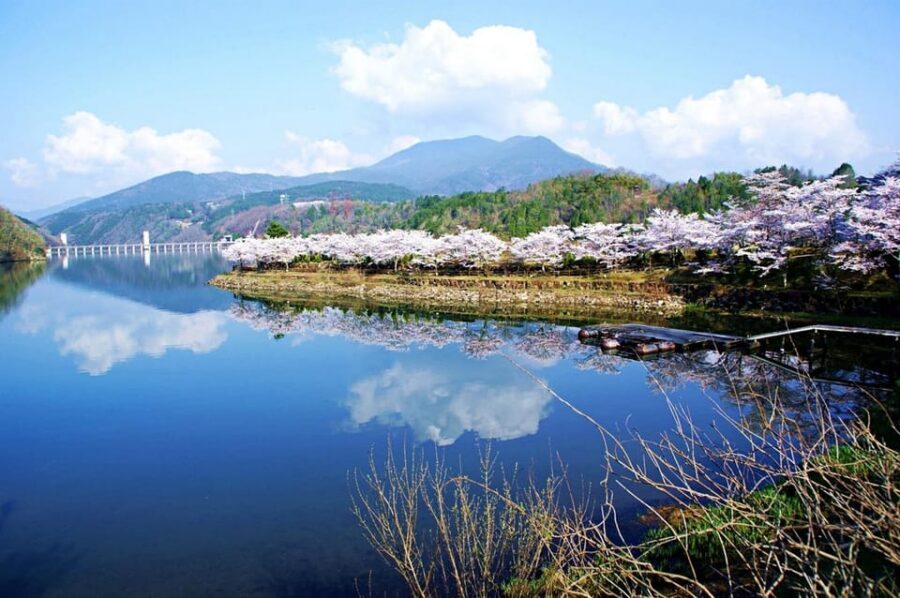
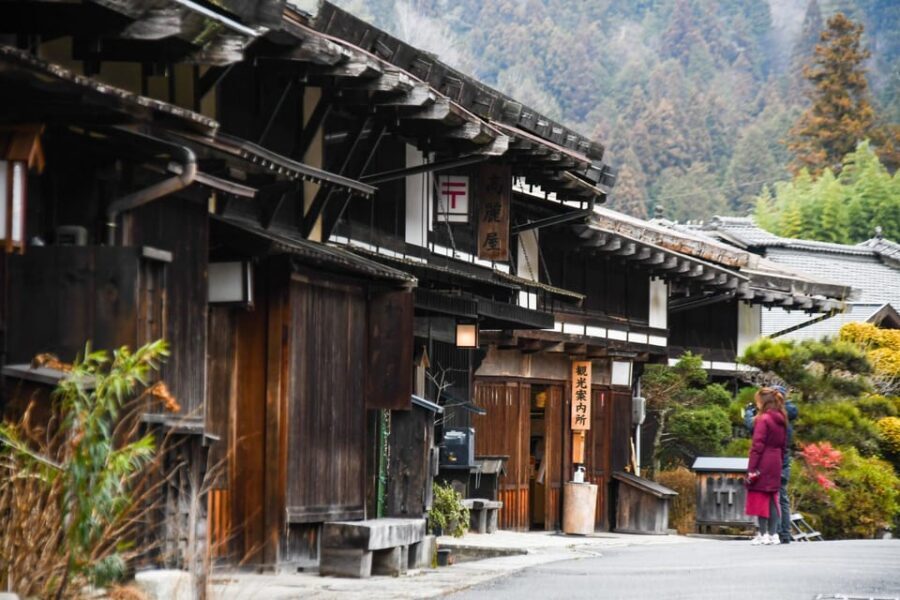
Magome-juku and Tsumago-juku are the kind of places you don’t just look at—you feel how travel used to be. These are post towns along the old Nakasendo route, and the streets are preserved enough that you can read the past right where you stand. It’s not a museum vibe. It’s more like stepping onto a stage and then walking around it.
What I like about this tour is that it doesn’t force you to rush through the towns. You get free time in both places, which matters, because Edo-era streets reward slow browsing. Shop windows, small photo angles, and just finding a spot to watch daily life can take longer than you expect—in a good way.
Then you get a temple stop and a gorge viewpoint to break up the day. That mix is smart. Post towns alone can start to feel repetitive. Here, the day alternates between atmosphere (town streets) and scenery (temple gardens and Ena Gorge).
Getting There from Nagoya: VIPLINER Timing and Real-World Logistics
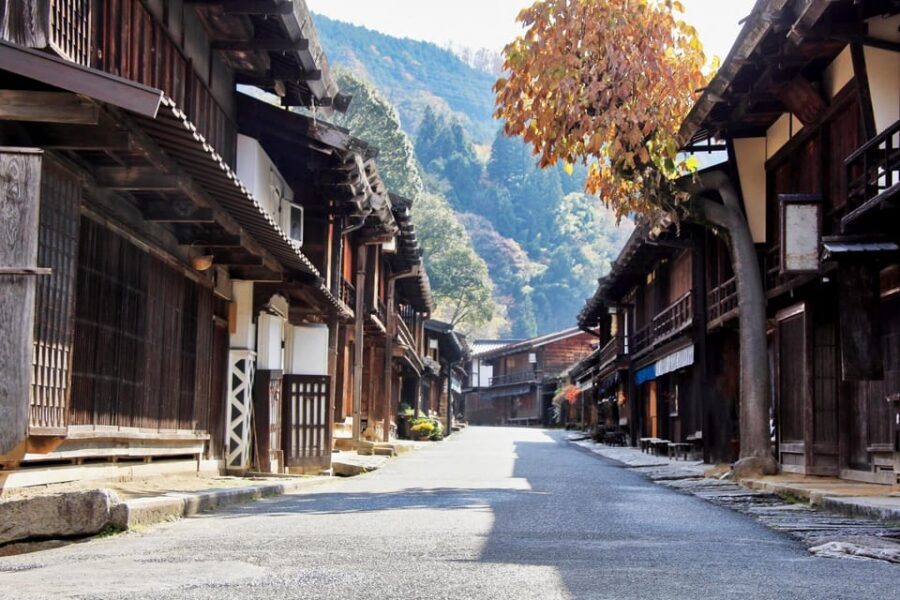
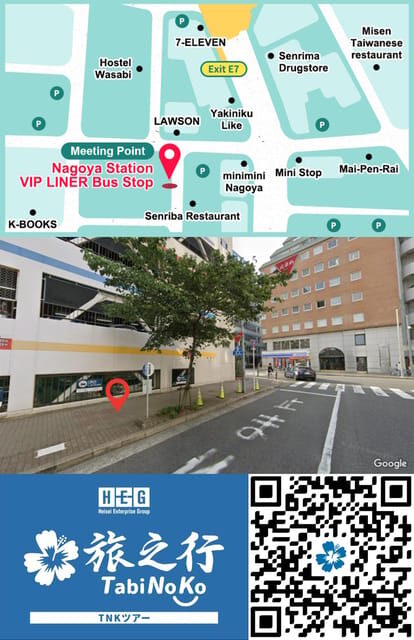
This is a straightforward day trip with an air-conditioned bus. You meet at the VIPLINER Nagoya bus stop, and the timing is strict: meet at 8:20, depart 8:30. You should plan to arrive early since there’s a short walk from Nagoya Station (the Taiko-dori side, 太閤通口).
Two things help this run smoothly. First, the guide meets you at the spot and checks your name on the list. Second, the bus departs on time—no exceptions—so punctuality is part of the deal. If you’ve ever watched a group miss a bus in Japan, you already know how quickly that can turn into frustration. This tour avoids that chaos by running on schedule.
Also note how language works. If the group includes both English-speaking and Chinese-speaking participants, you’ll share the same bus, and the guide switches between languages so everyone can follow along. From what I’ve seen in tours like this, that’s exactly what makes the whole day feel smoother, especially when there are multiple time checkpoints.
A few more Nagoya tours and experiences worth a look


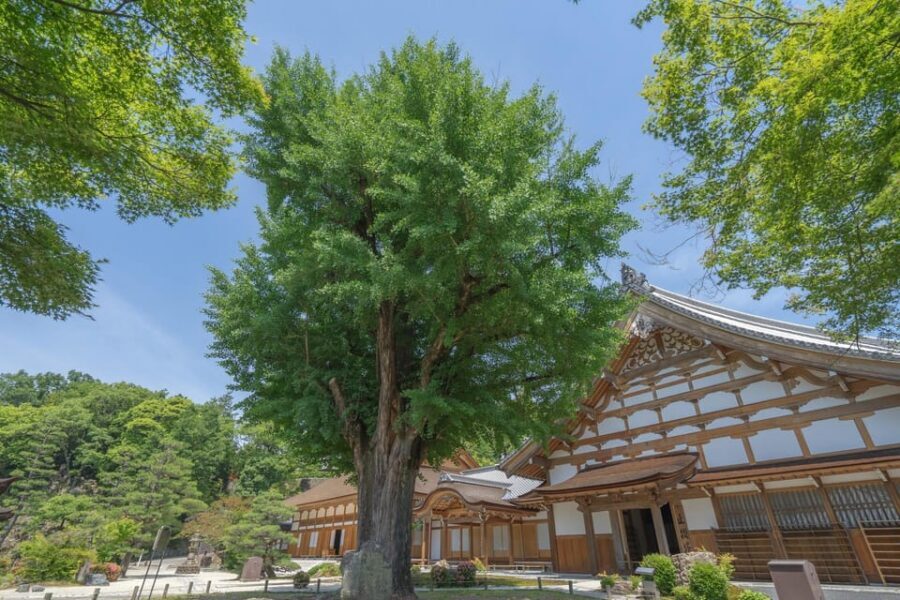
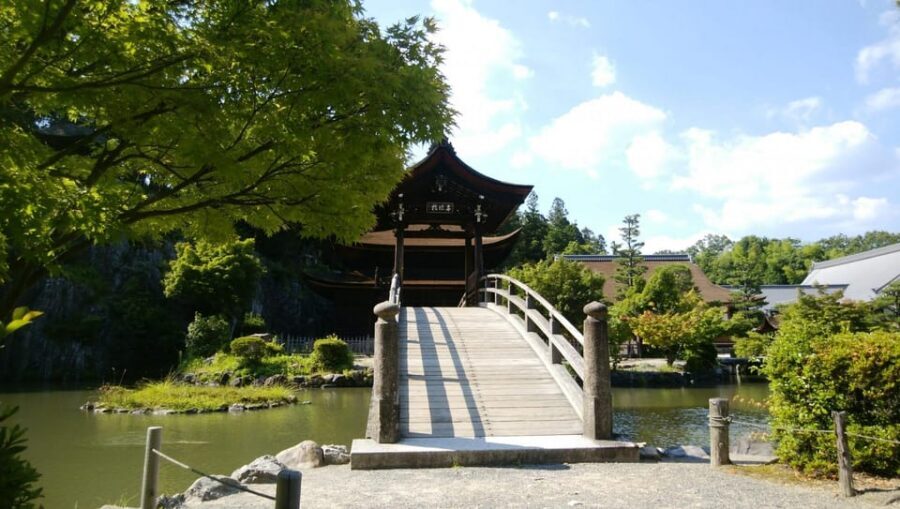
Kokeizan Eihoji Temple: A Calm Garden Break You’ll Appreciate
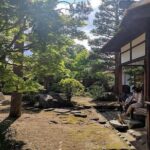
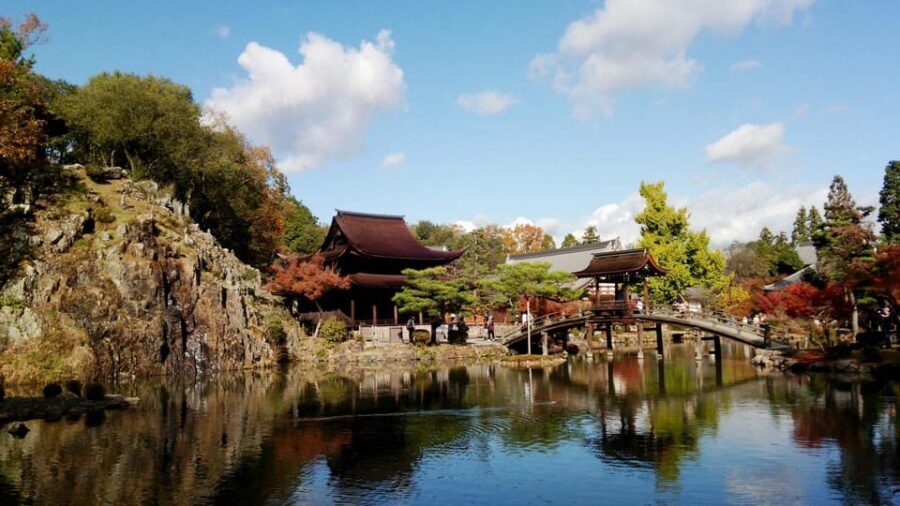
The tour starts with a cultural stop at Kokeizan Eihoji Temple for about 1 hour. This is where the day slows down on purpose. Temple grounds are naturally quieter than post towns, and the garden-style setting gives your eyes a break after the bus ride.
You’re not stuck in a rush. The stop is self-guided, so you can choose how you spend that hour—wandering paths, pausing for views of the grounds, or simply taking the moment to reset before you go back to street level and crowds of heritage. If you like gardens, this part is a solid payoff.
The practical angle: wear shoes you can walk in. Even a “calm” garden visit can involve small changes in elevation and uneven surfaces.
Enakyo Observatory: Quick Panoramas Over Ena Gorge
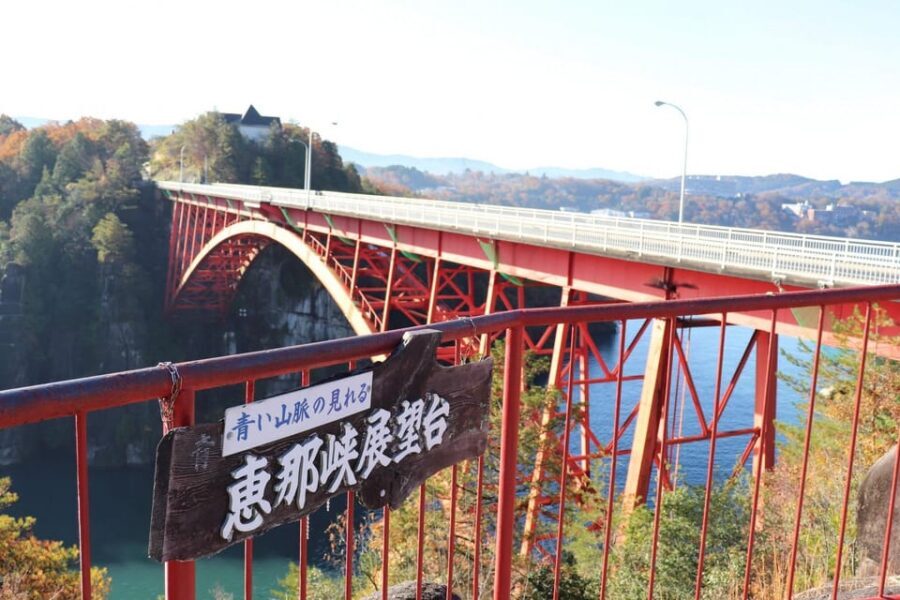
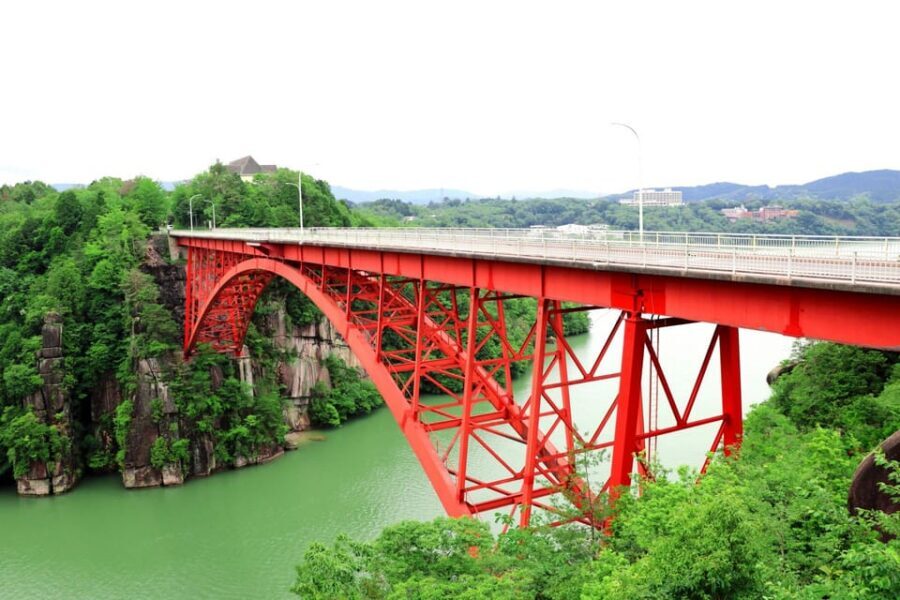
Next comes a 30-minute photo stop at Enakyo Observatory. This is where you get the big scenery moment: panoramic views over the Ena Gorge with the winding river and surrounding mountains.
This stop is short, so your strategy matters. Before you arrive at the viewpoint area, decide what you want most: wide-overview photos, close framing of the river bends (when available), or just time to stand and take it in without thinking about the clock. Since it’s only half an hour, I’d prioritize the best viewpoints first, then take extra shots if you still have time.
One more useful tip: this kind of viewpoint is all about light. If clouds roll in or the sun is harsh, you might change your shot plan. Don’t waste your whole 30 minutes waiting for perfect conditions—work with what you get, then trust that the bus schedule will keep you moving.
Magome-juku: Cobblestone Streets, Snacks, and Nakasendo Vibes
Magome-juku is your first major post town visit. You’ll get about 2 hours, including lunch time plus free time. That length is meaningful because it lets you do more than just walk once through the street.
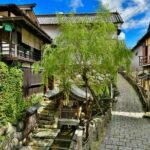
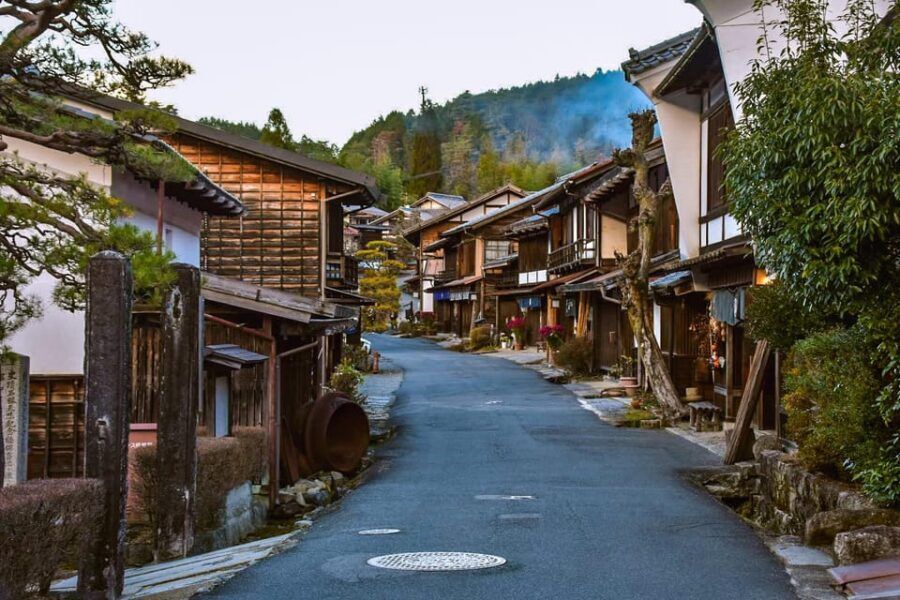
Here’s why Magome feels special: the preserved, traditional streets are designed for wandering. Wooden buildings line the route, and the cobblestones make the stroll feel grounded and older than the rest of the modern world around you. It’s the kind of place where stopping for a snack doesn’t feel like a detour—it feels like part of the experience.
I also like that this is self-guided. You can follow your own pace and decide where photos work best. If you’re the type who likes shopping, this is one of your best windows of the day. The town has quaint craft shops and small food options, so it’s easy to make the most of your time without hunting.
Small drawback to keep in mind: some people find this stop a bit long, especially if they’re mainly focused on photos and don’t want to browse. If you’re that type, set yourself a rough plan (photo spots first, then 30–45 minutes of browsing, then back to the meeting point).
Tsumago-juku: The Second Town That Feels Like a Time Capsule
After Magome, you move to Tsumago-juku for 70 minutes, with visit time and free time. It’s shorter than Magome, but the payoff can be bigger depending on what you like.
Tsumago tends to feel more like the classic postcard version of the Nakasendo towns—preserved streets, quiet corners, and that strong sense of old travel routes. Even within the shorter window, you should be able to walk the main stretch, stop for photos, and still have time to take it slow.
If you’re comparing the two, I’d treat it like this: Magome gives you more time to explore streets and shop around, while Tsumago often feels more focused—like you can get the core atmosphere without needing to spend as long deciding where to go.
For timing, don’t start your “one last photo” spree too close to bus return time. The bus schedule is tight enough that a slow walk can snowball if you’re waiting for the perfect shot angle.


How the Day Flows: Pacing, Walking, and Bus Return
This trip is built around a bus loop: Nagoya → temple → observatory → Magome-juku → Tsumago-juku → return to Nagoya. The total day length is 9 hours, which is long enough to feel like you left the city, but not so long you’re tired in every single moment.
You should expect a moderate amount of walking. Nothing about it screams marathon, but it adds up across towns and viewpoint paths. Comfortable shoes aren’t optional if you want to enjoy the streets instead of just endure them.
A detail that matters: the tour uses self-guided time at key stops, but the guide also helps with timing and practical recommendations. I like tours where the guide actively helps you get the most out of short windows. In this case, it’s especially useful at places like Enakyo and the post towns where you want to know where photos are best and what to look for.
Also remember: the tour departs regardless of weather or traffic conditions unless the operator notifies you otherwise. If there’s severe traffic from holidays or adverse weather, the itinerary can change without refunds, so don’t build your day around a single must-see moment.
Price and Value: What $61 Gets You in One Long Day
At $61 per person for a 9-hour experience, this isn’t a cheap casual outing, but it can be good value if you’re using the bus time correctly. You’re paying for transportation out of Nagoya plus guided coordination (the conductor supports the group, and there’s English/Chinese language help).
What’s especially good value here:
- You’re getting multiple distinct “modes” of Japan in one day: temple gardens, gorge viewpoints, and Edo post towns.
- The schedule gives you enough free time to actually experience the places, not just pass through them.
- The air-conditioned bus helps a lot in warm months, and it keeps the long transfer more comfortable.
What isn’t included: lunch. Budget for a meal on your own during the Magome-juku lunch/free time window. This can be a plus if you like choosing your own local food rather than getting a set meal.
The biggest value question for you is this: can you handle a moderate walking day and a strict bus departure time? If yes, this tour is a practical way to cover Central Japan without complicated train transfers.
Who This Tour Suits Best (and Who Might Be Unhappy)
This tour is a good fit if you want an easy day trip from Nagoya and you care about experiencing preserved streets rather than just checking a box. It works especially well for visitors who:
- want Edo-era post town atmosphere without planning transfers
- enjoy scenic viewpoints but don’t need long hikes
- want language support from a conductor who can handle both English and Chinese participants
It’s less ideal if you need wheelchair access, since it’s not suitable for wheelchair users. It also might not be the best choice if you strongly dislike moderate walking, or if you get stressed by strict departure times.
And one seasonal note to keep in your head: in early January around holiday periods, some locations may be closed. That doesn’t remove the value of the towns themselves, but it can affect what you can do at specific stops.
Should You Book This One?
If your goal is a single-day, straightforward route that captures Edo-style streets plus countryside scenery, I think this tour is worth booking. The structure is built to keep you moving, but not racing—especially with time set aside for both post towns.
Book it if you:
- want to see Magome-juku and Tsumago-juku without transportation headaches
- like the idea of mixing towns with a temple garden and gorge viewpoint
- can show up on time and wear comfortable shoes
Skip or reconsider if you:
- need wheelchair accessibility
- hate moderate walking and short, timed stops
- prefer to control your own schedule more than the tour schedule allows
FAQ
Where do I meet for the tour?
You meet at the VIPLINER Nagoya bus stop. You should be at the meeting point around 8:20 for check-in and the bus departs at 8:30.
How much time do I get in Magome-juku?
Magome-juku has about 2 hours total, including lunch time and free time.
How much time do I get in Tsumago-juku?
Tsumago-juku has about 70 minutes total for visit time and free time.
Is lunch included?
No, lunch is not included. You’ll have lunch/free time during the Magome-juku portion.
What’s included in the price?
The price includes an air-conditioned vehicle and an English-speaking/Chinese-speaking conductor.
What languages are offered?
The live tour guide/conductor supports English and Chinese.
Is the tour good for people who need mobility assistance?
No. This tour is not suitable for wheelchair users.
How much walking should I expect?
The itinerary includes a moderate amount of walking, so comfortable shoes are important.
What should I bring?
Bring comfortable shoes and comfortable clothes.
What if the weather or traffic is bad?
The tour departs regardless of weather or traffic conditions unless the local operator notifies otherwise. If severe traffic causes a schedule change, the itinerary may change without refunds.
What is the cancellation policy?
You can cancel up to 24 hours in advance for a full refund.